FOR RENTExpat
Rs450K/mo
Riviere Noire · West
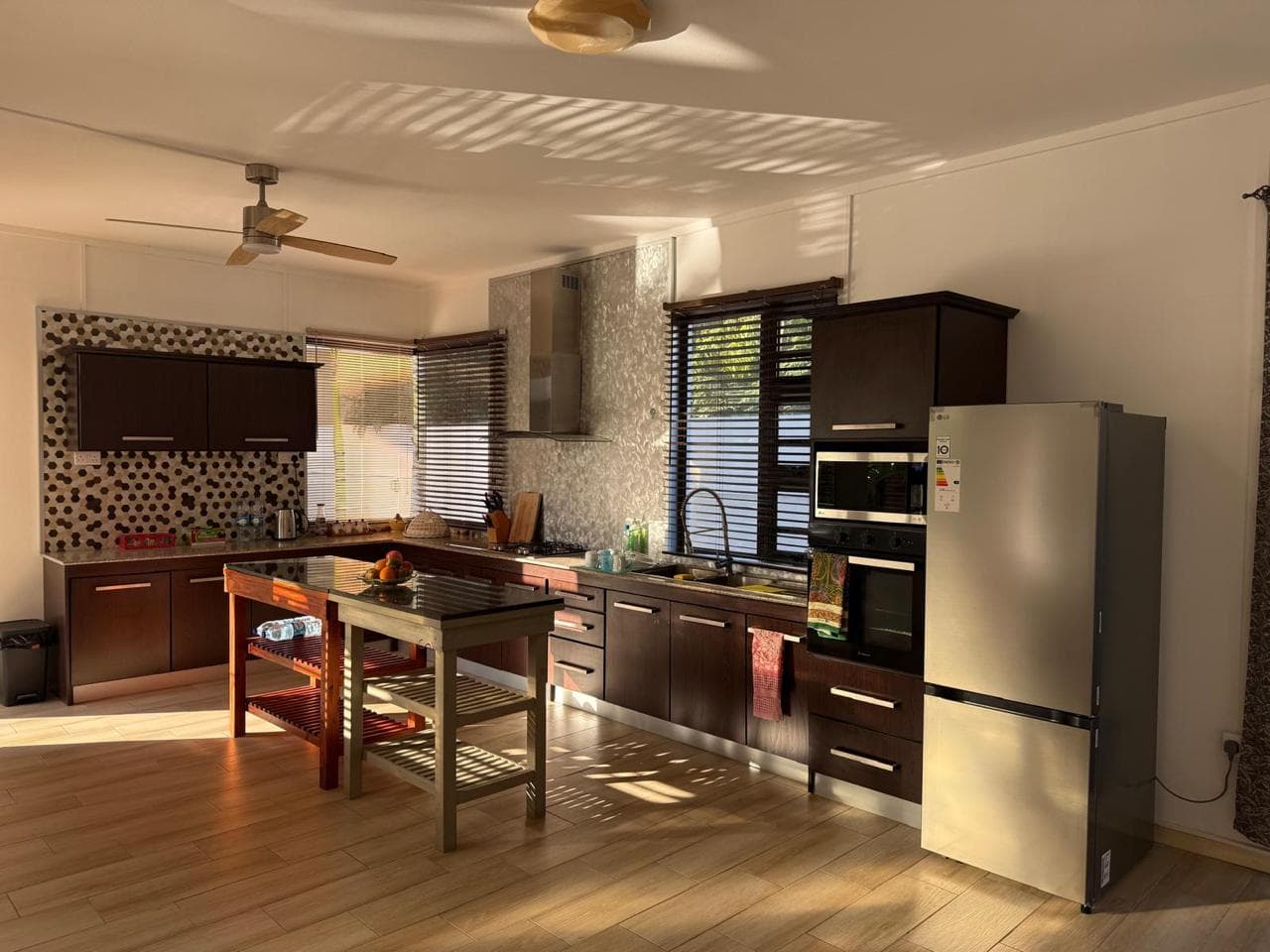
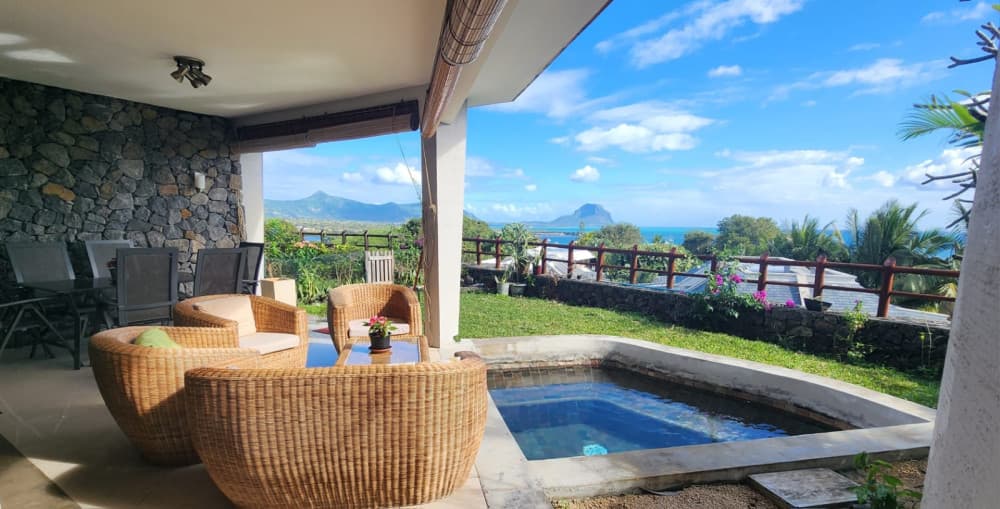
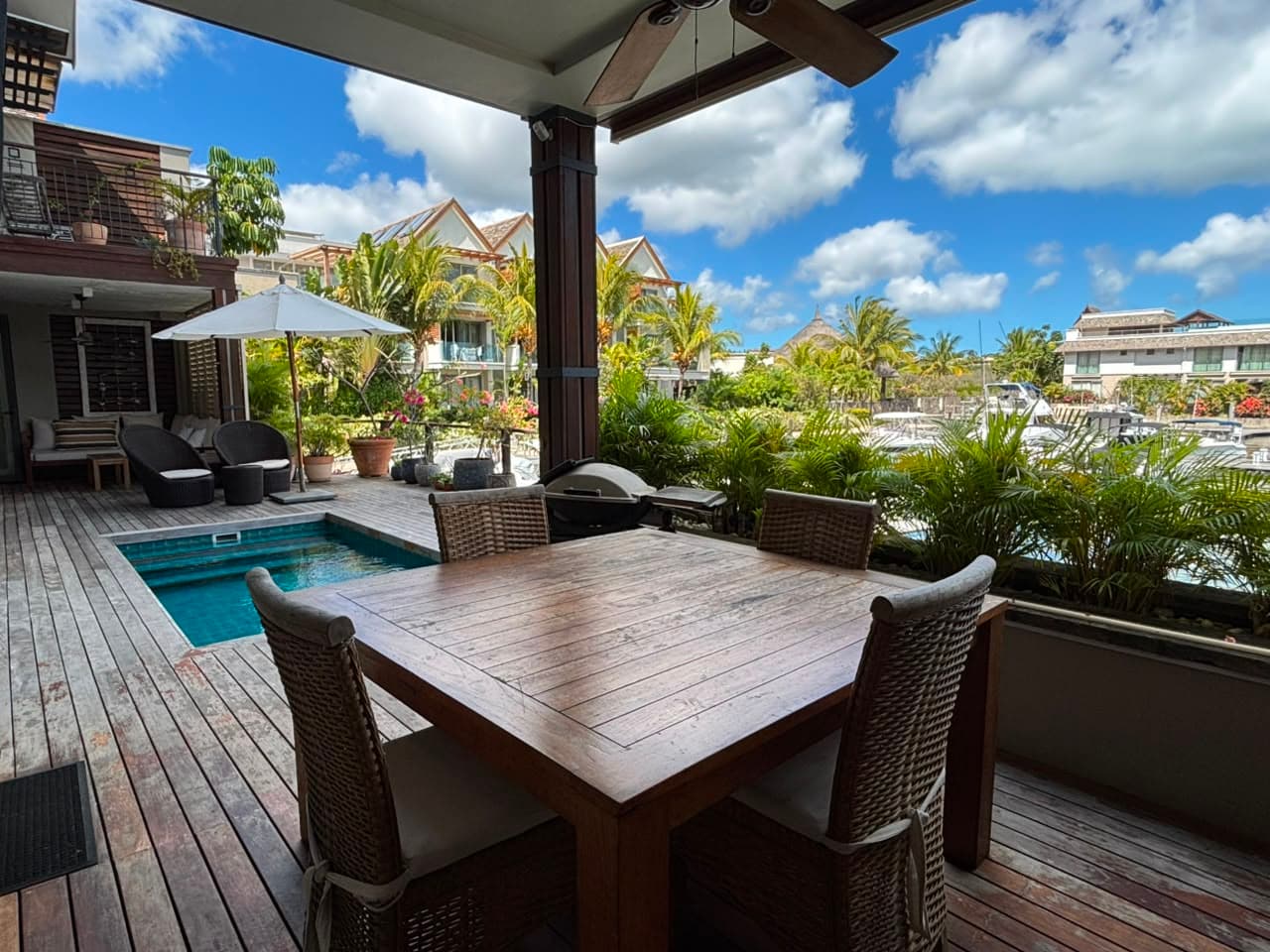
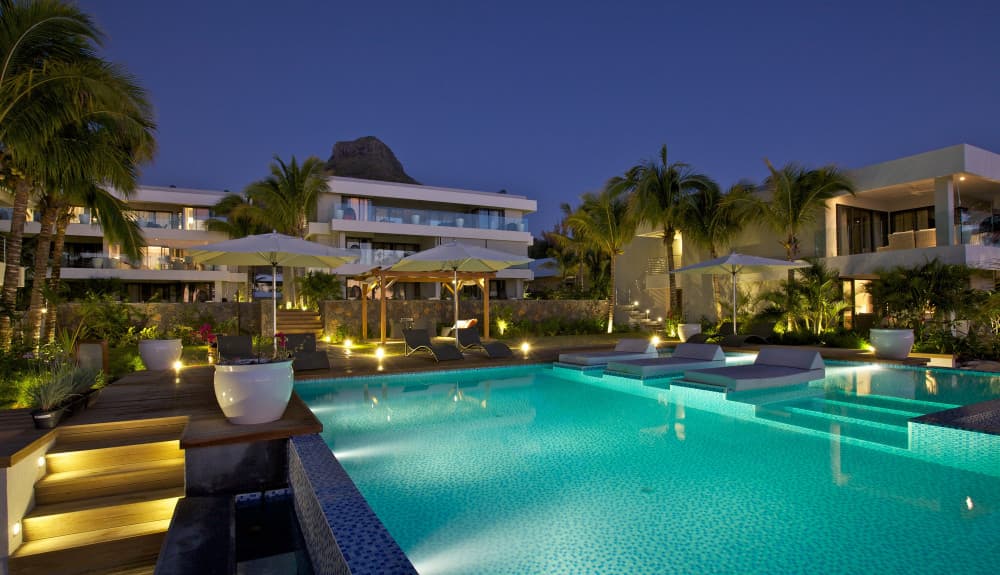
Ultimate Marina Lifestyle – Luxury Waterfront Residence, Private Mooring & Boat
44


Mauritius is far more than a beautiful holiday destination, from its progressive personal income tax and freehold property ownership rights for foreigners to its world-class healthcare and four official languages, this Indian Ocean island holds some remarkable surprises for expats and investors co…
Most people picture Mauritius as a honeymoon destination — turquoise lagoons, overwater bungalows, rum punch at sunset. And yes, all of that exists. But for the growing number of British and European expats choosing to relocate, retire, or invest here, Mauritius reveals itself as something far more layered and surprising. Here are ten things that might just change the way you see this Indian Ocean island.
Unlike many island nations, Mauritius was completely uninhabited when the Dutch first settled it in 1638. Every Mauritian is descended from settlers, colonisers, indentured labourers, or enslaved people brought from Africa, India, China, and Europe. This makes the island one of the world's most remarkable multicultural experiments — a melting pot that somehow works.
The official language is English, French is used in business and media, Creole is the mother tongue of most Mauritians, and Bhojpuri is widely spoken in Hindu communities. For British expats, this is genuinely practical — government documents, property contracts, and everyday commerce are all conducted in English.
Mauritius consistently ranks as Africa's most competitive economy by the World Economic Forum. It boasts a strong legal system based on both English common law and French civil law, a AAA-rated financial services sector, and one of the lowest corruption indices on the continent. This is not a developing-world gamble — it's a stable, sophisticated economy.
This surprises many first-time investors. Through schemes such as the Property Development Scheme (PDS) and the Smart City Scheme, non-citizens can purchase freehold residential property with full ownership rights. Investing a minimum of USD 375,000 also qualifies buyers for a Mauritian Residence Permit — making property here one of the most direct pathways to residency in the world.
Many Europeans assume Mauritius is relentlessly tropical. In reality, the island enjoys a warm, dry season from May to November — think low humidity, temperatures around 24°C, and perfect blue skies. The hotter, wetter summer runs from December to April. The northern and western coasts tend to be drier year-round, which is why areas like Grand Baie, Tamarin, and Black River are particularly popular with expats.
Mauritius offers free public healthcare to all residents, including foreigners with a residence permit. Private hospitals such as Fortis Darné and C-Care are internationally accredited and attract medical tourists from across Africa and the Gulf. Many European expats find the standard of specialist care comparable to what they'd receive at home — at a fraction of the cost.
While the island sits in a cyclone zone and experiences tropical storms between November and April, its geography and ocean currents mean direct cyclone landfalls are historically rare. Modern Mauritian property is built to stringent cyclone-resistance standards, and the island's infrastructure has proven remarkably resilient.
The island's most famous former resident, the dodo, went extinct in the 17th century. But Mauritius has quietly become a conservation leader. Île aux Aigrettes is a coral island sanctuary where rare pink pigeons and giant Aldabra tortoises roam freely. The country takes its biodiversity seriously — another reason it attracts a thoughtful, environmentally conscious expat community.
Mauritius operates a progressive personal income tax, from 0% to 35%, with no capital gains tax, no inheritance tax, and no wealth tax. For British investors managing property portfolios or relocating with pension income, the difference in take-home wealth compared to the UK tax environment can be significant. The country has double taxation agreements with over 45 nations, including the UK.
In 2020, Mauritius launched its Premium Visa, allowing remote workers and digital nomads to live on the island for up to a year. It's since been refined into the broader Occupation Permit framework, making it easier than ever for freelancers, entrepreneurs, and location-independent professionals to base themselves here legally and comfortably.
Mauritius is far more than a holiday postcard. It's a functioning, forward-thinking nation that has quietly built one of the most expat-friendly environments on the planet — legally, financially, and culturally.
Whether you're exploring your first investment, planning a relocation, or simply curious about what life here could look like, PropertyFinder Mauritius is your starting point. Browse our curated selection of luxury villas, IRS and PDS-approved residences, and smart city apartments — and let our expert team guide you every step of the way.
Hand-picked
Riviere Noire · West

Baie du Cap · South

Tamarin · West

Baie du Cap · South
Beau Champ · East
Riviere Noire · West
Explore by region
Explore the site
Market updates, buying guidance and the best new listings, straight to your inbox.
Expats Support Services · 9 Oct 2025
Expats Support Services · 8 Oct 2025
With UK living costs continuing to rise in 2025, Mauritius offers British expats and investors a compelling financial alternative, from dramatically…
Expats Support Services · 8 Oct 2025
With record numbers of Brits leaving the UK in 2025 amid rising taxes and declining quality of life, Mauritius has emerged as the destination of…
Expats Support Services · 18 Jul 2024
Opening a bank account in Mauritius is an essential step for any expat relocating to the island or investing in property, but the process comes with…
Expats Support Services · 18 Jul 2024
Relocating to Mauritius with a pet is entirely possible, but it demands careful planning, strict documentation, and months of preparation. This…
Expats Support Services · 8 Feb 2023
South Africa is one of the closest and most convenient gateways to Mauritius, and with the right planning, a scouting trip for property investment…
Browse our current listings or speak to an agent.