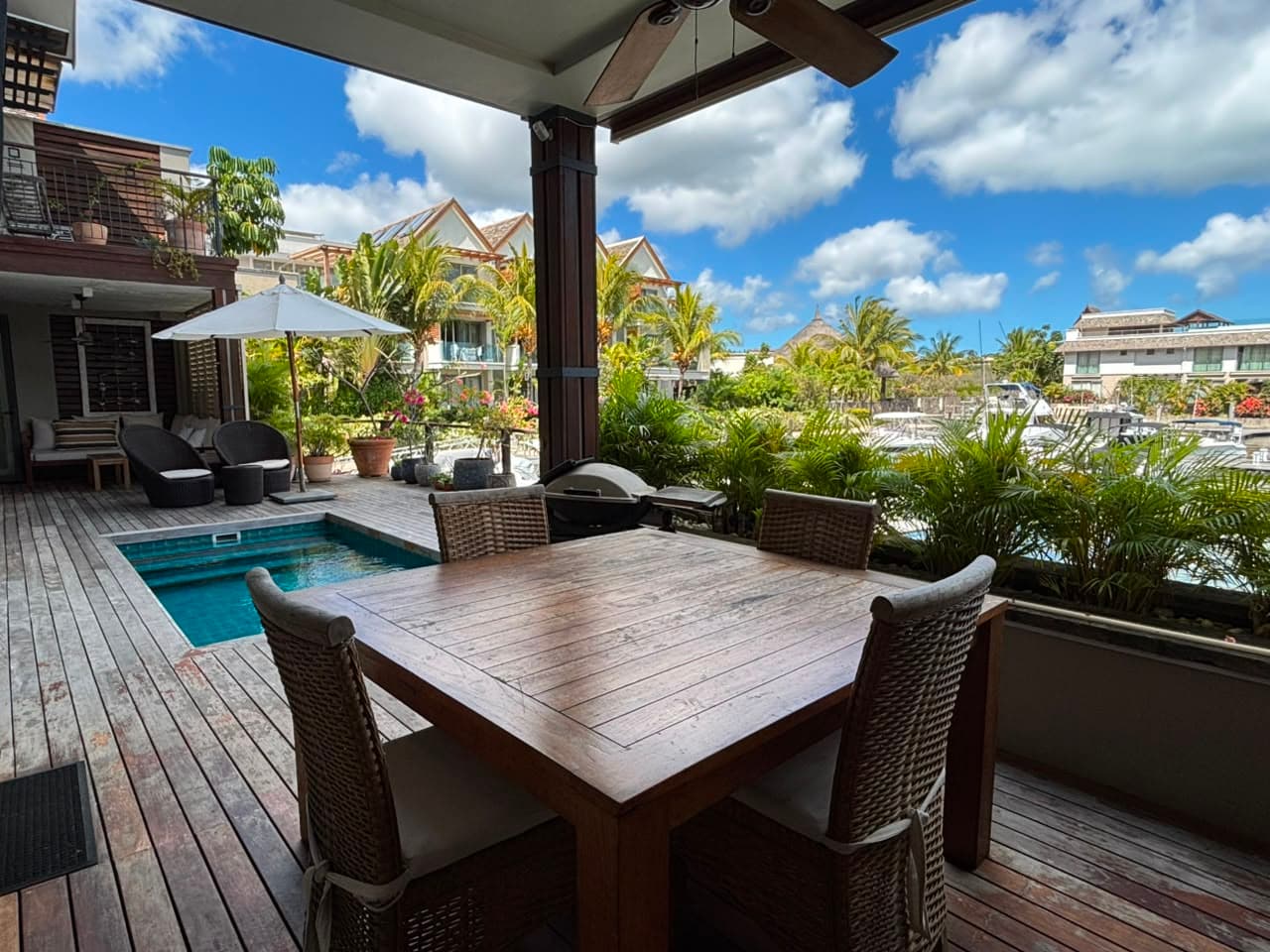
FOR RENTExpat
Rs450K/mo
Riviere Noire · West
Ultimate Marina Lifestyle – Luxury Waterfront Residence, Private Mooring & Boat
44


From Portuguese waypoint to French colony, British territory, and thriving independent republic, Mauritius has one of the most extraordinary histories in the Indian Ocean — and understanding it makes the island's unique culture, stability, and appeal to property investors all the more c…
Few islands in the world carry as layered and fascinating a story as Mauritius. Sitting alone in the southwest Indian Ocean, roughly 2,000 kilometres off the east coast of Madagascar, this small volcanic island has been shaped by explorers, traders, colonial powers, and waves of migration — each leaving an indelible mark on its culture, cuisine, architecture, and people. For expats and investors considering making Mauritius their home or their next strategic property investment, understanding this history adds a richness to island life that goes far beyond its turquoise lagoons.
Unlike many nations, Mauritius has no indigenous population. Arab sailors and Malay seafarers likely knew of the island from as early as the 10th century, and Portuguese navigators are generally credited with its European discovery around 1507, charting it as Ilha do Cirne. They chose not to settle, using it merely as a waypoint, and left behind only rats, pigs, and the first disruptions to a pristine ecosystem.
It was the Dutch who made the first serious attempt at colonisation in 1638, naming the island Mauritius after Prince Maurice van Nassau of the Dutch Republic. They introduced sugarcane — a crop that would define the island's economy for centuries — along with deer and, tragically, the hunting of the now-extinct dodo. After two failed settlement attempts, the Dutch abandoned Mauritius in 1710.
In 1715, the French East India Company claimed the island, renaming it Île de France. This period fundamentally shaped modern Mauritius. The French transformed the island into a thriving colony, establishing Port Louis as a strategic naval base and commercial hub. Under governors like Mahé de Labourdonnais, infrastructure was built, sugar plantations expanded, and enslaved Africans and Malagasy people were brought to the island in large numbers.
The French colonial period also gave Mauritius much of its enduring cultural character — the Creole language, the cuisine, the legal traditions rooted in the Code Napoléon, and the elegant colonial architecture that still graces parts of Port Louis and the island's rural districts. Properties influenced by this era, with their wide verandas, shuttered windows, and tropical gardens, remain among the most coveted on the island today.
Following Napoleon's defeat, the British seized Mauritius in 1810 under the Treaty of Paris (1814). Crucially, they agreed to respect French laws and customs — a pragmatic decision that preserved the island's Franco-Creole identity under a new British administrative framework.
The abolition of slavery in 1835 was one of the most transformative moments in Mauritian history. To replace the labour force on the sugar estates, the British introduced a system of indentured labour, bringing hundreds of thousands of workers primarily from the Indian subcontinent — Bihar, Madras, and Gujarat — as well as from China and other parts of Asia. By the late 19th century, people of Indian descent formed the majority of the population, a demographic reality that continues to shape Mauritian politics, religion, and daily life.
This extraordinary confluence of African, European, Indian, and Chinese heritage is precisely what makes Mauritius one of the world's most genuinely multicultural societies. Walking through a Mauritian market, you encounter Tamil temples beside Catholic churches beside mosques beside Chinese pagodas — a civilisational mosaic that surprises and delights newcomers.
Mauritius gained independence on 12th March 1968, becoming a republic within the Commonwealth in 1992. What followed was one of the most remarkable economic transformations in the developing world. From a mono-crop sugar economy, the government strategically diversified into textiles, financial services, tourism, and ICT, earning Mauritius its reputation as the Singapore of Africa.
Today, Mauritius consistently ranks as Africa's most competitive economy by the World Bank's Doing Business index and is renowned for its political stability, independent judiciary, and transparent regulatory environment. These are not trivial details for property investors — they are the foundations upon which a secure, long-term investment rests.
For expats relocating to Mauritius, history is not merely academic — it is lived. You see it in the 19th-century plantation houses of the north, the Chinese merchant shophouses of Port Louis' Chinatown, the Tamil fire-walking festivals, and the pirogue fishing boats at dawn. The island's past has created a present that is warm, tolerant, and genuinely welcoming to outsiders, a quality that has made it one of the most sought-after destinations for European expats seeking a second home or residency.
Whether you are drawn by the island's cultural depth, its natural beauty, or its robust framework for property ownership and residency through real estate investment, Mauritius rewards those who take the time to understand it.
Ready to make Mauritius your next chapter? PropertyFinder Mauritius connects discerning buyers and investors with the finest properties across the island — from luxury beachfront villas to contemporary smart residences. Explore our listings and let our expert team guide you home.
Hand-picked
Riviere Noire · West

Baie du Cap · South
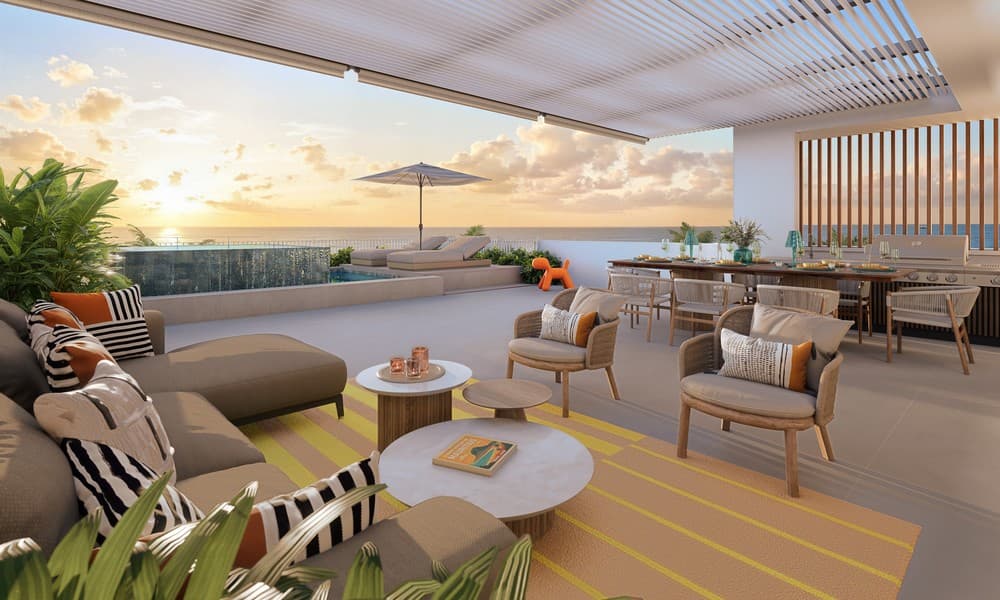
Tamarin · West

Baie du Cap · South
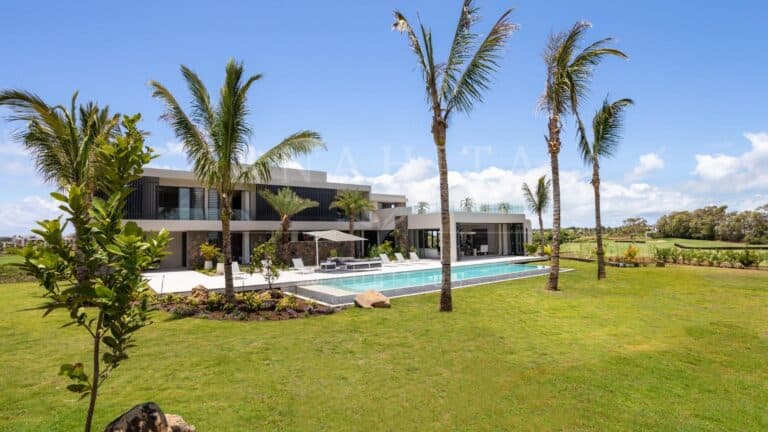
Beau Champ · East

Riviere Noire · West
Explore by region
Explore the site
Market updates, buying guidance and the best new listings, straight to your inbox.
Expats Support Services · 9 Oct 2025
Expats Support Services · 8 Oct 2025
With UK living costs continuing to rise in 2025, Mauritius offers British expats and investors a compelling financial alternative, from dramatically…
Expats Support Services · 8 Oct 2025
With record numbers of Brits leaving the UK in 2025 amid rising taxes and declining quality of life, Mauritius has emerged as the destination of…
Expats Support Services · 18 Jul 2024
Opening a bank account in Mauritius is an essential step for any expat relocating to the island or investing in property, but the process comes with…
Expats Support Services · 18 Jul 2024
Relocating to Mauritius with a pet is entirely possible, but it demands careful planning, strict documentation, and months of preparation. This…
Expats Support Services · 8 Feb 2023
South Africa is one of the closest and most convenient gateways to Mauritius, and with the right planning, a scouting trip for property investment…
Browse our current listings or speak to an agent.


