FOR RENTExpat
Rs450K/mo
Riviere Noire · West
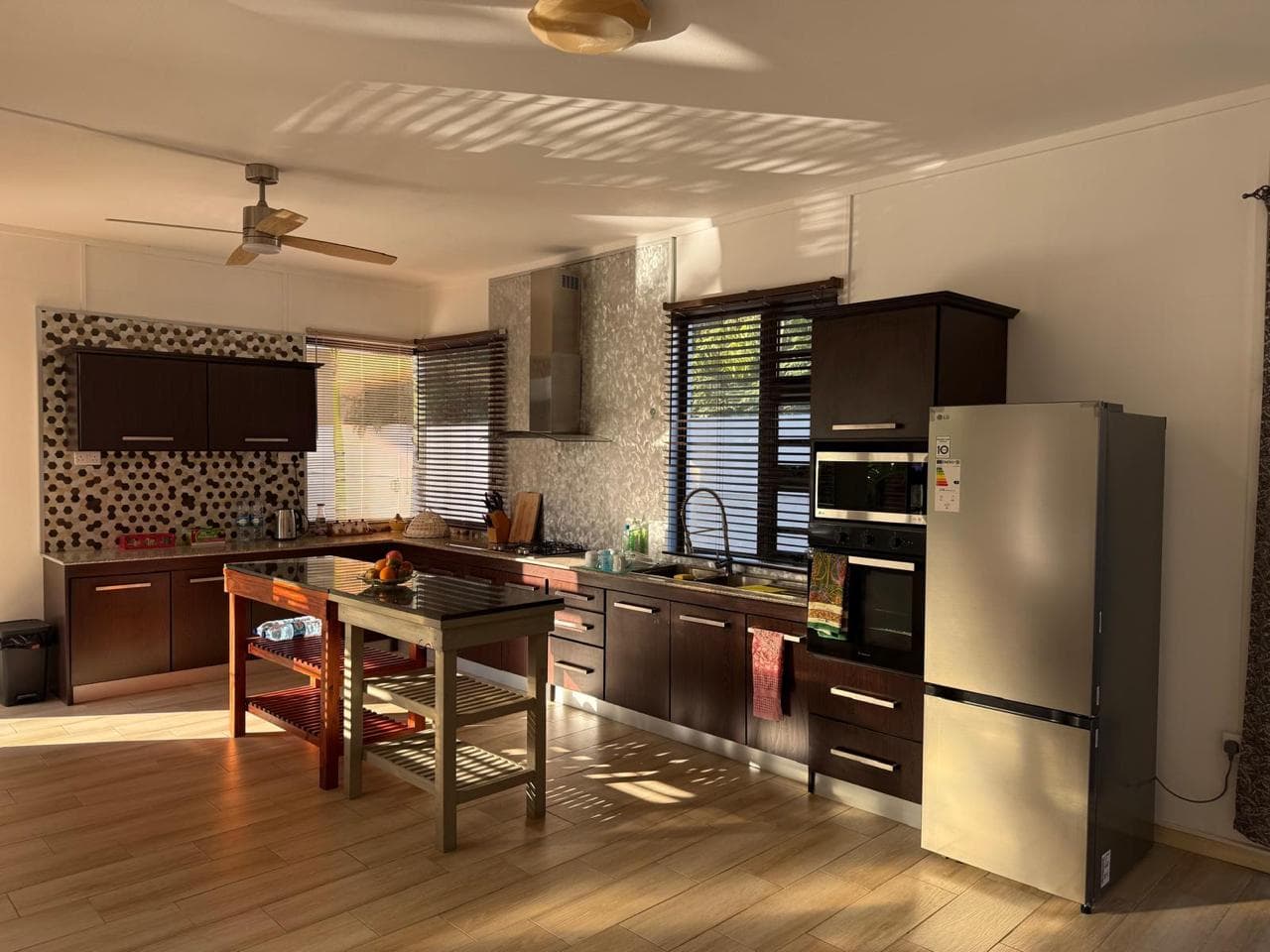
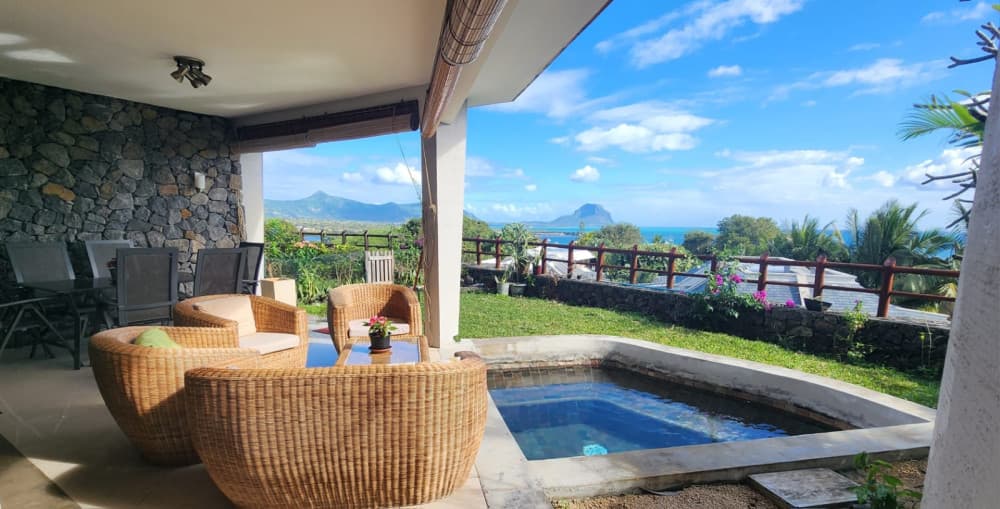
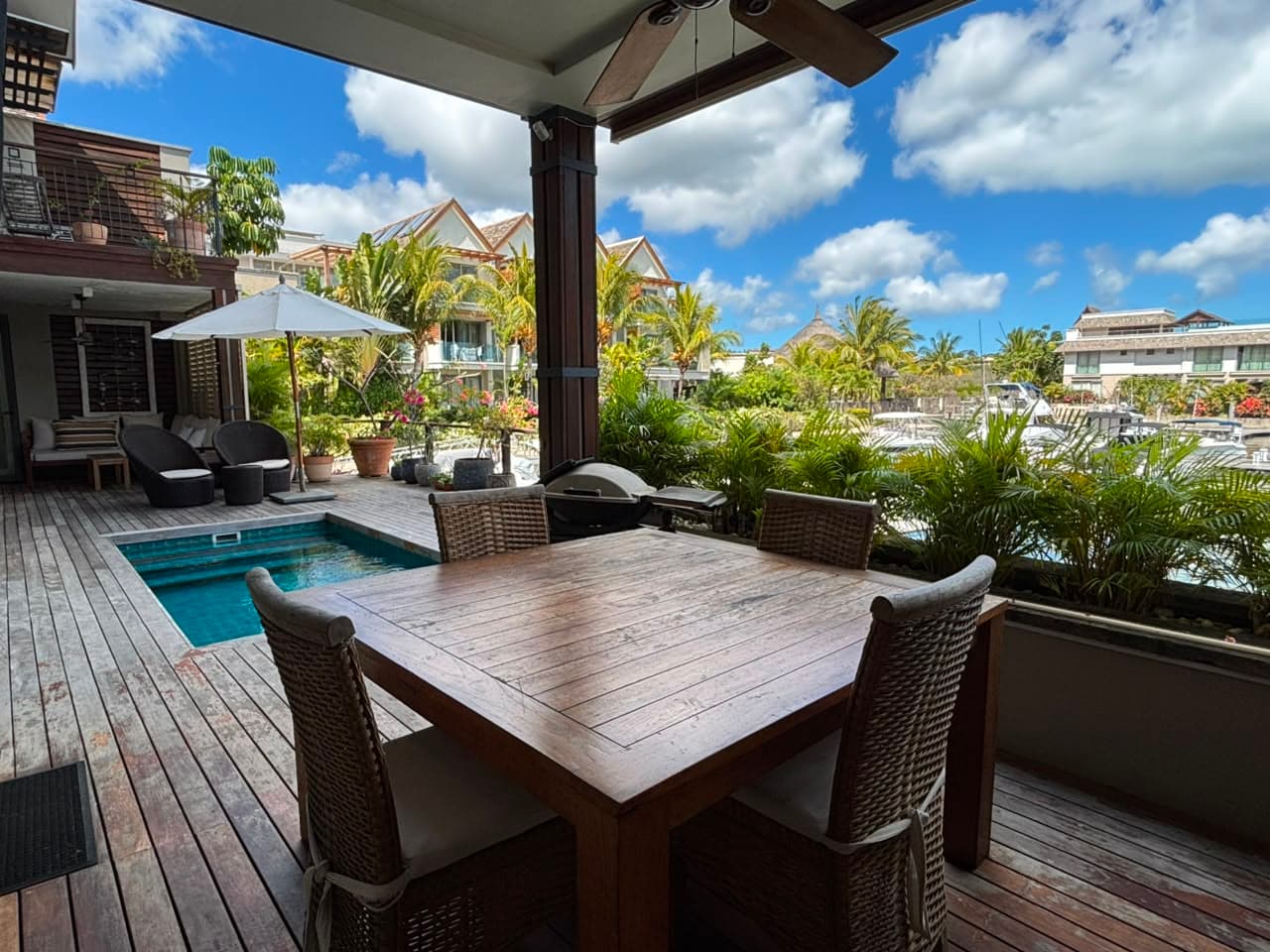
Ultimate Marina Lifestyle – Luxury Waterfront Residence, Private Mooring & Boat
44


Mauritius offers a transparent and well-regulated property market that welcomes foreign investors through government-approved schemes, favourable tax conditions, and clear land use frameworks. Understanding the rules around zoning, ownership rights, and development schemes is the key to…
Mauritius has long captured the imagination of European investors and expats — and for good reason. Beyond its turquoise lagoons and year-round sunshine lies a remarkably well-structured legal and regulatory framework that makes buying property here both accessible and secure. Whether you're considering a beachfront villa, a highland retreat, or a smart urban apartment, understanding how land use regulations work in Mauritius is essential before making your move.
Mauritius operates under a zoning system administered by local authorities and overseen by the Ministry of Housing and Land Use Planning. Land is broadly classified into residential, commercial, agricultural, and industrial zones, with additional designations for protected coastal areas and nature reserves.
Agricultural land, which historically dominated the island's landscape thanks to its sugar cane heritage, is subject to strict conversion controls. Converting agricultural land to residential or commercial use requires approval from the Ministry of Agro-Industry alongside local planning authorities — a process designed to balance development with environmental preservation.
Coastal zones carry some of the tightest restrictions on the island. The Beach Authority and the Ministry of the Environment jointly govern development within 30 metres of the high-water mark, meaning that truly beachfront construction is tightly controlled and, in many cases, prohibited for private development. This scarcity is precisely what makes existing beachfront properties so valuable.
Foreign nationals cannot purchase freehold land in Mauritius freely — this is an important distinction that often surprises first-time investors. However, the government has created several well-regulated investment schemes that make it entirely possible for non-citizens to acquire property with full ownership rights.
The most significant of these are the Integrated Resort Scheme (IRS), the Real Estate Scheme (RES), the Property Development Scheme (PDS), and the Smart City Scheme (SCS). These frameworks allow foreigners to buy residential property within approved developments, with purchases above USD 375,000 qualifying buyers for a Mauritius Occupation Permit — effectively granting residency rights alongside property ownership.
The PDS, which has largely replaced the older IRS and RES frameworks, is the most widely used scheme today. It covers a range of property types from luxury villas to apartments, and requires developers to incorporate social contributions such as community facilities or affordable housing within their projects — a thoughtful approach that integrates private investment with broader social benefit.
One of the most exciting regulatory developments in recent years has been the Smart City Scheme, introduced to transform large-scale urban developments into integrated live-work-play environments. Projects like Côte d'Or, Moka Smart City, and Riche Terre are reshaping how Mauritius thinks about urban living.
These developments blend residential properties with commercial offices, retail spaces, schools, and healthcare facilities — all within a single, planned urban ecosystem. For European expats accustomed to well-connected city infrastructure, Smart Cities offer a compelling proposition that goes well beyond a holiday home purchase.
Any significant development in Mauritius — particularly in sensitive coastal or agricultural zones — requires an Environmental Impact Assessment (EIA) approved by the Ministry of Environment. This process scrutinises a project's potential impact on biodiversity, water management, and community life before a single foundation is laid.
For buyers, this is actually reassuring news. Properties developed within approved schemes have already passed rigorous environmental and planning scrutiny, offering an additional layer of due diligence that protects your investment.
Mauritius reinforces its investment appeal through a highly competitive tax regime. There is no capital gains tax, no inheritance tax, and no withholding tax on dividends for most investors. Personal income tax is progressive, with rates from 0% to 35% depending on income, and the country has signed Double Taxation Avoidance Agreements with over 40 countries, including the UK, France, Germany, and Italy, making it particularly attractive to European investors managing cross-border finances.
For all its transparency, the Mauritian property market does require careful navigation. Engaging a qualified Notary (known locally as a notaire) is mandatory for all property transactions, and working with experienced local agents who understand both the legal framework and the nuances of each development scheme is invaluable.
From understanding building density restrictions in residential zones to knowing which developments qualify for residency permits, the details matter — and getting them right from the outset protects both your lifestyle vision and your financial interest.
Ready to explore property opportunities across Mauritius with confidence? At PropertyFinder Mauritius, we connect discerning buyers with the finest homes, developments, and land opportunities on the island. Browse our curated listings today and let our expert team guide you every step of the way.
Hand-picked
Riviere Noire · West

Baie du Cap · South

Tamarin · West
Baie du Cap · South
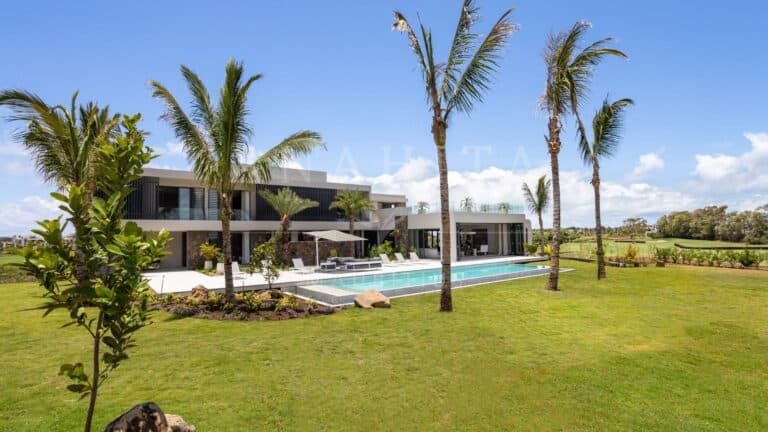
Beau Champ · East
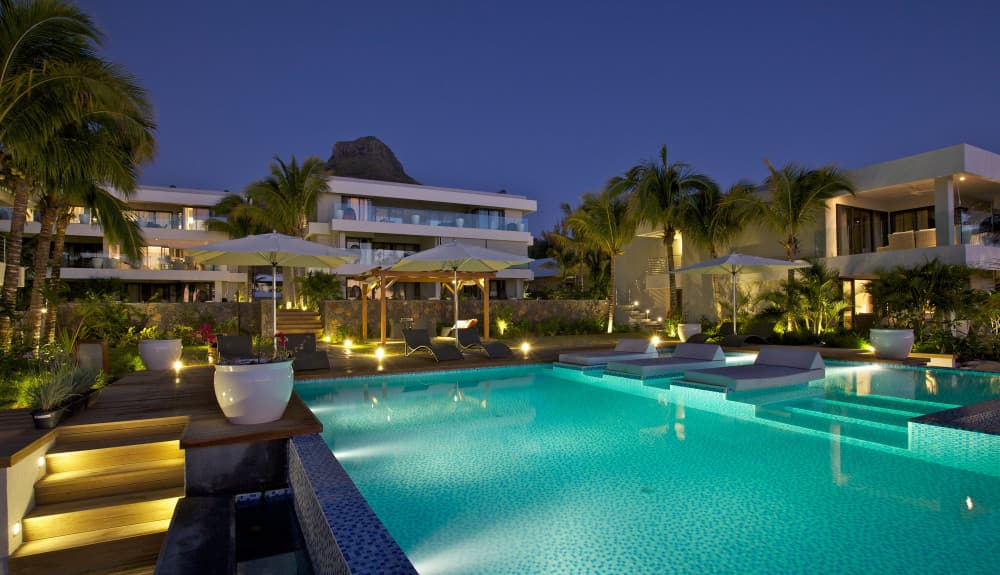
Riviere Noire · West
Explore by region
Explore the site
Market updates, buying guidance and the best new listings, straight to your inbox.
About Mauritius · 28 Aug 2024
Mauritius is one of the safest islands in the Indian Ocean, but that doesn't stop savvy expats from seeking out martial arts and self-defense…
About Mauritius · 26 Aug 2024
Mauritius may be a small island, but its bookshops and online literary scene offer a surprisingly rich experience for expats and book lovers calling…
About Mauritius · 23 Aug 2024
From the UNESCO-listed heights of Le Morne Brabant to the vibrant streets of Grand Baie and the wild interior of Black River Gorges, Mauritius…
About Mauritius · 22 Aug 2024
The Mauritian Wildlife Foundation has spent four decades rescuing the island's rarest species and restoring its native ecosystems — and for those…
About Mauritius · 21 Aug 2024
The brilliantly coloured Mauritius day gecko is far more than a garden curiosity — as a native pollinator, seed disperser, and natural pest…
About Mauritius · 13 Aug 2024
Off the southwestern tip of Mauritius, an extraordinary optical illusion makes the Indian Ocean appear to cascade into an endless abyss — and a…
Browse our current listings or speak to an agent.