FOR RENTExpat
Rs450K/mo
Riviere Noire · West
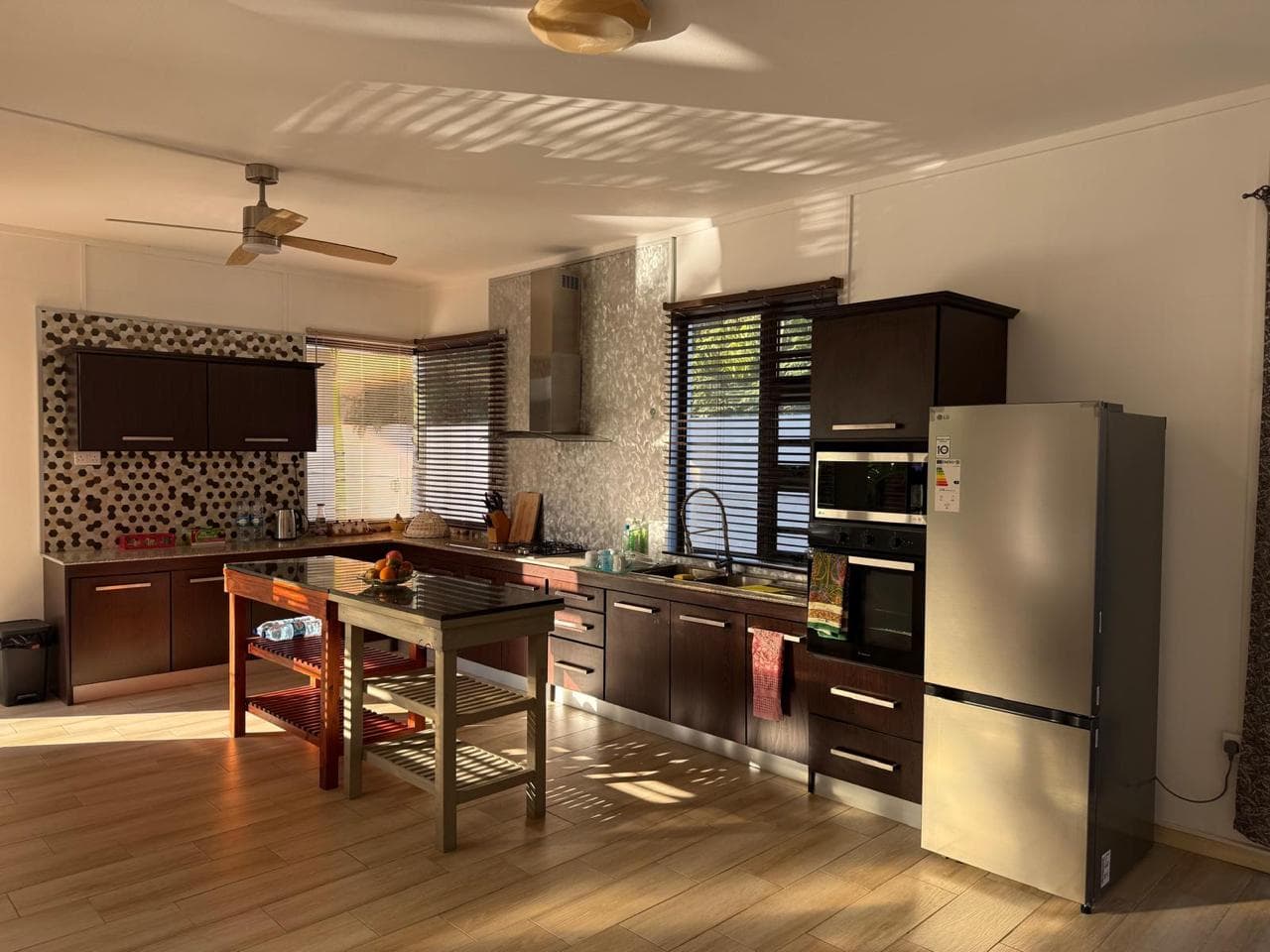
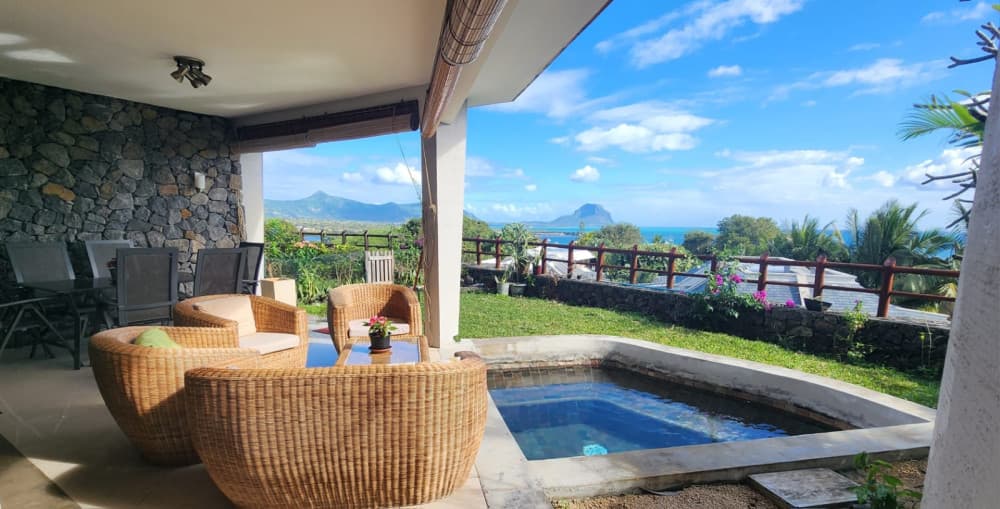
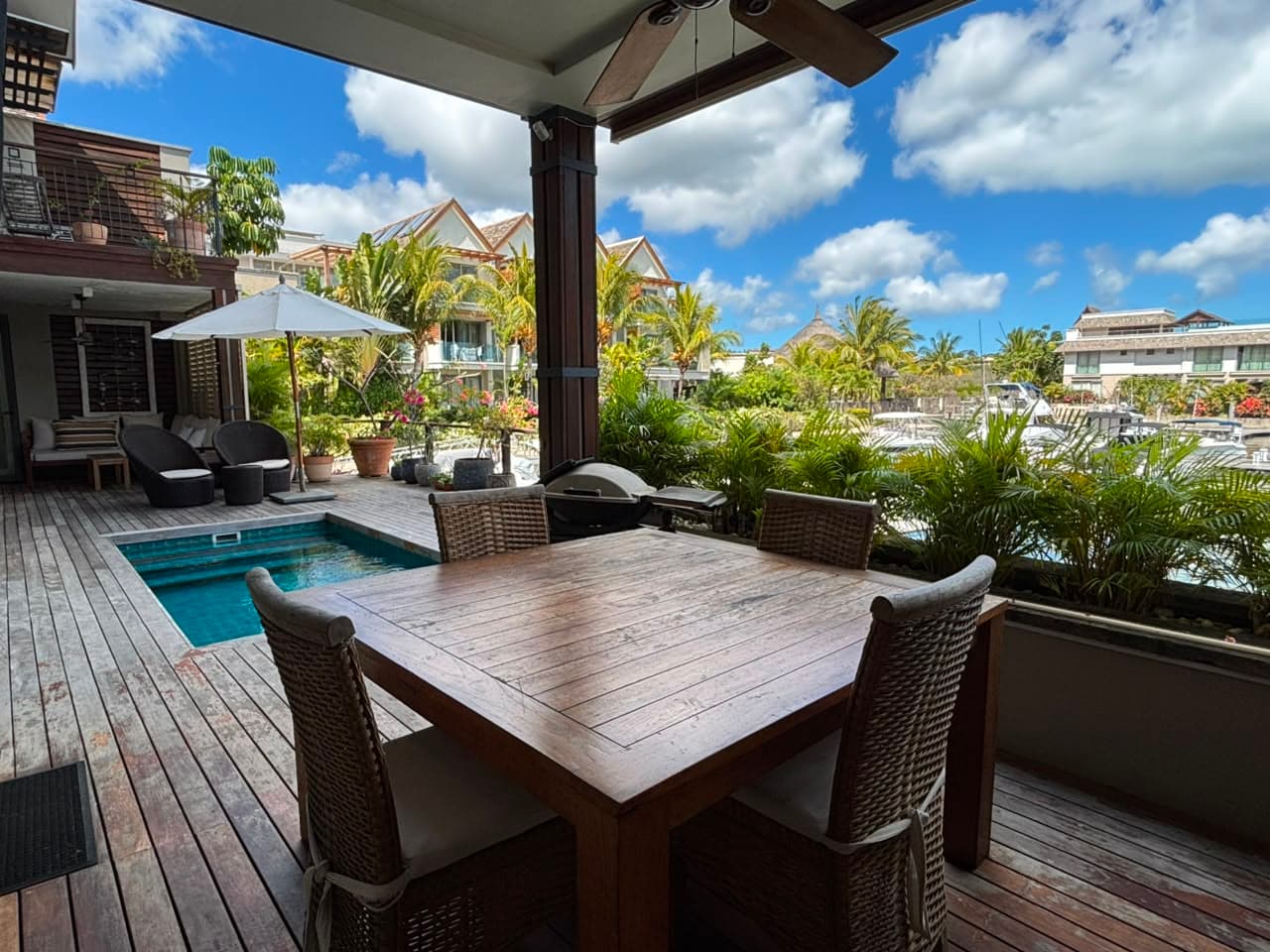
Ultimate Marina Lifestyle – Luxury Waterfront Residence, Private Mooring & Boat
44

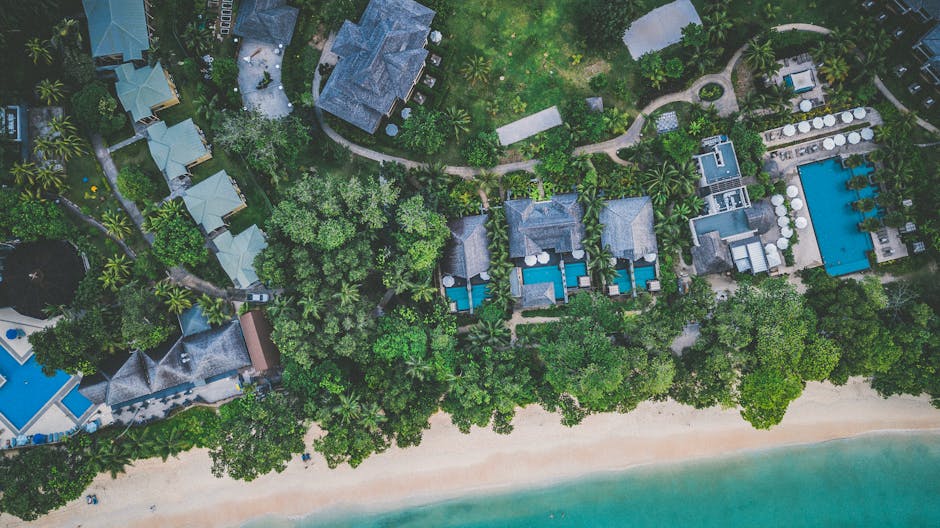
Buying property in Mauritius as a foreign national is entirely achievable — but it comes with a specific legal framework and tax structure that every investor needs to understand before proceeding. This guide breaks down the approved purchase schemes, notary process, taxes, and residenc…
Mauritius has long captivated European and British investors with its azure lagoons, stable democracy, and increasingly sophisticated real estate market. But beneath the postcard-perfect surface lies a structured legal and fiscal framework that every serious buyer must understand before signing on the dotted line. The good news? Once you know the rules, buying property in Mauritius is genuinely accessible — and remarkably rewarding.
Foreign nationals cannot freely purchase any property on the island. Instead, non-citizens are permitted to acquire real estate through a number of government-approved investment schemes, each designed to attract quality foreign investment while protecting local land ownership.
The primary schemes available to foreign buyers include:
Each scheme has its own minimum investment thresholds and eligibility requirements, so it is essential to confirm which scheme governs any property you are considering.
In Mauritius, property transactions are conducted under a civil law system inherited from French Napoleonic code — which will feel familiar to French or Belgian buyers but may surprise British purchasers accustomed to solicitors and contracts exchanged between parties.
All property sales must be formalised before a Notary Public (Notaire), a legally appointed officer who drafts the Deed of Sale (Acte de Vente) and registers the transaction with the Registrar-General. The notary acts as a neutral party and is responsible for verifying title, ensuring the property is free of encumbrances, and confirming the legality of the transaction. While you may also appoint your own independent legal counsel — which is strongly recommended — the notary's role is non-negotiable.
Before the final deed is signed, both parties typically enter into a Preliminary Agreement (Contrat Préliminaire de Vente), commonly accompanied by a deposit of around 10% of the purchase price.
One of Mauritius's most compelling advantages is its clean, low-tax environment — and property transactions are no exception.
Registration Duty is payable by the buyer and is currently set at 5% of the purchase price for properties acquired under the approved foreign investment schemes. This is considerably lower than stamp duty rates in the UK or much of Europe.
Additionally, buyers should budget for:
There is no inheritance tax, no capital gains tax, and no wealth tax in Mauritius — a significant draw for long-term investors and those planning intergenerational wealth transfer.
A major incentive for foreign buyers is that purchasing property through an approved scheme at a minimum value of USD 375,000 automatically qualifies you for a Mauritian Residence Permit. This permit is valid for the duration of your property ownership and can be extended to your spouse and dependants — making it an attractive pathway for those considering a permanent or semi-permanent lifestyle move.
Mauritius also has double taxation agreements (DTAs) with a number of countries including France, the UK, Germany, and South Africa, which helps prevent investors from being taxed twice on rental income or capital returns.
If you intend to let your property, rental income derived in Mauritius is subject to income tax at progressive rates, 0% up to MUR 500,000, 10% up to MUR 1,000,000, 20% up to MUR 12,000,000 and 35% above that, still one of the more competitive regimes in the world. Non-residents who earn rental income must register with the Mauritius Revenue Authority (MRA) and file annual returns accordingly.
Under certain PDS developments, properties are managed by on-site operators and rental programmes are offered as part of the scheme — providing a hands-off investment option for overseas owners.
While Mauritius offers a transparent and investor-friendly environment, thorough due diligence remains essential. Always verify that the development is registered under an approved scheme with the Economic Development Board (EDB), confirm the developer's track record, and ensure the title deed is clean and unencumbered before committing funds.
Navigating the legal and tax landscape of Mauritian property doesn't need to be daunting — but it does require the right guidance from the outset. At PropertyFinder Mauritius, we connect discerning buyers with verified listings across the island's most prestigious developments, alongside trusted legal and financial professionals who specialise in foreign acquisitions. Browse our curated portfolio today and take your first step towards owning a piece of this extraordinary island.
Hand-picked
Riviere Noire · West

Baie du Cap · South

Tamarin · West

Baie du Cap · South
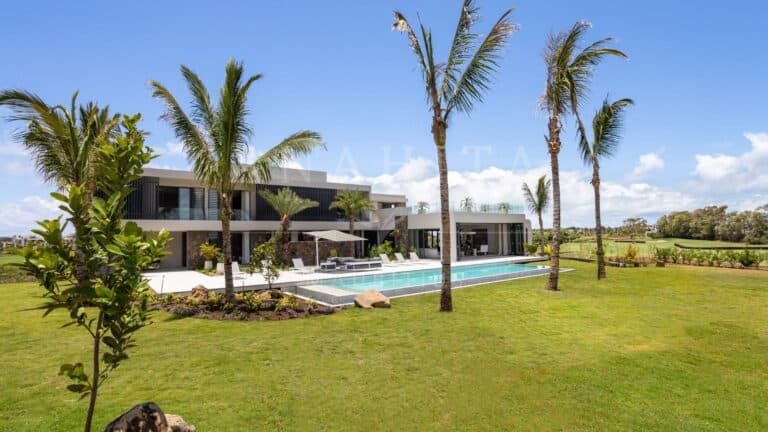
Beau Champ · East
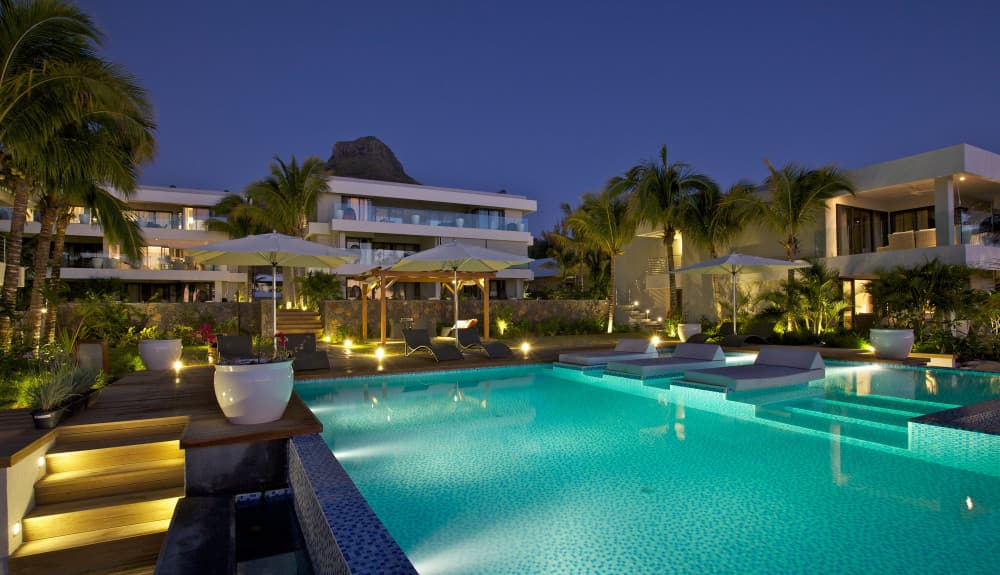
Riviere Noire · West
Explore by region
Explore the site
Market updates, buying guidance and the best new listings, straight to your inbox.
Buying a Property · 29 Jul 2026
Who can buy, the PDS and Smart City schemes, residence permits, the buying process step by step, costs, financing and tax for foreign buyers.
Buying a Property · 19 Aug 2024
Harmonie Golf Estate on Mauritius's scenic west coast offers a rare opportunity to invest in sustainably designed luxury villas within an…
Buying a Property · 9 Aug 2024
Mauritius has evolved well beyond its reputation as a holiday destination — today it offers British and European investors a rare combination of…
Buying a Property · 8 Aug 2024
Mauritius is fast becoming one of the Indian Ocean's most attractive destinations for rental property investment, offering foreign buyers political…
Buying a Property · 29 Jul 2024
Eco Savannah is one of Mauritius's most compelling residential developments, blending sustainable architecture with luxury villa living in the…
Buying a Property · 22 Jul 2024
Les Salines in Black River, a Beachcomber resort, offers branded apartments to foreign buyers under approved schemes. Here is what to verify.
Browse our current listings or speak to an agent.