FOR RENTExpat
Rs450K/mo
Riviere Noire · West
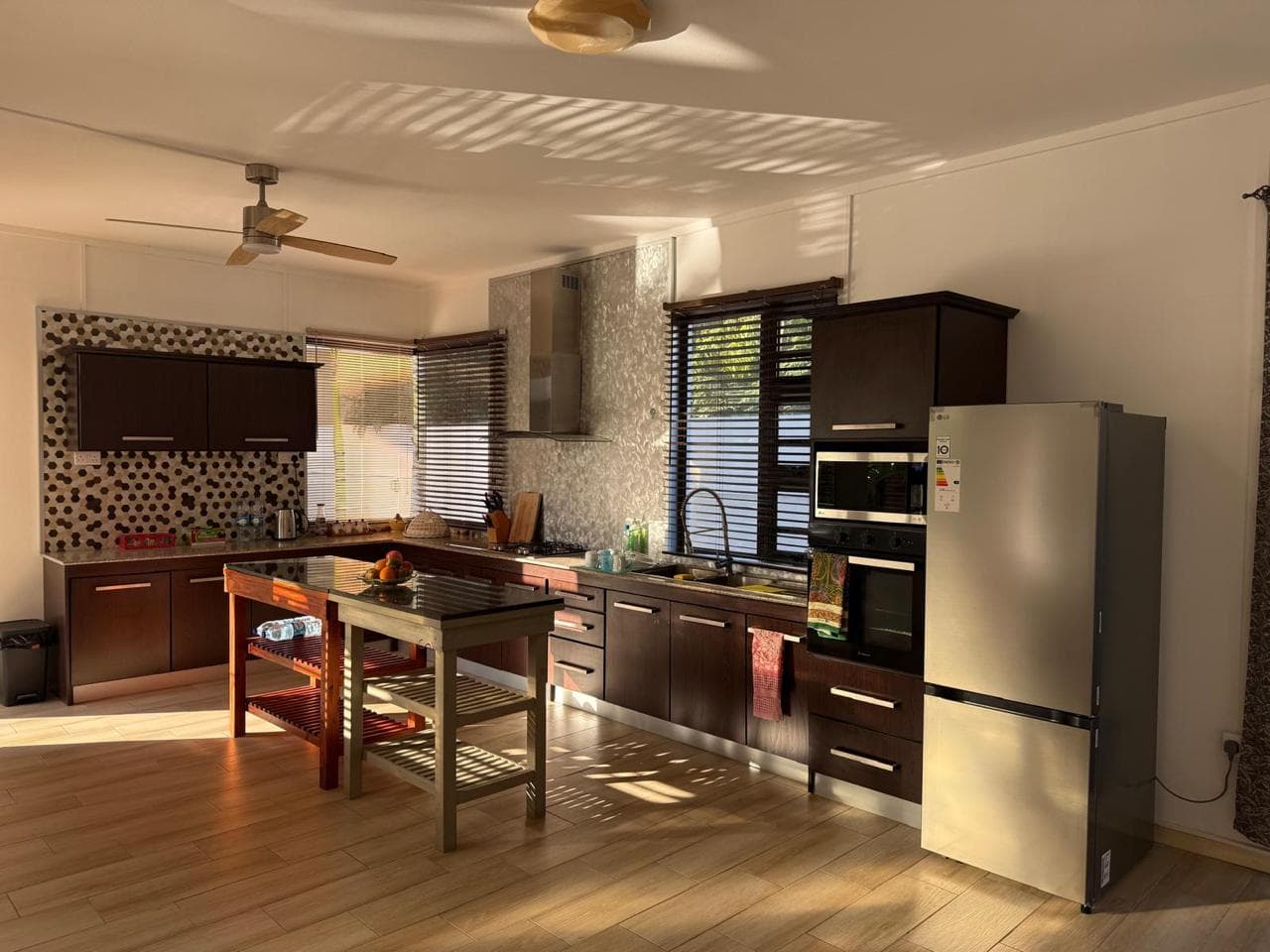
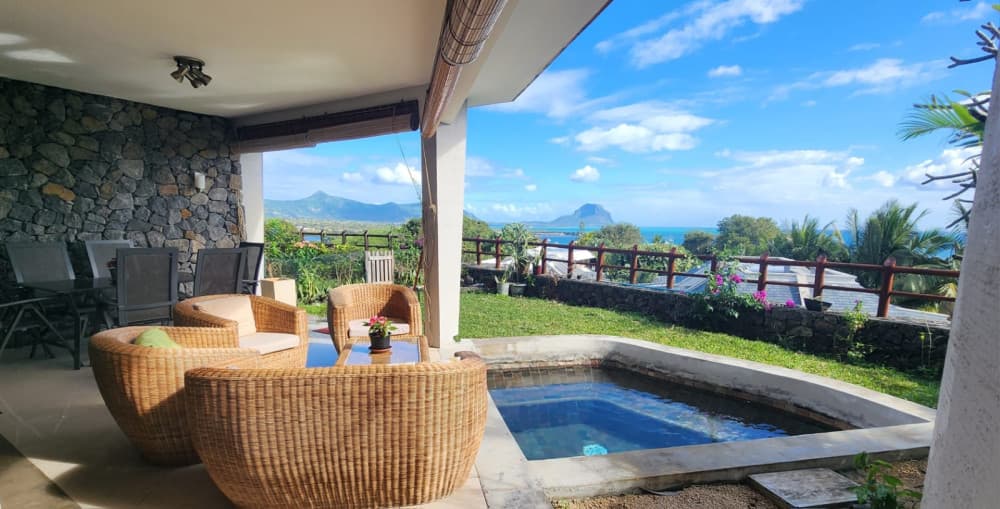
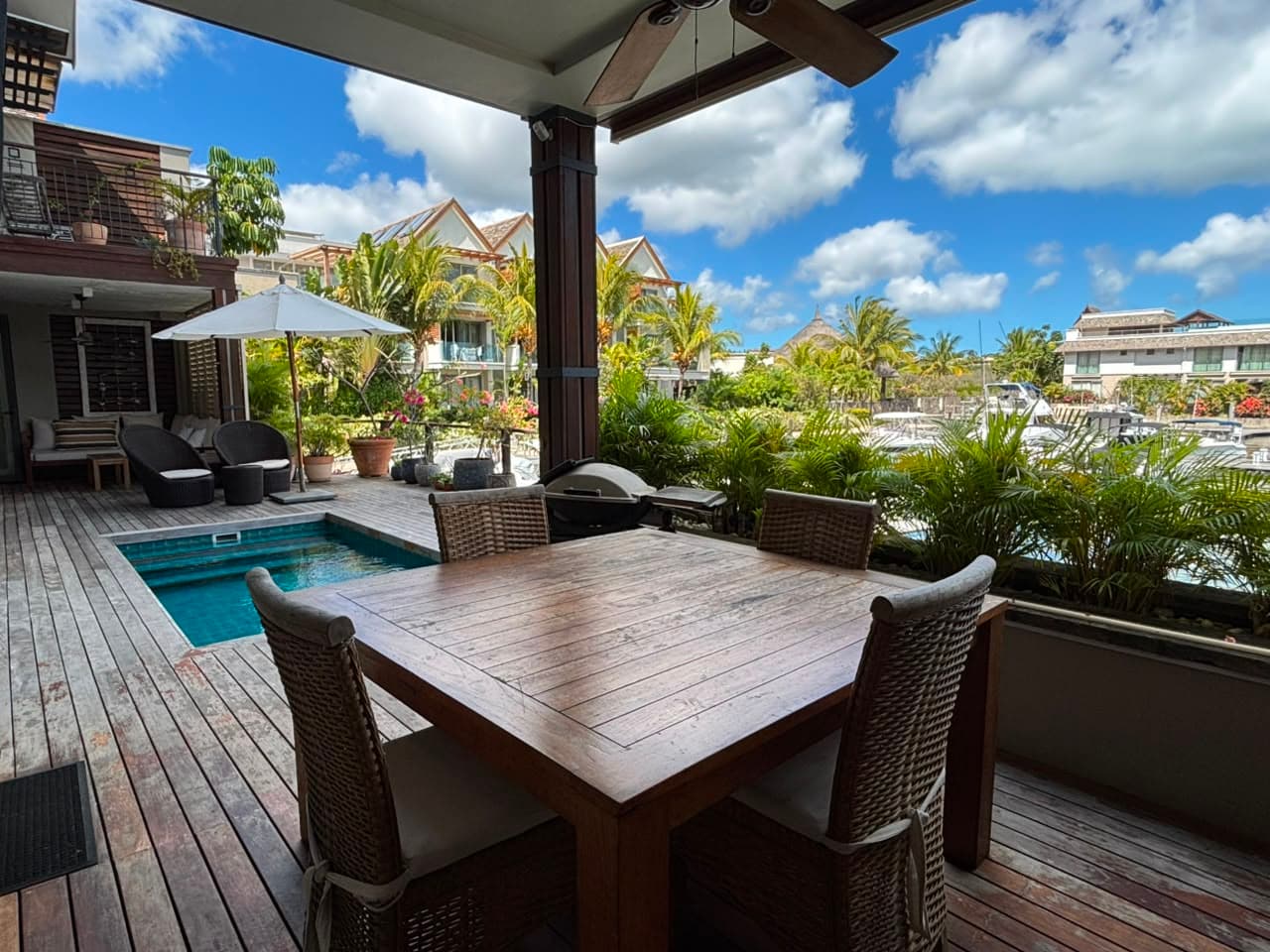
Ultimate Marina Lifestyle – Luxury Waterfront Residence, Private Mooring & Boat
44

Mauritian cuisine is a vivid reflection of the island's multicultural heritage, blending Creole, Indian, Chinese, and French influences into a food culture that is as rich and layered as the island itself. From roadside dholl puri vendors to luxury villa cooking classes, this guide expl…
Few things reveal the soul of a place quite like its food. In Mauritius, every meal tells a story — of Indian indentured labourers who brought their spices, of French colonists who refined their sauces on a tropical island, of Chinese traders who added wok-fire and umami, and of African Creole traditions that tied it all together. The result is one of the most extraordinary culinary landscapes in the world, and for expats and investors who choose to make Mauritius home, discovering this food culture is one of the great privileges of island life.
Mauritian cuisine defies easy categorisation, and that is precisely what makes it so compelling. Creole cooking forms the backbone of everyday eating — a style characterised by slow-cooked stews, fragrant curries, and the liberal use of thyme, coriander, and chilli. Rougaille, a tomato-based sauce simmered with garlic, ginger, and salted fish or sausage, is arguably the most emblematic Creole dish and appears on family tables across the island every week.
The Indian influence is equally profound. Mauritius has a significant Hindu and Muslim community, and their culinary contributions — biryani, dholl puri (a flatbread filled with split yellow peas and served with chutneys and curry), and briyani rice layered with slow-braised meat and saffron — are woven into the national diet. Dholl puri, in particular, is the island's unofficial street food. You will find vendors rolling them fresh beside the road in Quatre Bornes and Flacq, and eating one standing up in the afternoon sun is as authentically Mauritian an experience as watching the sun dip behind Le Morne.
The Chinese community, though smaller in number, introduced dishes like mine frite (fried noodles), bol renversé (an inverted bowl of rice, vegetables, and egg), and an entire culture of dim sum that remains hugely popular on Sunday mornings. French influence, meanwhile, lives on in the island's love of good bread, fine dining, and the elegant preparation of seafood.
Cooking Mauritian food means becoming acquainted with a specific pantry. Piment cabri (a small, intensely hot chilli) delivers the characteristic heat in most dishes. Saffron powder — actually turmeric — gives curries their golden hue. Tamarind, curry leaves, cardamom, and fenugreek appear constantly. Fresh seafood is abundant: capitaine (golden snapper), bourgeois (red snapper), camarons (giant freshwater prawns), and octopus vinaigrette are staples that benefit enormously from being sourced within hours of the catch.
For homeowners with a kitchen garden — and many villas in Mauritius are designed with exactly this in mind — growing your own lemongrass, moringa, and chilli is both practical and deeply satisfying. Properties in the Grand Baie and Black River areas, in particular, often feature spacious outdoor kitchens and herb gardens that encourage residents to cook with the seasons.
For expats looking to immerse themselves more deeply, Mauritian cooking classes offer an intimate way into local culture. Several excellent options exist across the island:
Many luxury villa rentals and residential properties also offer concierge cooking experiences, where a local chef visits your home to teach recipes using ingredients sourced that morning from the nearest market. It is the kind of lifestyle detail that makes long-term living in Mauritius feel genuinely enriching rather than merely comfortable.
Port Louis Central Market remains the best single introduction to Mauritian food culture — a sensory maze of spice stalls, fresh produce, street food vendors, and snack counters serving gateaux piment (fried chilli cakes) for a few rupees. On the restaurant side, Château Bel Ombre, The Nook in Tamarin, and Symon's Restaurant in Grand Baie each represent different registers of Mauritian dining excellence, from heritage estate cuisine to relaxed beach-town bistros.
For residents, proximity to this kind of culinary richness is not a small thing. It contributes meaningfully to quality of life, shapes social rituals, and deepens the sense of belonging that transforms a property investment into a genuine home.
Food is just one dimension of what makes Mauritius such an exceptional place to live and invest. Whether you are searching for a beachfront villa, a hillside retreat, or a smart apartment in a thriving coastal community, PropertyFinder Mauritius can help you find a property that places you right at the heart of island life. Browse our curated listings today and take the first step towards making Mauritius your home.
Hand-picked
Riviere Noire · West

Baie du Cap · South
Tamarin · West

Baie du Cap · South
Beau Champ · East
Riviere Noire · West
Explore by region
Explore the site
Market updates, buying guidance and the best new listings, straight to your inbox.
About Mauritius · 28 Aug 2024
Mauritius is one of the safest islands in the Indian Ocean, but that doesn't stop savvy expats from seeking out martial arts and self-defense…
About Mauritius · 26 Aug 2024
Mauritius may be a small island, but its bookshops and online literary scene offer a surprisingly rich experience for expats and book lovers calling…
About Mauritius · 23 Aug 2024
From the UNESCO-listed heights of Le Morne Brabant to the vibrant streets of Grand Baie and the wild interior of Black River Gorges, Mauritius…
About Mauritius · 22 Aug 2024
The Mauritian Wildlife Foundation has spent four decades rescuing the island's rarest species and restoring its native ecosystems — and for those…
About Mauritius · 21 Aug 2024
The brilliantly coloured Mauritius day gecko is far more than a garden curiosity — as a native pollinator, seed disperser, and natural pest…
About Mauritius · 13 Aug 2024
Off the southwestern tip of Mauritius, an extraordinary optical illusion makes the Indian Ocean appear to cascade into an endless abyss — and a…
Browse our current listings or speak to an agent.