FOR RENTExpat
Rs450K/mo
Riviere Noire · West
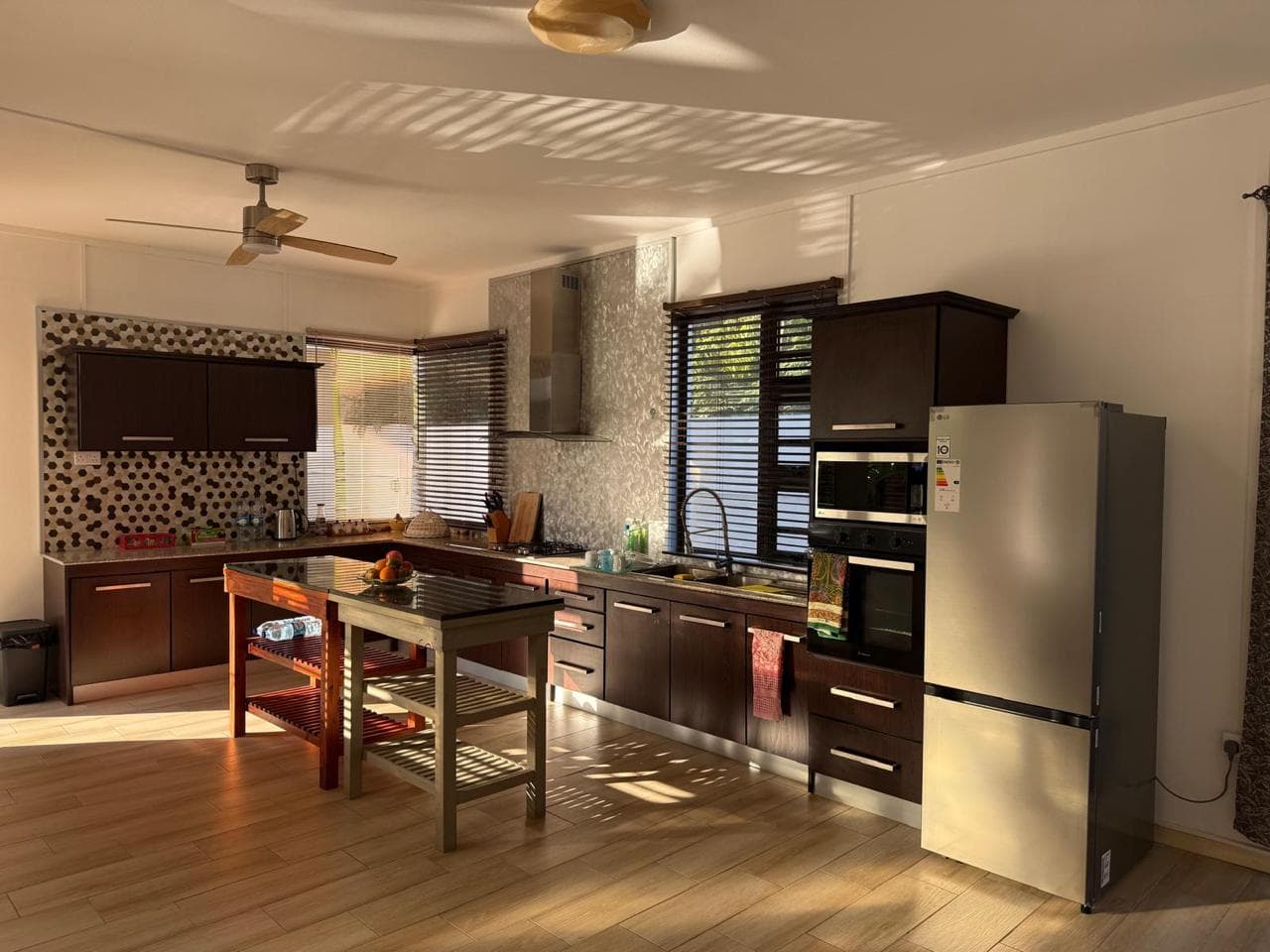
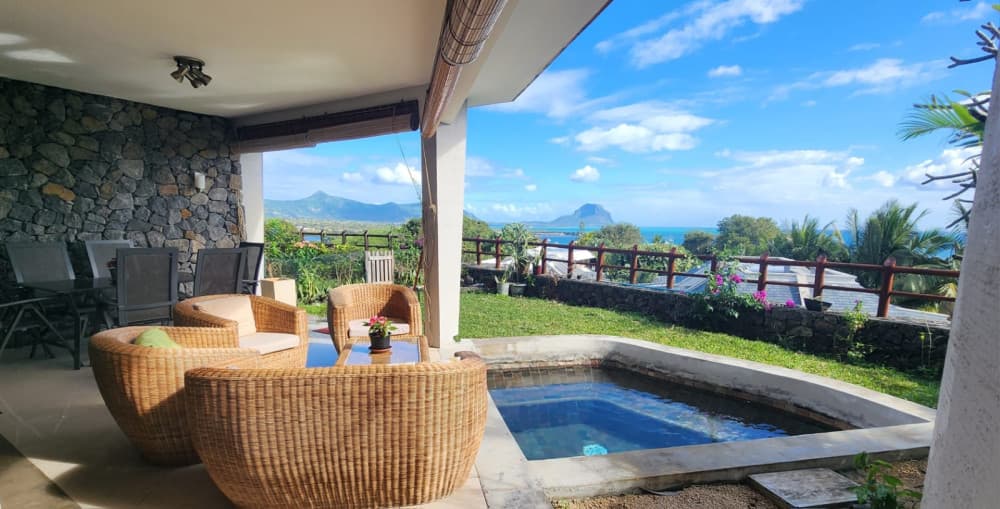
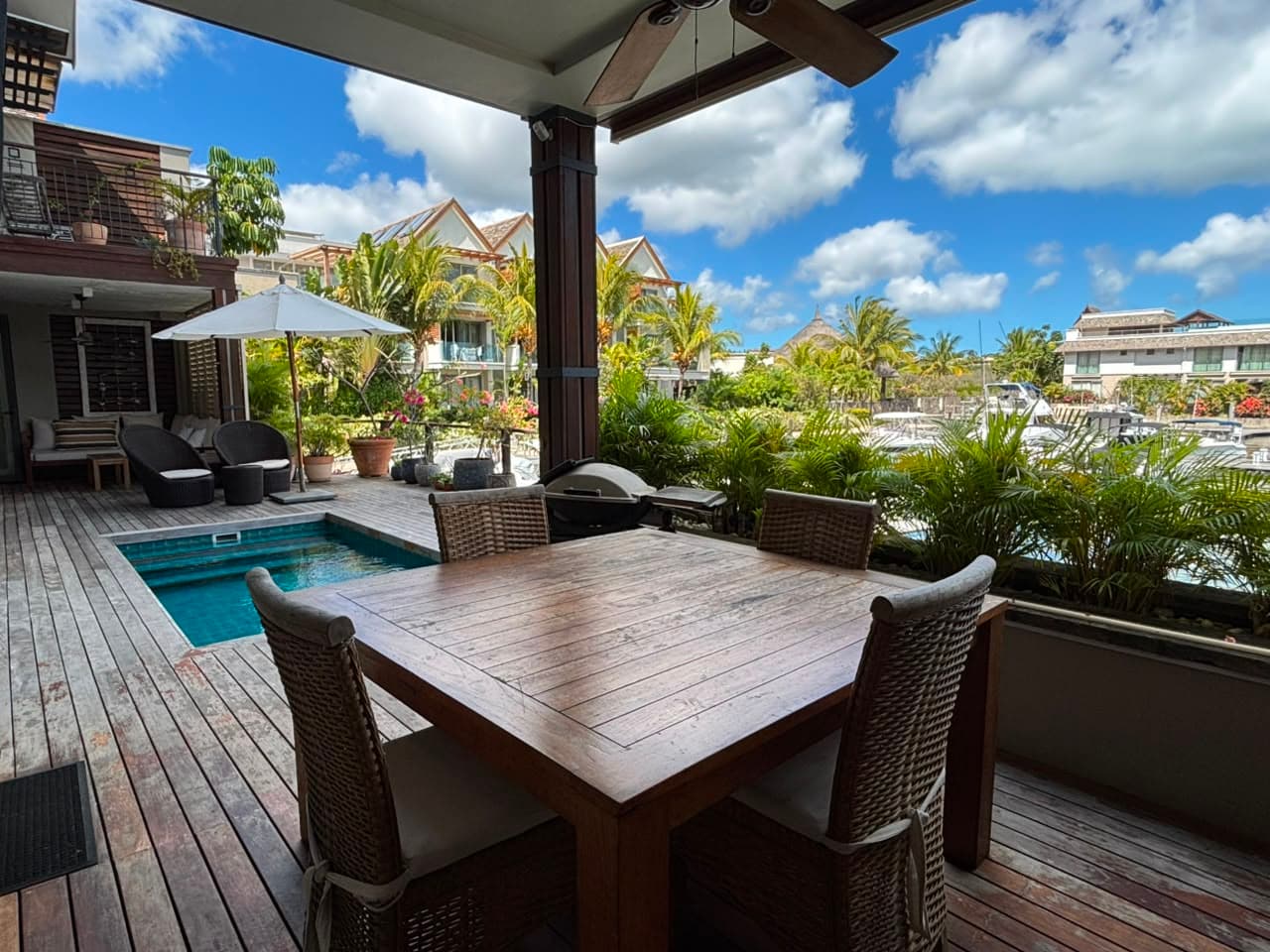
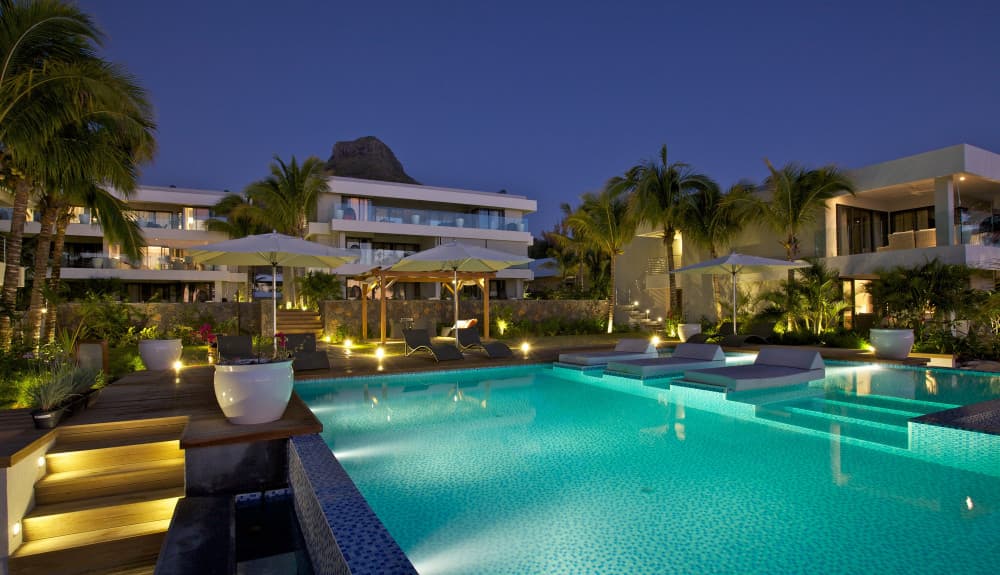
Ultimate Marina Lifestyle – Luxury Waterfront Residence, Private Mooring & Boat
44


South Africa is one of the closest and most convenient gateways to Mauritius, and with the right planning, a scouting trip for property investment or relocation doesn't have to break the bank. This step-by-step guide covers flights, accommodation, transport, and practical tips to help y…
Mauritius sits just under four hours from Johannesburg by air, making it one of the most accessible island escapes — and serious relocation destinations — for South Africans. Whether you're visiting to scout property investment opportunities, explore residency options, or simply experience what the fuss is about, getting there affordably is entirely achievable with the right planning. Here's how to do it without overspending before you've even landed.
The most direct route from South Africa to Mauritius is Johannesburg O.R. Tambo International (JNB) to Sir Seewoosagur Ramgoolam International Airport (MRU) in Plaisance. Both Air Mauritius and FlySafair operate this corridor regularly, with return fares ranging from roughly ZAR 6,000 to ZAR 12,000 depending on the season and how far in advance you book.
The golden rule: book at least six to eight weeks ahead. Travel between June and August or over South African school holidays (April, September, December) will push prices up significantly. For the best value, aim for travel in February, March, or October, which sit neatly outside peak demand windows and often offer cleaner weather on the island.
Setting up Google Flights price alerts for the JNB–MRU route is one of the simplest ways to catch a fare drop without obsessively checking.
South African passport holders do not require a visa to enter Mauritius for stays of up to 90 days — a significant administrative convenience. However, you will need to show proof of onward travel, sufficient funds, and accommodation bookings at the border. If your trip has a property-viewing or relocation purpose, carry supporting documentation from any agency or developer you're meeting.
For those seriously considering long-term residence, this trip is an ideal opportunity to gather first-hand information about the Premium Visa, the Occupation Permit, or the Permanent Residence Permit, all of which open pathways to living and working in Mauritius legally and comfortably.
Mauritius has a reputation for five-star excess, but there is a thriving mid-range accommodation sector that most first-time visitors overlook. Guesthouses in Tamarin, Grand Baie, and Flic en Flac offer clean, well-located rooms from ZAR 800–1,500 per night, often with kitchen access that allows you to self-cater and cut meal costs dramatically.
Alternatively, short-term rentals through platforms like Airbnb give you a taste of genuine residential life on the island — staying in a villa or apartment in a real neighbourhood rather than a resort bubble. This is particularly valuable if you're exploring the idea of buying or renting property in Mauritius, as it lets you road-test specific areas before committing.
Renting a small car is hands-down the most cost-effective way to explore the island independently. Local operators often offer better rates than international chains — expect to pay in the region of MUR 900–1,400 per day (approximately ZAR 350–550) for a compact vehicle. Driving is on the left, roads are generally well-maintained in the main corridors, and distances are short — the island takes roughly two hours to cross from north to south.
For property viewings across multiple regions such as Grand Baie in the north, Tamarin on the west coast, and Blue Bay in the south, having your own transport is essentially non-negotiable.
A focused five-to-seven-day trip is enough to visit multiple regions, attend property viewings, meet with a relocation lawyer or financial advisor, and still enjoy a beach or two. Structure your days with purpose: mornings for meetings and property tours, afternoons for exploring the neighbourhood lifestyle — the local market in Mahébourg, sunset at La Preneuse, or a drive through the Black River Gorges.
Food costs are reasonable if you eat where locals eat. A meal at a Creole table d'hôte or a roadside dholl puri vendor will cost a fraction of a resort restaurant and offer a far more authentic experience of island culture.
The Mauritian Rupee (MUR) is the local currency. South Africans benefit from a reasonably favourable exchange rate — check live rates before departure and consider carrying a small amount of USD as a backup. Major credit and debit cards are widely accepted in hotels, restaurants, and larger shops, but rural areas and markets operate predominantly in cash.
Avoid airport currency exchange desks; local banks and ATMs in Grand Baie or Port Louis typically offer significantly better rates.
A well-planned trip to Mauritius from South Africa doesn't need to be expensive — and it may turn out to be one of the most consequential journeys you take. The island's combination of political stability, favourable tax environment, and exceptional quality of life makes it a compelling destination not just for a holiday, but for a permanent lifestyle shift.
Thinking about making Mauritius more than a holiday destination? Explore curated property listings, investment guides, and relocation resources at PropertyFinder Mauritius — your trusted partner in finding the perfect home on the island.
Hand-picked
Riviere Noire · West

Baie du Cap · South

Tamarin · West

Baie du Cap · South
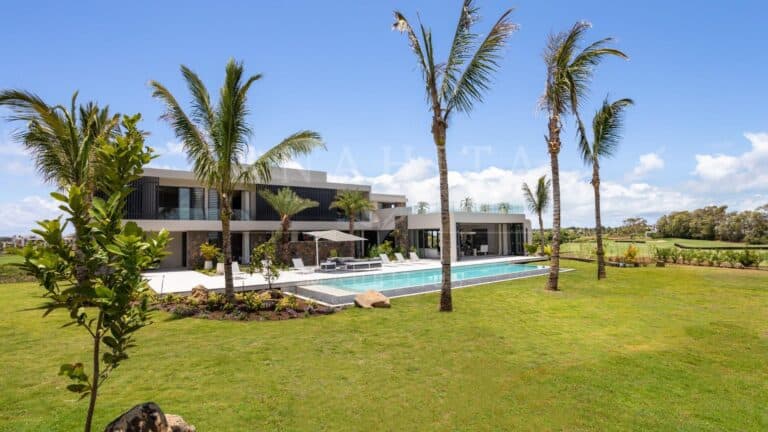
Beau Champ · East
Riviere Noire · West
Explore by region
Explore the site
Market updates, buying guidance and the best new listings, straight to your inbox.
Expats Support Services · 9 Oct 2025
Expats Support Services · 8 Oct 2025
With UK living costs continuing to rise in 2025, Mauritius offers British expats and investors a compelling financial alternative, from dramatically…
Expats Support Services · 8 Oct 2025
With record numbers of Brits leaving the UK in 2025 amid rising taxes and declining quality of life, Mauritius has emerged as the destination of…
Expats Support Services · 18 Jul 2024
Opening a bank account in Mauritius is an essential step for any expat relocating to the island or investing in property, but the process comes with…
Expats Support Services · 18 Jul 2024
Relocating to Mauritius with a pet is entirely possible, but it demands careful planning, strict documentation, and months of preparation. This…
Expats Support Services · 16 Jan 2023
Mauritius has become one of the most sought-after retirement destinations for South Africans, offering a compelling combination of tax efficiency,…
Browse our current listings or speak to an agent.