FOR RENTExpat
Rs450K/mo
Riviere Noire · West
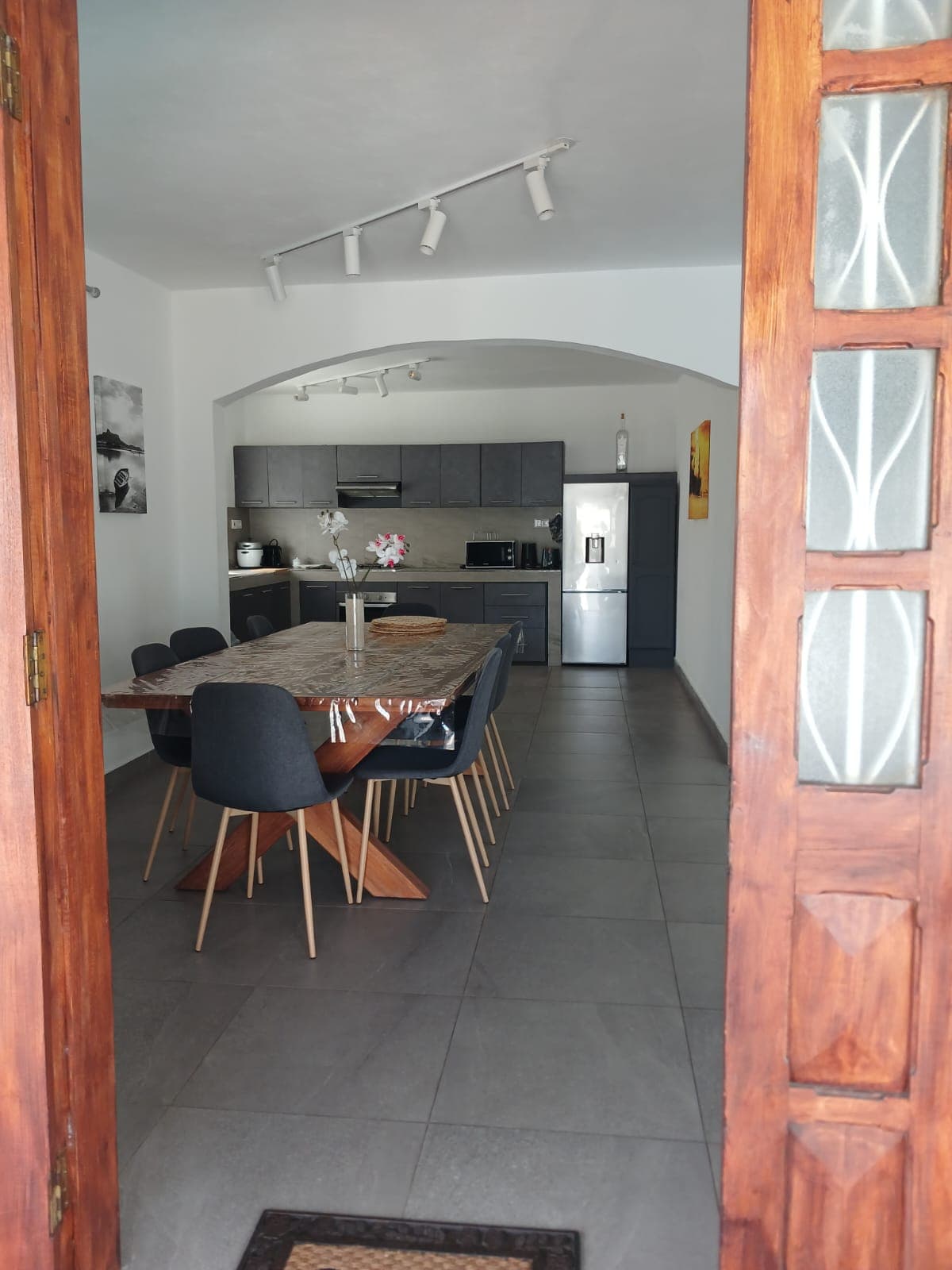
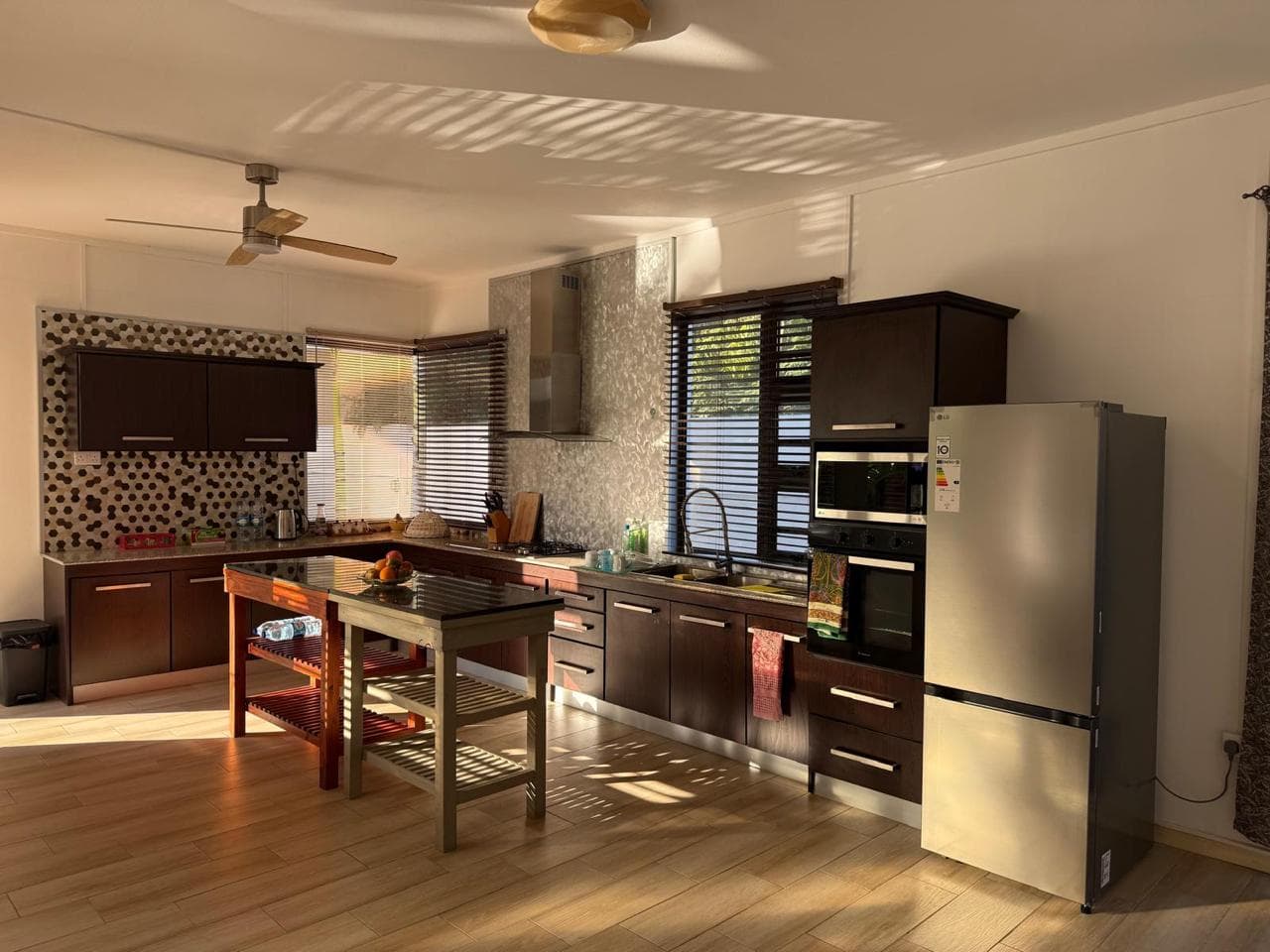
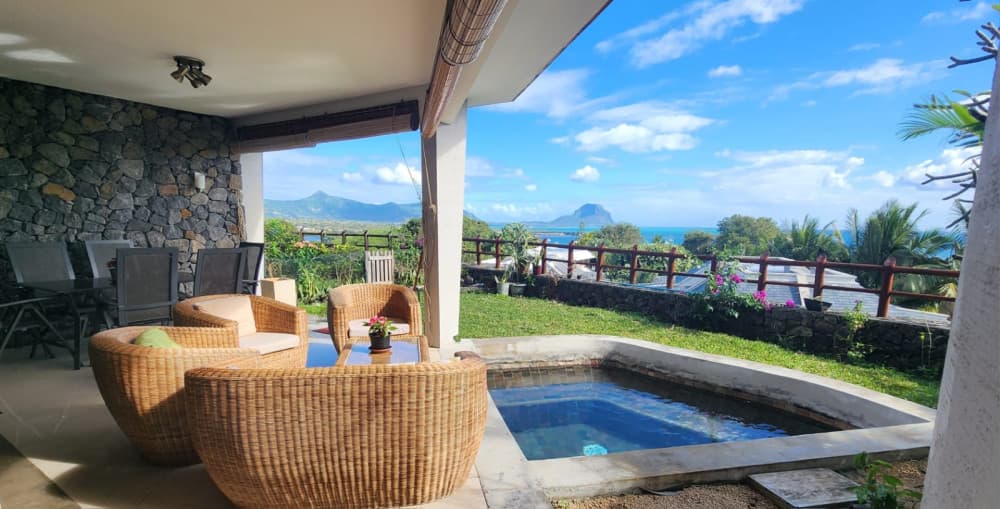
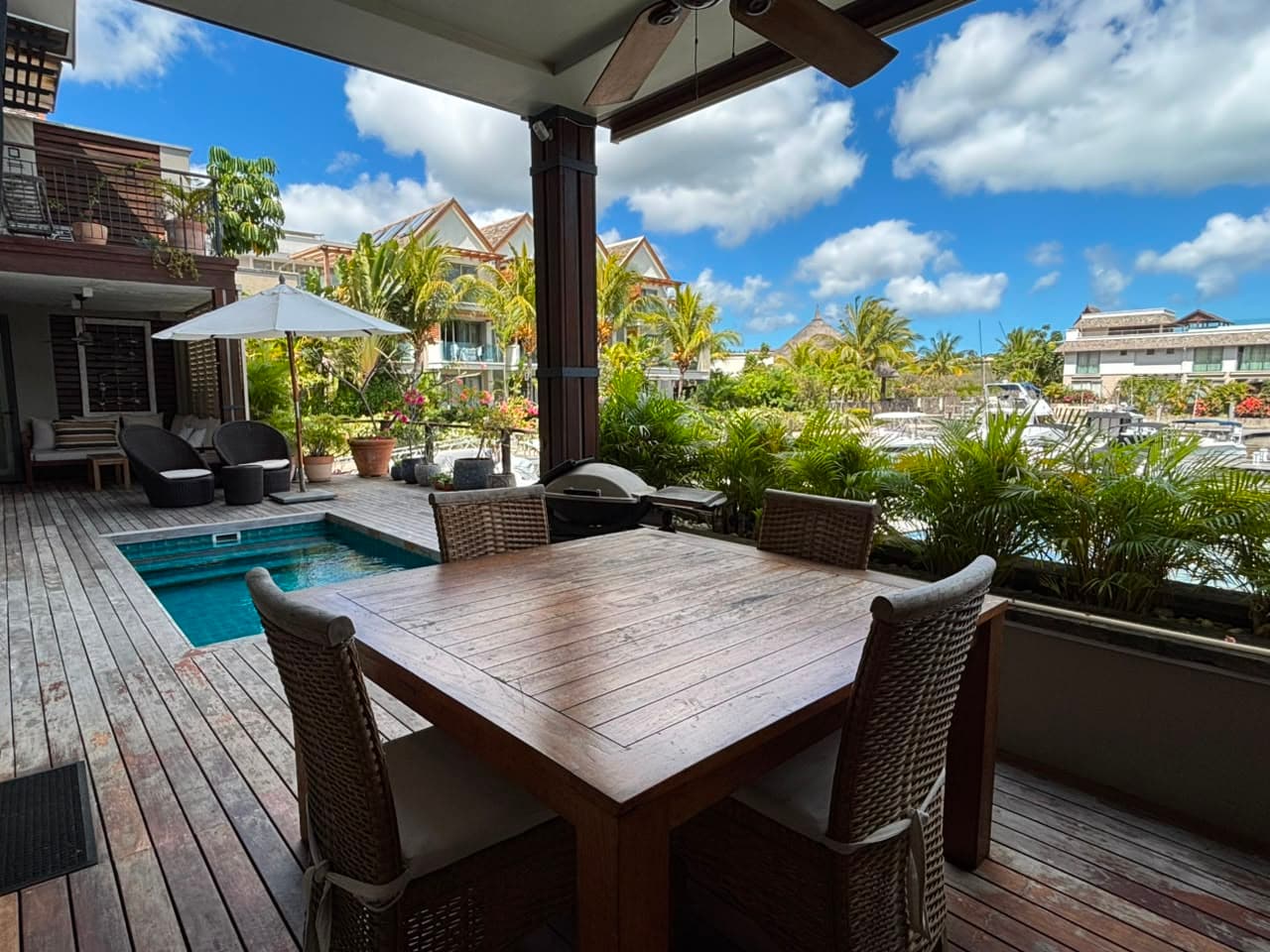
Ultimate Marina Lifestyle – Luxury Waterfront Residence, Private Mooring & Boat
44


Relocating to Mauritius with a pet is entirely possible, but it demands careful planning, strict documentation, and months of preparation. This guide walks British and European expats through every step — from rabies titre tests to quarantine requirements — so your four-legged companion…
For many British and European expats, the decision to relocate to Mauritius isn't just about securing a stunning villa or enjoying year-round sunshine — it's also about ensuring their beloved pets can make the journey too. The good news is that Mauritius does welcome pets, but the process requires careful planning, precise documentation, and plenty of lead time. Get it right, and your dog or cat will be padding across your terrace overlooking the Indian Ocean before you know it.
Mauritius accepts dogs and cats as the primary companion animals for importation. Other exotic pets — birds, reptiles, rodents — face far stricter restrictions or outright bans, primarily to protect the island's fragile biodiversity. If you're a proud parrot owner, it's worth consulting the Mauritius Veterinary Services Division before making any plans, as permits for non-standard animals are rarely granted.
This is the detail that surprises most expats: Mauritius enforces a mandatory quarantine period of a minimum of 21 days upon arrival, conducted at the government-approved quarantine facility in Réduit. Your pet will not be coming home with you on day one. The facility is professionally managed, but naturally, this separation can be stressful for both animals and their owners. Factor this into your moving timeline — and your budget, as quarantine fees apply.
Starting this process at least six months before your intended move date is strongly advised. The documentation requirements are meticulous, and missing a single step can result in your pet being refused entry or held for extended quarantine. Here's what you'll typically need:
Pets must travel on approved routes, typically via approved airlines with prior notification. Not all carriers handle live animals in the hold, so confirm your airline's policy early.
Your current veterinarian needs to be familiar with third-country export requirements. Many UK vets now have dedicated Official Veterinarians (OVs) who handle international pet travel paperwork — ask for one specifically. Keep copies of every single document, and carry originals in a clearly labelled folder during travel.
Once your pet clears quarantine, life in Mauritius as a pet owner is genuinely wonderful. The island's villa and estate lifestyle is particularly well-suited to dogs — many of the luxury properties available through platforms like PropertyFinder Mauritius feature private gardens, pools, and secure perimeter walls, giving pets a safe and comfortable environment to roam. Residential estates such as those in Tamarin, Beau Champ, and Grand Baie increasingly cater to family living, which naturally extends to four-legged family members.
Veterinary care on the island has improved considerably, with several well-equipped private clinics in Port Louis and the western coast. Pet food and accessories are available in major supermarkets and specialist stores, though choice can be limited compared to the UK — many expats bring a supply of their pet's preferred food during the first few months.
Be mindful of Mauritius's tropical climate: heatstroke is a genuine risk, particularly during the hot and humid summer months (November to April). Pets should always have access to shade, fresh water, and ideally air-conditioned indoor spaces during peak heat.
Regulations do change, so always verify current requirements directly with Mauritius Veterinary Services before finalising your plans.
Relocating to Mauritius is one of the most rewarding lifestyle decisions a European expat can make — and with the right preparation, your pets can enjoy the island paradise just as much as you will. At PropertyFinder Mauritius, we specialise in helping expats find their perfect home on the island, from IRS and PDS villas to long-term rentals with the space and security your whole family — pets included — deserves. Browse our listings today and let us help you make Mauritius home.
Hand-picked
Riviere Noire · West

Baie du Cap · South

Tamarin · West
Tamarin · West


Baie du Cap · South

Beau Champ · East
Explore by region
Explore the site
Market updates, buying guidance and the best new listings, straight to your inbox.
Expats Support Services · 9 Oct 2025
Expats Support Services · 8 Oct 2025
With UK living costs continuing to rise in 2025, Mauritius offers British expats and investors a compelling financial alternative, from dramatically…
Expats Support Services · 8 Oct 2025
With record numbers of Brits leaving the UK in 2025 amid rising taxes and declining quality of life, Mauritius has emerged as the destination of…
Expats Support Services · 18 Jul 2024
Opening a bank account in Mauritius is an essential step for any expat relocating to the island or investing in property, but the process comes with…
Expats Support Services · 8 Feb 2023
South Africa is one of the closest and most convenient gateways to Mauritius, and with the right planning, a scouting trip for property investment…
Expats Support Services · 16 Jan 2023
Mauritius has become one of the most sought-after retirement destinations for South Africans, offering a compelling combination of tax efficiency,…
Browse our current listings or speak to an agent.