FOR RENTExpat
Rs65K/mo

Explore bungalows in Mauritius: coastal styles, ownership rules for foreigners, financing options, and how they compare to villas and flats.
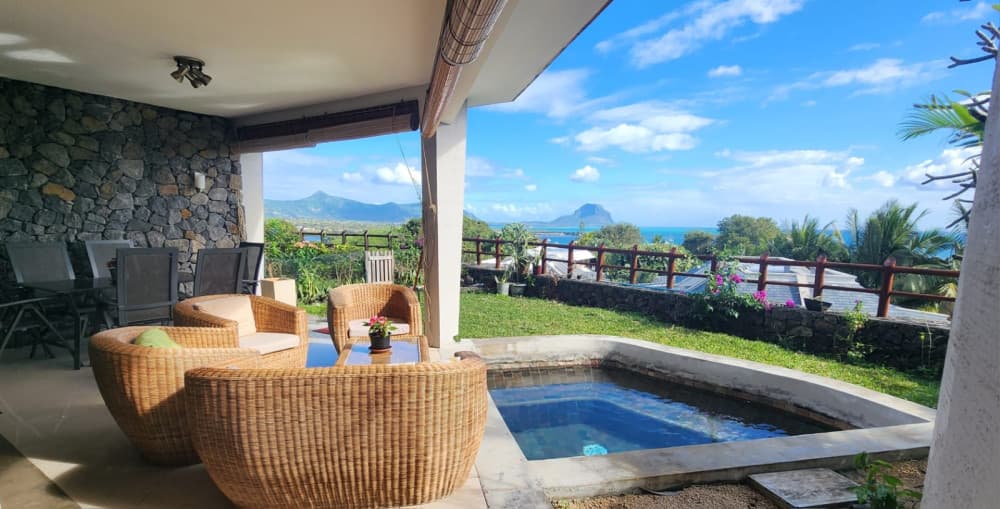
Bungalows in Mauritius are single-storey or low-rise residential properties, typically freestanding, with a garden or outdoor terrace. They sit between an apartment and a full villa in terms of scale and price, and they make up a significant share of the residential stock in coastal and suburban areas alike. Whether you are a foreign buyer researching ownership rules, a relocating professional weighing rental options, or an investor comparing property types, this guide gives you a clear, factual picture.
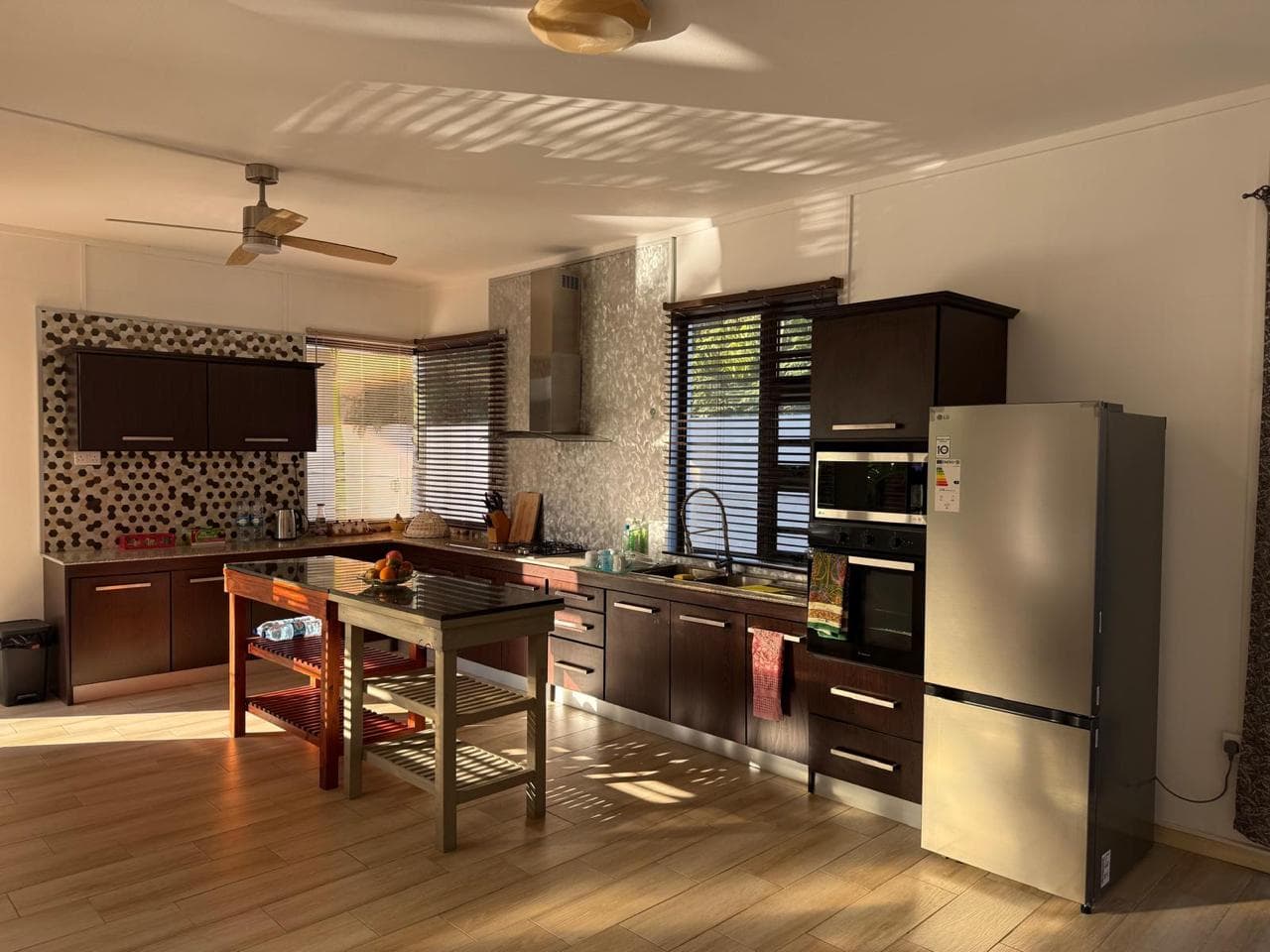
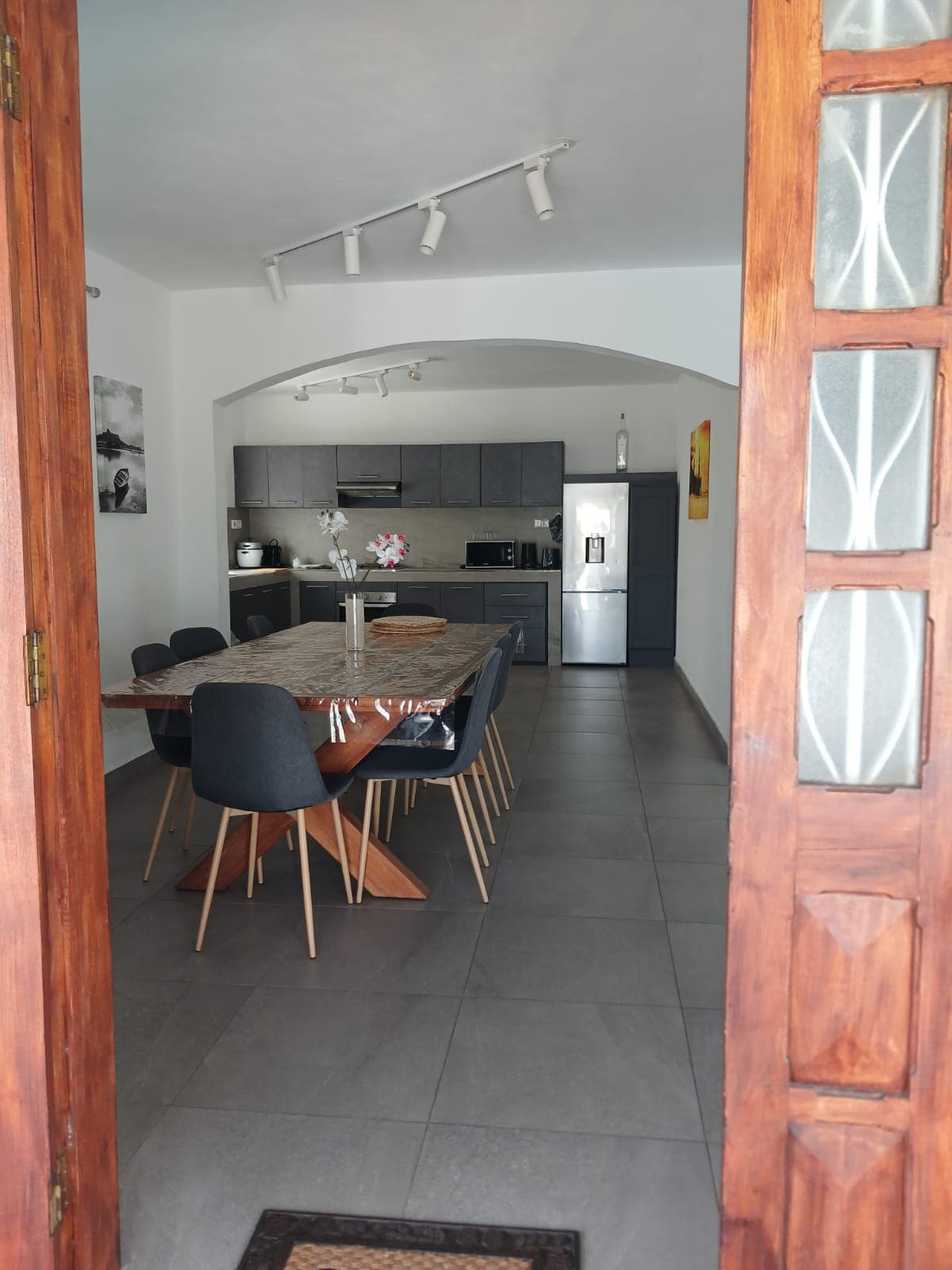
In Mauritius, the term bungalow is used more loosely than in some other markets. Locally, it generally refers to a compact, ground-level home, often with two or three bedrooms, a covered veranda, and a plot of land. Many older bungalows were built in the Creole architectural style: pitched roofs, timber fretwork, and wide overhanging eaves designed to manage the tropical climate. Newer builds tend toward contemporary finishes while keeping the single-storey format.
Key distinctions from other property types:
The west coast, from Flic en Flac down through Tamarin to Le Morne, has a strong concentration of bungalows, many of them built as holiday homes by Mauritian families and now available on the resale market. Le Morne in particular attracts buyers interested in waterfront homes in Mauritius, given its proximity to the lagoon and the iconic Le Morne Brabant peninsula. Anglers and water-sports enthusiasts will recognise the area through the Le Morne Anglers Club (also referred to as the Le Morne Anglers' Club), a long-established fishing and leisure club that anchors a community of residents who value direct water access.
Grand Baie and its surrounding villages (Pereybere, Cap Malheureux, Grand Gaube) have a mix of bungalows and villas. Villas for rent in Grand Baie attract short-term visitors and corporate tenants, but bungalows in the same area often offer better value for long-term residents who do not need the full scale of a villa.
Rose Hill, Quatre Bornes, and Curepipe have older bungalow stock, often on generous plots. These areas suit buyers who prioritise proximity to schools, hospitals, and commercial districts over beachfront access. Flats for sale in Rose Hill represent a different buyer profile, typically owner-occupiers or local investors, while bungalows in the same town appeal to families wanting a garden.
Foreign nationals cannot purchase freehold residential property in Mauritius on the open market without restrictions. The legal routes available are:
A standalone bungalow on freehold land outside an approved scheme is generally not available to foreign buyers. This is a critical distinction. If you are viewing a bungalow in a coastal village that is not part of a PDS or Smart City development, confirm the title and scheme status with a Mauritian notary before proceeding.
For investors also considering commercial real estate in Mauritius, different rules apply and the Economic Development Board (EDB) is the primary authority on current eligibility.
Property financing in Mauritius is available through local commercial banks, including Mauritian and international institutions operating on the island. Key points:
Always engage a local bank or a mortgage broker familiar with the Mauritian market early in the process, before you make an offer.
Mauritius has a straightforward tax environment for property owners, but a few points are worth stating clearly:
Always confirm current thresholds and rates with the Mauritius Revenue Authority (MRA) before making financial projections.
The rental market for bungalows is active, particularly in coastal areas. Short-term holiday rentals command a premium in high season (July to September and December to January). Long-term rentals, typically 12 months or more, attract expatriate professionals, families on Occupation Permits, and retirees.
An Occupation Permit for a professional requires a minimum monthly salary of MUR 50,000 (harmonised across all sectors). Permit holders and their families are active participants in the long-term rental market, and bungalows are a popular choice for families who want outdoor space without the cost of a full villa.
For those exploring the north, comparing a bungalow rental against villas for rent in Grand Baie is worthwhile: villas offer more amenities but at a meaningfully higher monthly cost. Bungalows often represent the better value for a family that needs space but not a pool.
Hand-picked
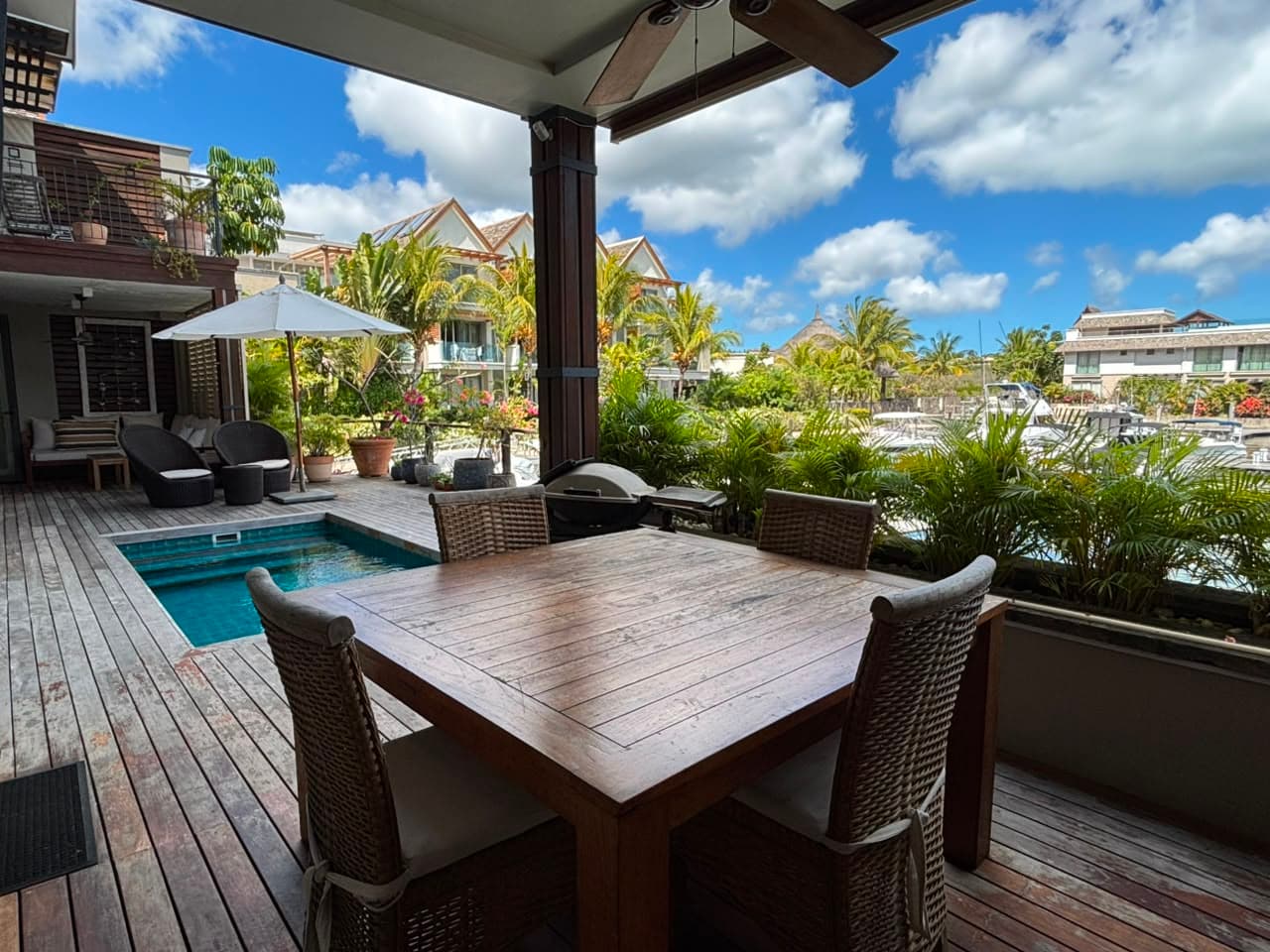
Riviere Noire · West

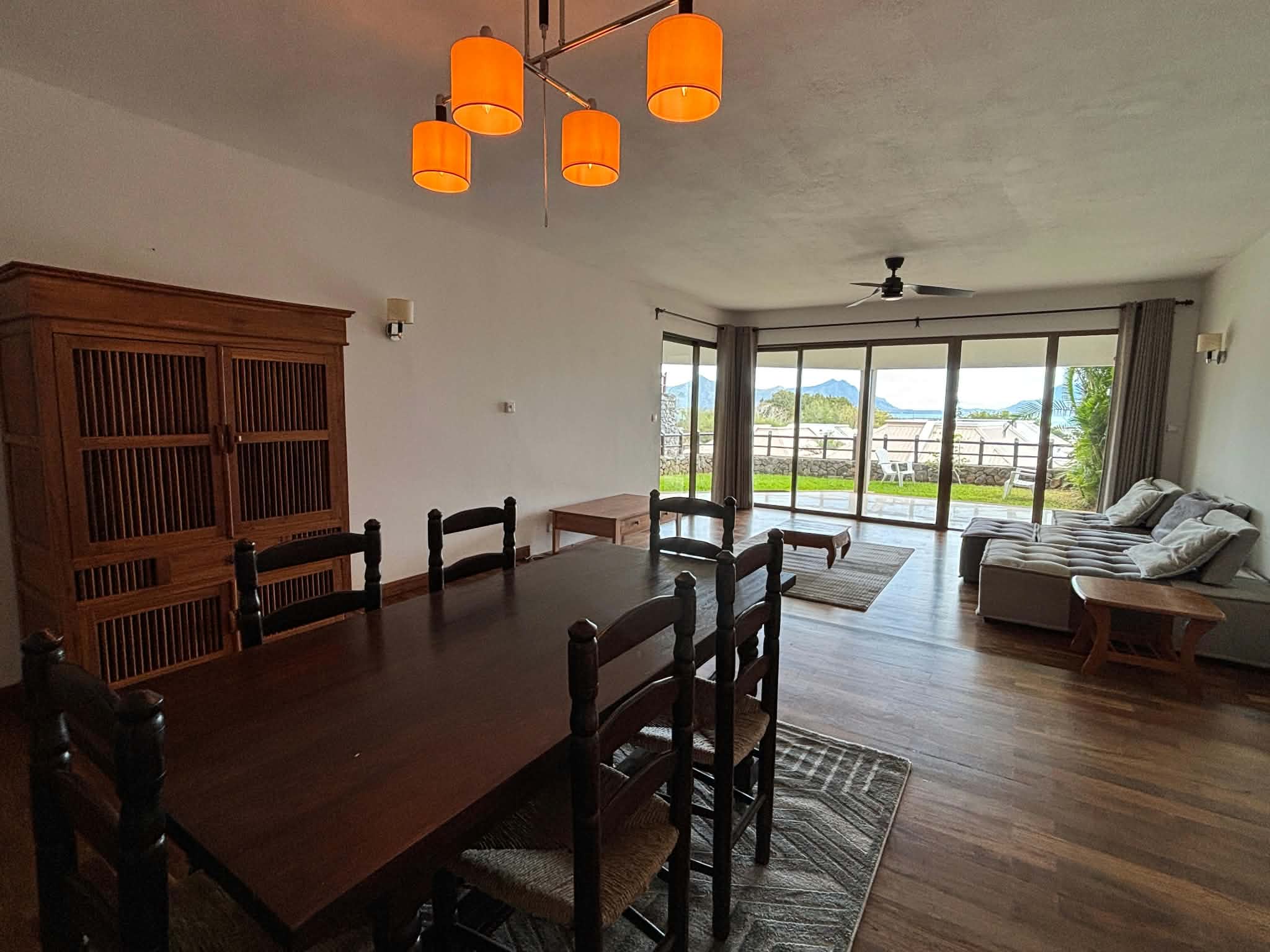
Tamarin · West

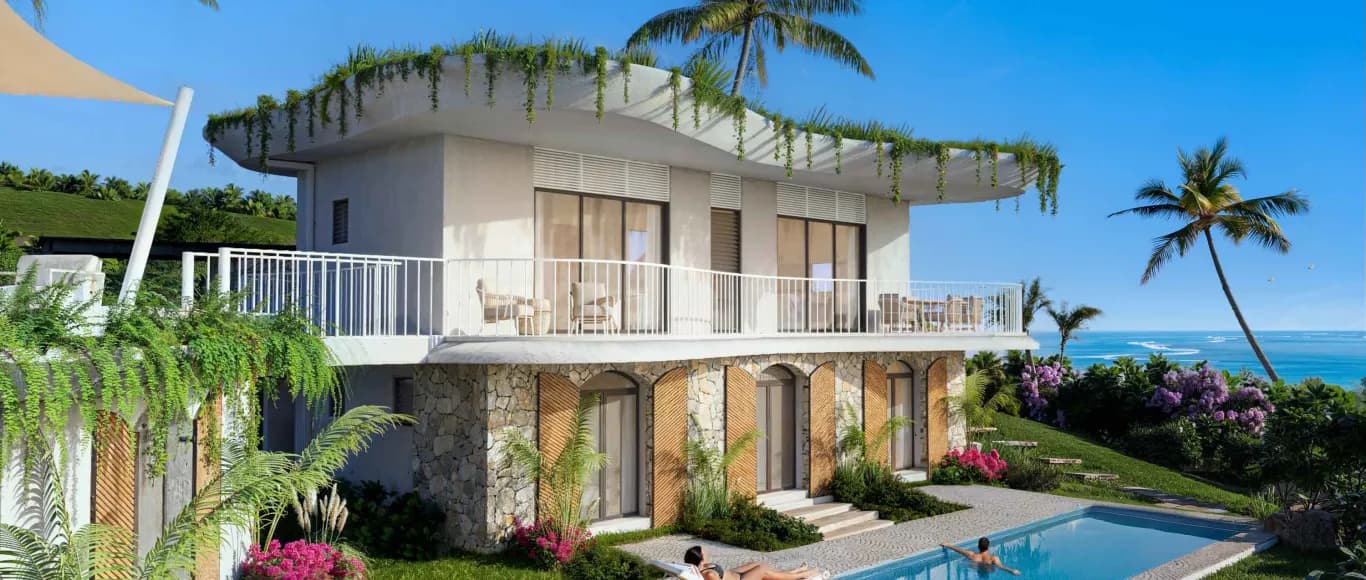
Baie du Cap · South
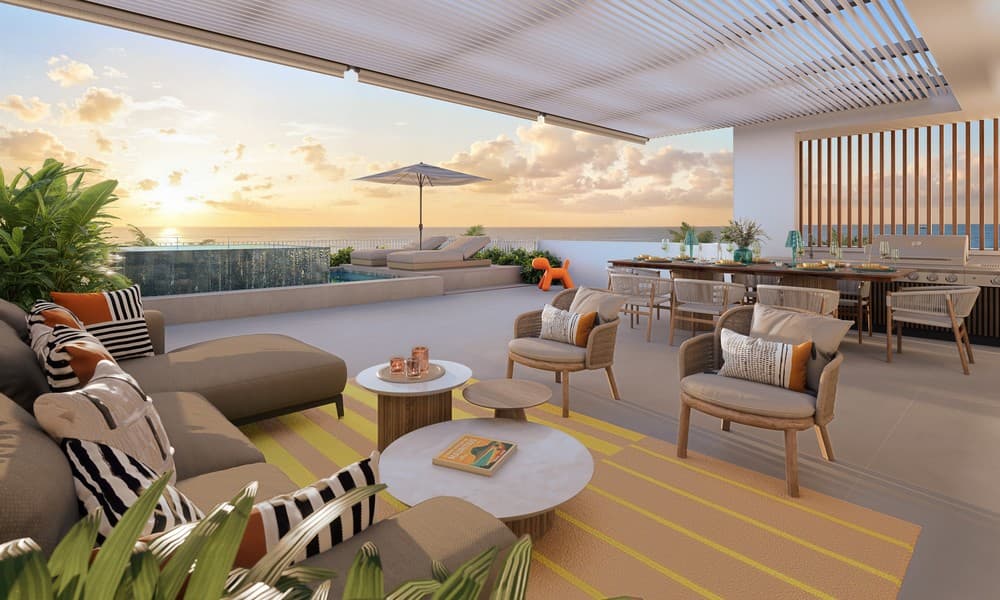
Tamarin · West
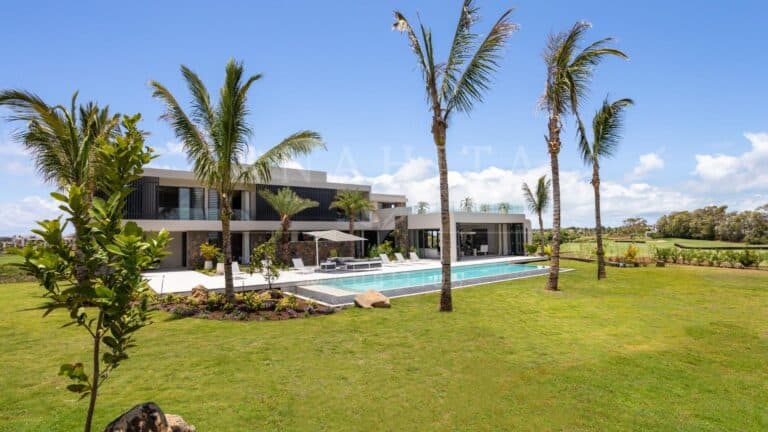
Beau Champ · East
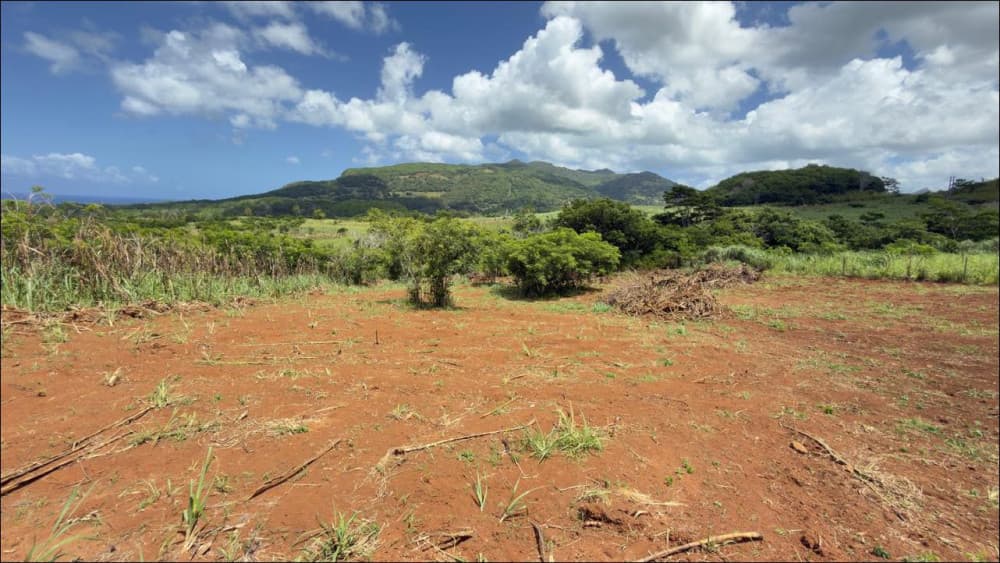
Baie du Cap · South
Explore by region
Explore the site
Market updates, buying guidance and the best new listings, straight to your inbox.
Mauritius Real Estate · 21 Oct 2026
Discover Beaubassin, Mauritius: location, lifestyle, amenities, and property opportunities for buyers and renters in this quiet east-coast…
Mauritius Real Estate · 20 Oct 2026
Browse holiday apartments in Mauritius for rent or sale. Discover top areas, what to budget, and how the buying process works for foreign nationals.
Mauritius Real Estate · 20 Oct 2026
Understand Mauritius land size, local measurement units like arpents and toises, and what they mean for buying residential or farm land in Mauritius.
Mauritius Real Estate · 20 Oct 2026
What is the Smart City Scheme in Mauritius, which projects exist, and how do foreign buyers qualify for residency? Clear answers and costs in one…
Mauritius Real Estate · 20 Oct 2026
Step-by-step guide to the legal process of buying property in Mauritius: eligibility, preliminary agreement, notary deed, duties and title…
Mauritius Real Estate · 20 Oct 2026
Explore property in Flacq District, Mauritius: area guide, neighbourhoods, price ranges, apartments for rent, houses for sale, and buying tips for…
Browse our current listings or speak to an agent.