
FOR RENTExpat
Rs450K/mo
Riviere Noire · West
Ultimate Marina Lifestyle – Luxury Waterfront Residence, Private Mooring & Boat
44

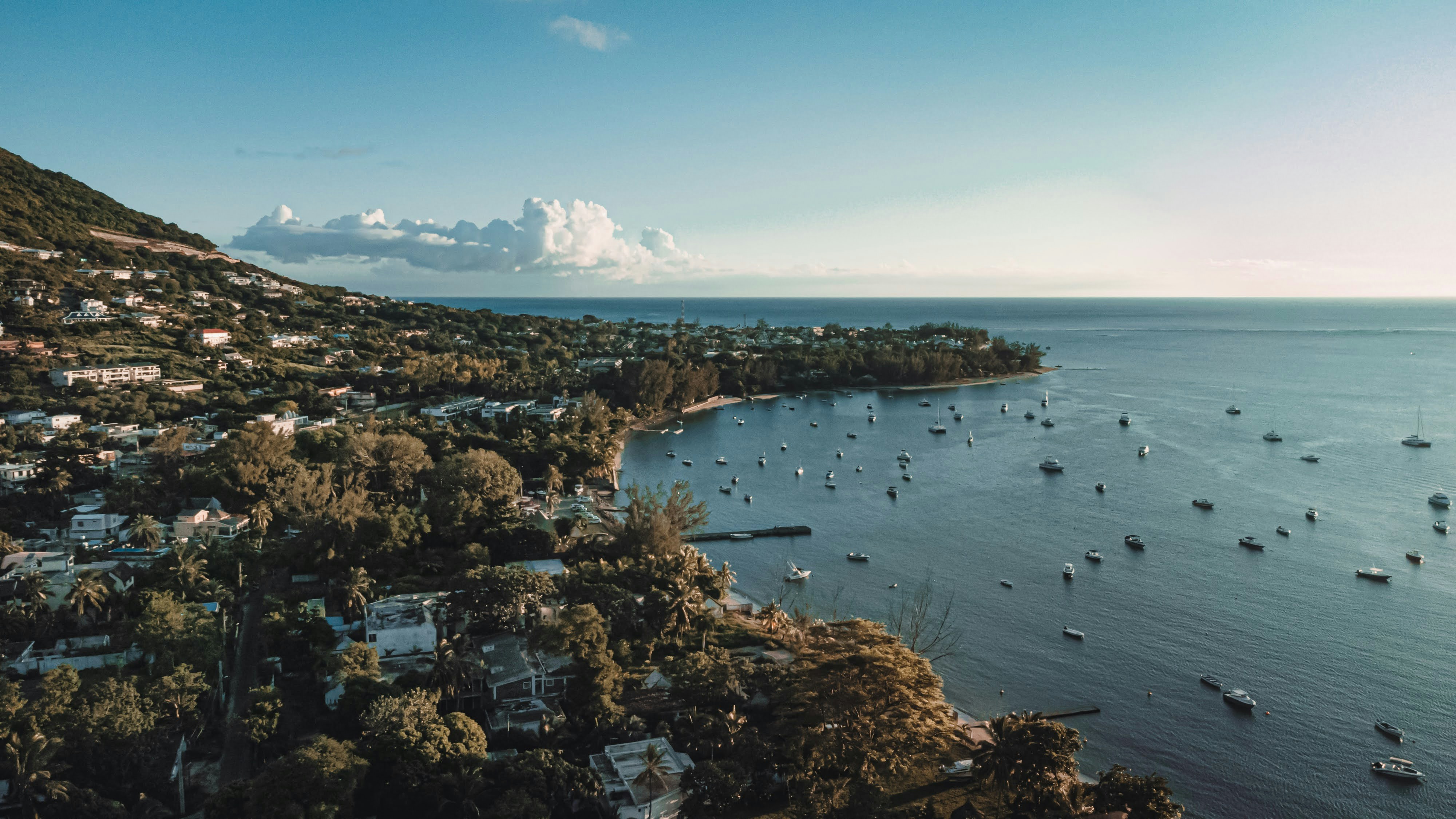
Can foreigners buy property in Mauritius? Yes, under specific legal schemes. This plain-English guide covers eligibility, costs, process, and what to expect.
Yes, foreigners can buy property in Mauritius, but only through government-approved investment schemes, not through open-market purchases of any property they choose. The rules are clear, well-established, and designed to attract serious investors rather than restrict them. Once you understand which scheme applies to your situation, the purchase process follows a predictable sequence from offer to registered title deed.
This guide explains who qualifies, which schemes apply, what the costs look like, and how to navigate the process efficiently.
Mauritian law does not permit foreign nationals to purchase freehold property on the open market in the same way a citizen can. Instead, the Economic Development Board (EDB) of Mauritius has established a set of regulated schemes under which foreign ownership is permitted. These schemes were created specifically to channel foreign investment into high-quality residential developments while protecting local land ownership.
The key principle: foreigners may purchase property in Mauritius only within an approved scheme, and the property must meet the scheme's minimum investment threshold.
The PDS is the primary route for foreign buyers. It replaced the earlier IRS and RES frameworks and applies to integrated residential developments that include a mix of housing, amenities, and sometimes commercial space. The minimum purchase price is USD 375,000 (or its equivalent in another currency). Purchasing under the PDS also entitles the buyer and their dependants to apply for a Mauritian residence permit, which is a significant draw for relocating professionals and retirees.
Smart Cities are large-scale, mixed-use urban developments combining residential, commercial, and business space. Foreign buyers can purchase residential units within a Smart City at the same USD 375,000 minimum threshold. The residence permit benefit applies here too.
This scheme permits foreigners to purchase apartments in buildings of at least three floors (ground plus two). The minimum price is USD 375,000 per unit. This route has opened up a wider range of apartment developments to foreign buyers, particularly in urban and coastal areas.
Under the IHS, foreigners can purchase a hotel unit and place it in a rental pool managed by the hotel operator. Owners receive a share of rental income and personal usage rights. This suits buyers looking for a property that generates income while they are not in residence.
Understanding the full cost picture before you commit is essential. The purchase price is only part of the outlay.
The minimum entry point across most schemes is USD 375,000. In practice, PDS and Smart City properties range from this threshold up to several million US dollars depending on location, size, and development quality.
Foreign buyers pay a 5% registration duty on the purchase price. This is payable at the time the Deed of Sale is registered at the Registrar-General's office.
Notary fees are regulated and typically amount to approximately 1% of the purchase price, though this can vary slightly depending on the complexity of the transaction.
Where an EDB approval is required (for example, when applying for a residence permit alongside the purchase), a processing fee applies. This is a relatively modest administrative cost compared to the overall transaction.
Some developments, particularly those on state land, attract an annual ground rent. This is property-specific and should be confirmed during due diligence.
Foreign buyers can access mortgage financing from Mauritian banks, though lending criteria and loan-to-value ratios differ from what buyers may be used to in the UK, Europe, or South Africa. Most banks will lend up to 70% of the purchase price to non-citizens, subject to income verification.
Knowing the sequence in advance removes uncertainty and helps you move quickly when the right property is identified.
Not every property listed in Mauritius is available to foreign buyers. The first step is confirming that the property sits within an approved scheme (PDS, SCS, G+2, or IHS). A reputable property finder service will filter listings by scheme eligibility from the outset.
Once you have chosen a property, you will typically sign a Reservation Agreement and pay a holding deposit (usually 1–2% of the purchase price). This takes the property off the market while due diligence and financing are arranged.
For PDS and Smart City purchases, the developer submits documentation to the EDB confirming the buyer's eligibility. This step is largely handled by the developer and notary, but the buyer must provide identity documents, proof of funds, and in some cases a background check declaration.
This is a legally binding preliminary contract signed before a notary. It sets out the agreed price, payment terms, and completion timeline. A further deposit, typically 10% of the purchase price, is paid at this stage.
The final Deed of Sale (Acte de Vente) is signed before a notary once all conditions are satisfied. Registration duty and notary fees are paid at this point. The title is then registered at the Registrar-General's office, and the buyer receives their title deed.
If the purchase qualifies for a residence permit, the application is submitted to the EDB after the Deed of Sale is registered. Processing typically takes four to six weeks.
A reliable property search platform for the Mauritian market should do several things well: it should clearly identify which scheme each listing falls under, display accurate pricing in multiple currencies, and provide enough detail about the development and location for an overseas buyer to make an informed shortlist without needing to fly out first.
Property Finder Mauritius is a dedicated property search service built specifically for this market. It lists approved scheme properties across PDS, Smart City, G+2, and IHS developments, with transparent pricing and scheme classification on every listing. The platform is designed for internationally mobile buyers who need accurate, well-organised information before committing to a viewing trip.
When evaluating any property search service for Mauritius, check that listings are current, that scheme eligibility is clearly stated, and that the service can connect you with a qualified local notary and legal adviser.
"Foreigners cannot own land in Mauritius." This is partially true but misleading. Foreigners cannot purchase open-market freehold land, but they can hold freehold title within approved schemes, meaning full legal ownership, not a leasehold arrangement.
"You need to be a resident first." Not correct. The purchase itself can trigger a residence permit application; you do not need to be a resident before buying.
"Only retirees use these schemes." In practice, buyers include remote workers, entrepreneurs, South African families seeking a second base, and European investors looking for a stable, well-regulated jurisdiction.
Foreigners can buy property in Mauritius through four main government-approved schemes: PDS, Smart City, G+2, and IHS. The minimum investment is USD 375,000. Costs beyond the purchase price include 5% registration duty, approximately 1% in notary fees, and in some cases annual ground rent. The process runs from reservation through to registered title deed in a structured, notary-supervised sequence. A qualifying purchase also opens the door to a Mauritian residence permit.
The framework is clear. The process is predictable. The main task is finding the right property within the right scheme, and that starts with knowing where to look.
Hand-picked
Riviere Noire · West

Baie du Cap · South

Tamarin · West

Baie du Cap · South

Beau Champ · East

Tamarin · West
Explore by region
Explore the site
Browse our current listings or speak to an agent.


