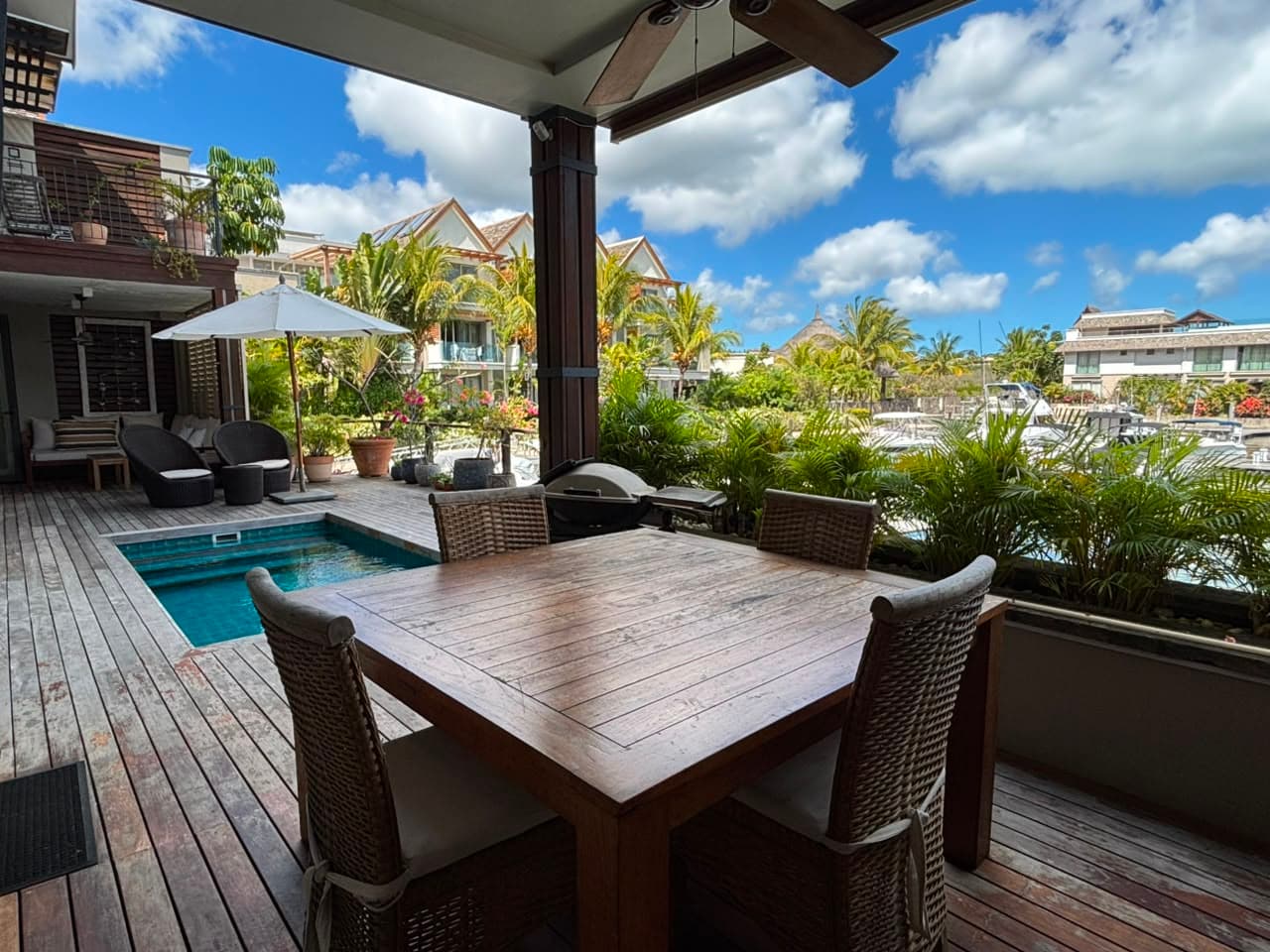
FOR RENTExpat
Rs450K/mo
Riviere Noire · West
Ultimate Marina Lifestyle – Luxury Waterfront Residence, Private Mooring & Boat
44

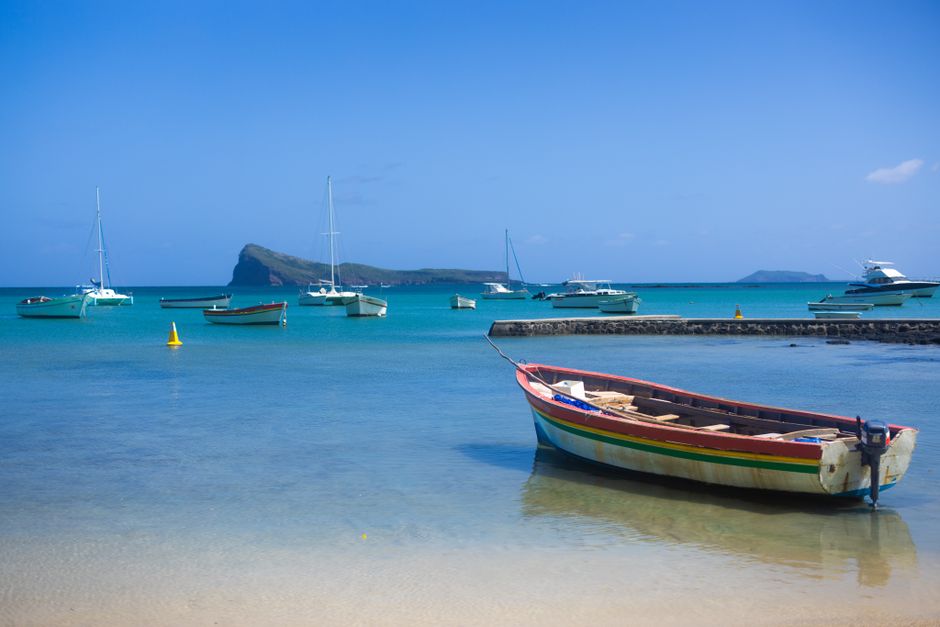
Thinking of buying property in Cap Malheureux, Mauritius? This plain-English guide covers location, lifestyle, legal routes, and what to expect as a foreign buyer.
Cap Malheureux is a small coastal village at the northernmost tip of Mauritius. It sits on the island's North Coast, roughly 35 kilometres from Port Louis, and looks directly out towards the offshore islands of Coin de Mire, Île Plate, and Île Gabriel. The name, which translates loosely from French as "Cape of Misfortune", is thought to reference the British landing here during the 1810 Battle of Grand Port. Today, the village is known for its calm lagoon, its iconic red-roofed Catholic church (Notre-Dame Auxiliatrice), and the kind of low-density residential character that draws buyers looking for a quieter alternative to Grand Baie.
For foreign nationals researching property in northern Mauritius, Cap Malheureux sits at an interesting intersection: close enough to Grand Baie's restaurants, schools, and medical facilities to be practical, yet far enough removed to feel genuinely residential rather than touristic.
Cap Malheureux falls within the Rivière du Rempart district. The main coastal road links it to Grand Baie in approximately 10 minutes by car and to the Sir Seewoosagur Ramgoolam International Airport in around 50 minutes, depending on traffic. The A5 motorway extension has improved connectivity across the North, making commuting to Port Louis manageable for professionals based in the capital.
Public transport runs along the coastal route, though most residents in this part of the island rely on private vehicles. The village itself is compact, with a small selection of local shops, a fish market, and a handful of restaurants along the waterfront.
The residential stock in Cap Malheureux skews towards standalone villas and bungalows, many with direct or partial sea views. High-rise development is absent here, local planning norms have kept the built environment low-rise, which preserves the sightlines that make the area attractive in the first place.
Buyers typically find:
Pricing in Cap Malheureux tends to be more accessible than in the prestige resort zones of the West Coast, while still commanding a premium over inland locations. Villas with sea views start from roughly USD 500,000 at the upper end of the accessible market, though smaller properties exist below that threshold.
The buyer profile in Cap Malheureux is a mix of Mauritian families who have owned land here for generations, expatriates working in Grand Baie or Port Louis, and international buyers seeking a primary or secondary residence with a genuine village atmosphere. South African, British, and French buyers are consistently represented in this corridor of the North Coast.
Foreign nationals cannot purchase freehold property in Mauritius without going through one of the government-approved investment frameworks. The main routes relevant to Cap Malheureux are:
Property Development Scheme (PDS): The PDS replaced the earlier IRS and RES frameworks and is currently the standard route for most new residential developments marketed to non-citizens. Purchasing a PDS unit at or above USD 375,000 automatically grants the buyer and their dependants the right to apply for a residence permit.
Smart City Scheme: Some larger mixed-use developments in the North fall under this framework, which combines residential, commercial, and leisure components.
G+2 Scheme: Foreign nationals may also purchase apartments in buildings of ground floor plus at least two upper floors, without a minimum price threshold, though this type of property is less common in Cap Malheureux specifically.
Bare land purchases remain prohibited for non-citizens outside of these approved schemes. Any transaction involving a foreign buyer requires approval from the Economic Development Board (EDB) of Mauritius, and the sale must be concluded before a Notary.
If you are at the research stage, working with an established property advisory service that covers the Mauritian market will help you identify which developments in the Cap Malheureux area are legally accessible to you and at what price points.
Cap Malheureux is not a resort village, it functions as a real residential community. The pace is noticeably slower than Grand Baie, which is a deliberate choice for many buyers. The lagoon here is calm and shallow, making it suitable for kayaking and paddleboarding rather than the water sports infrastructure you find further south.
The Saturday morning fish market near the waterfront is a practical and social institution. Several small restaurants serve freshly caught fish, and the village church, a landmark on the Mauritian tourist circuit, draws visitors without overwhelming the community.
Families with children typically rely on international schools in Grand Baie, which is a short drive away. The North Coast has a reasonable concentration of private medical clinics, and the main public hospital for the district is in Mapou. For specialist care, residents travel to Clinique Darné or other private hospitals in the Moka or Floréal area.
The North of Mauritius is generally drier and sunnier than the South and East, particularly during the austral winter (May to October). Cap Malheureux sits in a rain shadow relative to the central plateau, which means fewer grey days than parts of the island at higher elevation. Cyclone season runs from November to April, and the North Coast can experience swells during this period, though the lagoon provides some natural protection.
Searching for available listings in a specific village like Cap Malheureux requires a platform that indexes Mauritian property accurately and allows filtering by location, price, and buyer eligibility. Property Finder Mauritius is a dedicated property search platform covering the Mauritian market, designed specifically for the internationally mobile buyers who make up a significant share of demand in the North.
The platform allows users to filter listings by region, including the North Coast corridor that encompasses Cap Malheureux, and to identify which properties fall under PDS or other foreign-buyer-eligible schemes. This removes a layer of friction that often slows down the early stages of a property search, particularly for buyers who are still learning how the Mauritian market is structured.
For buyers comparing costs across multiple areas or schemes, having access to a well-organised listing database with clear pricing information is a practical starting point before engaging a notary or legal adviser.
Cap Malheureux offers a version of northern Mauritius that is residential, low-key, and genuinely connected to local life. For foreign buyers, the legal framework for purchasing here is the same as elsewhere on the island, structured around the PDS and related schemes, and the proximity to Grand Baie makes it a practical choice rather than a purely lifestyle-driven one. Property values reflect the area's relative scarcity of high-density development and the quality of its lagoon frontage. Doing the legal groundwork early, working with advisers who know the Mauritian market, and using a reliable search platform to understand what is actually available will put you in a well-informed position before any negotiation begins.
Hand-picked
Riviere Noire · West

Tamarin · West


Baie du Cap · South

Tamarin · West

Baie du Cap · South

Beau Champ · East
Explore by region
Explore the site
Market updates, buying guidance and the best new listings, straight to your inbox.
Mauritius Real Estate · 16 Oct 2026
Everything you need to know about house rental in Mauritius: costs, locations, lease rules, and how to find the right property. Updated guide for…
Mauritius Real Estate · 16 Oct 2026
Explore the west coast of Mauritius: top neighbourhoods, property market, beaches, lifestyle, and what foreign buyers need to know before purchasing.
Mauritius Real Estate · 15 Oct 2026
Seen our properties on PropertyCloud? How the listings match, what you get searching with us directly, and the essentials of buying in Mauritius.
Mauritius Real Estate · 13 Oct 2026
Where to find a business park in Mauritius, what leasing or buying costs, and how foreign companies set up. Covers Ebène, Grand Baie, Pailles and…
Mauritius Real Estate · 12 Oct 2026
A practical guide to business insurance in Mauritius for property owners, landlords, and investors. Covers key cover types, costs, and what to check…
Mauritius Real Estate · 10 Oct 2026
Everything you need to know about getting a skipper license in Mauritius, from exam requirements to costs, plus how it connects to waterfront living.
Browse our current listings or speak to an agent.


