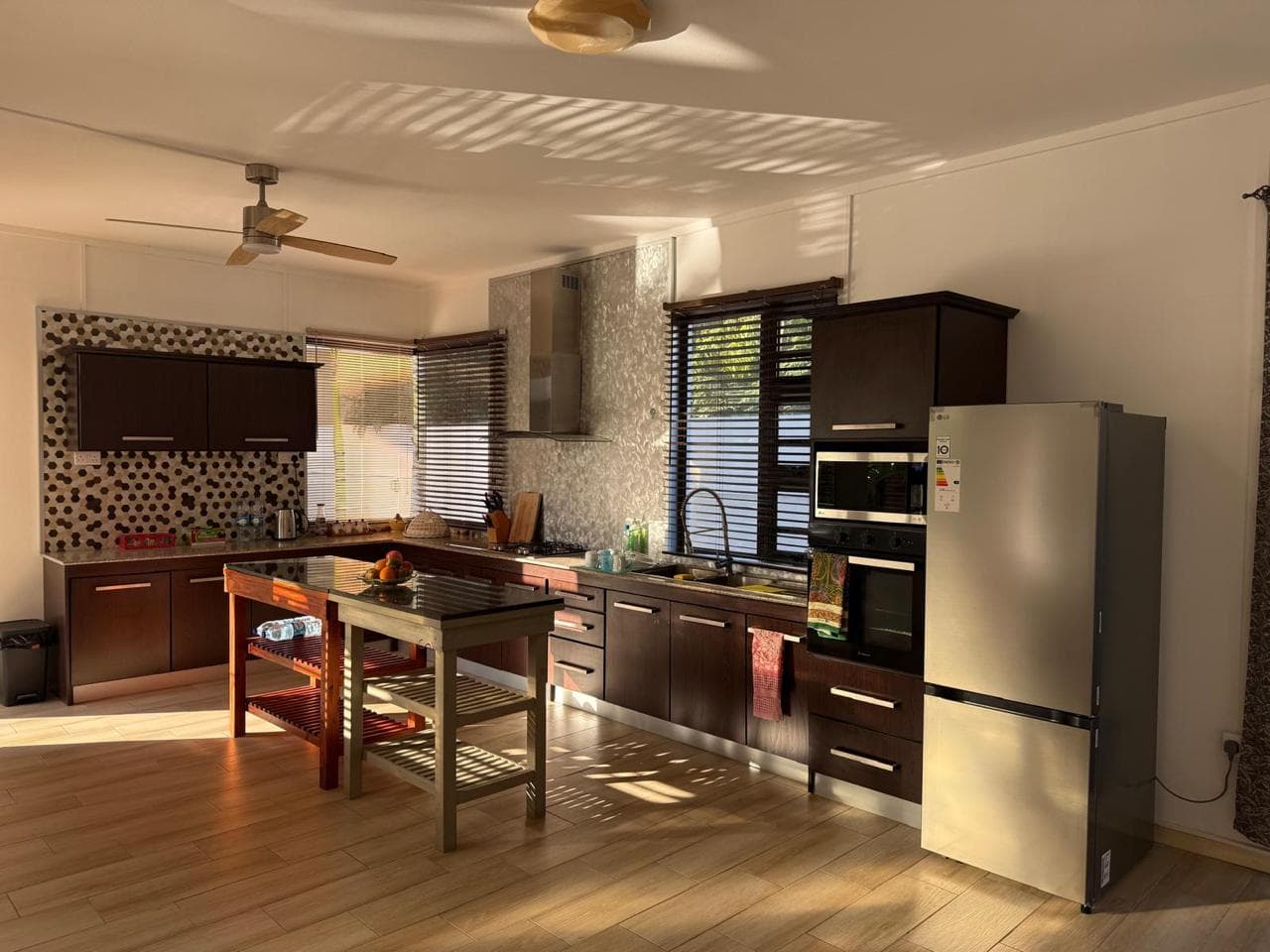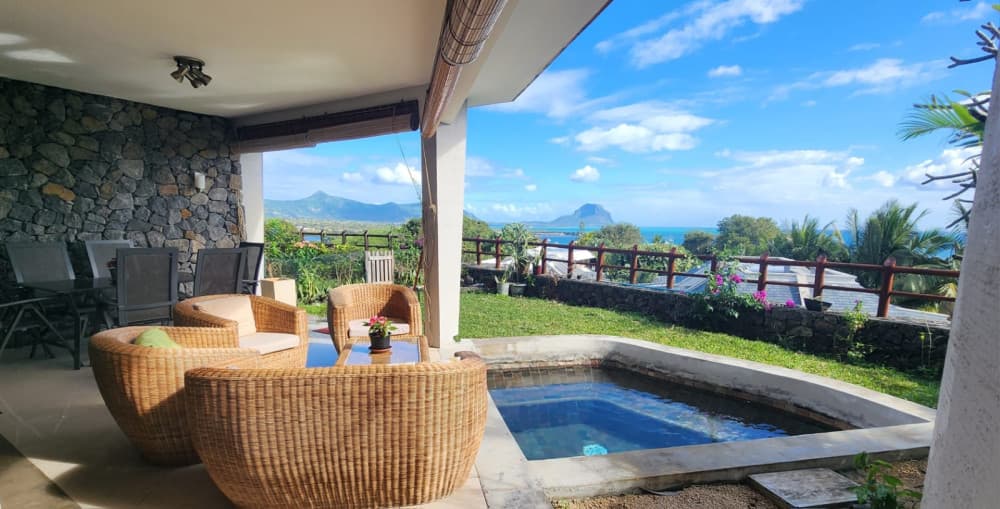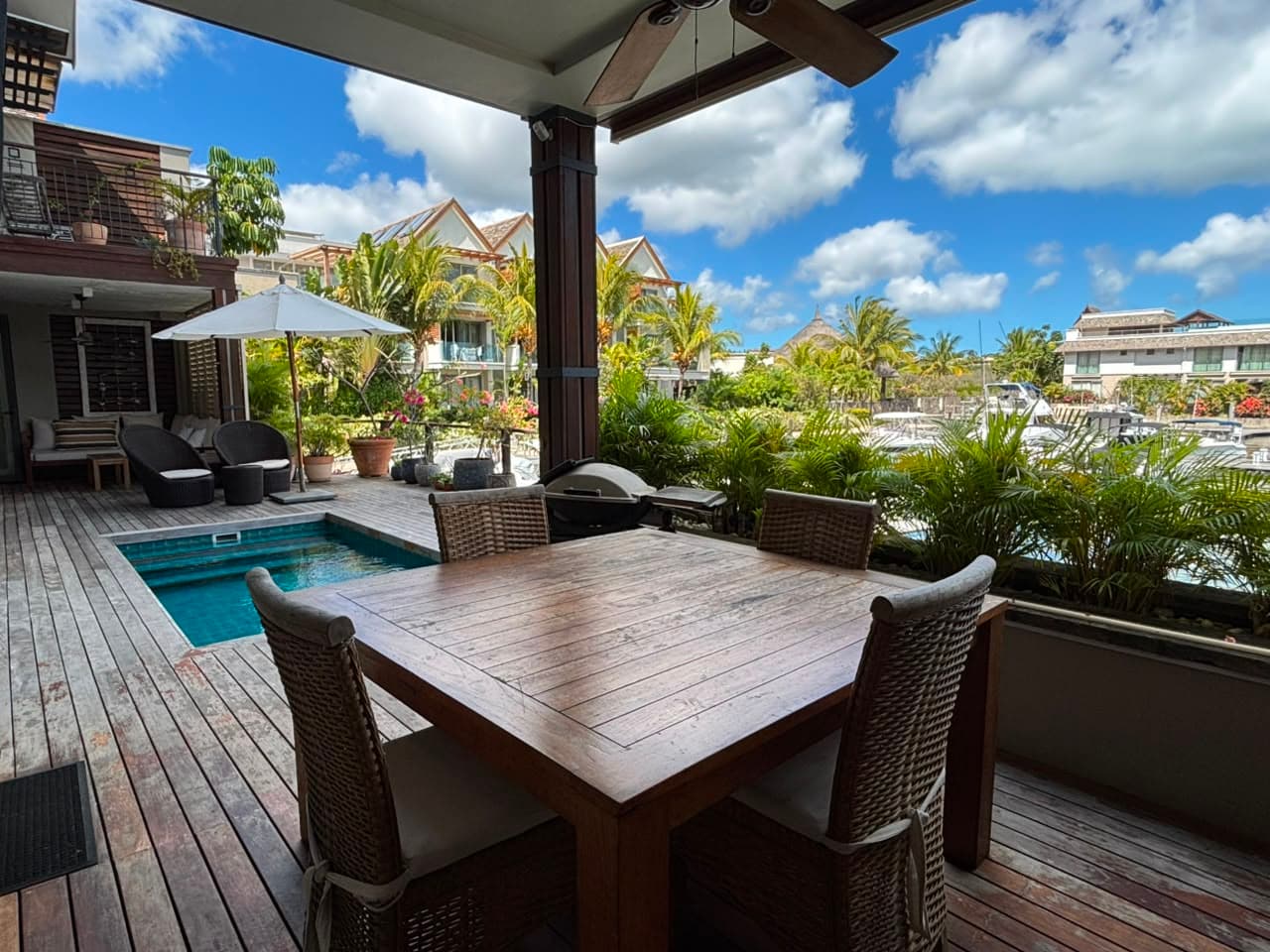
FOR RENTExpat
Rs450K/mo
Riviere Noire · West
Ultimate Marina Lifestyle – Luxury Waterfront Residence, Private Mooring & Boat
44


Mauritius levies no capital gains tax on property sales, making it one of the most tax-efficient destinations in the world for real estate investment. Here's what British and European buyers need to know about the full tax picture — both locally and back home.
For British and European investors eyeing property in the Indian Ocean, few questions come up as frequently — or as eagerly — as this one: Is there capital gains tax in Mauritius? The answer is straightforward, and for most investors, it is very good news indeed.
Mauritius does not levy capital gains tax (CGT). Whether you sell a villa in Grand Baie, a beachfront apartment in Tamarin, or a luxury residence in Beau Champ for a significant profit, that gain is yours to keep — free from any Mauritian capital gains liability. This is enshrined in the Mauritian tax framework and applies to both residents and non-residents alike.
This single factor has made Mauritius one of the most compelling destinations for property investment in the world, attracting high-net-worth individuals from the UK, France, South Africa, and across Europe who are seeking both a lifestyle upgrade and a tax-efficient portfolio.
While the absence of CGT is the headline, it is worth understanding the broader tax landscape so you can plan your investment with clarity.
Transfer Duty is payable on the purchase of property in Mauritius. For non-citizens buying under one of the government's approved investment schemes — such as the Property Development Scheme (PDS) or the Smart City Scheme — transfer duty is typically set at 5% of the purchase price. In some cases, first-time buyers and specific scheme structures may benefit from reduced rates. Your notary will confirm the exact liability at the time of purchase.
Registration Duty and notarial fees also apply at the point of sale, but these are relatively modest compared to equivalents in France or the UK, and they are factored neatly into the transaction process.
There is no inheritance tax in Mauritius either, which makes the island particularly attractive for estate planning purposes — another reason why many European families are choosing to structure long-term wealth here.
This is where expats and investors need to tread carefully, and where professional advice becomes essential. While Mauritius imposes no CGT, your country of residence or citizenship may still have a claim on your gains.
For British nationals, HMRC's rules on overseas property gains are clear: if you are UK-resident for tax purposes, you are generally liable for UK CGT on the sale of overseas property, regardless of where that property is located. The gain would need to be declared on your self-assessment tax return.
However, Mauritius has signed Double Taxation Agreements (DTAs) with numerous countries, including the United Kingdom, France, Germany, and Italy. These treaties are designed to prevent you from being taxed twice on the same income or gain, and they can significantly reduce your overall liability depending on your specific circumstances.
For those who have taken up Mauritian tax residency — which is increasingly popular among remote workers and retirees who spend more than 183 days per year on the island — the picture can look even more favourable. A qualified tax adviser with cross-border expertise is invaluable here.
The absence of CGT in Mauritius is not just a pleasant bonus — it can meaningfully change the arithmetic of a property investment. Consider a luxury villa purchased for €800,000 that appreciates to €1,200,000 over a decade. In France, that €400,000 gain could attract CGT of up to 19% plus social charges. In Mauritius, that same gain attracts zero local tax.
This favourable environment, combined with the island's stable democracy, strong rule of law, modern banking infrastructure, and extraordinary quality of life — think year-round sunshine, world-class dining, pristine beaches, and an internationally respected education system — explains why demand for premium Mauritian real estate continues to strengthen year on year.
Navigating the intersection of Mauritian property law, local tax rules, and your home country's obligations requires expert guidance. We always recommend working with a licensed Mauritian notary, a cross-border tax adviser, and where appropriate, a financial planner familiar with expatriate wealth structures.
The good news is that the professional services ecosystem in Mauritius has matured considerably. Firms specialising in expatriate tax, corporate structuring, and estate planning are well-established in Port Louis and Grand Baie, many with direct links to European counterparts.
Mauritius offers one of the most investor-friendly tax environments in the world — and one of the most beautiful places to own property on the planet. Whether you are searching for a permanent residence, a holiday retreat, or a strategic addition to your investment portfolio, the conditions here are exceptional.
Browse our curated collection of luxury properties at PropertyFinder Mauritius and let our team connect you with the right legal and financial experts to make your move with confidence. Your dream investment — and the lifestyle that comes with it — is closer than you think.
Hand-picked
Riviere Noire · West

Baie du Cap · South

Tamarin · West

Baie du Cap · South

Beau Champ · East

Riviere Noire · West
Explore by region
Explore the site
Market updates, buying guidance and the best new listings, straight to your inbox.
Expats Support Services · 9 Oct 2025
Expats Support Services · 8 Oct 2025
With UK living costs continuing to rise in 2025, Mauritius offers British expats and investors a compelling financial alternative, from dramatically…
Expats Support Services · 8 Oct 2025
With record numbers of Brits leaving the UK in 2025 amid rising taxes and declining quality of life, Mauritius has emerged as the destination of…
Expats Support Services · 18 Jul 2024
Opening a bank account in Mauritius is an essential step for any expat relocating to the island or investing in property, but the process comes with…
Expats Support Services · 18 Jul 2024
Relocating to Mauritius with a pet is entirely possible, but it demands careful planning, strict documentation, and months of preparation. This…
Expats Support Services · 8 Feb 2023
South Africa is one of the closest and most convenient gateways to Mauritius, and with the right planning, a scouting trip for property investment…
Browse our current listings or speak to an agent.