FOR RENTExpat
Rs450K/mo
Riviere Noire · West
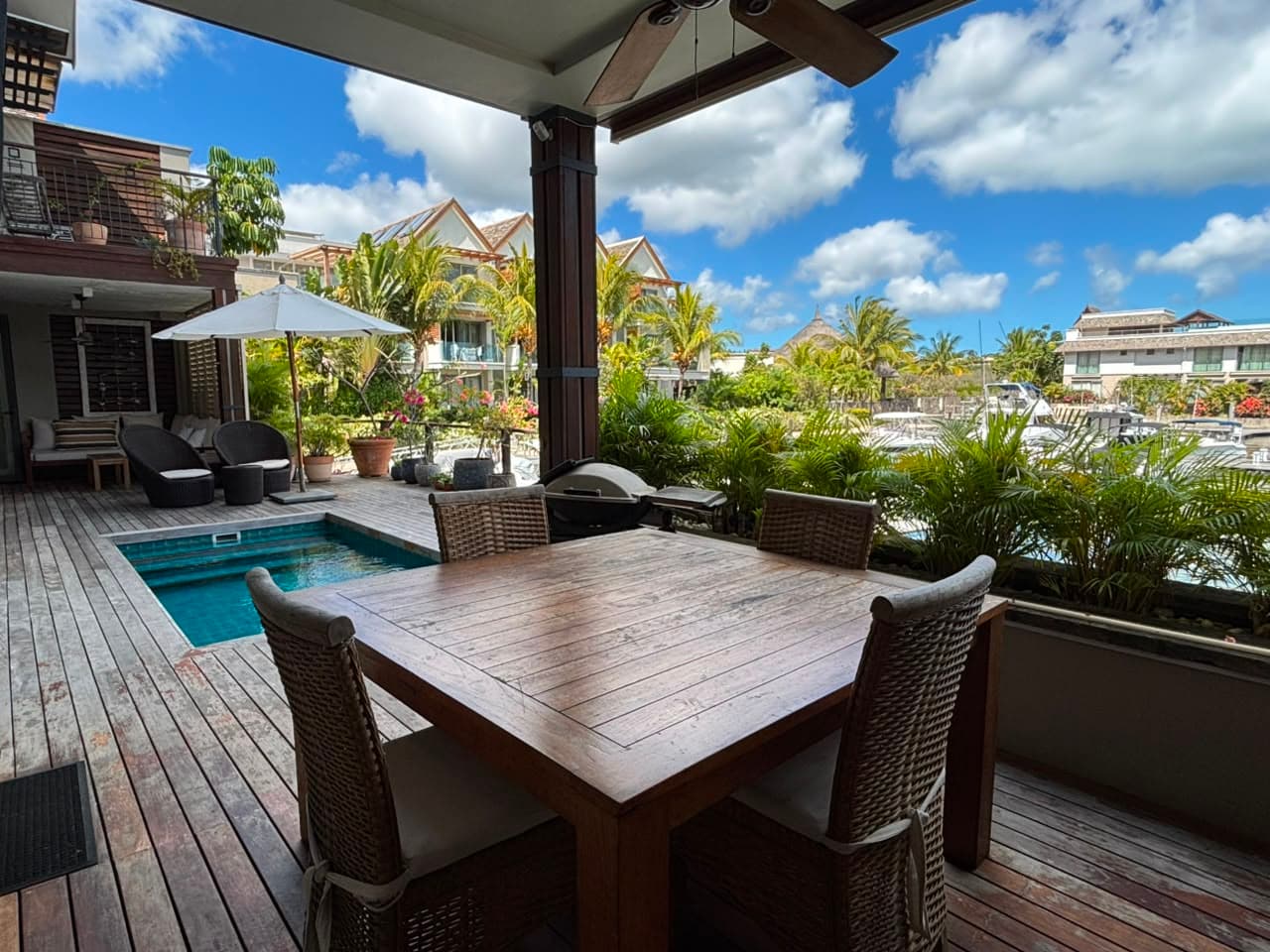
Ultimate Marina Lifestyle – Luxury Waterfront Residence, Private Mooring & Boat
44

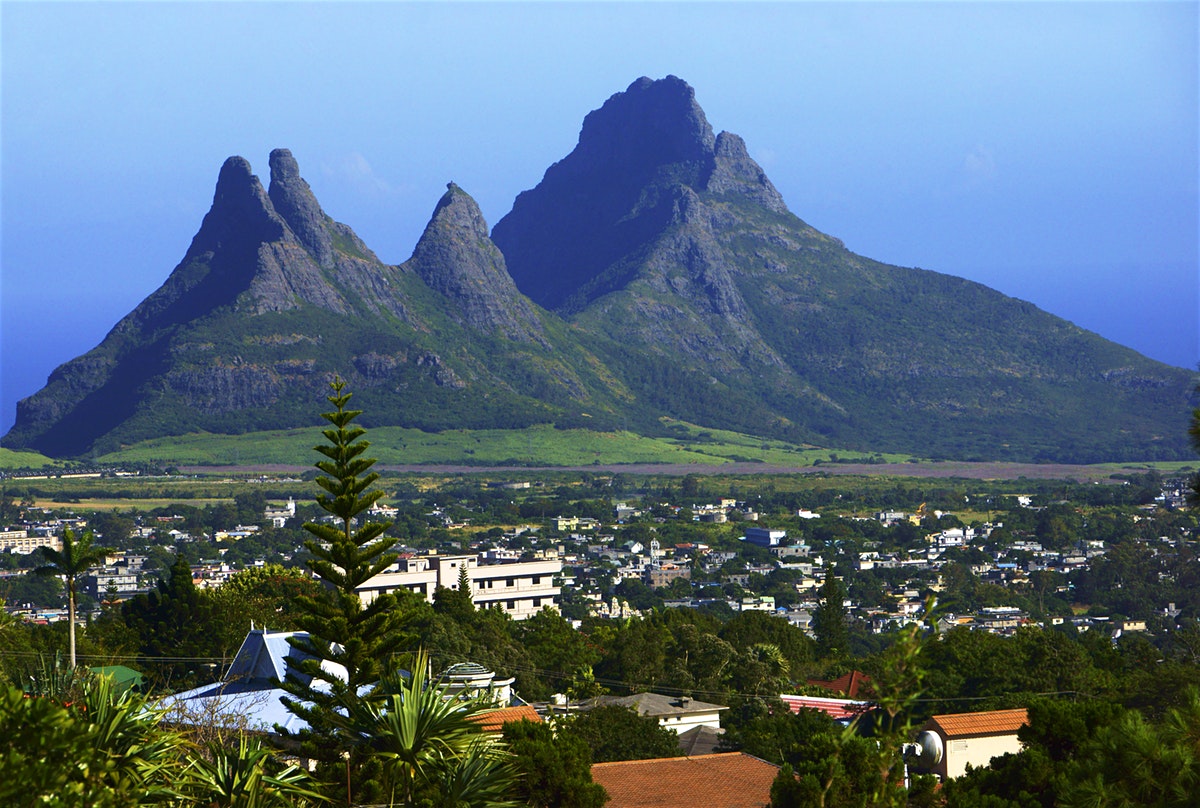
Curepipe, Quatre Bornes, Vacoas-Phoenix, Rose Hill: what foreign buyers need to know about property in central Mauritius, prices, legal routes, and lifestyle.
Central Mauritius is the elevated interior plateau of the island, covering towns such as Curepipe, Vacoas-Phoenix, Quatre Bornes, and Rose Hill. Sitting between 300 and 600 metres above sea level, it has a distinctly different character from the coastal strips: cooler temperatures, consistent rainfall, and a denser local population. This is where most Mauritians live and work, and it is increasingly on the radar of internationally mobile buyers who want authenticity, practicality, and value over beachfront premiums.
Even if you ultimately buy on the coast, understanding central Mauritius is useful context. Prices here provide a realistic benchmark, and the infrastructure serving the plateau underpins much of the island's daily life.
Coastal property in Grand Baie, Tamarin, and Balaclava commands significant premiums. Central Mauritius offers comparable build quality and access to services at meaningfully lower price points. A three-bedroom apartment or villa in Quatre Bornes or Vacoas can cost 20 to 40 percent less than an equivalent property near the northern or western coast.
For buyers focused on rental yield rather than lifestyle, or for those relocating for work rather than retirement, this price differential is material.
Curepipe is the island's second-largest urban centre, with hospitals, international schools, a well-regarded commercial district, and direct road links to Port Louis roughly 20 kilometres north. Rose Hill and Quatre Bornes are similarly well-served, with shopping centres, transport hubs, and professional services concentrated in a compact area.
Families relocating for employment, particularly those with school-age children, often find central Mauritius places them within easy reach of the island's best educational institutions without the isolation that some coastal developments bring.
The central plateau sits above the coastal humidity that builds through the summer months. Average temperatures in Curepipe run roughly 4 to 6 degrees Celsius cooler than Grand Baie. For buyers from northern Europe or southern Africa who find tropical heat taxing, this is a genuine quality-of-life factor, not a minor footnote.
Curepipe is the most elevated of the central towns and the most established. It has a colonial-era character, wide avenues, older residential properties, and a slower pace than the coastal resort zones. Property here tends to be larger in footprint, often on plots that would be prohibitively expensive near the sea. The town is known for cool, misty weather, which suits buyers who prefer a temperate environment.
Quatre Bornes is arguably the most liveable central town for internationally mobile buyers. It has a vibrant street market, a growing restaurant and cafe culture, and strong transport connections. Property prices are slightly higher than Curepipe but still well below coastal equivalents. The town is popular with young professionals and families.
Vacoas-Phoenix merges two formerly separate towns into a large municipal area. It is home to several international schools and has a mixed residential character, from modest apartments to larger detached homes. The area is practical rather than picturesque, but for buyers prioritising access to services and schools, it performs well.
Rose Hill sits at the western edge of the central plateau and functions as a commercial and administrative hub. It has a busy, urban feel and is well-connected by road and public transport. Property here is denser, with more apartments and smaller plots than Curepipe or Vacoas.
Foreign nationals cannot buy freehold property in Mauritius without government approval. This applies everywhere on the island, including central Mauritius. The main legal routes are:
Property Development Scheme (PDS): The primary channel for foreign buyers purchasing new residential property. PDS developments are approved by the Economic Development Board (EDB) and allow foreign nationals to acquire property freehold. If the purchase price is USD 375,000 or above, the buyer can apply for a Mauritian residence permit linked to the property.
Smart City Scheme: A newer framework that allows foreign buyers to purchase residential units within approved mixed-use smart city developments. The same USD 375,000 residence permit threshold applies.
EDB-approved freehold purchases: In specific circumstances, foreign nationals can apply for EDB approval to purchase existing freehold property outside an approved scheme. This route is less straightforward and requires qualified legal advice.
Central Mauritius has fewer PDS and Smart City approved developments than the coast, which limits the straightforward purchase options for foreign buyers. However, the number of approved schemes in the interior is growing. A qualified local property lawyer can confirm which developments currently qualify and whether any new approvals have been granted.
The process follows a consistent structure across Mauritius:
For foreign buyers, EDB approval (where required) sits between stages two and four. Processing times vary but typically run four to eight weeks.
Budget approximately 5 to 7 percent of the purchase price for transaction costs, covering notary fees, registration duties, and agent commissions.
Mauritius has no capital gains tax and no inheritance or estate tax. These rules apply to property held anywhere on the island, including central Mauritius.
Personal income tax in Mauritius is progressive. From 1 July 2026, the rates are: 0 percent on the first MUR 500,000 of annual income; 10 percent on MUR 500,001 to MUR 1,000,000; 20 percent on MUR 1,000,001 to MUR 12,000,000; and 35 percent above MUR 12,000,000. Tax rules change with each national Budget, so always confirm current rates and thresholds directly with the Mauritius Revenue Authority (MRA) at mra.mu.
For immigration and investment permit questions, the Economic Development Board (EDB) at edbmauritius.org is the authoritative source. The Occupation Permit for investors requires a minimum initial investment of USD 100,000. Permits are valid for 10 years and renewable.
Central Mauritius suits a specific type of buyer: someone who values practicality, urban infrastructure, and value for money over beach access and resort amenities. It is a strong fit for:
It is less suited to buyers whose primary goal is a holiday home, short-term tourism rental income, or immediate access to a PDS residence permit, though this is changing as more approved schemes emerge in the interior.
The central plateau is a functioning, lived-in part of Mauritius. That is both its limitation and its strength.
Hand-picked
Riviere Noire · West

Tamarin · West


Baie du Cap · South

Tamarin · West

Baie du Cap · South

Beau Champ · East
Explore by region
Explore the site
Market updates, buying guidance and the best new listings, straight to your inbox.
Mauritius Real Estate · 16 Oct 2026
Everything you need to know about house rental in Mauritius: costs, locations, lease rules, and how to find the right property. Updated guide for…
Mauritius Real Estate · 16 Oct 2026
Explore the west coast of Mauritius: top neighbourhoods, property market, beaches, lifestyle, and what foreign buyers need to know before purchasing.
Mauritius Real Estate · 15 Oct 2026
Seen our properties on PropertyCloud? How the listings match, what you get searching with us directly, and the essentials of buying in Mauritius.
Mauritius Real Estate · 13 Oct 2026
Where to find a business park in Mauritius, what leasing or buying costs, and how foreign companies set up. Covers Ebène, Grand Baie, Pailles and…
Mauritius Real Estate · 12 Oct 2026
A practical guide to business insurance in Mauritius for property owners, landlords, and investors. Covers key cover types, costs, and what to check…
Mauritius Real Estate · 10 Oct 2026
Everything you need to know about getting a skipper license in Mauritius, from exam requirements to costs, plus how it connects to waterfront living.
Browse our current listings or speak to an agent.


