FOR RENTExpat
Rs450K/mo
Riviere Noire · West
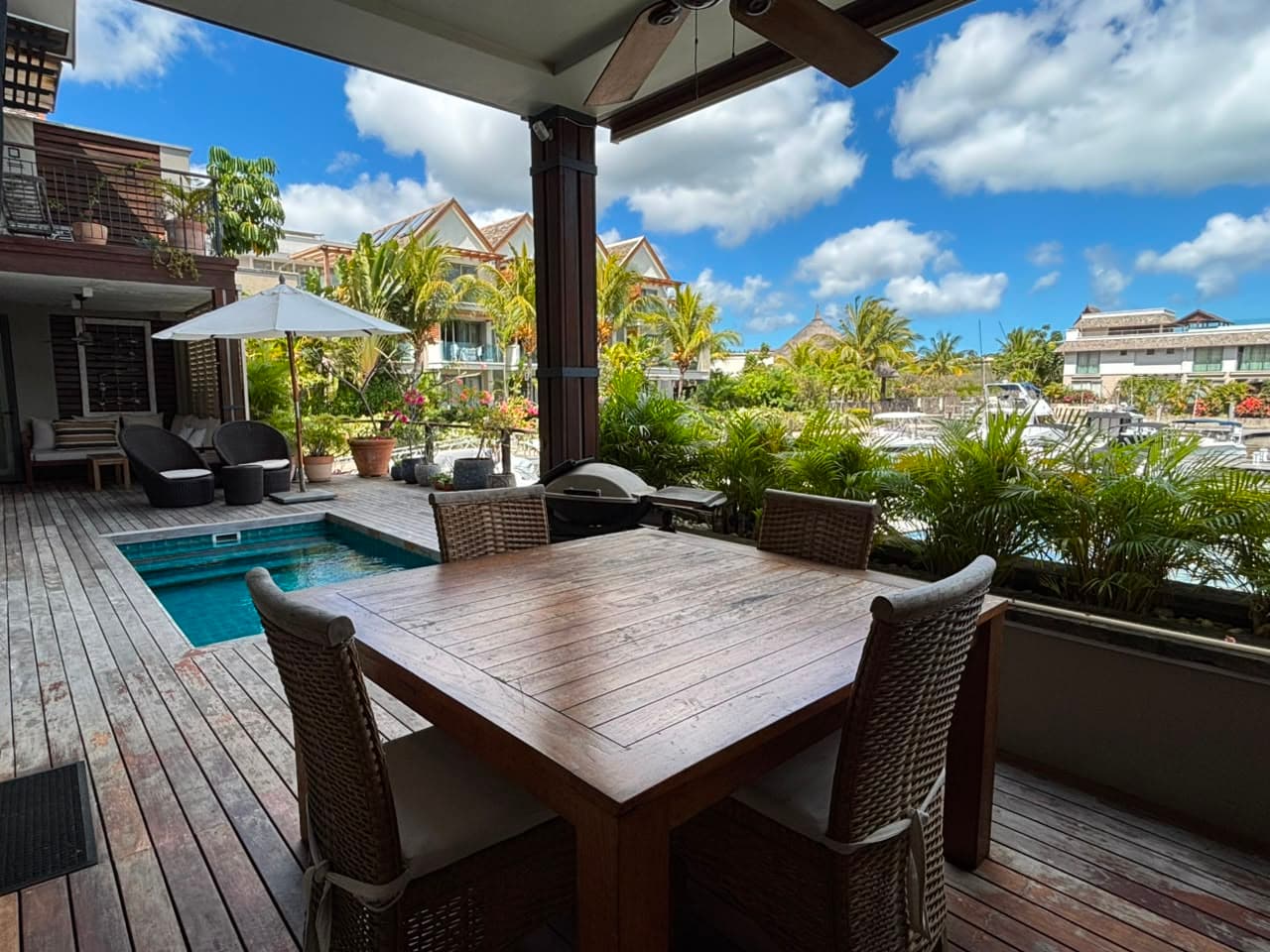
Ultimate Marina Lifestyle – Luxury Waterfront Residence, Private Mooring & Boat
44


Thinking of relocating to Mauritius? From rental costs and groceries to healthcare and taxes, this comprehensive 2024 guide breaks down exactly what British and European expats can expect to spend — and why so many are choosing the island as their permanent home.
Mauritius has long captured the imagination of European expats — and it's not hard to see why. Crystal-clear lagoons, a stable political climate, favourable tax conditions, and a genuinely warm welcome for foreigners have made this Indian Ocean island one of the most sought-after relocation destinations in the world. But before you start packing your bags, it pays to understand exactly what daily life costs here. The good news? For most British and European expats, Mauritius offers an exceptional quality of life at a price that frequently surprises — in the best possible way.
Compared to the UK, France, or Germany, Mauritius offers significantly lower living costs across most categories — from groceries to dining out, domestic help to private schooling. That said, it's not a budget destination. Imported goods, international schooling, and luxury property rentals carry price tags that reflect the island's premium positioning. The key is understanding where your money goes further and where it doesn't.
As a rough benchmark, a couple living comfortably — dining out regularly, running a car, and renting a modern apartment — can expect to spend between €2,500 and €4,000 per month, depending on their lifestyle and location.
Accommodation will likely be your largest monthly outlay. Rental prices vary considerably by region and property type. In popular expat areas such as Grand Baie in the north, Tamarin on the west coast, and the prestigious Beau Plan estate near Pamplemousses, you can expect to pay:
Many expats who plan to stay long-term choose to purchase property rather than rent. Under the Property Development Scheme (PDS) and other approved frameworks, non-citizens can legally buy property in Mauritius — and doing so above the USD 375,000 threshold automatically grants residency rights. This dual benefit of lifestyle and investment continues to attract high-net-worth individuals from across Europe.
Local markets and Mauritian produce are wonderfully affordable. Fresh vegetables, tropical fruits, fish, and street food from local vendors (known as gajaks) cost a fraction of European prices. A local market shop for two can come in well under €50 per week.
Imported goods — European cheeses, wine, branded cereals — carry import duties and can cost two to three times what you'd pay at home. Supermarkets like Winner's, Intermart, and La Maison du Fromage stock a wide range of international products for those willing to pay the premium.
Dining out is genuinely excellent value. A meal for two at a mid-range restaurant typically costs MUR 1,500–3,000 (€30–€60), while beachside shacks and Mauritian table d'hôte restaurants offer authentic cuisine for far less.
Owning or leasing a car is highly recommended — public transport exists but is limited for expat lifestyles. Car leasing starts at around MUR 18,000–25,000 per month (€360–€500) for a mid-range vehicle. Fuel costs are moderate, and the island is small enough that long commutes are rarely an issue. Uber operates in Mauritius, making occasional trips convenient and affordable.
Mauritius has a dual public-private healthcare system. While public hospitals are free to use, most expats opt for private healthcare, which is of a genuinely high standard. A comprehensive private health insurance policy for a couple typically costs between €150 and €350 per month, depending on coverage and age. Reputable private facilities such as Wellkin Hospital and C-Care clinics provide excellent care.
For families with children, schooling is a key consideration. The island hosts several well-regarded international schools, including the International School of Mauritius and Northfields International High School, offering British curriculum and IB programmes. Annual fees range from €8,000 to €18,000 per child — comparable to UK independent schools, though often with superior facilities and smaller class sizes.
One of Mauritius's most attractive features for European expats is its progressive personal income tax rates of 0% to 35%, with no capital gains tax, no inheritance tax, and no wealth tax. For entrepreneurs, retirees, and investors, this fiscal environment represents a substantial long-term saving compared to most European jurisdictions.
Whether you're drawn by the lifestyle, the tax advantages, or the investment potential, Mauritius rewards those who do their homework. Understanding the true cost of living is the first step — finding the right home is the next.
PropertyFinder Mauritius specialises in helping British and European buyers and renters find their ideal property on the island, from beachfront villas in Tamarin to contemporary PDS residences in Grand Baie. Explore our listings today and take the first step towards your Mauritian chapter.
Hand-picked
Riviere Noire · West

Baie du Cap · South

Tamarin · West

Baie du Cap · South

Beau Champ · East

Riviere Noire · West
Explore by region
Explore the site
Market updates, buying guidance and the best new listings, straight to your inbox.
About Mauritius · 28 Aug 2024
Mauritius is one of the safest islands in the Indian Ocean, but that doesn't stop savvy expats from seeking out martial arts and self-defense…
About Mauritius · 26 Aug 2024
Mauritius may be a small island, but its bookshops and online literary scene offer a surprisingly rich experience for expats and book lovers calling…
About Mauritius · 23 Aug 2024
From the UNESCO-listed heights of Le Morne Brabant to the vibrant streets of Grand Baie and the wild interior of Black River Gorges, Mauritius…
About Mauritius · 22 Aug 2024
The Mauritian Wildlife Foundation has spent four decades rescuing the island's rarest species and restoring its native ecosystems — and for those…
About Mauritius · 21 Aug 2024
The brilliantly coloured Mauritius day gecko is far more than a garden curiosity — as a native pollinator, seed disperser, and natural pest…
About Mauritius · 13 Aug 2024
Off the southwestern tip of Mauritius, an extraordinary optical illusion makes the Indian Ocean appear to cascade into an endless abyss — and a…
Browse our current listings or speak to an agent.


