FOR RENTExpat
Rs450K/mo
Riviere Noire · West
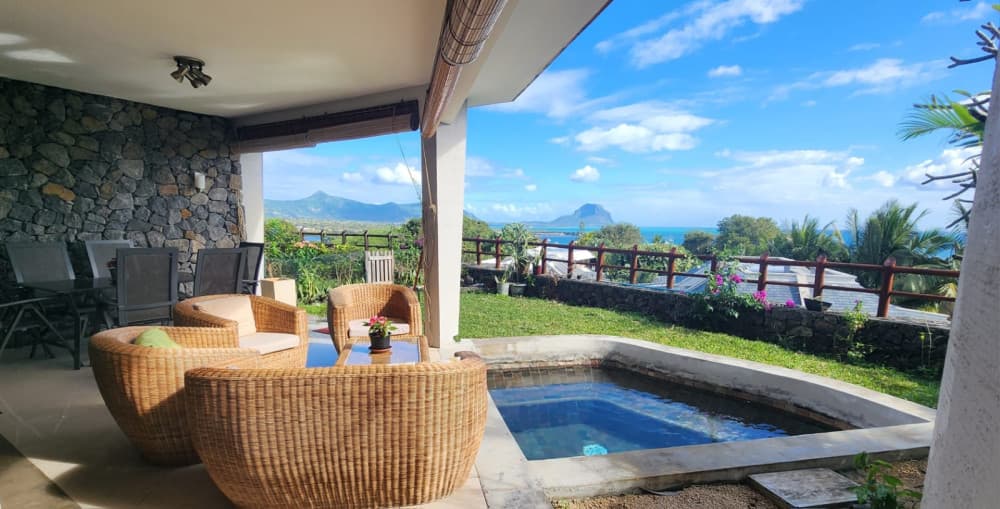
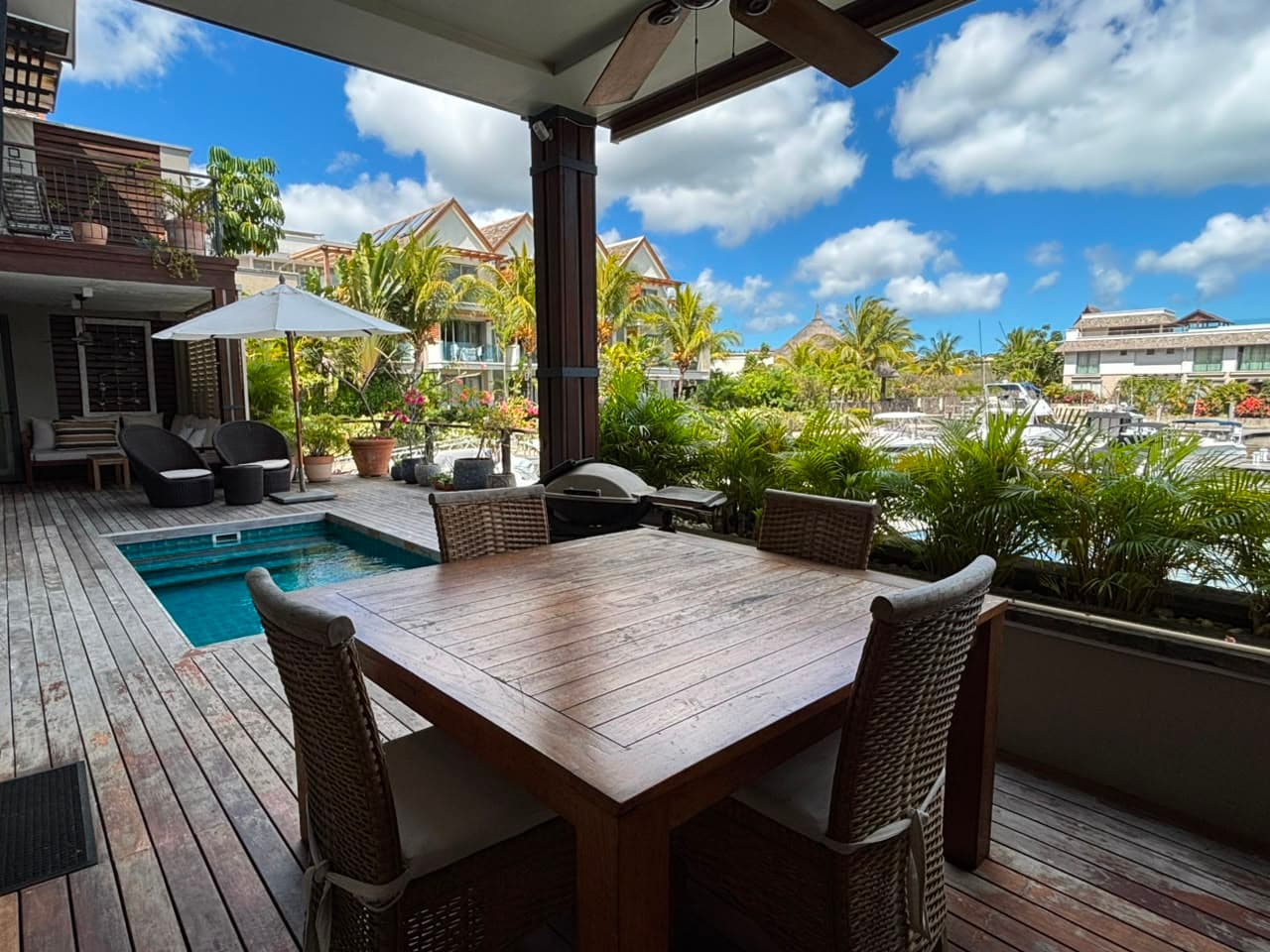
Ultimate Marina Lifestyle – Luxury Waterfront Residence, Private Mooring & Boat
44


Get deep knowledge Mauritian property buying: costs, process, services, and reviews explained clearly for foreign investors and relocating professionals.
Buying property in Mauritius as a foreign national is straightforward once you understand the rules, but that understanding has to be genuine, not surface-level. Deep knowledge Mauritian property means knowing which legal frameworks apply to your nationality, which property schemes permit foreign ownership, what the realistic costs are at every stage, and how to verify that any platform or agent you use is working in your interest. This guide gives you that foundation.
Mauritius restricts foreign freehold ownership to specific government-approved schemes. The main ones are:
Each scheme carries different residency permit eligibility, land registration tax rates, and title deed structures. Knowing which scheme a property falls under before you make an offer is not optional, it determines your rights, your costs, and your tax position.
Most foreign buyers begin their search online, often months before visiting Mauritius. A well-structured property search platform does several things that a general listing site cannot:
PropertyFinder Mauritius is built specifically for this audience. It aggregates listings across PDS, Smart City, G+2, and rental stock, and structures each listing with the information a foreign buyer needs to make a qualified decision rather than a speculative one.
One of the most common sources of confusion for international buyers is the gap between the listed price and the total cost of acquisition. Here is a plain breakdown:
| Cost Item | Typical Rate | |---|---| | Land Registration Duty | 5% of purchase price | | Notary Fees | ~1% (regulated scale) | | Agent Commission | 2–3% (usually paid by seller) | | Mortgage Registration (if applicable) | 0.5% of loan amount | | Title Deed Search & Admin | Fixed fees, usually under MUR 15,000 |
For a USD 500,000 PDS villa, the buyer's acquisition costs, excluding the purchase price, typically run between USD 27,000 and USD 35,000. Budgeting for this from the outset prevents delays at the notary stage.
If you are renting before buying, or investing in a rental property, expect:
Understanding the process end to end removes the anxiety that comes from not knowing what happens next.
Identify properties that match your budget, location preference, and legal eligibility. Confirm the scheme classification with the developer or agent before proceeding.
Once you have identified a property, a Letter of Intent (LOI) or reservation agreement is signed. A deposit, typically 1–2% of the purchase price, is paid to secure the property while due diligence is completed.
Your notary (or independent legal adviser) checks the title, confirms there are no encumbrances, verifies the scheme registration with the Economic Development Board (EDB), and reviews the developer's permits if the property is off-plan.
This is a binding contract signed before the Deed of Sale. It sets out the price, conditions precedent, and completion timeline. A further deposit, usually 10%, is paid at this stage.
Foreign buyers purchasing under PDS or Smart City require authorisation from the Economic Development Board. The application is submitted by the notary and typically takes four to eight weeks.
The final deed is signed before a Mauritian notary. Registration duty and notary fees are paid. Title transfers to the buyer. If a residency permit is linked to the purchase, it is applied for at this stage.
Not all listing platforms are equally useful for internationally mobile buyers. When evaluating any service, consider:
PropertyFinder Mauritius is designed to meet all of these criteria. Listings are categorised by scheme, agents are verified, and the platform provides editorial content that explains the legal and financial context behind each property type.
These are the errors that cost buyers time, money, or both:
For buyers purchasing as an investment, the rental market in Mauritius is segmented by location and property type:
Gross yield figures do not account for management fees, vacancy periods, or maintenance. Net yields for professionally managed properties typically run 1.5–2 percentage points below gross.
The Mauritian property market attracts buyers from the UK, France, South Africa, Germany, and beyond. Each brings different assumptions about how property transactions work. A French buyer expects a notarial process similar to France, and Mauritius does follow a broadly similar civil law structure, but with important differences in scheme law and EDB requirements. A British buyer may expect a conveyancing process with solicitors and exchange of contracts, the Mauritian process is different in structure and timeline.
Deep knowledge Mauritian property means understanding the system as it actually operates in Mauritius, not as it operates in your home country. That understanding is what separates buyers who complete transactions efficiently from those who encounter delays, unexpected costs, or, in rare cases, purchases that cannot proceed because a step was missed.
PropertyFinder Mauritius exists to close that knowledge gap: accurate listings, clear process guidance, verified agents, and editorial content written for internationally mobile buyers who want to make informed decisions.
Hand-picked
Riviere Noire · West

Baie du Cap · South

Tamarin · West

Baie du Cap · South
Beau Champ · East

Riviere Noire · West
Explore by region
Explore the site
Market updates, buying guidance and the best new listings, straight to your inbox.
Mauritius Real Estate · 14 Oct 2026
Everything you need to know about house rental in Mauritius: costs, locations, lease rules, and how to find the right property. Updated guide for…
Mauritius Real Estate · 13 Oct 2026
Where to find a business park in Mauritius, what leasing or buying costs, and how foreign companies set up. Covers Ebène, Grand Baie, Pailles and…
Mauritius Real Estate · 12 Oct 2026
A practical guide to business insurance in Mauritius for property owners, landlords, and investors. Covers key cover types, costs, and what to check…
Mauritius Real Estate · 10 Oct 2026
Everything you need to know about getting a skipper license in Mauritius, from exam requirements to costs, plus how it connects to waterfront living.
Mauritius Real Estate · 9 Oct 2026
Find bungalows for rent in Mauritius: coastal, urban, and waterfront options explained, with inspection tips and neighbourhood comparisons.
Mauritius Real Estate · 9 Oct 2026
Explore the business park in Mauritius Riviere Noire, commercial real estate options, waterfront property, and financing routes for foreign buyers.
Browse our current listings or speak to an agent.