FOR RENTExpat
Rs450K/mo
Riviere Noire · West
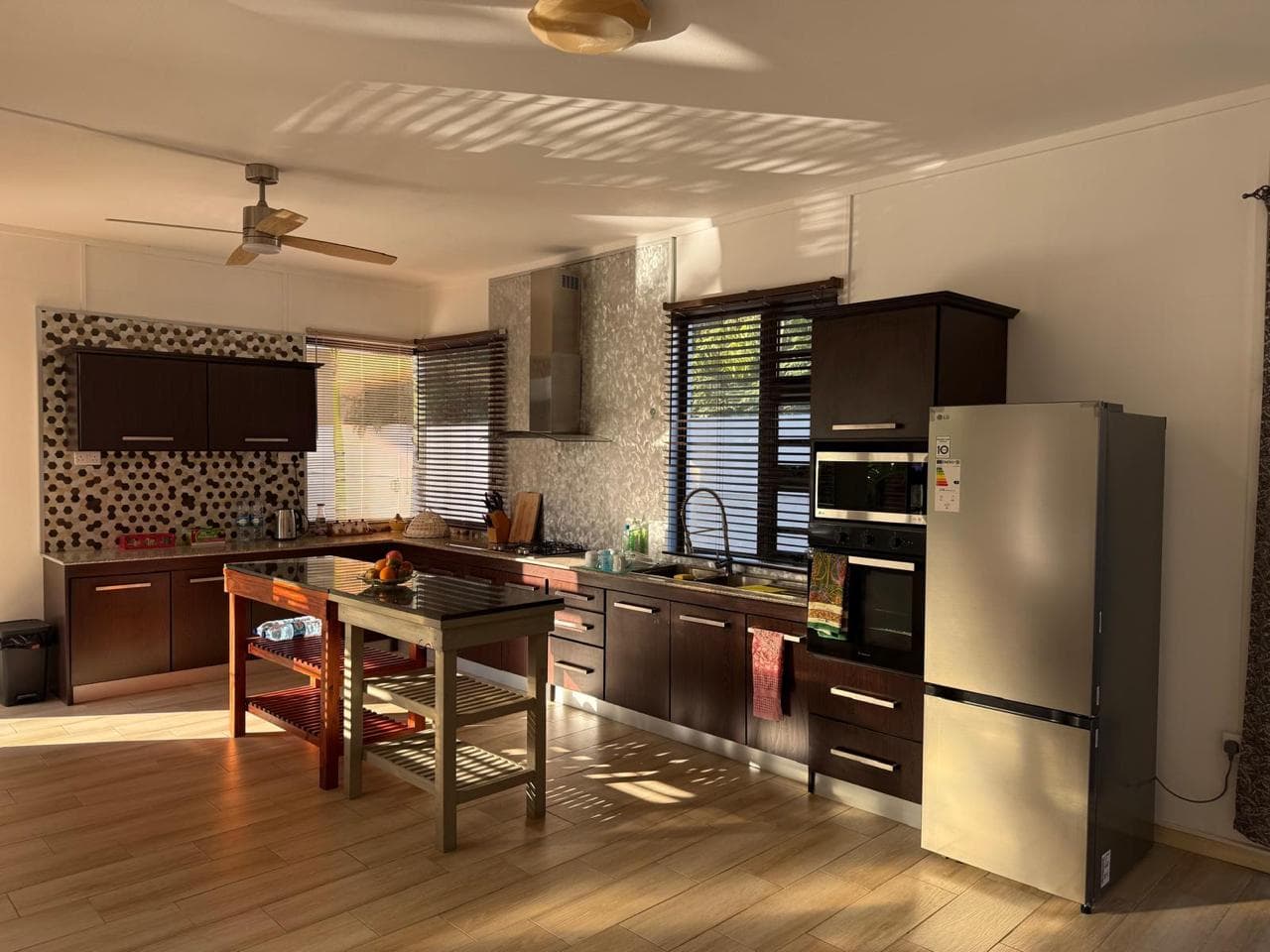
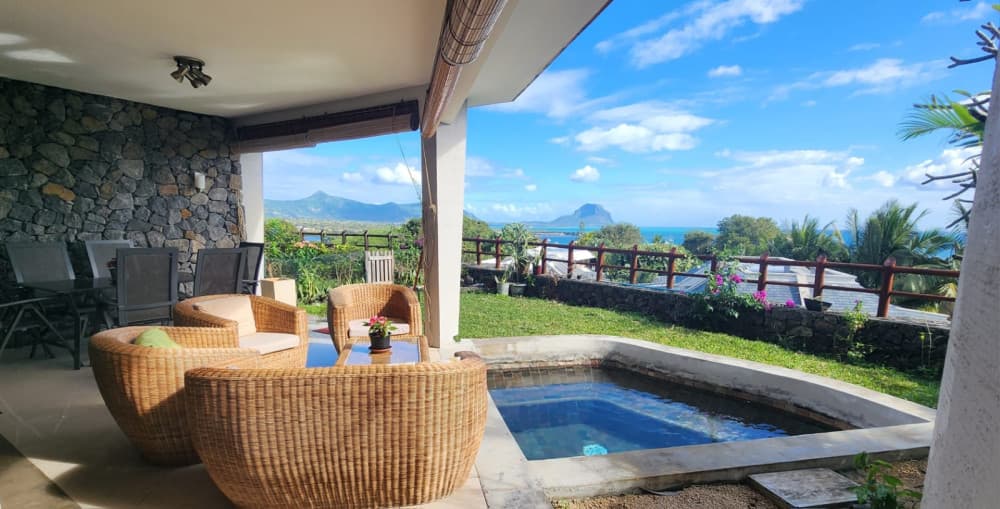
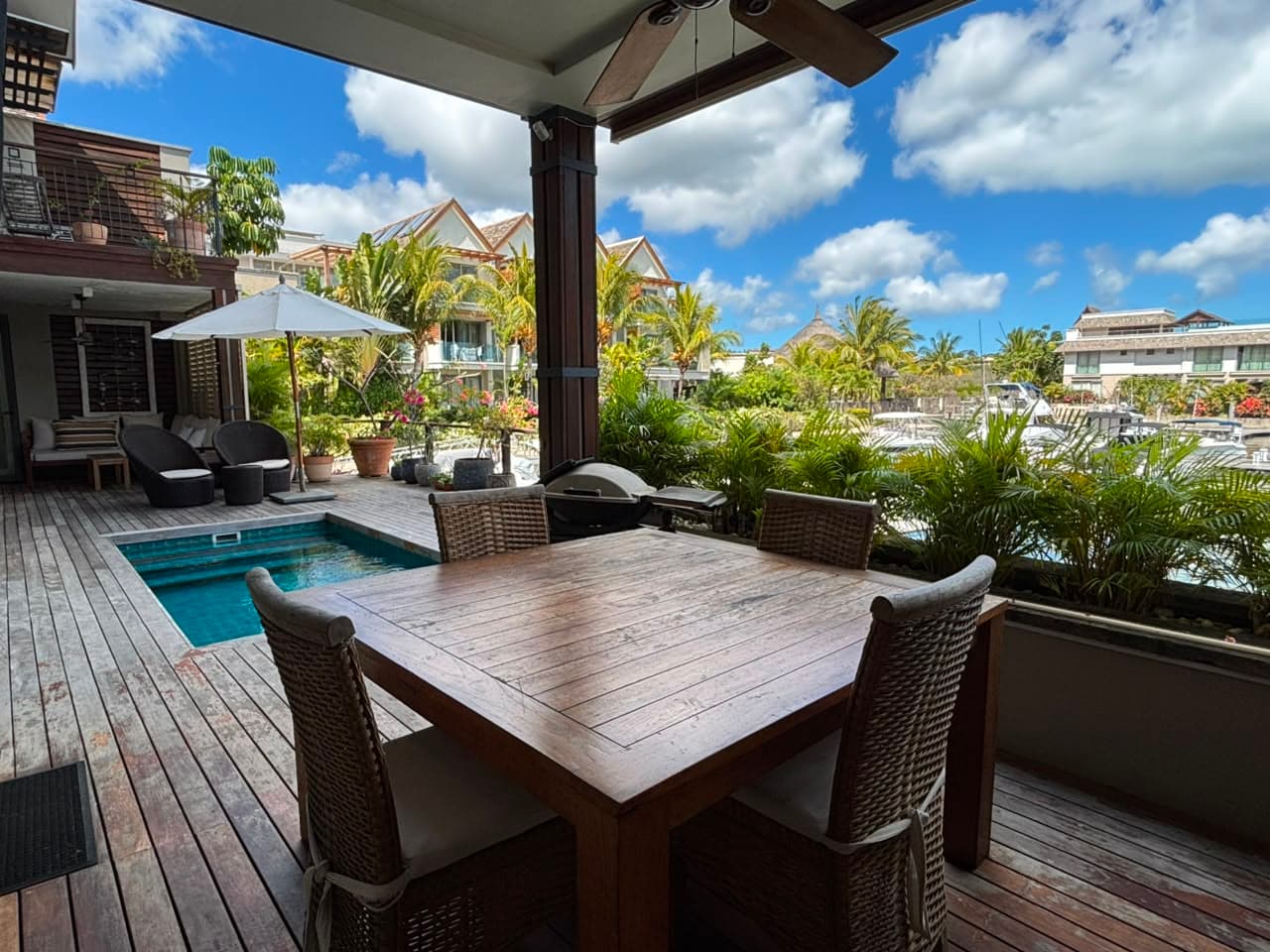
Ultimate Marina Lifestyle – Luxury Waterfront Residence, Private Mooring & Boat
44

Mauritius has built one of the Indian Ocean region's most robust cyclone response systems, spanning government agencies, regional bodies, and active NGOs — a fact that should reassure any expat or investor considering life on the island. From the four-tier warning system managed by the …
For anyone considering a move to — or investment in — the Indian Ocean's most celebrated island, understanding how Mauritius handles natural disasters is not just prudent; it is essential. Cyclone season in the South-West Indian Ocean runs broadly from November to May, and while Mauritius has not taken a direct hit from a major cyclone in several decades, the threat remains real. What is equally real, however, is the island's remarkably sophisticated and well-coordinated response infrastructure — one that gives residents, expats, and property investors considerable reassurance.
Mauritius sits at roughly 20 degrees south latitude, placing it within the cyclone belt of the South-West Indian Ocean. Neighbouring islands such as Rodrigues, Réunion, and the Maldives are similarly exposed, and the broader region has experienced increasingly intense tropical systems in recent years, a trend climate scientists attribute to warming sea surface temperatures.
The Mauritius Meteorological Services (MMS), operating under the Ministry of Energy and Public Utilities, is the frontline authority for cyclone monitoring and early warning. The MMS maintains a four-tier Cyclone Warning System — from Class 1 (a cyclone within 150 km but not expected to cause major damage) through to Class 4 (extreme winds of over 120 km/h imminent). This graduated system gives residents and businesses time to prepare, and it is communicated across national radio, television, and increasingly through digital channels and mobile alerts.
The National Disaster Risk Reduction and Management Centre (NDRRMC) sits at the heart of Mauritius's institutional response. Established under the National Disaster Risk Reduction and Management Act 2016, the NDRRMC coordinates between government ministries, local authorities, emergency services, and civil society. It maintains pre-positioned resources — including emergency food stocks, temporary shelters, and medical supplies — across the island's districts.
When a cyclone warning escalates to Class 3 or 4, the National Crisis Committee convenes under the Prime Minister's Office. Schools are closed, public transport halts, and residents in coastal or low-lying areas are directed to cyclone shelters, of which Mauritius maintains over 700 across the island. These are typically solid public buildings — schools, sports halls, and community centres — retrofitted to withstand significant wind loads.
For property owners and investors, it is worth noting that building codes in Mauritius have been progressively strengthened. Modern residential and commercial developments — particularly those built within the last decade in premium areas such as Tamarin, Grand Baie, and Beau Champ — are generally engineered to cyclone-resistant standards, offering a meaningful layer of protection for your asset.
Beyond government structures, a network of non-governmental organisations plays a vital role in disaster response and community resilience. Caritas Mauritius, one of the island's most active humanitarian organisations, deploys rapidly in the aftermath of cyclones to assist vulnerable families with food, clean water, and temporary shelter. The Mauritius Red Cross Society similarly mobilises volunteers for search and rescue, first aid, and psychosocial support.
Regional coordination is also significant. The Indian Ocean Commission (IOC), of which Mauritius is a founding member, facilitates cross-border disaster response among island nations in the South-West Indian Ocean. This means that in a major regional event, resources and expertise can flow between Mauritius, Réunion, Madagascar, the Comoros, and the Seychelles with relative efficiency.
International NGOs and UN agencies, including OCHA and UNDP, have also supported capacity-building programmes in the region, helping local authorities improve early warning dissemination and community-level preparedness — particularly in more remote areas such as Rodrigues Island.
For British and European expats considering a permanent move or a second home on the island, the maturity of Mauritius's disaster response framework is genuinely reassuring. The island's infrastructure resilience, combined with a well-informed and calm local population accustomed to cyclone protocols, means that disruption — when it does occur — is generally managed efficiently and with minimal panic.
Practically speaking, expat residents are advised to register with their embassy, maintain a 72-hour emergency kit, and familiarise themselves with their nearest designated cyclone shelter. Most residential estate communities and Integrated Resort Scheme (IRS) developments also have their own emergency protocols and estate management teams on hand.
The broader message is this: cyclone risk in Mauritius is real but manageable. The government, NGOs, regional bodies, and increasingly the private sector have built a layered system of preparedness that compares favourably with many developed nations.
Thinking about making Mauritius your permanent home or securing a property investment on the island? Explore our curated listings at PropertyFinder Mauritius — from cyclone-resilient luxury villas in the North to serene beachfront apartments on the West Coast. Our team can help you find a property that combines lifestyle, security, and long-term value.
Hand-picked
Riviere Noire · West

Baie du Cap · South

Tamarin · West
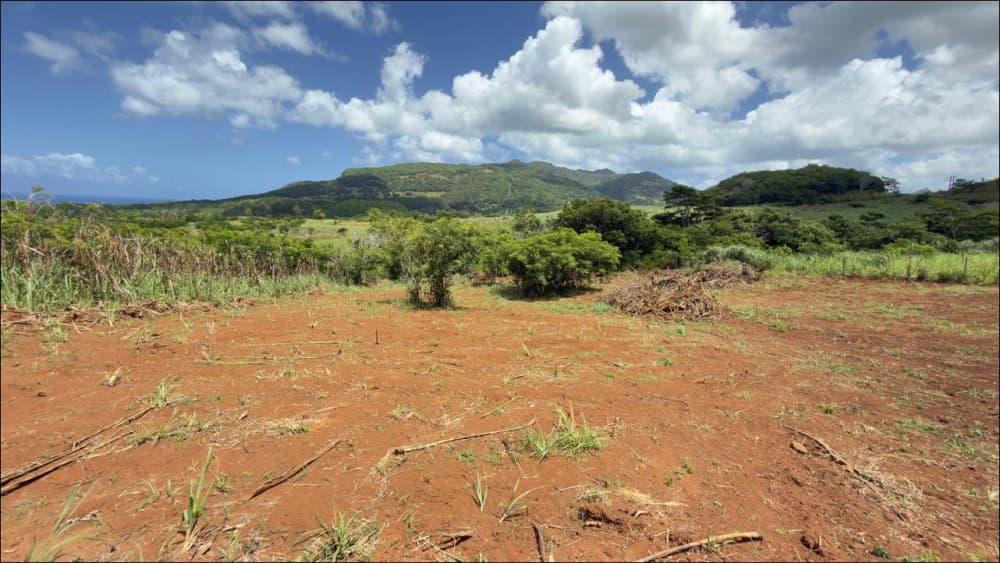
Baie du Cap · South
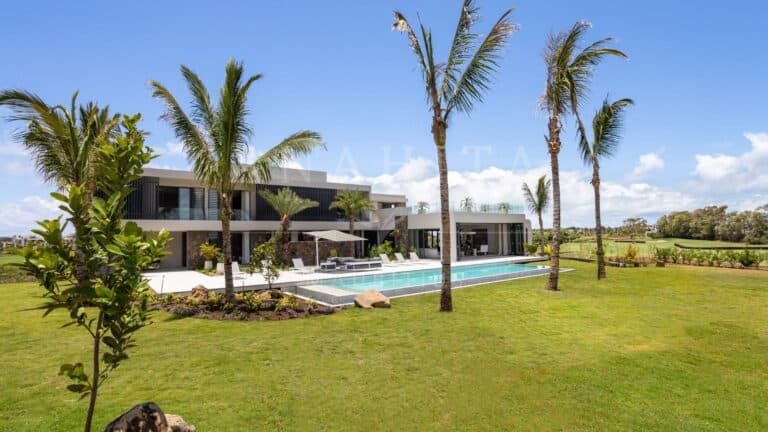
Beau Champ · East
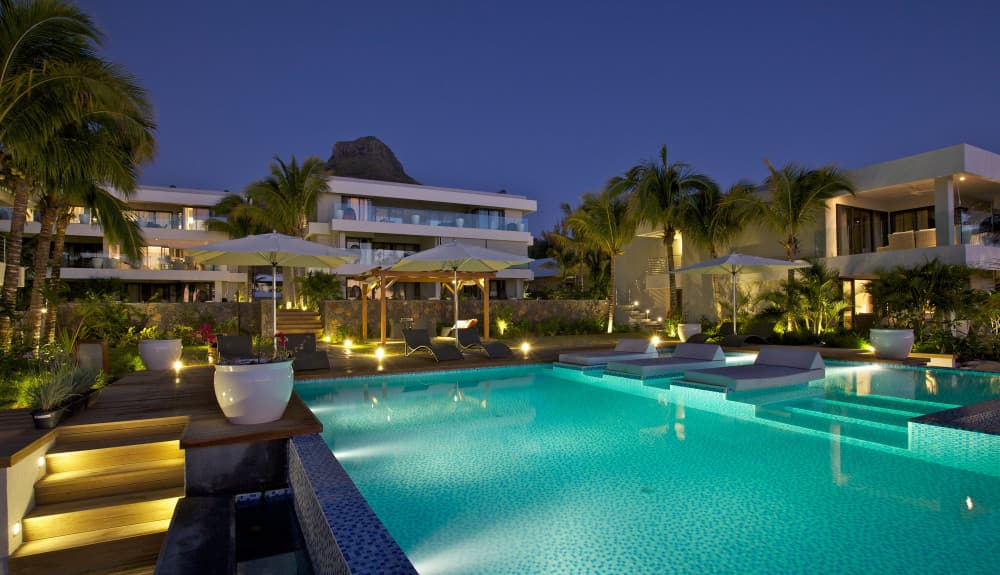
Riviere Noire · West
Explore by region
Explore the site
Market updates, buying guidance and the best new listings, straight to your inbox.
About Mauritius · 28 Aug 2024
Mauritius is one of the safest islands in the Indian Ocean, but that doesn't stop savvy expats from seeking out martial arts and self-defense…
About Mauritius · 26 Aug 2024
Mauritius may be a small island, but its bookshops and online literary scene offer a surprisingly rich experience for expats and book lovers calling…
About Mauritius · 23 Aug 2024
From the UNESCO-listed heights of Le Morne Brabant to the vibrant streets of Grand Baie and the wild interior of Black River Gorges, Mauritius…
About Mauritius · 22 Aug 2024
The Mauritian Wildlife Foundation has spent four decades rescuing the island's rarest species and restoring its native ecosystems — and for those…
About Mauritius · 21 Aug 2024
The brilliantly coloured Mauritius day gecko is far more than a garden curiosity — as a native pollinator, seed disperser, and natural pest…
About Mauritius · 13 Aug 2024
Off the southwestern tip of Mauritius, an extraordinary optical illusion makes the Indian Ocean appear to cascade into an endless abyss — and a…
Browse our current listings or speak to an agent.