FOR SALEExpat
€1.0M
Baie du Cap · South
Bioclimatic Villa in Mauritius – 3-Bedroom Luxury Home with Private Pool
33

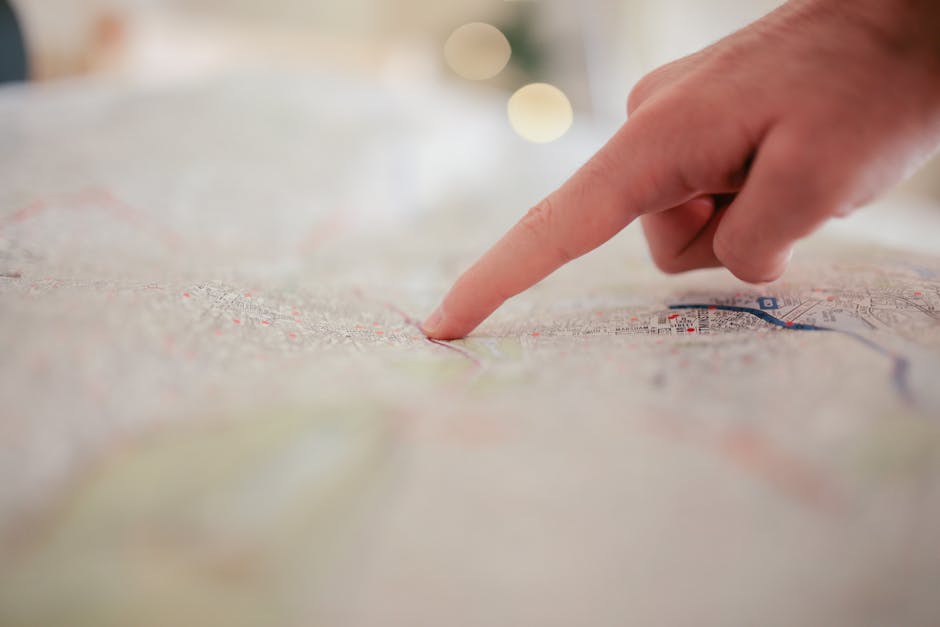
Mauritius is far more than beautiful beaches — it's a living tapestry of cultures, UNESCO World Heritage Sites and centuries of history that make island life here genuinely extraordinary. Discover the cultural treasures that make Mauritius one of the most compelling destinations in the …
Most people arrive in Mauritius expecting little more than turquoise lagoons and five-star resorts. What they find, once they look beyond the beach umbrellas, is something far more extraordinary — a living mosaic of cultures, traditions and histories that makes this small island one of the most fascinating destinations in the Indian Ocean. For those considering a move or investment here, understanding the depth of Mauritius's heritage isn't just enriching; it's essential to appreciating why this island is so genuinely unique.
Mauritius was uninhabited until the 16th century, and its entire population descends from waves of settlers and settlers brought here by colonial ambition and trade. Dutch, French and British colonisers each left their mark, as did the hundreds of thousands of enslaved Africans and indentured labourers from India and China who built the island's sugar economy. The result is a multicultural society unlike anywhere else on earth — where Tamil temples stand beside colonial churches, where Creole, Hindi, Bhojpuri, French and English all coexist, and where Diwali, Eid, Christmas and Chinese New Year are all celebrated as national holidays.
For European expats settling on the island, this cultural richness isn't just backdrop — it becomes part of daily life, from the food on your table to the festivals lighting up your neighbourhood.
No cultural journey through Mauritius is complete without a visit to Aapravasi Ghat in Port Louis. This UNESCO World Heritage Site was the first immigration depot built by the British Empire to receive indentured labourers — nearly half a million people passed through its stone gates between 1834 and 1923, many of them from India, arriving to work the sugar plantations after the abolition of slavery. Today, the site stands as a powerful and moving monument to resilience, and its small but thoughtfully curated museum provides essential context for understanding modern Mauritian society.
On the southwestern peninsula, the dramatic basalt mountain of Le Morne Brabant — another UNESCO World Heritage Site — carries a profound historical weight. It served as a refuge for maroons, enslaved people who escaped their captors and hid in its caves and clifftops. The mountain is now a symbol of the Mauritian fight for freedom and is recognised internationally as a monument to the memory of slavery. Hiking to its summit rewards visitors with sweeping views over the lagoon, but the emotional landscape here is just as powerful as the physical one.
Port Louis, Mauritius's vibrant capital, is where the island's multicultural character is most vividly expressed. Wander through Chinatown, one of the oldest in the Indian Ocean region, where incense drifts from ornate temples and traditional apothecaries sit beside contemporary restaurants. Nearby, the Central Market is a sensory delight — piles of tropical fruit, bolts of fabric, street food vendors and spice merchants all jostling in a Victorian-era iron structure that has barely changed in 150 years.
The Blue Penny Museum, tucked near the waterfront, houses one of philately's greatest treasures — the original 1847 Mauritian postage stamps, the Blue Penny and the Red Penny, among the rarest stamps in the world. It's a reminder that Mauritius has always been a place of global connection and significance.
Culture in Mauritius is not preserved behind glass — it's lived. Cavadee sees Hindu devotees carry ornate wooden structures pierced through their skin in acts of devotion to Lord Murugan. Maha Shivaratri, one of the largest Hindu pilgrimages outside India, draws hundreds of thousands of worshippers on a 11-kilometre walk to the sacred crater lake of Grand Bassin. Meanwhile, Sega — the island's traditional music and dance, born from the suffering of enslaved Africans — continues to evolve and thrive, performed everywhere from village squares to boutique resort stages.
For expats and investors, buying into Mauritius means buying into this living cultural fabric. Neighbourhoods like Tamarin, Grand Baie and the Historic Quarter of Port Louis each offer a different flavour of island life, from laid-back surf culture to colonial architecture and cosmopolitan dining.
The cultural depth of Mauritius adds immeasurable value to life here — and, increasingly, to property investment as well. Buyers seeking more than a holiday home are drawn to communities where authenticity, history and modern comfort coexist seamlessly. Understanding the island's heritage helps you choose not just a property, but a lifestyle and a community that genuinely resonates.
Ready to find your place in this remarkable island? PropertyFinder Mauritius connects discerning buyers and investors with the finest properties across the island, from oceanfront villas in the north to hillside retreats in the south. Explore our listings today and take the first step towards making Mauritius your home.
Hand-picked
Baie du Cap · South

Riviere Noire · West

Tamarin · West

Beau Champ · East

Tamarin · West

Baie du Cap · South
Explore by region
Explore the site
Browse our current listings or speak to an agent.