FOR RENTExpat
Rs450K/mo
Riviere Noire · West
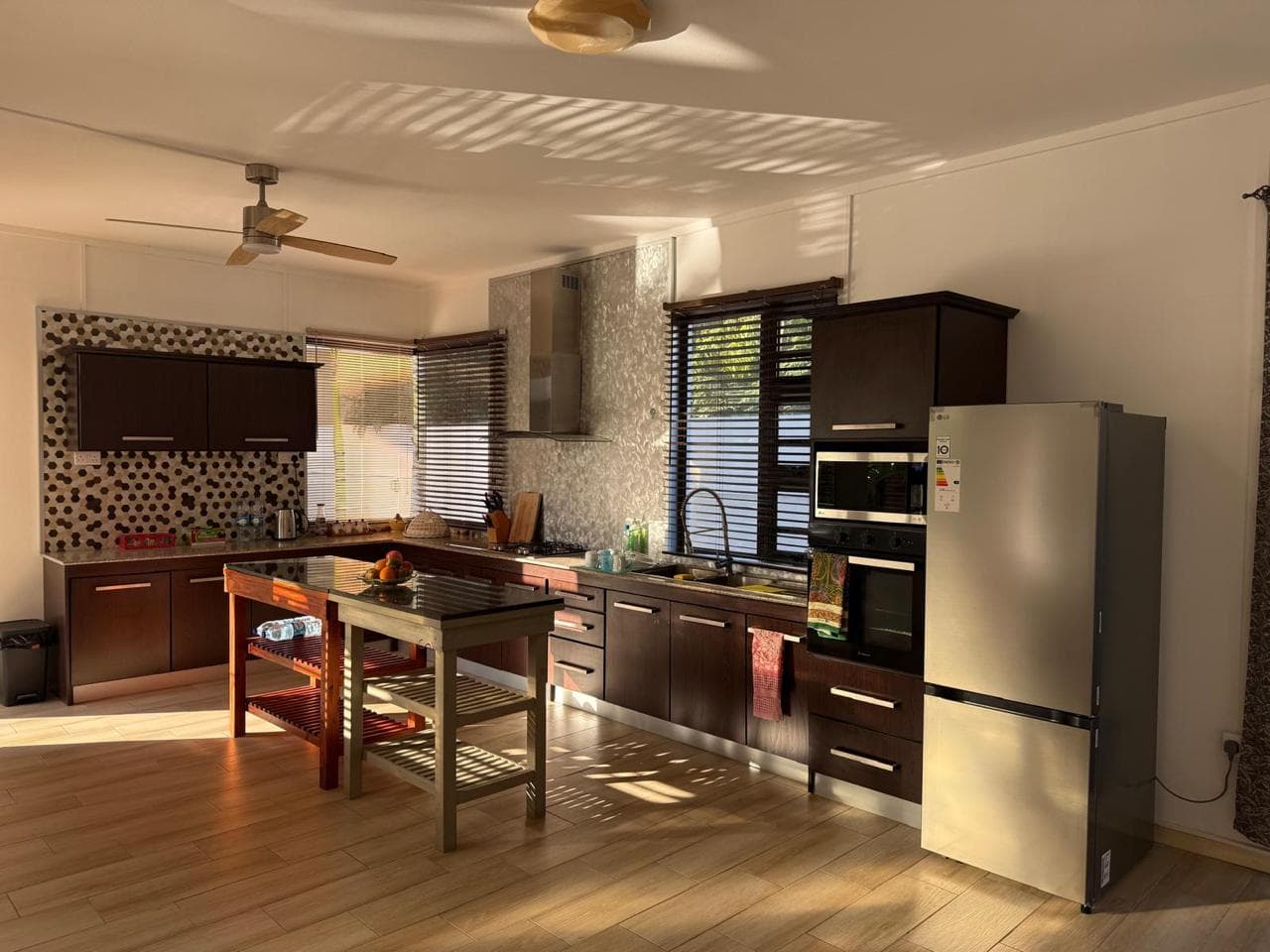
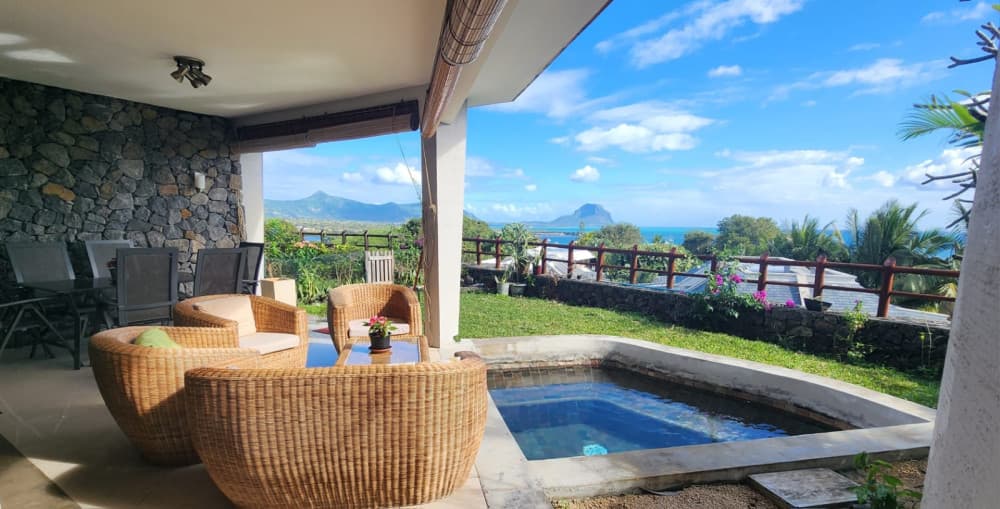
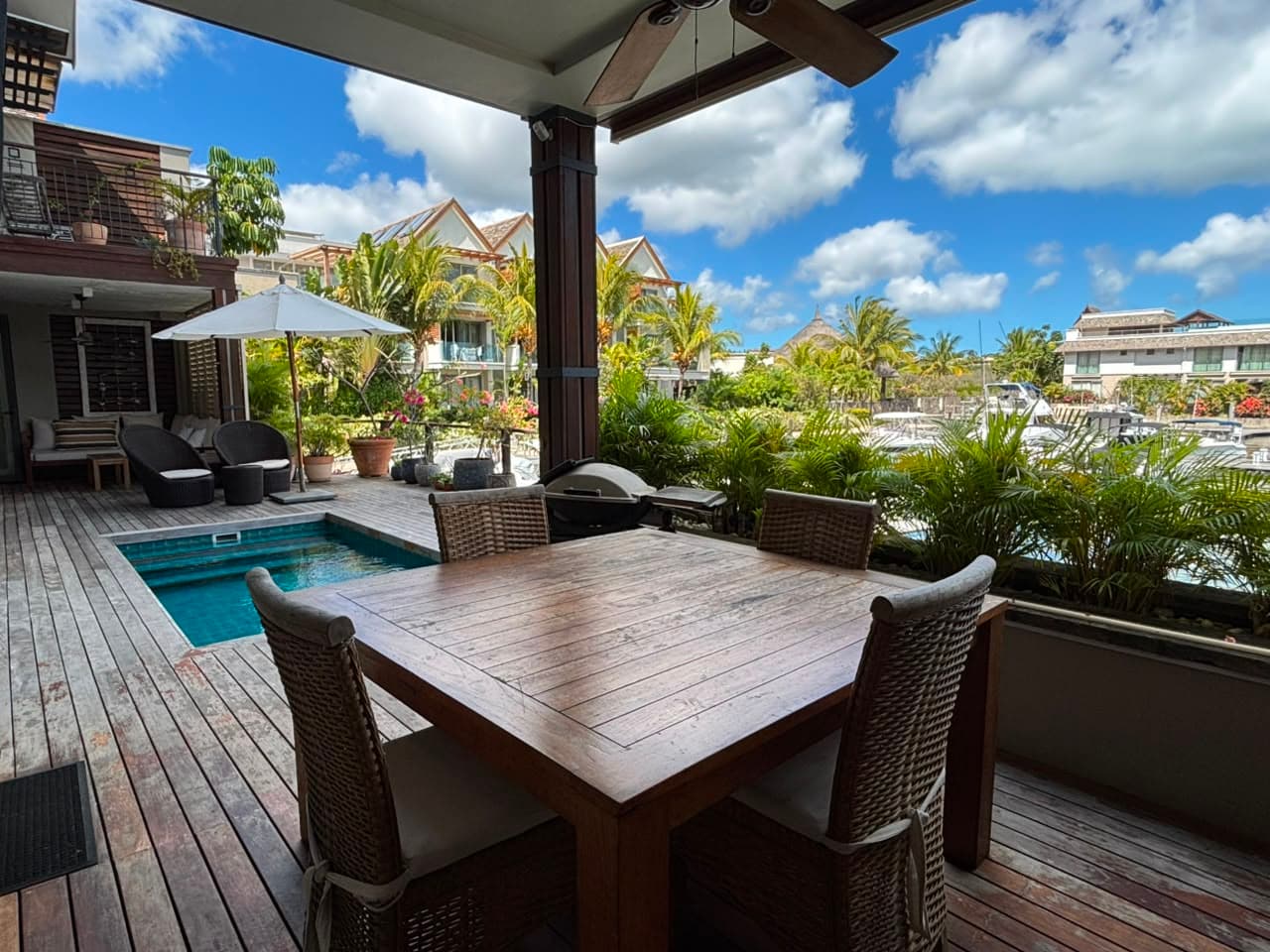
Ultimate Marina Lifestyle – Luxury Waterfront Residence, Private Mooring & Boat
44


Mauritian Creole is far more than a local dialect — it is the cultural soul of the island, and learning even a few phrases can transform the experience of living or investing in Mauritius from transactional to deeply personal. This beginner's guide explores the origins of Morisyen, esse…
When British and European buyers first consider Mauritius property investment, they are often drawn in by the obvious: the turquoise lagoons, the year-round sunshine, the world-class golf courses. But those who ultimately fall in love with the island — and choose to put down roots here — tend to point to something less tangible: the warmth of its people and the musicality of its language.
Mauritian Creole, known locally as Morisyen, is the heartbeat of everyday life on the island. Understanding even a handful of phrases can transform your experience from that of a tourist to that of a genuine community member — and if you are considering making Mauritius your home or investment base, that distinction matters enormously.
Mauritian Creole is a French-based creole language that evolved during the colonial period as a means of communication between French colonisers, African enslaved people, and later, indentured workers from India and China. The result is a beautifully layered tongue that borrows heavily from French but weaves in influences from Malagasy, Bhojpuri, English, and Tamil.
While Mauritius has three official languages — English, French, and Creole — it is Creole that most Mauritians use at home, in markets, with friends, and at family gatherings. Speaking even a little Morisyen signals respect and genuine interest in local culture, something that residents and neighbours genuinely appreciate.
You do not need to be fluent to make a meaningful impression. Here are some foundational phrases that will serve you well in daily island life:
Pronunciation is generally straightforward for French speakers, but even without a French background, the phonetic nature of Creole means most words are spoken largely as they are written.
For expats settling in areas like Grand Baie, Tamarin, or Beau Vallon, where vibrant local communities sit alongside international residents, a grasp of Creole opens doors that remain closed to those who rely solely on English. Local markets such as the Port Louis Central Market or the weekly street fairs in the South become richer experiences when you can exchange pleasantries with vendors in their preferred tongue.
Mauritius is a multilingual society, and locals switch fluidly between English, French, and Creole depending on context. You will find that English is perfectly sufficient in business settings, schools, and legal transactions — particularly relevant for those navigating the Property Development Scheme (PDS) or Smart City developments as foreign buyers. But socially, Creole is where authentic connection happens.
For those serious about learning Morisyen before or after their move, there are several practical options:
There is a practical dimension to cultural integration that extends beyond social comfort. Expat homeowners who genuinely engage with local communities tend to have smoother experiences with property management, neighbourhood relations, and local governance. Understanding Creole allows you to communicate more naturally with household staff, building contractors, and local tradespeople — relationships that are central to maintaining a property on the island.
Beyond practicality, language is a statement of intent. In a country that has welcomed foreign investment thoughtfully and selectively, demonstrating cultural curiosity is a form of respect that resonates deeply with Mauritians.
Mauritius rewards those who look beyond its postcard perfection. Its Creole language is not a barrier — it is an invitation.
Thinking about making Mauritius your permanent home or investment destination? At PropertyFinder Mauritius, we connect discerning buyers with the finest properties across the island, from oceanfront villas in the North to contemporary smart city apartments in the West. Explore our listings today and let us help you find not just a property, but a place where you truly belong.
Hand-picked
Riviere Noire · West

Baie du Cap · South
Tamarin · West

Baie du Cap · South
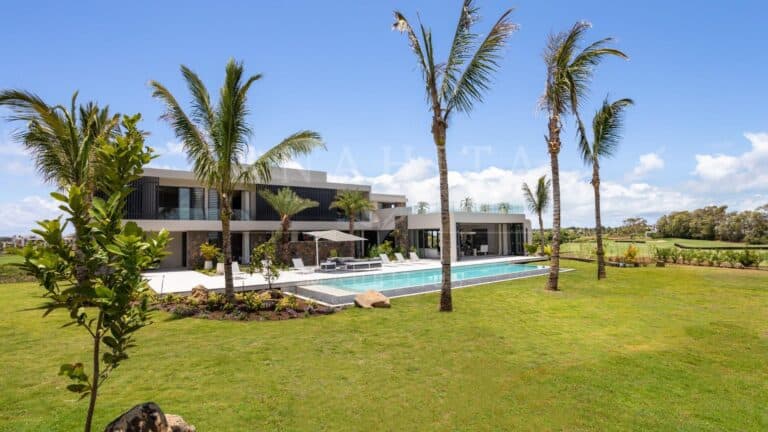
Beau Champ · East
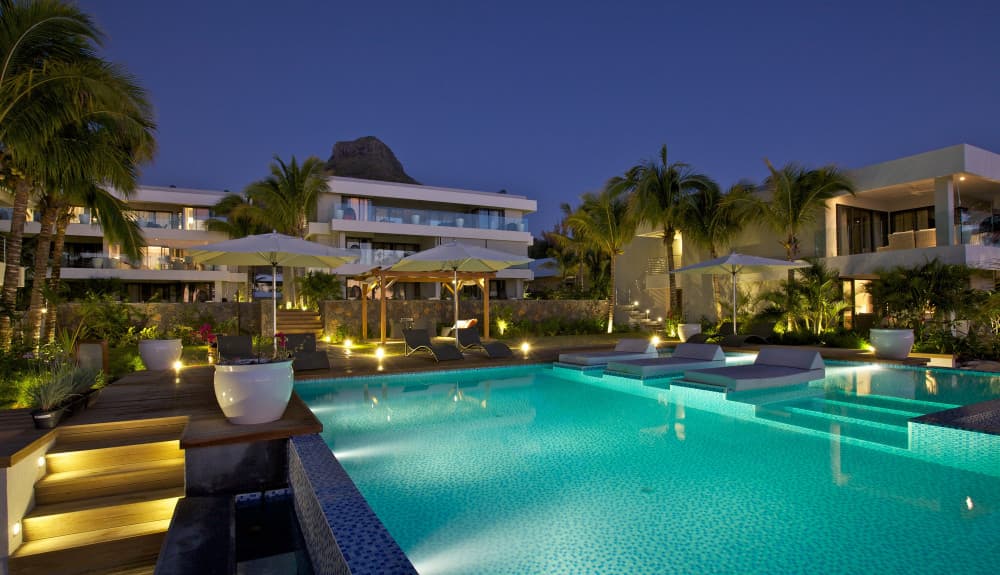
Riviere Noire · West
Explore by region
Explore the site
Market updates, buying guidance and the best new listings, straight to your inbox.
About Mauritius · 28 Aug 2024
Mauritius is one of the safest islands in the Indian Ocean, but that doesn't stop savvy expats from seeking out martial arts and self-defense…
About Mauritius · 26 Aug 2024
Mauritius may be a small island, but its bookshops and online literary scene offer a surprisingly rich experience for expats and book lovers calling…
About Mauritius · 23 Aug 2024
From the UNESCO-listed heights of Le Morne Brabant to the vibrant streets of Grand Baie and the wild interior of Black River Gorges, Mauritius…
About Mauritius · 22 Aug 2024
The Mauritian Wildlife Foundation has spent four decades rescuing the island's rarest species and restoring its native ecosystems — and for those…
About Mauritius · 21 Aug 2024
The brilliantly coloured Mauritius day gecko is far more than a garden curiosity — as a native pollinator, seed disperser, and natural pest…
About Mauritius · 13 Aug 2024
Off the southwestern tip of Mauritius, an extraordinary optical illusion makes the Indian Ocean appear to cascade into an endless abyss — and a…
Browse our current listings or speak to an agent.