FOR RENTExpat
Rs450K/mo
Riviere Noire · West
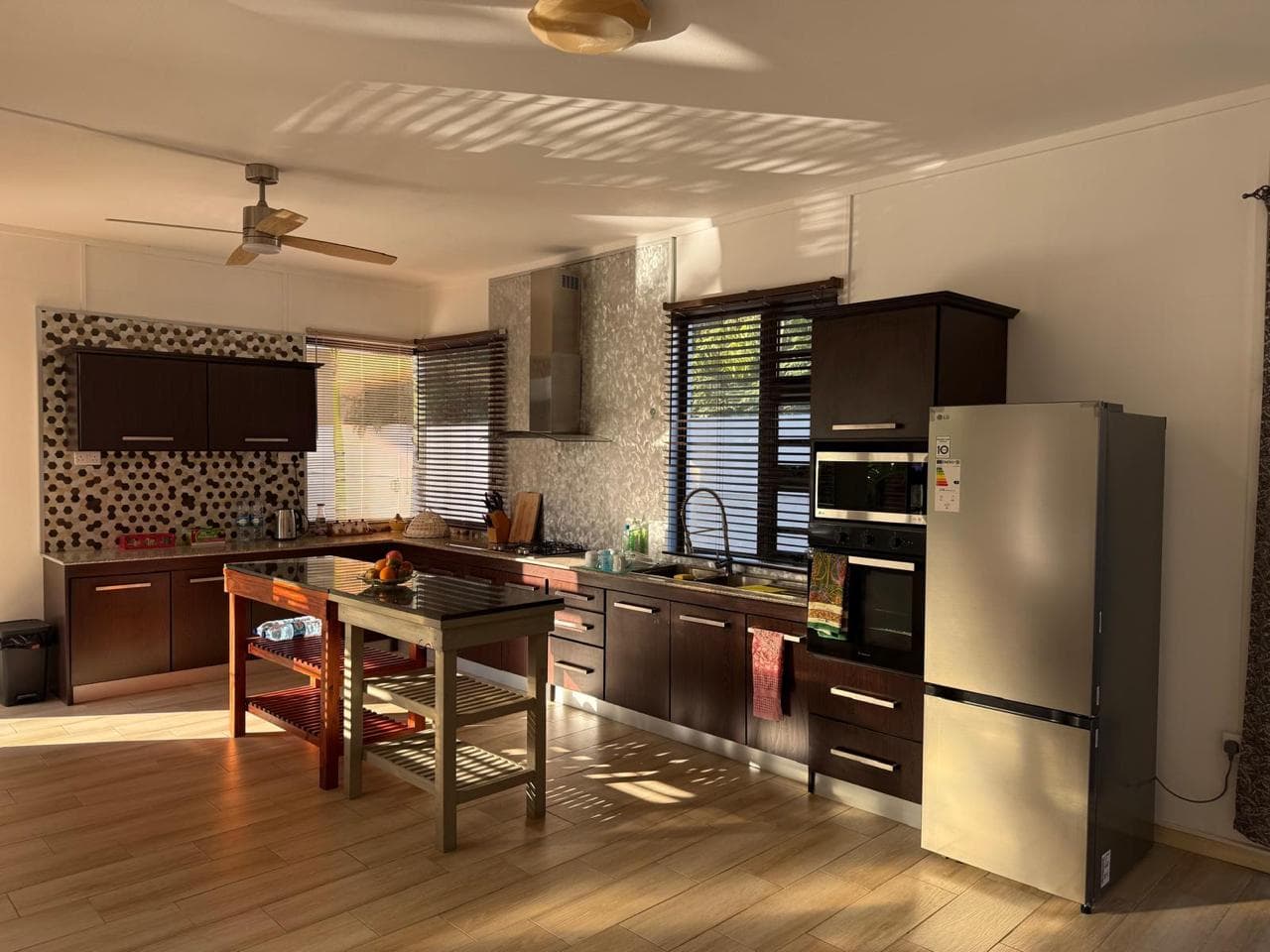
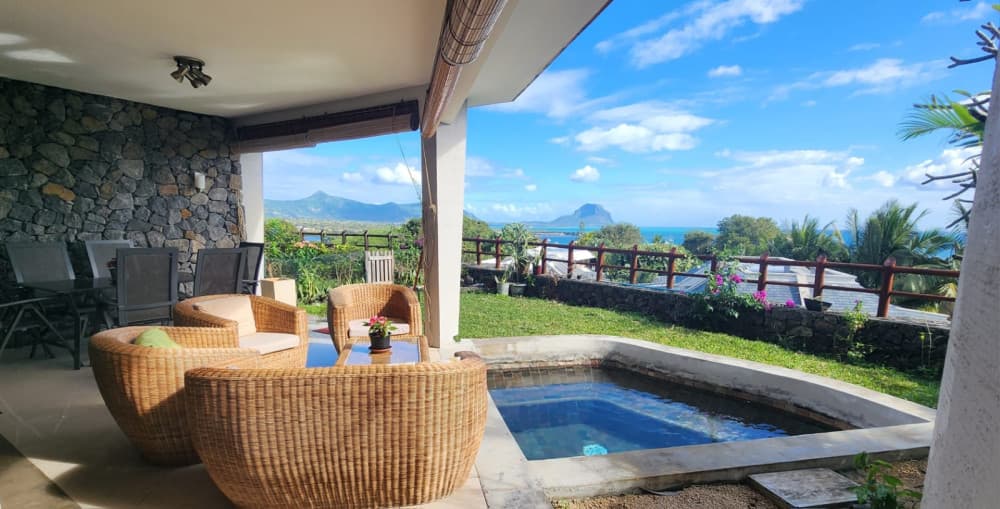
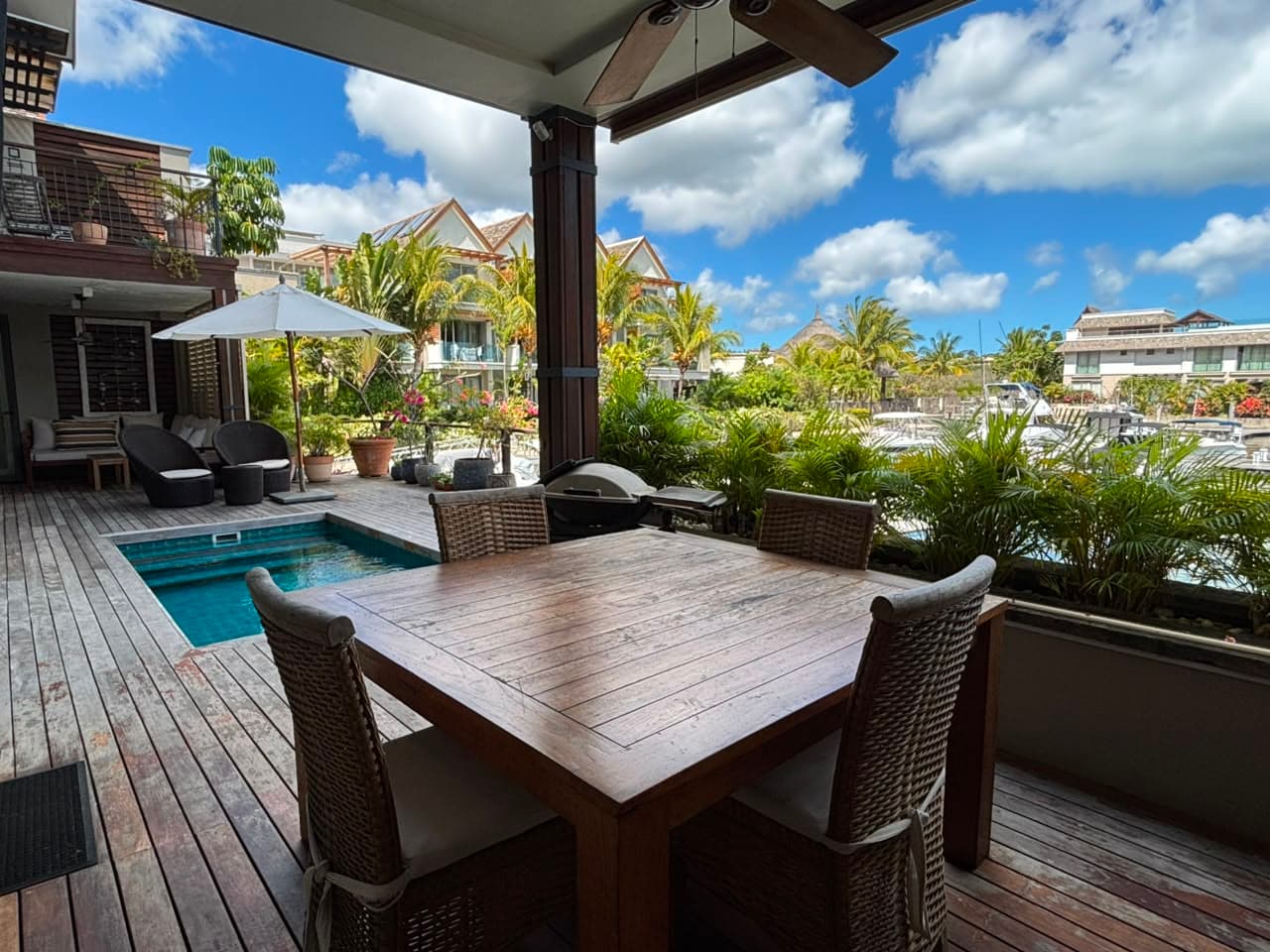
Ultimate Marina Lifestyle – Luxury Waterfront Residence, Private Mooring & Boat
44

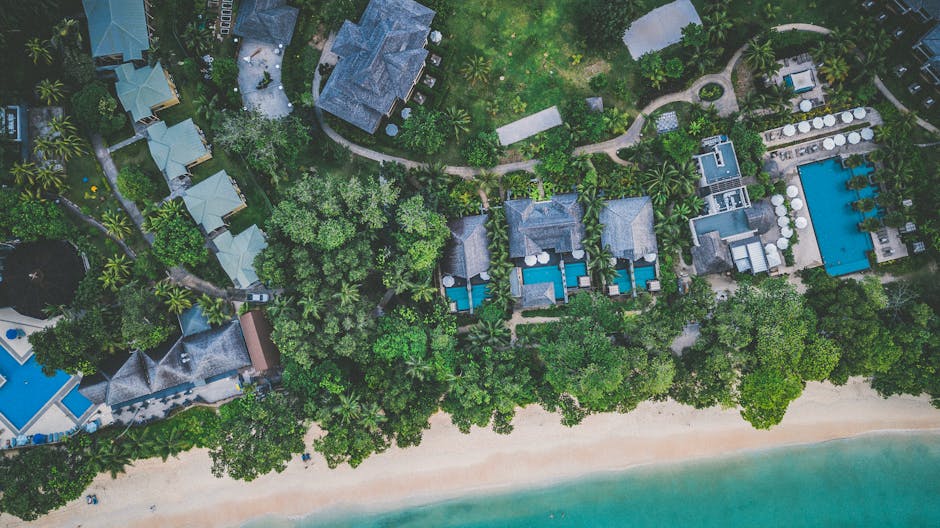
Just four hours from Johannesburg, Mauritius offers South Africans far more than a holiday escape — from ancient forest reserves and wild southern coastlines to world-class golf estates and one of the Indian Ocean's most stable property markets. Discover why so many South Africans are c…
For South Africans, the idea of relocating or investing abroad often conjures images of European cities or Australian suburbs. But there is a destination far closer to home — just a four-hour flight from Johannesburg — that offers something genuinely extraordinary: Mauritius, a volcanic island draped in turquoise lagoons, ancient forests, and a culture as rich as its landscape. If you haven't seriously considered it yet, this guide is your starting point.
Most South Africans have visited Mauritius at least once for a honeymoon or anniversary escape. But living here, or owning property here, reveals a completely different dimension of the island. Mauritius is not simply beautiful — it is remarkably diverse in its natural environments, shifting from reef-fringed coastlines to mist-covered mountain plateaus within a matter of kilometres.
The Black River Gorges National Park, covering nearly 6,500 hectares in the island's southwest, is the kind of place that silences even the most well-travelled visitor. Hiking trails wind through endemic ebony forests, past waterfalls like Alexandra Falls, and into valleys where the pink pigeon — once nearly extinct — now thrives. For South Africans accustomed to vast bushveld, this compact but intensely biodiverse wilderness offers a genuinely fresh experience of nature.
Mauritius wears its coastline differently depending on which direction you face. The north and west shores — from Grand Baie down through Tamarin and Black River — are characterised by calm, reef-protected lagoons ideal for swimming, paddleboarding, and sailing. These are also the regions where many of the island's most prestigious Integrated Resort Scheme (IRS) and Property Development Scheme (PDS) estates are located, attracting South African buyers who want both lifestyle and a sound investment.
The east coast, by contrast, is wilder and windswept — favoured by kite surfers and those who appreciate a more rugged aesthetic. Towns like Mahébourg sit alongside the natural wetlands of the Mahébourg Lagoon, a protected marine zone where herons wade at dusk. For buyers seeking something quieter and more authentic, the east offers emerging real estate opportunities at relatively accessible price points.
The south is perhaps the island's best-kept secret. The dramatic Le Morne Brabant peninsula, a UNESCO World Heritage Site, rises sharply from the ocean like a sentinel. The surrounding coral reef produces the famous underwater waterfall optical illusion — a sight that continues to astonish visitors and locals alike.
Mauritius enjoys a tropical maritime climate with two distinct seasons: a warm, humid summer from November to April, and a cooler, drier winter from May to October. For South Africans from the Highveld, the Mauritian winter — with temperatures hovering between 17°C and 25°C — feels like an extended Durban spring. There are no malaria risks, no load-shedding, and the air quality is exceptional year-round.
This climate is one of the most compelling practical reasons why South African families choose to relocate permanently to Mauritius, particularly through the island's well-structured Occupation Permit and Retirement Non-Citizen Permit pathways, which allow property owners meeting certain investment thresholds to live and work on the island legally.
What makes Mauritius so compelling for the South African mindset is the deeply outdoor-oriented lifestyle. Hiking, deep-sea fishing, golf, and watersports are not weekend indulgences — they are the fabric of daily life. The island has world-class golf courses, including those at Anahita and Heritage Le Telfair, often integrated within private residential estates where residents enjoy members' privileges.
Farmers' markets in Quatre Bornes and Flacq overflow with tropical produce — rambutan, longan, pineapple, and freshly caught marlin — reminding you weekly that you are living somewhere genuinely different from anywhere else in the world.
South Africans often describe Mauritius as feeling simultaneously exotic and familiar — the warmth of the people, the multilingual ease of daily life (English is widely spoken), and the underlying sense of safety and stability make the transition feel more natural than expected. The island ranks consistently as one of Africa's most politically stable and economically transparent nations, which matters enormously to those making long-term relocation and investment decisions.
The natural beauty of Mauritius is not incidental to its appeal as a property destination — it is central to it. When you purchase a villa overlooking the Indian Ocean or a penthouse with views of the Moka mountains, you are not simply acquiring real estate. You are acquiring access to one of the world's most quietly spectacular natural environments.
Ready to make Mauritius more than a memory? Explore our curated selection of luxury homes, villas, and investment properties across the island at PropertyFinder Mauritius — where your next chapter begins.
Hand-picked
Riviere Noire · West

Baie du Cap · South
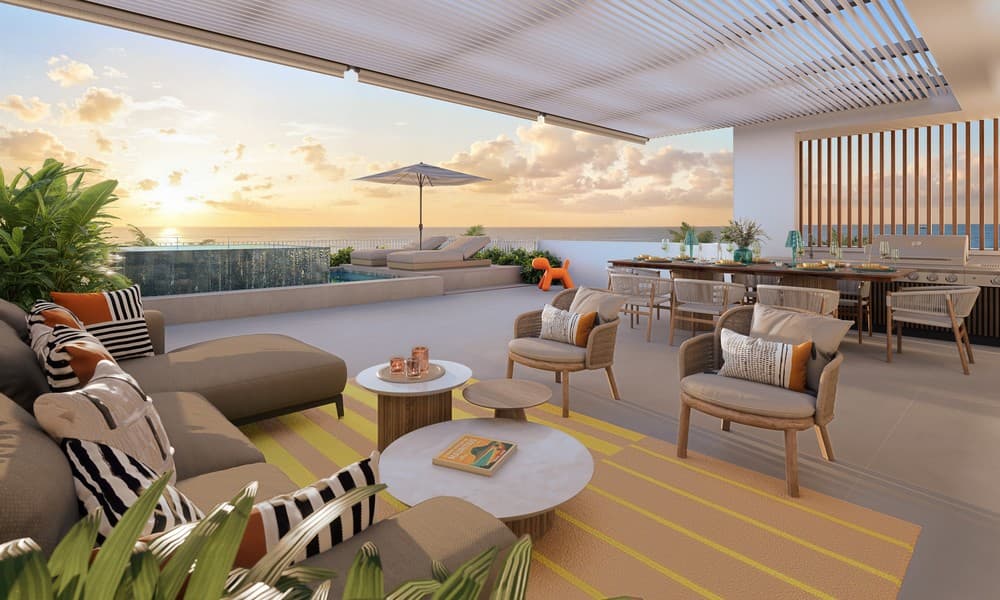
Tamarin · West
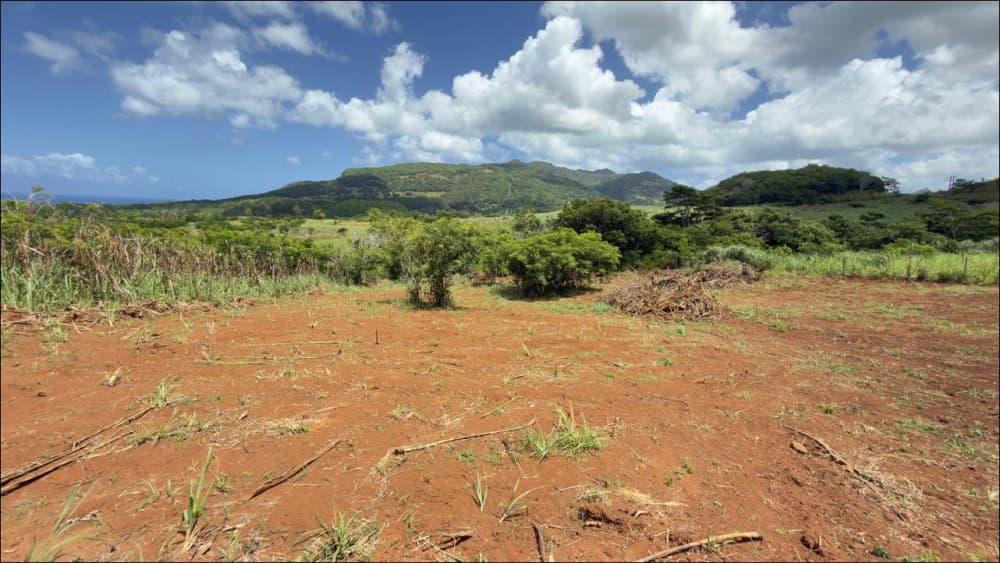
Baie du Cap · South
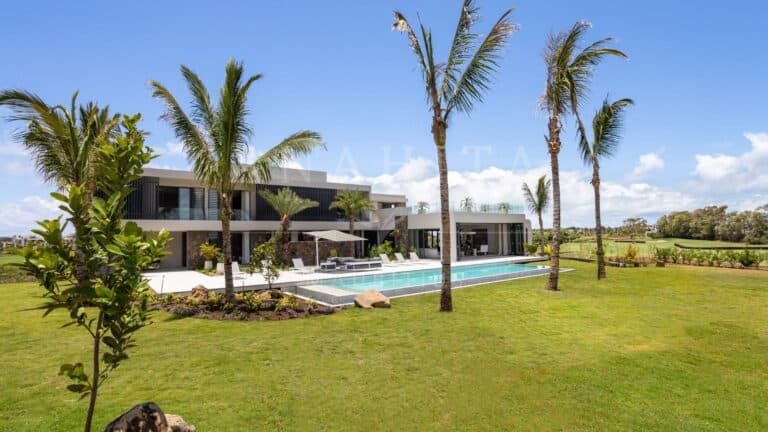
Beau Champ · East
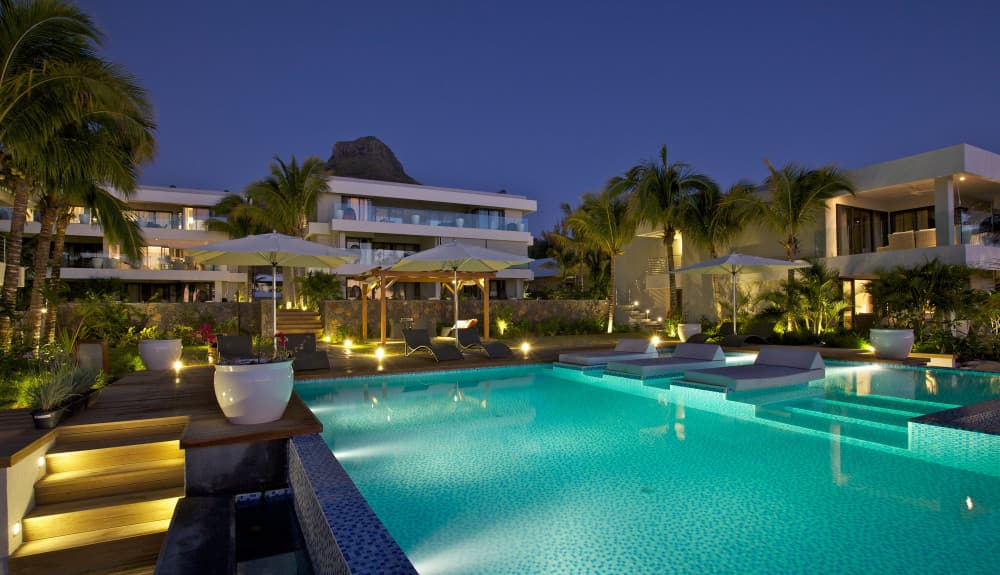
Riviere Noire · West
Explore by region
Explore the site
Market updates, buying guidance and the best new listings, straight to your inbox.
About Mauritius · 28 Aug 2024
Mauritius is one of the safest islands in the Indian Ocean, but that doesn't stop savvy expats from seeking out martial arts and self-defense…
About Mauritius · 26 Aug 2024
Mauritius may be a small island, but its bookshops and online literary scene offer a surprisingly rich experience for expats and book lovers calling…
About Mauritius · 23 Aug 2024
From the UNESCO-listed heights of Le Morne Brabant to the vibrant streets of Grand Baie and the wild interior of Black River Gorges, Mauritius…
About Mauritius · 22 Aug 2024
The Mauritian Wildlife Foundation has spent four decades rescuing the island's rarest species and restoring its native ecosystems — and for those…
About Mauritius · 21 Aug 2024
The brilliantly coloured Mauritius day gecko is far more than a garden curiosity — as a native pollinator, seed disperser, and natural pest…
About Mauritius · 13 Aug 2024
Off the southwestern tip of Mauritius, an extraordinary optical illusion makes the Indian Ocean appear to cascade into an endless abyss — and a…
Browse our current listings or speak to an agent.