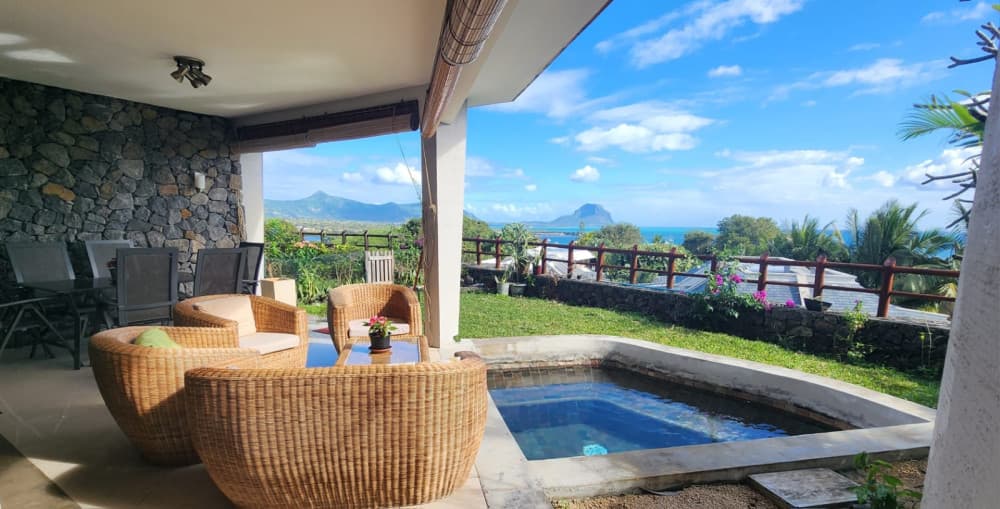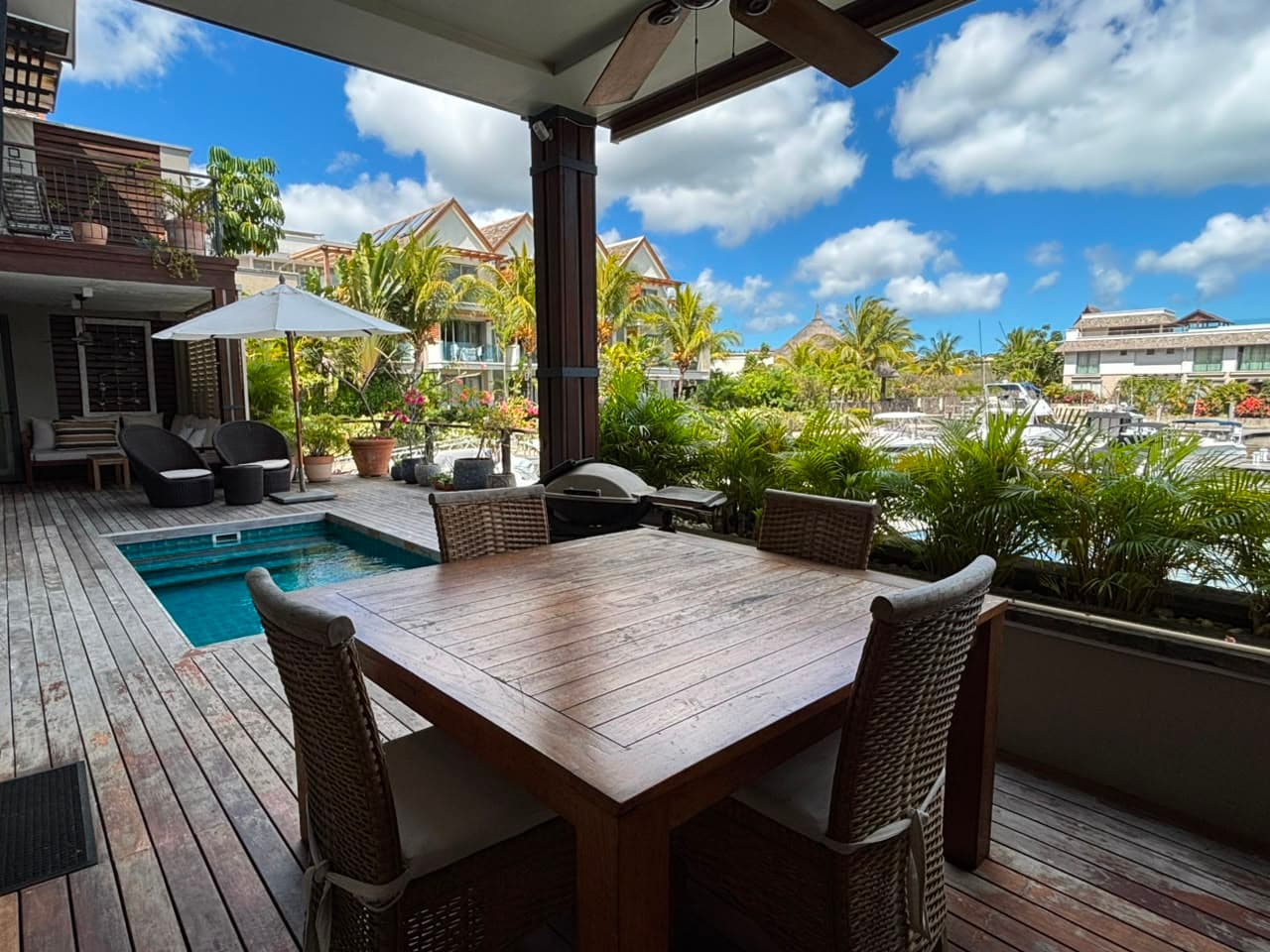
FOR RENTExpat
Rs450K/mo
Riviere Noire · West
Ultimate Marina Lifestyle – Luxury Waterfront Residence, Private Mooring & Boat
44


Searching for your dream property in Mauritius? This plain-English guide covers the process, costs, and how to use a property finder to buy or rent with confidence.
Finding the right property in Mauritius, whether you are relocating, investing, or planning a long-term base, comes down to three things: understanding which legal frameworks apply to you, knowing what the process actually costs, and using the right tools to search efficiently. This guide covers all three in plain terms, so you can move from initial research to signed contract without unnecessary delays.
For most internationally mobile buyers, the phrase 'dream property' is shorthand for a property that meets a specific set of practical criteria: the right location relative to international schools or business hubs, a price point that reflects genuine market value, a legal structure that allows foreign ownership, and a purchase process that is transparent from start to finish.
Mauritius has a well-regulated property market. Foreign nationals can purchase under several government-approved schemes, including the Property Development Scheme (PDS), the Smart City Scheme, and the Ground+2 scheme, each with defined rules around minimum investment thresholds, eligible property types, and residency rights. Knowing which scheme applies to your target property narrows your search considerably and prevents wasted time on listings that are simply not available to non-citizens.
A dedicated property finder service aggregates listings from developers, agencies, and private sellers into a single searchable platform. For buyers unfamiliar with the Mauritian market, this matters because the local property landscape is fragmented, some of the best opportunities are listed exclusively with boutique agencies, while larger developments are marketed directly by developers.
A good property finder platform will allow you to filter by:
The most useful platforms also provide supporting content: guides on the buying process, explanations of notary fees, and information on due diligence requirements. This context helps research-driven buyers evaluate listings accurately rather than simply browsing photographs.
One of the most common questions from first-time buyers in Mauritius is: what does this actually cost beyond the listed price? The answer involves several distinct line items.
Using a property finder platform itself is generally free for buyers. The service earns revenue through agency partnerships or developer listings rather than charging buyers directly. Where a platform offers premium advisory services, such as a dedicated buyer's agent, legal referrals, or investment analysis, those services may carry a separate fee, which reputable platforms disclose upfront.
If you are comparing platforms, ask specifically whether the service charges a buyer's fee, how listings are sourced, and whether the platform has any exclusivity arrangements with particular developers that might affect the objectivity of search results.
Buying property in Mauritius follows a defined sequence. Understanding this sequence helps you plan your timeline and avoid common delays.
Before you search, clarify your non-negotiables: budget ceiling, preferred region, property type, intended use (primary residence, rental investment, or holiday home), and whether Mauritian residency rights are a priority. This prevents scope creep and keeps your shortlist manageable.
Use a property finder platform to build a shortlist of five to ten properties that meet your criteria. At this stage, focus on scheme eligibility and location first, aesthetics second.
Arrange viewings, in person where possible, or via video call for a preliminary assessment. Simultaneously, instruct a Mauritian notary to begin due diligence on any property you are seriously considering. Due diligence covers title verification, confirmation of scheme status, and any encumbrances on the property.
Once you have selected a property, a Reservation Agreement (sometimes called a Preliminary Contract) is signed and a deposit, typically 10% of the purchase price, is paid. This takes the property off the market while the formal Deed of Sale is prepared.
For foreign nationals purchasing under a government-approved scheme, an application to the EDB is required. Your notary handles this process. Approval timelines vary but typically run between four and eight weeks.
The final Deed of Sale is signed before a Mauritian notary, at which point the balance of the purchase price is paid and the title is transferred. The notary registers the deed with the Registrar-General, completing the transaction.
Not all property search tools are equal. When assessing a platform for your Mauritius property search, consider the following:
A platform that combines accurate listings with clear process guidance reduces the research burden significantly, particularly for buyers based overseas who cannot easily visit agencies in person.
Searching without confirming scheme eligibility first. A property may look ideal on paper but be structured as local-only freehold, making it unavailable for foreign purchase. Always confirm scheme status before investing time in a viewing.
Underestimating transaction costs. Buyers sometimes budget only for the listed price and are caught short by registration duty, land transfer tax, and notary fees. Build in at least 8–10% above the purchase price to cover all transaction costs comfortably.
Delaying notary instruction. In a competitive market, desirable properties move quickly. Having a notary identified and briefed before you find a property means you can move to due diligence immediately rather than losing days to administration.
Relying on a single source. Cross-referencing listings across multiple platforms and speaking directly with developers gives you a more complete picture of what is available and at what price.
Finding the right property in Mauritius is a structured process, not a matter of chance. The legal frameworks are well-defined, the costs are calculable in advance, and the right property finder tools make the search considerably more efficient. Buyers who approach the market with clear criteria, a realistic budget that includes transaction costs, and competent local legal support consistently report a smoother experience, and a faster path from search to ownership.
Hand-picked
Riviere Noire · West

Baie du Cap · South

Tamarin · West

Baie du Cap · South
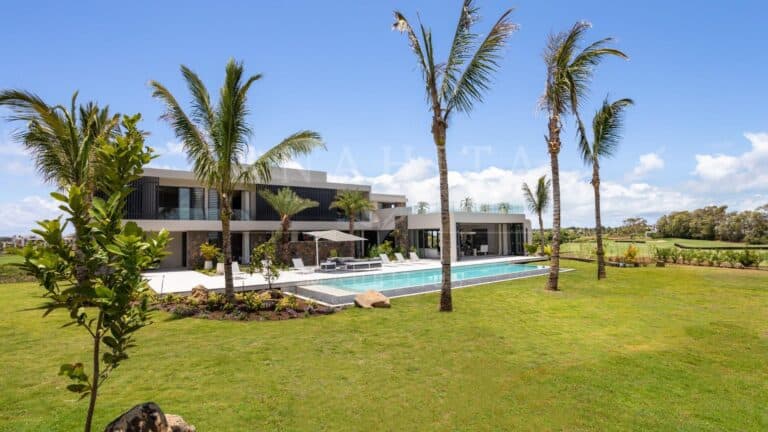
Beau Champ · East

Riviere Noire · West
Explore by region
Explore the site
Market updates, buying guidance and the best new listings, straight to your inbox.
Mauritius Real Estate · 14 Oct 2026
Everything you need to know about house rental in Mauritius: costs, locations, lease rules, and how to find the right property. Updated guide for…
Mauritius Real Estate · 13 Oct 2026
Where to find a business park in Mauritius, what leasing or buying costs, and how foreign companies set up. Covers Ebène, Grand Baie, Pailles and…
Mauritius Real Estate · 12 Oct 2026
A practical guide to business insurance in Mauritius for property owners, landlords, and investors. Covers key cover types, costs, and what to check…
Mauritius Real Estate · 10 Oct 2026
Everything you need to know about getting a skipper license in Mauritius, from exam requirements to costs, plus how it connects to waterfront living.
Mauritius Real Estate · 9 Oct 2026
Find bungalows for rent in Mauritius: coastal, urban, and waterfront options explained, with inspection tips and neighbourhood comparisons.
Mauritius Real Estate · 9 Oct 2026
Explore the business park in Mauritius Riviere Noire, commercial real estate options, waterfront property, and financing routes for foreign buyers.
Browse our current listings or speak to an agent.