FOR RENTExpat
Rs450K/mo
Riviere Noire · West
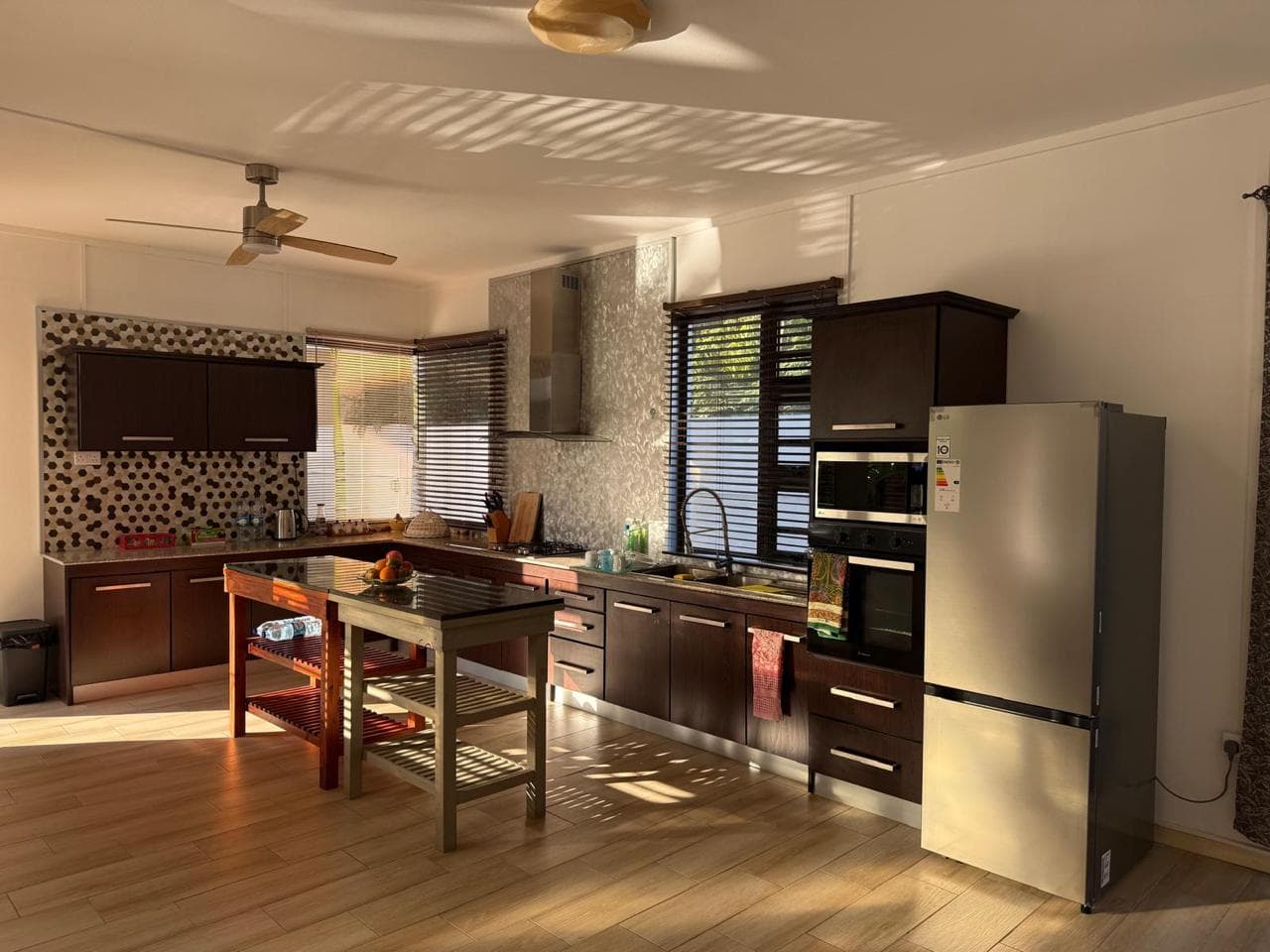
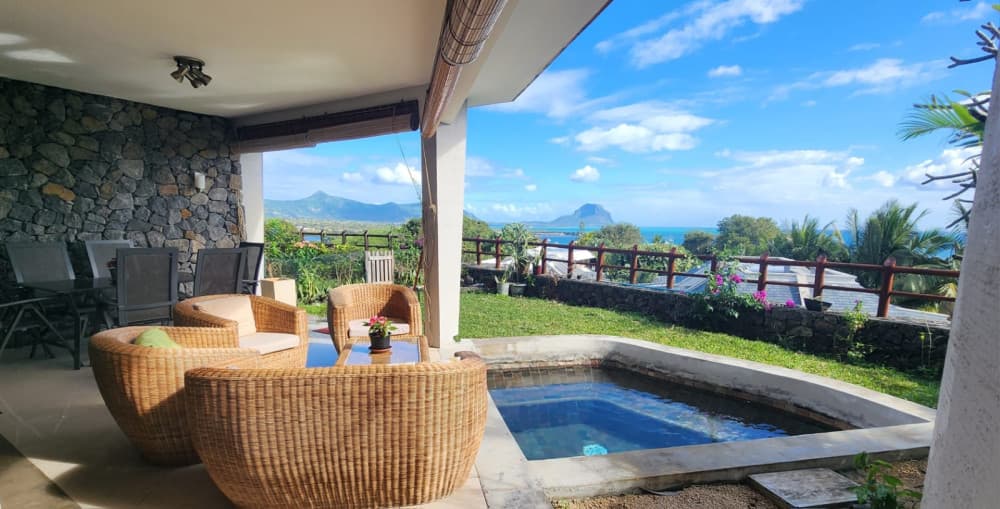
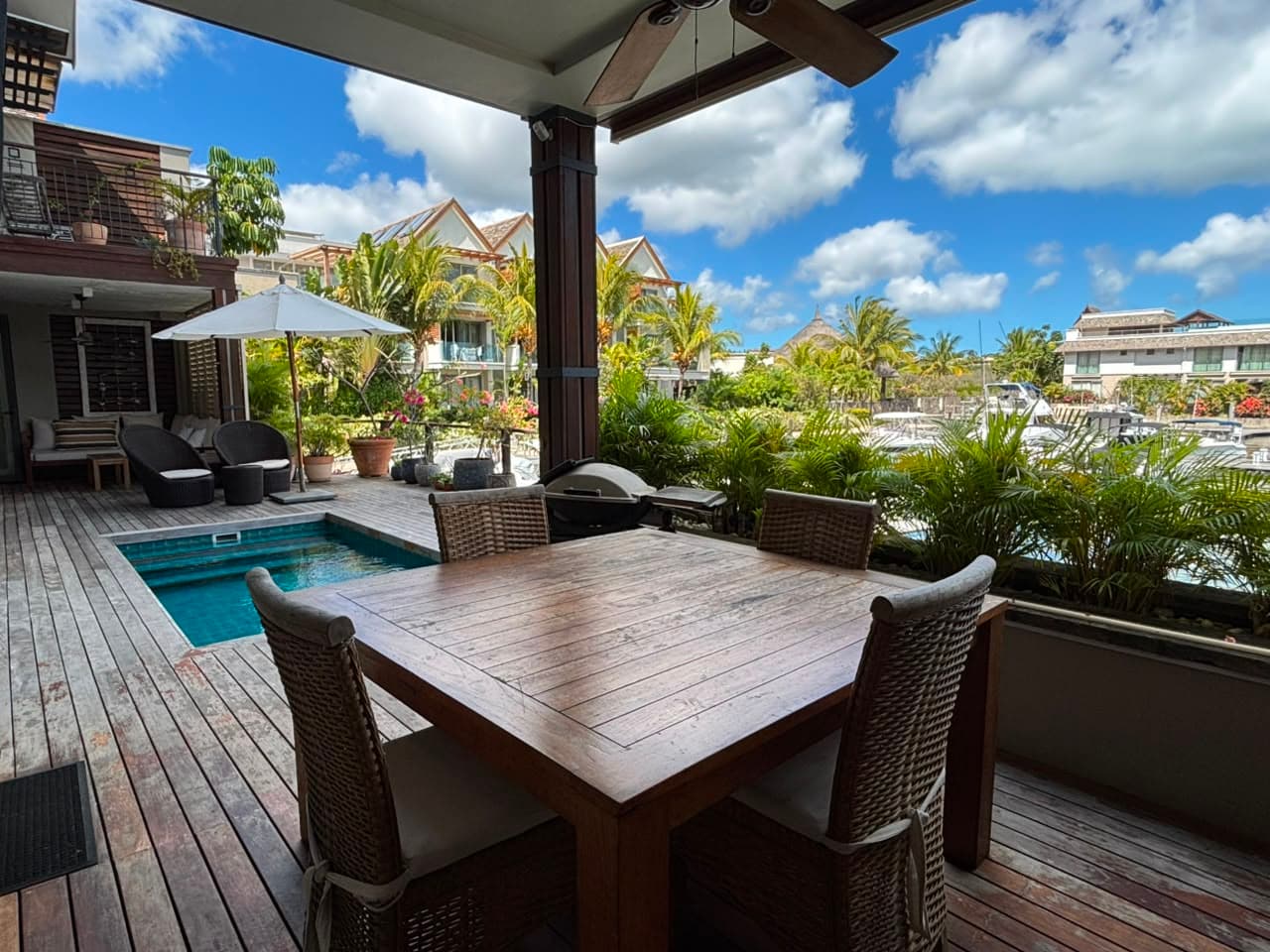
Ultimate Marina Lifestyle – Luxury Waterfront Residence, Private Mooring & Boat
44


Discover how to find exceptional luxury properties in Mauritius, costs, process, and what to expect as a foreign buyer. Clear, practical guidance.
Exceptional luxury properties in Mauritius sit at the intersection of world-class design, legal accessibility for foreign nationals, and a stable, well-regulated property market. Whether you are looking for a beachfront villa in Grand Baie, a hillside estate in Tamarin, or a managed residence in the south of the island, understanding how the buying process works, and what these properties actually cost, is the most practical starting point.
This guide covers the key property categories available to international buyers, realistic price expectations, the acquisition process from search to registration, and what a reputable property platform should offer at each stage.
In the Mauritian market, "exceptional luxury" is not simply a marketing label. It refers to a specific tier of property defined by location, build quality, land area, amenities, and, critically, legal structure. The most relevant frameworks for foreign buyers are:
Exceptional luxury properties in Mauritius typically fall under the PDS or Smart City frameworks, where villas and penthouses regularly range from USD 500,000 to several million dollars depending on location, plot size, and finish.
The northern coast is the most established luxury corridor. Grand Baie offers proximity to restaurants, marinas, and international schools. Cap Malheureux is quieter and more residential, with views across to the northern islands. Properties here command a premium for both lifestyle and rental yield potential.
The west coast has grown significantly over the past decade. Tamarin attracts buyers who want a relaxed, village-like atmosphere with access to surf breaks and the Tamarin Golf Estate. Black River is popular with families and those seeking larger plots at slightly lower per-square-metre prices than the north.
The east coast is defined by its calm lagoon, white sand beaches, and several five-star hotel-integrated residential developments. PDS properties here often include access to resort facilities, pools, spas, beach clubs, which supports strong rental demand from short-stay visitors.
The south remains the least developed coastline, which is precisely its appeal for buyers seeking privacy and space. Large estate properties with significant land are more common here than elsewhere on the island.
Beyond the purchase price, buyers should budget for the following transaction costs:
| Cost Item | Typical Amount | |---|---| | Registration duty | 5% of purchase price | | Notary fees | 1–2% of purchase price | | Land transfer tax | 5% of purchase price | | Title deed transcription fee | 0.5% of purchase price | | Agency fee | Typically 2–3% + VAT (often paid by seller) |
Total acquisition costs for a foreign buyer generally add 10–13% to the headline purchase price. This is a material figure and should be factored into financing plans from the outset.
For PDS properties, the Economic Development Board (EDB) charges a processing fee for the residency permit application that accompanies purchases above USD 375,000. This fee is modest relative to the property value but forms part of the administrative process.
Before viewing properties, establish whether you are buying as an individual, through a company, or via a trust structure. Each has different tax and succession implications under Mauritian law. A local notary or legal adviser should be consulted at this stage.
A well-structured property platform should provide accurate listings with verified pricing, clear scheme classifications (PDS, Smart City, Ground+2), and direct access to licensed agents. The quality of information at this stage determines how efficiently you can shortlist.
When evaluating any platform or agency, look for transparent pricing on all listings, clarity on which properties are open to foreign purchase, and evidence of experience with international buyers, including familiarity with the EDB permit process.
Once you identify a property, a preliminary agreement is signed and a deposit, typically 10% of the purchase price, is paid into a notary's escrow account. This agreement sets out the conditions of sale, the timeline to completion, and any suspensive conditions (such as mortgage approval or EDB permit issuance).
Foreign nationals purchasing under PDS or Smart City must apply to the EDB for authorisation. The developer typically assists with this process. Permit processing times vary but generally take four to eight weeks when documentation is complete.
The final deed is signed before a Mauritian notary. Both parties must be present or represented by a power of attorney. The notary registers the deed with the Registrar-General, at which point ownership transfers legally.
The process of finding exceptional luxury properties is only as good as the tools and guidance you have access to. A credible property search service operating in Mauritius should offer:
Platforms that obscure pricing, require excessive sign-up steps, or mix foreign-eligible and non-eligible listings without clear labelling add friction to what is already a complex cross-border transaction.
Many buyers of exceptional luxury properties in Mauritius intend to rent the property when not in personal use. The short-term rental market, particularly for villas with private pools in the north and east, is active and well-served by international booking platforms.
Gross rental yields on luxury villas typically range from 4% to 7% annually, depending on location, management quality, and occupancy rates. Properties within managed PDS developments with on-site rental programmes tend to achieve more consistent occupancy than standalone villas managed independently.
Buyers should note that rental income generated in Mauritius is subject to Mauritian income tax. The standard rate for individuals is 15%, and Mauritius has double taxation agreements with a number of countries including the UK, France, and South Africa, which may reduce the overall tax burden.
Hand-picked
Riviere Noire · West

Baie du Cap · South
Tamarin · West

Baie du Cap · South
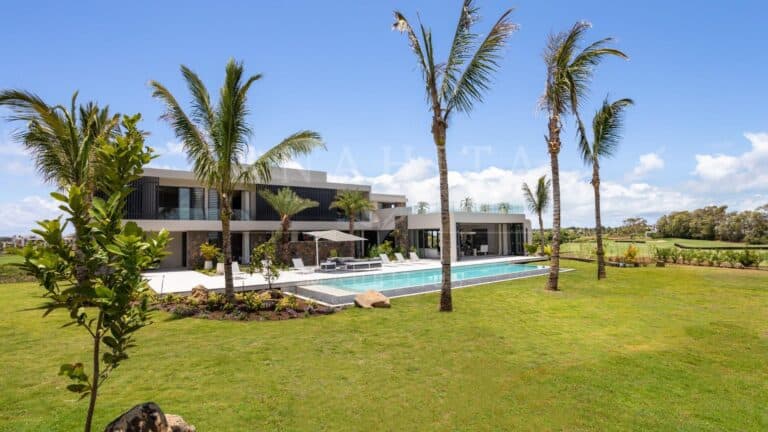
Beau Champ · East
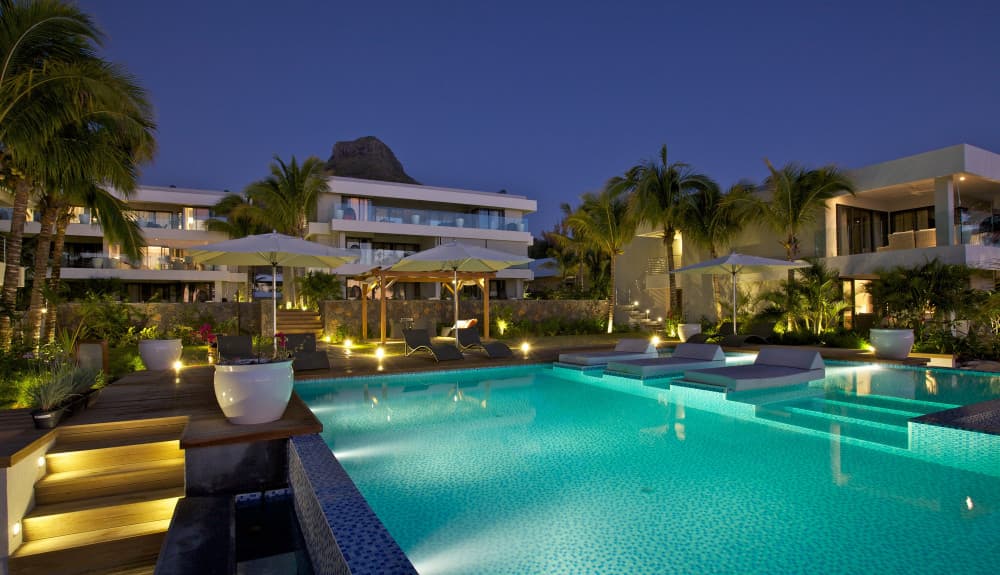
Riviere Noire · West
Explore by region
Explore the site
Market updates, buying guidance and the best new listings, straight to your inbox.
Mauritius Real Estate · 14 Oct 2026
Everything you need to know about house rental in Mauritius: costs, locations, lease rules, and how to find the right property. Updated guide for…
Mauritius Real Estate · 13 Oct 2026
Where to find a business park in Mauritius, what leasing or buying costs, and how foreign companies set up. Covers Ebène, Grand Baie, Pailles and…
Mauritius Real Estate · 12 Oct 2026
A practical guide to business insurance in Mauritius for property owners, landlords, and investors. Covers key cover types, costs, and what to check…
Mauritius Real Estate · 10 Oct 2026
Everything you need to know about getting a skipper license in Mauritius, from exam requirements to costs, plus how it connects to waterfront living.
Mauritius Real Estate · 9 Oct 2026
Find bungalows for rent in Mauritius: coastal, urban, and waterfront options explained, with inspection tips and neighbourhood comparisons.
Mauritius Real Estate · 9 Oct 2026
Explore the business park in Mauritius Riviere Noire, commercial real estate options, waterfront property, and financing routes for foreign buyers.
Browse our current listings or speak to an agent.