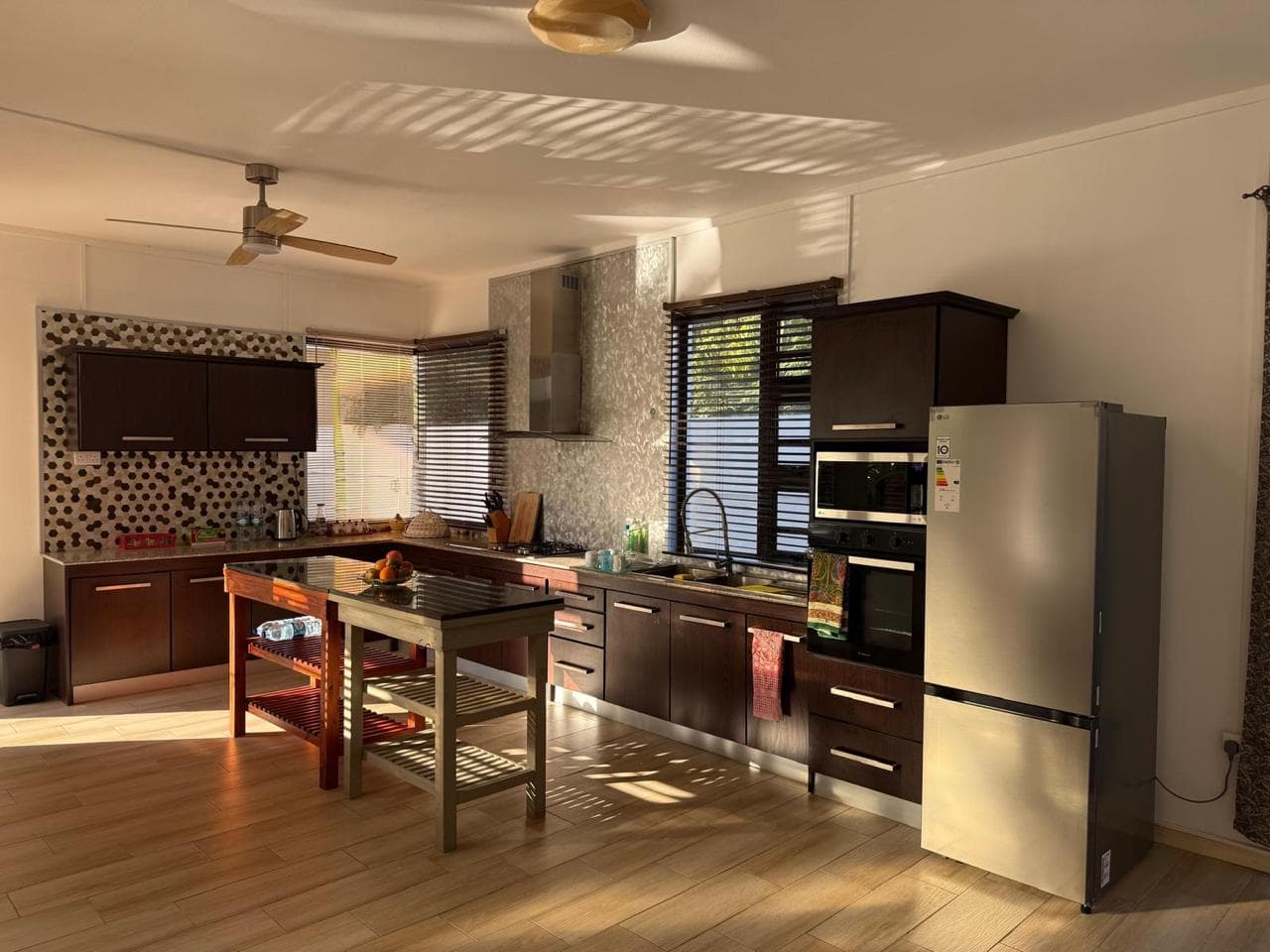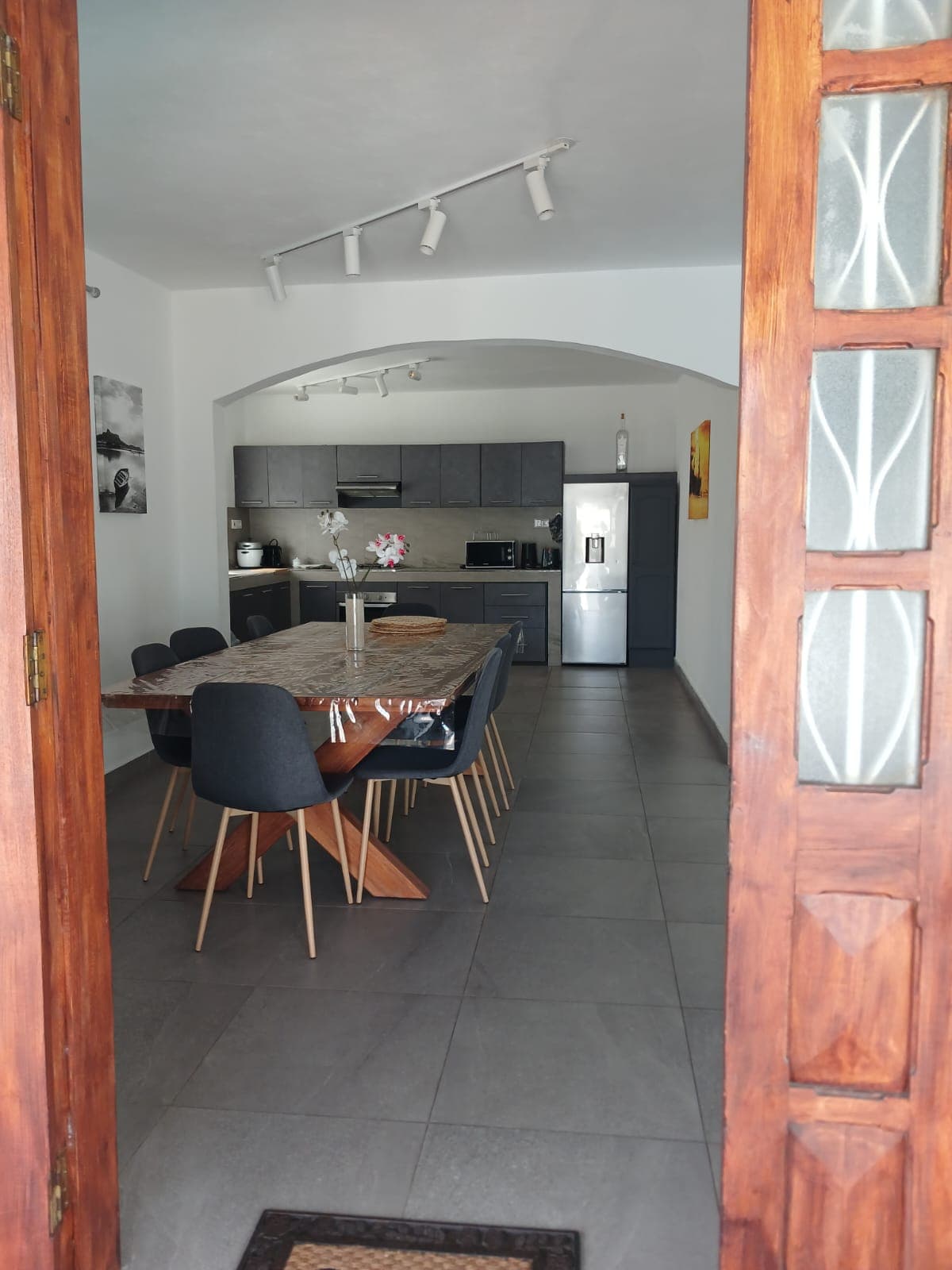
FOR RENTExpat
Rs65K/mo

From Grand Baie villas to Tamarin apartments, this guide covers everything expats need to know about renting or buying housing in Mauritius in 2026.
Mauritius offers expats a wide range of housing options — from beachside villas in the north to quiet hillside retreats in the centre. Renting is straightforward for any nationality, while buying property is open to foreigners through specific government-approved schemes that can also unlock a residence permit.
Location choice usually comes down to lifestyle, work, and schooling. Here are the most popular expat areas:
Grand Baie (North): The most established expat hub. Lively restaurant scene, supermarkets, international schools nearby, and easy access to the motorway. Ideal for families and social professionals.
Tamarin & Black River (West): A favourite among surfers, creatives, and those seeking a relaxed village feel. Growing fast, with a strong community of French, South African, and British residents.
Pereybere & Cap Malheureux (Far North): Quieter and slightly more affordable than Grand Baie, with stunning lagoon access.
Beau Bassin–Rose Hill & Moka (Centre): Popular with professionals working in Port Louis. Cooler climate, excellent international schools, and a more suburban feel.
Flic en Flac (West Coast): Long sandy beach, good amenities, and a mix of long-stay tourists and permanent expat residents.
Rental prices vary significantly by location and property type. As a general guide for 2026:
1-bedroom apartment: MUR 25,000–55,000/month (approx. €500–€1,100)
3-bedroom villa with pool: MUR 80,000–200,000/month (approx. €1,600–€4,000)
Luxury beachfront villa: MUR 250,000+/month
Grand Baie and the west coast command premium prices. Moka and the central plateau tend to offer better value for larger family homes. Utilities (electricity, water) are generally billed separately and electricity costs can be notable if you run air conditioning heavily.
Yes — foreigners can purchase residential property in Mauritius, but only within government-regulated frameworks. The main routes are:
Property Development Scheme (PDS): The primary scheme for buying luxury residential units within integrated, master-planned estates. A minimum purchase price of USD 375,000 applies, and ownership qualifies the buyer and their dependants for a Mauritius residence permit, valid for as long as the property is held.
Smart City Scheme: Mixed-use developments combining residential, commercial, and leisure spaces. Foreign buyers can purchase residential units and also qualify for residency.
Ground +2 Apartments: Foreigners may purchase apartments in buildings of at least three floors. No minimum price threshold applies, though residency is only granted if the purchase price exceeds USD 375,000.
Buying outside these schemes is not permitted for non-citizens, so working with a reputable local agent and a qualified notary is essential.
Renting does not automatically grant residency rights. Expats who are not citizens or permanent residents typically enter on a tourist visa (up to 180 days for many nationalities) or hold an Occupation Permit (for those working or running a business in Mauritius) or a Retired Non-Citizen Permit (for retirees transferring at least USD 1,500/month). Your visa category will determine how long you can legally stay and rent.
Rental agreements in Mauritius are largely unregulated, so due diligence matters. Key points to verify:
Confirm the landlord holds clear title to the property
Agree on who pays agency fees (typically one month's rent)
Check whether furniture, appliances, and a generator or inverter are included — power cuts do occur
Clarify the notice period (commonly one to three months)
Ensure the lease is registered with the Mauritius Revenue Authority to protect both parties
Mauritius consistently ranks among Africa's top destinations for quality of life, political stability, and ease of doing business. The island has a well-developed private healthcare system, several international schools (French, British, and IB curricula), and English and French are widely spoken. Combined with a progressive personal income tax rate starting at 0% and topping out at 35%, and no capital gains tax, the financial case for relocating here is compelling for many expats.
Get in touch with the team at PropertyFinder Mauritius to arrange a viewing or ask any questions about expat housing — visit our contact page to speak with a local expert. Ready to explore your options? Browse our current properties for sale in Mauritius and find your ideal home on the island.
Hand-picked
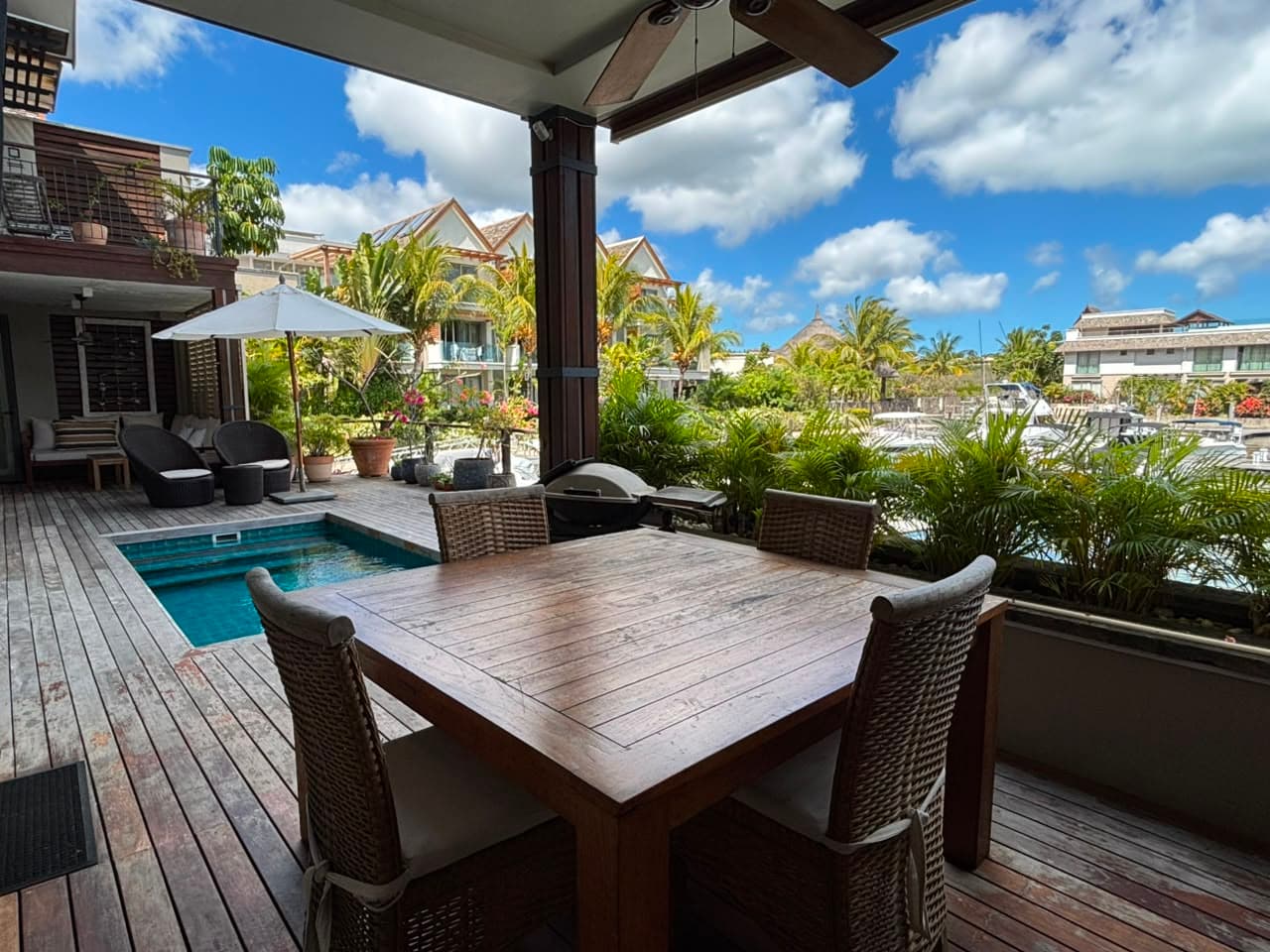
Riviere Noire · West

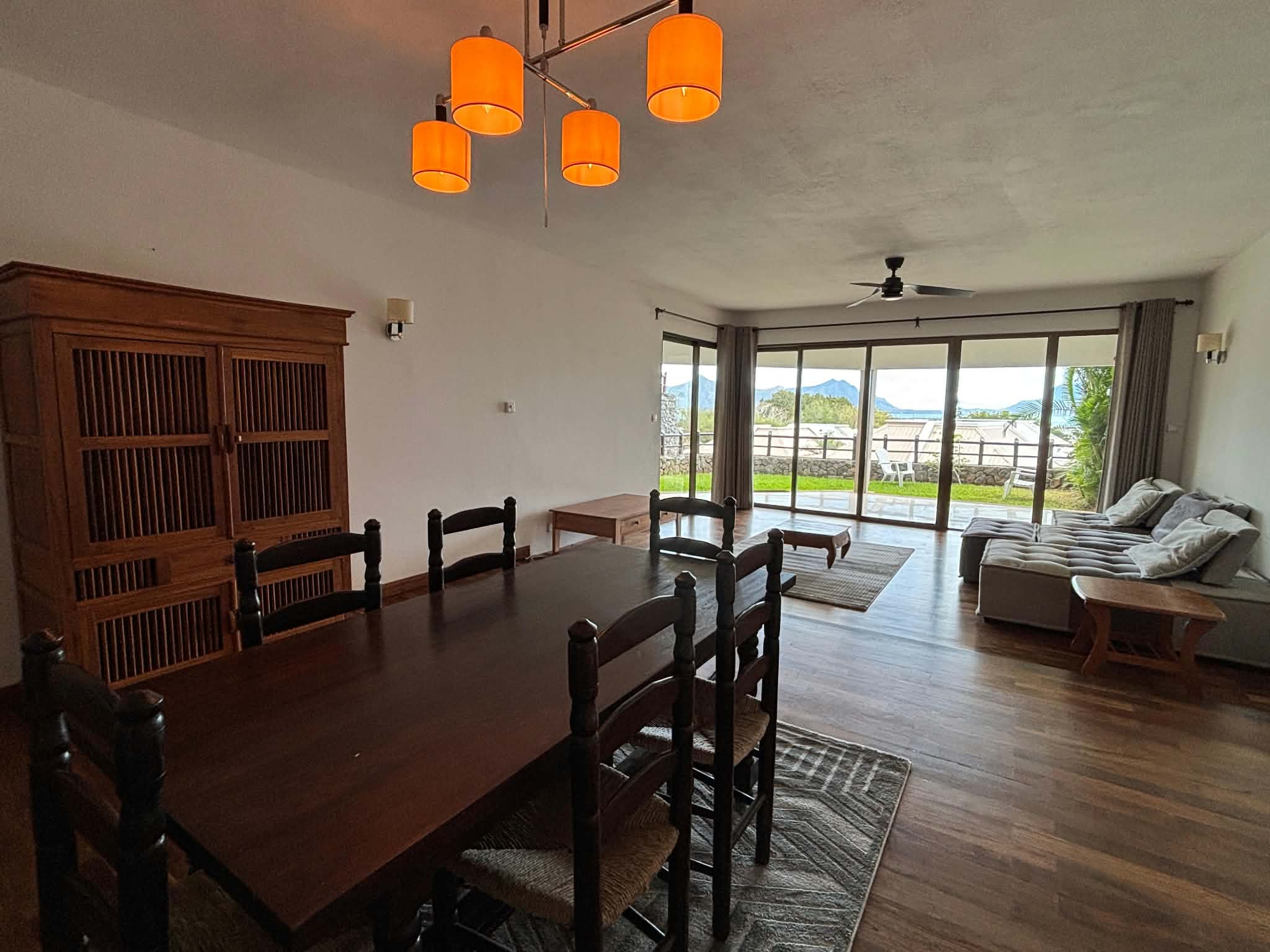
Tamarin · West

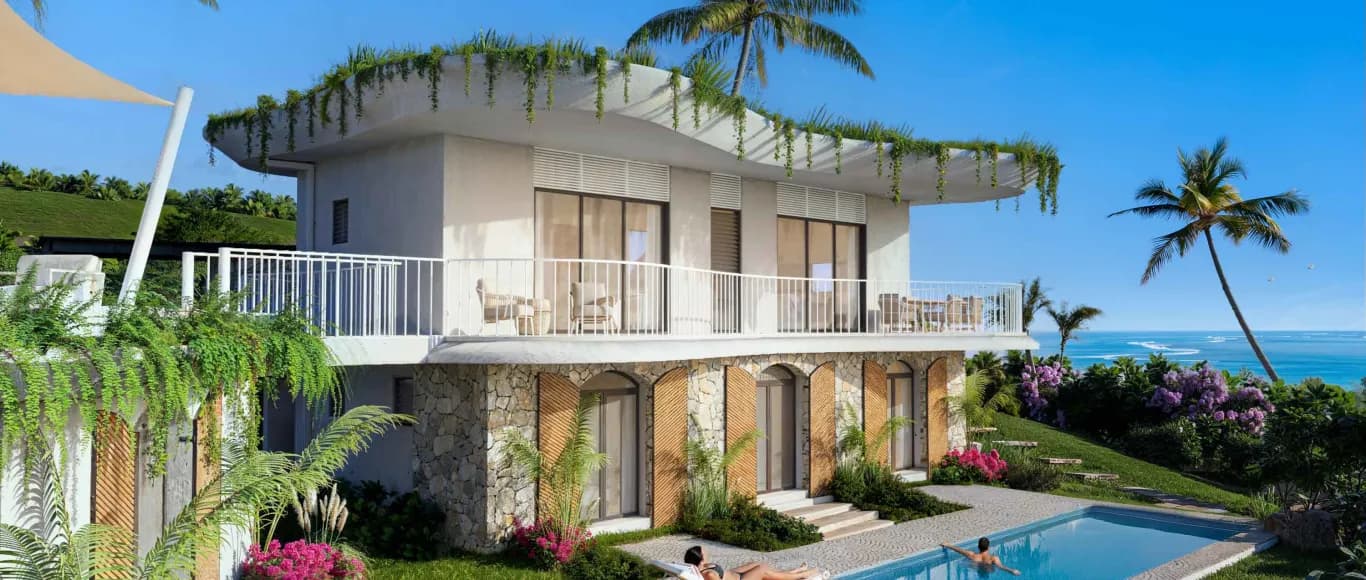
Baie du Cap · South
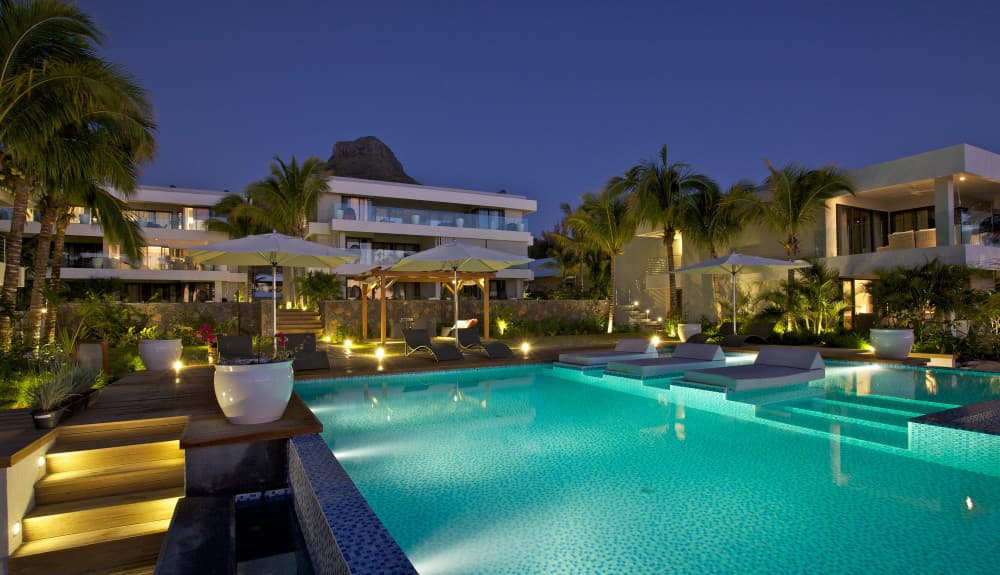
Riviere Noire · West
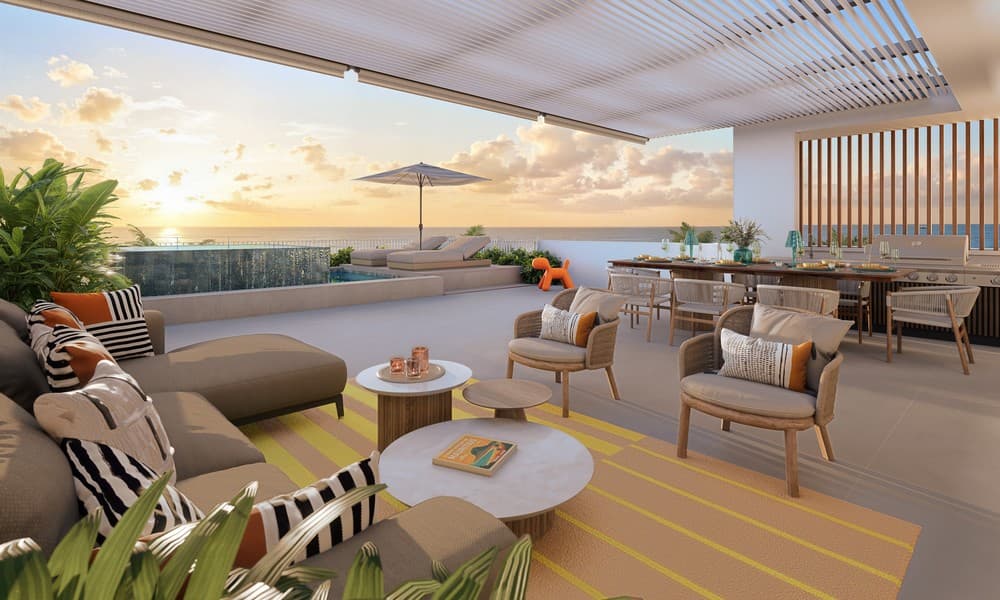
Tamarin · West
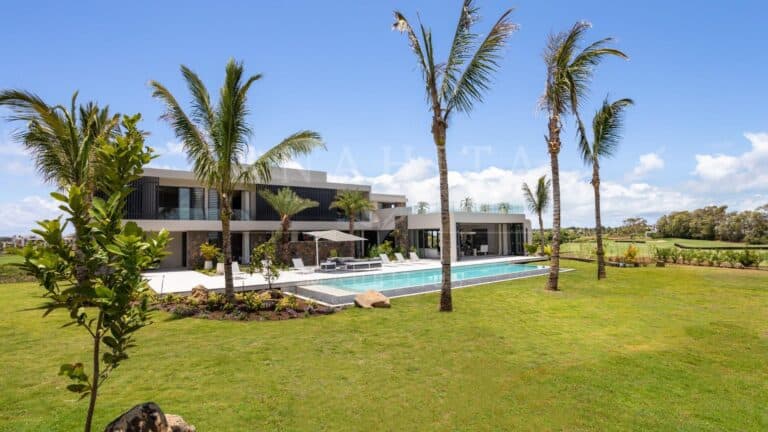
Beau Champ · East

Baie du Cap · South
Explore by region
Explore the site
Market updates, buying guidance and the best new listings, straight to your inbox.
Mauritius Property Guides · 24 Jul 2026
From Grand Baie boutiques to Port Louis commercial hubs, retail property in Mauritius offers strong footfall and growing consumer demand. Here's…
Mauritius Property Guides · 23 Jul 2026
Quatre Bornes is one of Mauritius's most sought-after towns for renters, offering a cool climate, excellent amenities, and strong transport links at…
Mauritius Property Guides · 23 Jul 2026
New property listings in Mauritius move fast. Learn where the freshest homes, villas and apartments appear first, what to expect on price, and how…
Mauritius Property Guides · 23 Jul 2026
A practical guide for owners who want to sell a Mauritius property quickly: pricing, paperwork, presentation and a smooth notary-led completion.
Mauritius Property Guides · 23 Jul 2026
Tamarin is one of Mauritius's most sought-after addresses, blending surf-beach lifestyle with strong investment fundamentals. Here is everything you…
Mauritius Property Guides · 23 Jul 2026
PropertyFinder Mauritius is the island's dedicated property portal, connecting buyers, investors and renters with verified listings across every…
Browse our current listings or speak to an agent.