FOR RENTExpat
Rs450K/mo
Riviere Noire · West
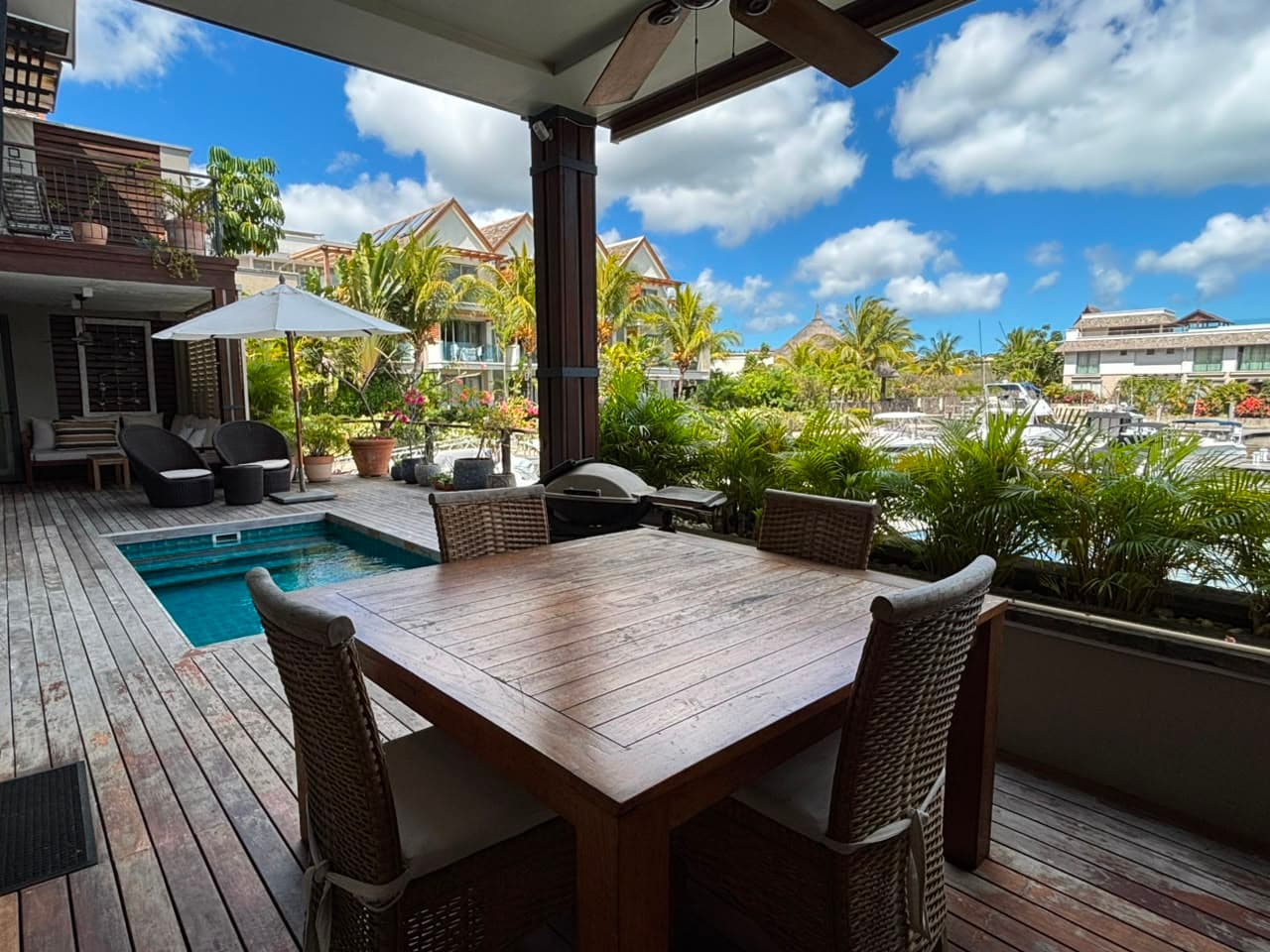
Ultimate Marina Lifestyle – Luxury Waterfront Residence, Private Mooring & Boat
44


Beneath the luxury villas and boutique resorts of Rivière Noire lies a far older story — one of a forgotten colonial chateau, sacrificed centenarian trees, and the irreplaceable heritage that shaped one of Mauritius's most coveted districts. This is a journey into the island's layered p…
There is a particular kind of melancholy that settles over a forgotten estate. Peeling shutters, roots lifting flagstones, the ghost of grandeur half-swallowed by tropical vegetation. In Rivière Noire — known to most visitors as Black River, the gateway to Mauritius's wild western coastline — one such place has quietly captured the imagination of historians, architects, and curious expats alike: an abandoned colonial chateau whose story is as layered as the island itself.
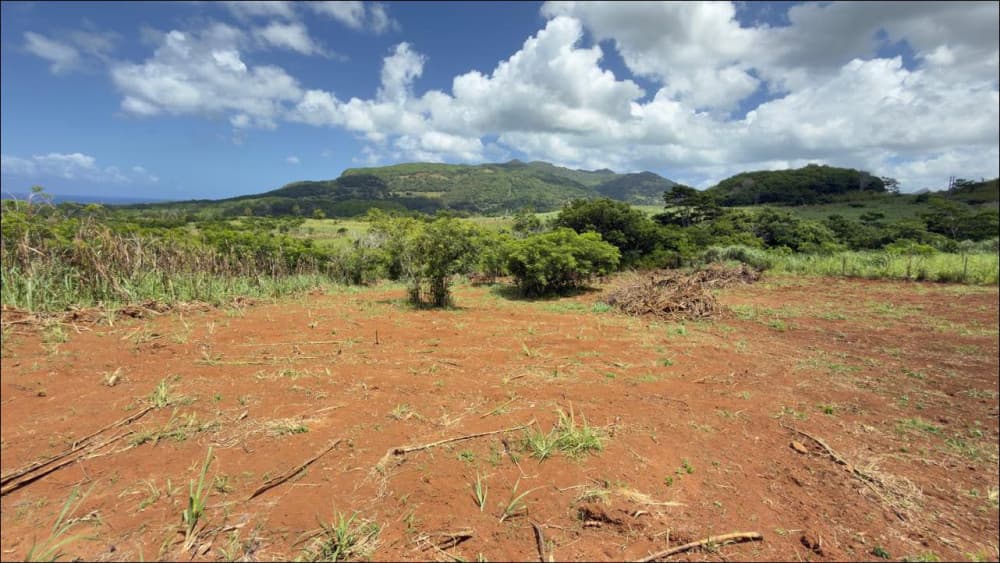
Rivière Noire is today synonymous with luxury. It is home to some of the most prestigious Integrated Resort Schemes (IRS) and Property Development Schemes (PDS) on the island, drawing European and British buyers with its mountain-backed coastline, world-class sport fishing, and enviable access to Le Morne peninsula. Yet beneath the contemporary villas and boutique beach clubs lies a much older landscape — one shaped by the sugar industry, colonial ambition, and the labour of generations.
The chateau in question sits largely obscured from the main road, its precise origins debated but almost certainly tied to the Franco-Mauritian planter class that dominated the island's economy from the 18th century well into the 20th. Properties of this type were not merely residences; they were the administrative hearts of vast sugar estates, surrounded by worker quarters, processing facilities, and — crucially — the ceremonial trees their owners planted to signal permanence and prestige.
Perhaps the most heartbreaking chapter of this estate's story is the loss of its centenarian trees. For decades, the grounds were shaded by monumental specimens — Indian almond trees (Terminalia catappa), ancient banyans, and towering flamboyants (Delonix regia) — some estimated to be well over 150 years old. These were not decorative afterthoughts. They were living architecture, planted deliberately to frame the chateau's approach, provide shade during harvest seasons, and mark the boundary of a family's legacy.
In recent years, development pressure and land clearance have claimed several of these trees. Local conservationists and heritage advocates have spoken out about the loss, pointing to the irreplaceable ecological and cultural value of such specimens. A centenarian tree cannot be replanted. Its canopy, its root network, its role in the microclimate — these things take lifetimes to rebuild. What was sacrificed in the name of progress here represents a rupture with the island's agricultural and architectural memory that many in the community deeply mourn.
Abandoned estates like this one are more than picturesque ruins. They are primary sources — physical documents of how Mauritius was shaped economically, socially, and architecturally. The chateau's design reflects the hybrid aesthetic of Creole colonial architecture: wide verandas to catch the trade winds, high-pitched roofs to deflect tropical rains, louvred shutters filtering the fierce afternoon light. These are solutions refined over generations, and they remain deeply influential in how thoughtful architects approach luxury residential design on the island today.
For expats and investors arriving from the UK or Europe, understanding this context transforms the experience of living in Mauritius. The island is not a blank canvas. It carries history in its soil, in its tree lines, in the orientation of its oldest buildings.
The juxtaposition in Rivière Noire is striking. Within a few kilometres of the abandoned chateau, you will find some of the most desirable freehold properties available to foreign nationals in Mauritius — elegant villas within gated communities, beachfront penthouses, and contemporary homes designed with the same regard for light and landscape that the colonial planters, in their own way, also understood.
Property values in this district have shown consistent resilience, underpinned by its natural beauty, proximity to the Black River Gorges National Park, and the lifestyle infrastructure that has grown around the international community here. For buyers seeking both a sound investment and a meaningful connection to where they choose to live, Rivière Noire rewards those who look carefully — at the landscape, at the history, and at what has been built thoughtfully within it.
The abandoned chateau is a reminder that places accumulate meaning over time. The best investments — in property, in community, in the land itself — are those made with that long view in mind.
Ready to explore property in Rivière Noire and beyond? At PropertyFinder Mauritius, we connect discerning buyers and investors with the finest homes across the island — from contemporary beachside villas to properties steeped in Mauritius's extraordinary heritage. Browse our curated listings or speak with our expert team today.
Hand-picked
Riviere Noire · West

Baie du Cap · South
Tamarin · West
Baie du Cap · South
Beau Champ · East

Riviere Noire · West
Explore by region
Explore the site
Market updates, buying guidance and the best new listings, straight to your inbox.
About Mauritius · 28 Aug 2024
Mauritius is one of the safest islands in the Indian Ocean, but that doesn't stop savvy expats from seeking out martial arts and self-defense…
About Mauritius · 26 Aug 2024
Mauritius may be a small island, but its bookshops and online literary scene offer a surprisingly rich experience for expats and book lovers calling…
About Mauritius · 23 Aug 2024
From the UNESCO-listed heights of Le Morne Brabant to the vibrant streets of Grand Baie and the wild interior of Black River Gorges, Mauritius…
About Mauritius · 22 Aug 2024
The Mauritian Wildlife Foundation has spent four decades rescuing the island's rarest species and restoring its native ecosystems — and for those…
About Mauritius · 21 Aug 2024
The brilliantly coloured Mauritius day gecko is far more than a garden curiosity — as a native pollinator, seed disperser, and natural pest…
About Mauritius · 13 Aug 2024
Off the southwestern tip of Mauritius, an extraordinary optical illusion makes the Indian Ocean appear to cascade into an endless abyss — and a…
Browse our current listings or speak to an agent.