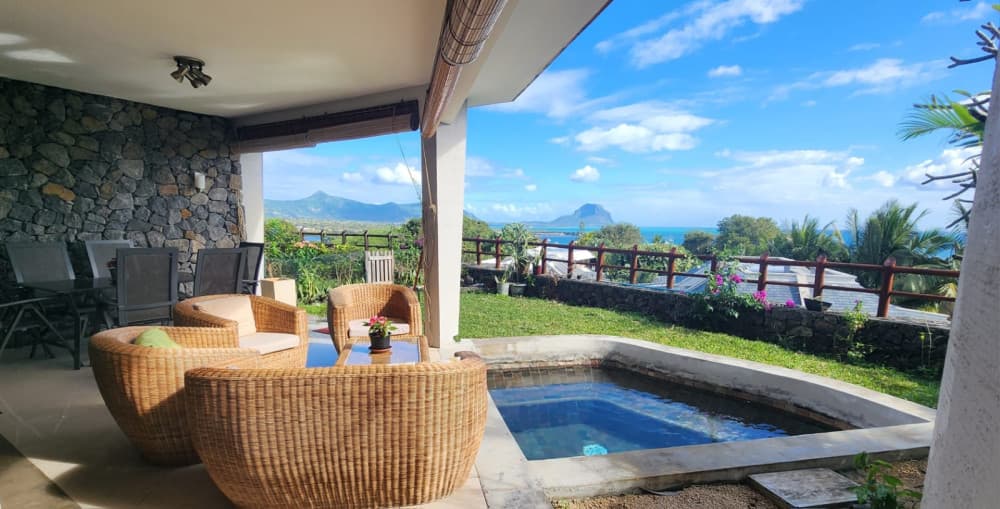
FOR RENTExpat
Rs450K/mo
Riviere Noire · West
Ultimate Marina Lifestyle – Luxury Waterfront Residence, Private Mooring & Boat
44


Fuel prices in Mauritius are shaped by a complex layer of government levies, excise duties, and statutory contributions that go far beyond the raw cost of imported crude oil. Understanding this framework is essential for expats and investors looking to budget accurately for life on the …
For anyone living in Mauritius — whether a long-term resident, a recent expat arrival, or an investor managing a property portfolio on the island — the cost of fuel is a quiet but persistent factor in everyday life. From the daily commute between Tamarin and Port Louis to the logistics of maintaining a villa in the highlands of Beau Bassin, understanding what drives fuel prices here is more relevant than many might initially assume.
Mauritius is not an oil-producing nation. Every litre of petrol or diesel consumed on the island is imported, refined, and distributed through a tightly regulated framework — one in which taxes and statutory contributions play an outsized role in determining what drivers pay at the pump.
The State Trading Corporation (STC) is the body responsible for the importation of petroleum products in Mauritius. Retail fuel prices are not freely set by the market; instead, they are reviewed and announced periodically by the government, typically on a monthly basis, taking into account global crude oil prices, the USD/MUR exchange rate, and a range of built-in levies.
This regulated structure means that price volatility — which can be dramatic in countries with liberalised fuel markets — is somewhat cushioned in Mauritius. However, it also means that the base cost of fuel is layered with multiple charges before it reaches the consumer.
When you pay for fuel in Mauritius, you are not simply paying for the crude oil and its refinement. A significant portion of the pump price consists of fixed levies and contributions mandated by the government. These include:
Excise Duty: A key revenue-generating mechanism for the government, applied directly to petroleum products. This duty does not fluctuate with global oil prices — it remains fixed, which means that when international prices drop, the relief felt by consumers is often limited.
The Road Development Authority (RDA) Levy: Contributions directed towards road infrastructure maintenance and development. Given the island's ongoing investment in road expansion — particularly around the new motorway extensions in the north — this levy has strategic importance.
The Mauritius Revenue Authority (MRA) VAT: A standard 15% VAT is applied to fuel, consistent with Mauritius's broader tax framework. This is a significant contributor to the final pump price.
The Environment Fee: A smaller but symbolically important charge reflecting Mauritius's commitment to environmental accountability — a value that resonates strongly with the island's eco-luxury positioning.
STC Margin and Distribution Costs: The operational margin retained by the STC, along with dealer margins and transportation costs, also feed into the final figure.
Combined, these charges can account for a substantial proportion of the total pump price, sometimes exceeding the actual commodity cost itself during periods of low global oil prices.
For British and European expats settling into life in Mauritius — perhaps having purchased a villa in the sought-after Black River district, or an apartment within a prestigious Integrated Resort Scheme (IRS) development — fuel costs are a tangible part of the monthly budget conversation.
The island's road network, while improving, still makes private vehicle ownership near-essential for many residents, particularly those living in scenic but more remote areas such as Chamarel, Rivière Noire, or the Moka highlands. Unlike major European cities, public transport in Mauritius, while improving, does not yet offer the frequency or coverage that eliminates car dependency for most expats.
For property investors, fuel price dynamics can also subtly influence rental yields and tenant profiles. Properties closer to business hubs like Ebène Cybercity or Grand Baie command premium interest partly because of reduced commuting costs — a factor worth considering when evaluating your investment strategy.
Mauritius has been deliberate in using fuel levies as a fiscal tool — balancing the need for government revenue with the social imperative of keeping transportation affordable. Periodic price reviews can move in either direction, and staying informed matters. The government has, at various points, absorbed international price shocks rather than passing them fully onto consumers, a policy that speaks to the island's pragmatic, stability-focused economic governance — one of the very qualities that makes Mauritius such an attractive destination for long-term investment.
As the island continues its transition towards renewable energy and explores electric vehicle incentives, the role of traditional fuel levies may well evolve. Watching this space is worthwhile for anyone with a stake in the island's future.
Understanding the nuances of everyday costs — including fuel — is part of making a fully informed decision about life and investment in Mauritius. Whether you are exploring your first purchase or expanding an existing portfolio, having the complete picture matters.
At PropertyFinder Mauritius, we connect discerning buyers and investors with the finest properties across the island, backed by expert local knowledge. Browse our latest listings or speak with our team today to find your perfect place in paradise.
Hand-picked
Riviere Noire · West

Baie du Cap · South

Tamarin · West

Baie du Cap · South
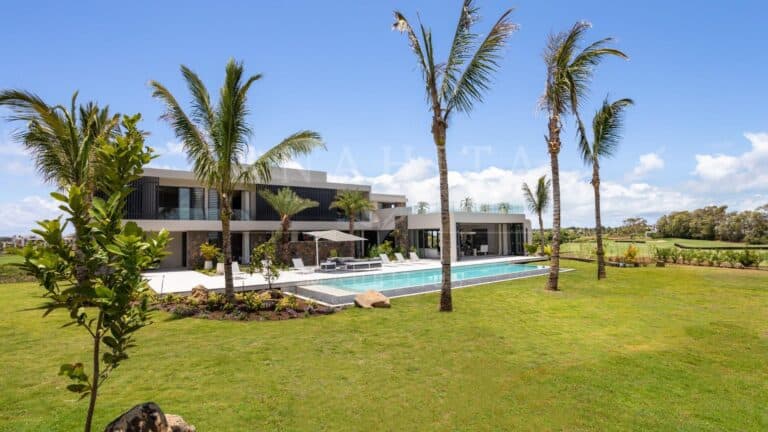
Beau Champ · East

Riviere Noire · West
Explore by region
Explore the site
Market updates, buying guidance and the best new listings, straight to your inbox.
News · 4 Jul 2024
Moka Smart City has been honoured with a regional environmental award, recognising its pioneering approach to green infrastructure, biodiversity,…
News · 1 Mar 2024
Buying property in Mauritius involves far more than finding the right home — it requires a trusted network of legal, financial, and lifestyle…
News · 31 Jul 2023
As record heatwaves and political uncertainty reshape life across Europe, a growing number of British and European buyers are turning to Mauritius —…
Mauritius Real Estate · 14 Oct 2026
Everything you need to know about house rental in Mauritius: costs, locations, lease rules, and how to find the right property. Updated guide for…
Mauritius Real Estate · 13 Oct 2026
Where to find a business park in Mauritius, what leasing or buying costs, and how foreign companies set up. Covers Ebène, Grand Baie, Pailles and…
Mauritius Real Estate · 12 Oct 2026
A practical guide to business insurance in Mauritius for property owners, landlords, and investors. Covers key cover types, costs, and what to check…
Browse our current listings or speak to an agent.