FOR SALEExpat
€1.0M
Baie du Cap · South
Bioclimatic Villa in Mauritius – 3-Bedroom Luxury Home with Private Pool
33

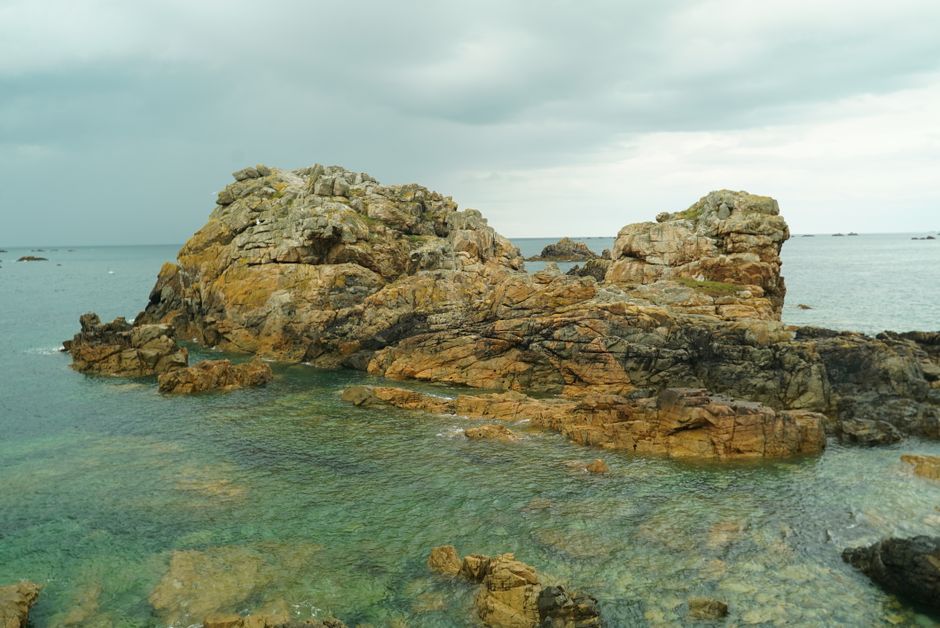
Hidden within the Blue Bay Marine Park lagoon, Ilot Fourneau is one of Mauritius's best-kept secrets — a wild, uninhabited islet that becomes accessible on foot only at low tide, offering an extraordinary encounter with the island's untouched natural beauty. Whether you're an adventurou…
There are places in Mauritius that don't make it onto the glossy brochures or the Instagram highlight reels — and Ilot Fourneau is one of them. Tucked quietly in the Blue Bay Marine Park lagoon on the southeast coast, this small, uninhabited island reveals itself fully only at low tide, when the receding Indian Ocean exposes a dramatic sandbar that stretches toward it like a natural invitation. For those who know where to look, it is one of the island's most quietly spectacular experiences.
Ilot Fourneau sits just off the coast near Mahébourg and the village of Blue Bay, in one of Mauritius's most ecologically significant marine zones. The Blue Bay Marine Park is a Ramsar-designated wetland — a site of international environmental importance — and the waters surrounding Ilot Fourneau are home to some of the healthiest coral reef systems in the entire Indian Ocean. The islet itself is small, scrubby, and entirely wild. There are no facilities, no vendors, no sun loungers. Just rock, coral rubble, dry coastal vegetation, and the sound of wind and water.
This is precisely what makes it so compelling.
The magic of Ilot Fourneau lies in timing. At high tide, the islet appears as a lonely green smudge on the horizon, seemingly unreachable without a boat. But as the tide drops — particularly during the pronounced low tides of early morning — a pale, glittering sandbank gradually emerges from the shallows, making it possible to wade across in knee-deep water.
The crossing itself is part of the adventure. The lagoon floor here is a mosaic of sea grass beds, live coral heads, and sandy channels, and it is not uncommon to spot sea urchins, starfish, and small reef fish darting around your feet as you make your way across. The water is startlingly clear, often barely reaching waist height at the shallowest points, and the entire scene — the open lagoon, the warm turquoise shallows, the distant outline of the Mahébourg coast — feels almost surreally peaceful.
Local fishermen and experienced kayakers from Blue Bay regularly make the crossing. If you're exploring independently, always check tide tables in advance and bring water shoes — the reef debris underfoot can be sharp.
Ilot Fourneau rewards the curious rather than the comfort-seeking. The terrain is rough and raw: coral rubble beaches, wind-twisted shrubs, and the occasional nesting seabird overhead. There are no shady palms and no soft sand to recline on. Instead, you get an unfiltered encounter with coastal Mauritius in its most elemental form — the kind of landscape that existed long before the first resort was ever built.
Birdwatchers will appreciate the islet's appeal as a resting and nesting spot for lesser noddies, bridled terns, and fairy terns, which are frequently seen in the surrounding waters. The snorkelling just offshore, in the protected waters of the marine park, is exceptional — branching and table corals in vivid condition, shoals of parrotfish, sergeant majors, and the occasional hawksbill turtle drifting serenely by.
For British and European expats who have chosen Mauritius as a base — or who are considering doing so — experiences like a visit to Ilot Fourneau serve as a reminder of what sets this island apart from other luxury property destinations. Mauritius is not simply a backdrop for beautiful villas and fine dining, though it offers those in abundance. It is a genuinely layered destination, where pristine marine ecosystems, cultural depth, and a sense of authentic discovery coexist alongside world-class infrastructure and connectivity.
The southeast of Mauritius, where Ilot Fourneau is found, has historically been quieter and less developed than the west and north coasts — but that is changing. The Mahébourg and Blue Bay corridor is increasingly attracting discerning buyers drawn to its natural beauty, lower density, and proximity to SSR International Airport. For those seeking a lifestyle that balances seclusion with accessibility, this part of the island deserves serious attention.
To reach the sandbank crossing point, head to Blue Bay Beach and ask locally for guides or kayak hire operators who run low-tide excursions to the islet. The best conditions are typically during the southern winter months of June to September, when seas are calmer and visibility is at its finest. Always respect the marine park regulations — no removal of coral or marine life, and no littering.
If adventures like this have deepened your curiosity about life in Mauritius — or if you're ready to explore what it means to own property on this extraordinary island — PropertyFinder Mauritius is here to guide you. Browse our curated listings across the island's most desirable locations, and let our team help you find a home that matches the life you're imagining.
Hand-picked
Baie du Cap · South

Riviere Noire · West

Tamarin · West

Beau Champ · East

Tamarin · West

Baie du Cap · South
Explore by region
Explore the site
Browse our current listings or speak to an agent.