FOR RENTExpat
Rs450K/mo
Riviere Noire · West
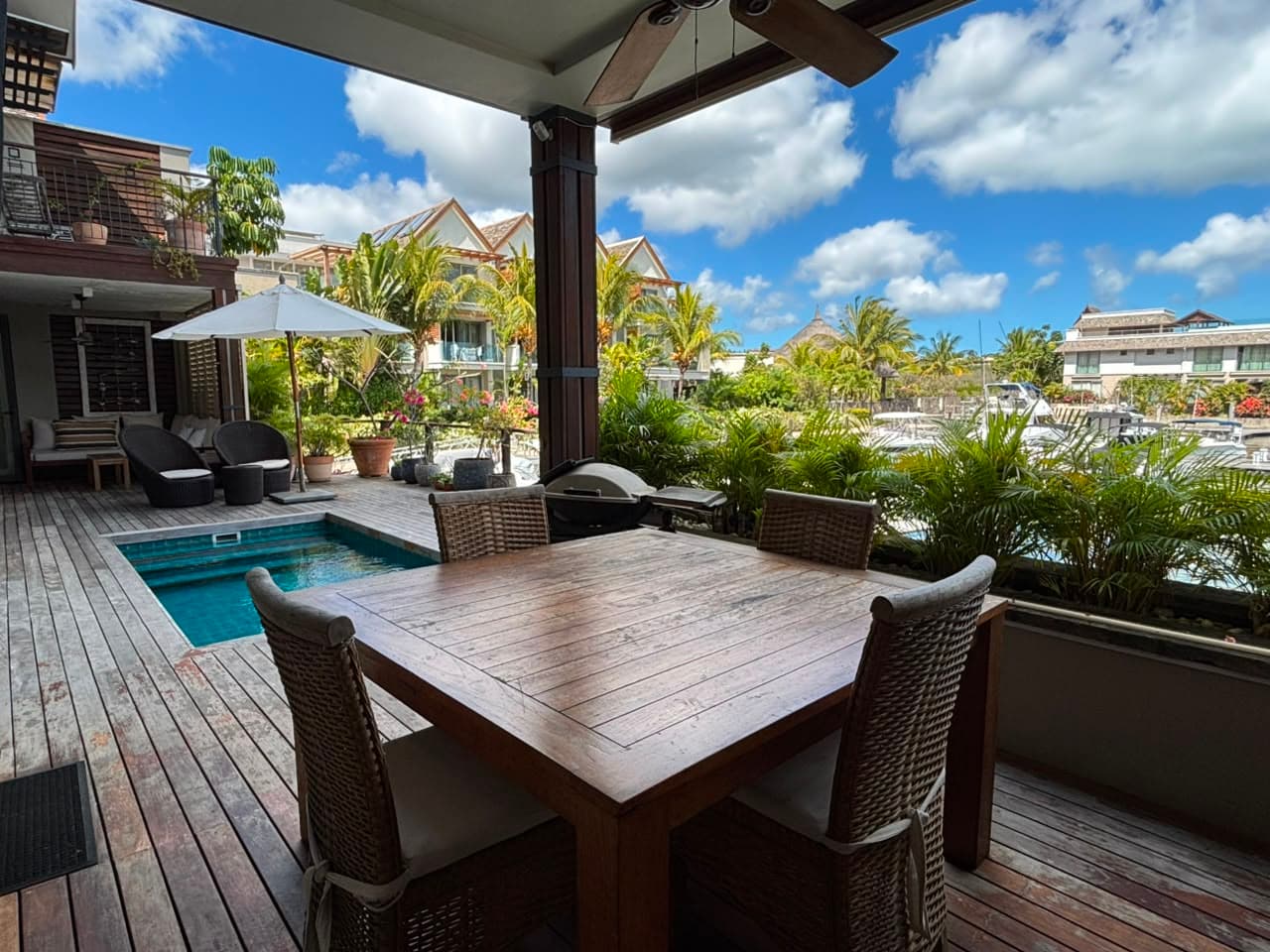
Ultimate Marina Lifestyle – Luxury Waterfront Residence, Private Mooring & Boat
44

Mauritius has become one of Africa's most attractive destinations for South African professionals, offering tax efficiency, political stability, and a thriving job market in sectors from fintech to hospitality. This guide breaks down everything you need to know — from work permit requir…
For many South Africans, Mauritius represents more than just a holiday destination — it's a genuine opportunity to build a better life. With its political stability, favourable tax environment, world-class infrastructure, and a lifestyle that blends African warmth with cosmopolitan sophistication, the island has become one of the most compelling relocation destinations for skilled South African professionals. But finding work here requires strategy, local knowledge, and a clear understanding of the rules of the game.
Before you start updating your CV, get familiar with the Mauritius work permit system. Foreign nationals, including South Africans, require a valid Occupation Permit (OP) to work legally on the island. The OP combines your work and residence permit into a single document and is issued under three categories: Professional, Investor, and Self-Employed.
For professionals, the key threshold is a minimum monthly salary of MUR 60,000 (approximately ZAR 24,000 at current rates). Your employer must also demonstrate that the role could not reasonably be filled by a Mauritian citizen. The permit is typically granted for three years and is renewable. Applications are processed through the Economic Development Board (EDB), and the online portal has made the process significantly more streamlined in recent years.
Here's the good news: South African professionals are genuinely valued in Mauritius. The island's growing economy has a well-documented demand for skilled talent in sectors including financial services, ICT and fintech, hospitality management, construction and engineering, healthcare, and education.
South Africans bring a unique combination of African business acumen, strong English proficiency, and familiarity with emerging market dynamics — qualities that resonate strongly with Mauritian employers and the many multinational companies that have established their African headquarters on the island. If you work in fund administration, private equity, or compliance, Grand Baie and Ebène Cybercity are particularly active hiring hubs.
Mauritius is a small island, and business culture here is deeply relationship-driven. LinkedIn is your best remote tool, but nothing replaces in-person networking. If possible, visit the island before committing to a move — attend industry events, make introductions, and get a feel for the professional landscape.
The South African community in Mauritius is well-established and genuinely supportive. Facebook groups such as South Africans in Mauritius and expat forums are excellent starting points for insider advice, job leads, and referrals. The EDB's Business Facilitation unit also offers free guidance sessions for prospective professional migrants.
If traditional employment feels limiting, Mauritius actively courts foreign entrepreneurs. The Self-Employed Occupation Permit allows skilled individuals to operate as independent consultants or sole traders, provided they can demonstrate a viable business plan and meet minimum revenue thresholds. For South African freelancers in fields like digital marketing, architecture, or business consulting, this route can offer remarkable freedom, combined with access to one of Africa's most competitive tax regimes, including progressive personal income tax rates starting at 0% and capped at 35%.
Many South African entrepreneurs who have established themselves professionally on the island subsequently explore property investment as a natural next step. Mauritius offers foreigners the ability to purchase real estate through approved schemes such as the Smart City Scheme and the Property Development Scheme (PDS), with purchase prices starting from USD 375,000. Owning property can also unlock a Residence Permit, creating a powerful dual benefit for those looking to put down permanent roots.
Relocating from South Africa to Mauritius is an exciting but layered process. Those who do their homework — understanding visa pathways, building networks early, and thinking strategically about whether to rent or invest in property — consistently report smoother transitions and faster professional traction.
When you're ready to explore your property options on the island — whether renting your first home or investing in a PDS villa — PropertyFinder Mauritius is here to guide you. Browse our curated listings and speak with our expert team about finding a home that matches your lifestyle and your ambitions.
Hand-picked
Riviere Noire · West
Baie du Cap · South

Tamarin · West

Baie du Cap · South

Beau Champ · East

Riviere Noire · West
Explore by region
Explore the site
Market updates, buying guidance and the best new listings, straight to your inbox.
Expats Support Services · 9 Oct 2025
Expats Support Services · 8 Oct 2025
With UK living costs continuing to rise in 2025, Mauritius offers British expats and investors a compelling financial alternative, from dramatically…
Expats Support Services · 8 Oct 2025
With record numbers of Brits leaving the UK in 2025 amid rising taxes and declining quality of life, Mauritius has emerged as the destination of…
Expats Support Services · 18 Jul 2024
Opening a bank account in Mauritius is an essential step for any expat relocating to the island or investing in property, but the process comes with…
Expats Support Services · 18 Jul 2024
Relocating to Mauritius with a pet is entirely possible, but it demands careful planning, strict documentation, and months of preparation. This…
Expats Support Services · 8 Feb 2023
South Africa is one of the closest and most convenient gateways to Mauritius, and with the right planning, a scouting trip for property investment…
Browse our current listings or speak to an agent.