FOR RENTExpat
Rs450K/mo
Riviere Noire · West
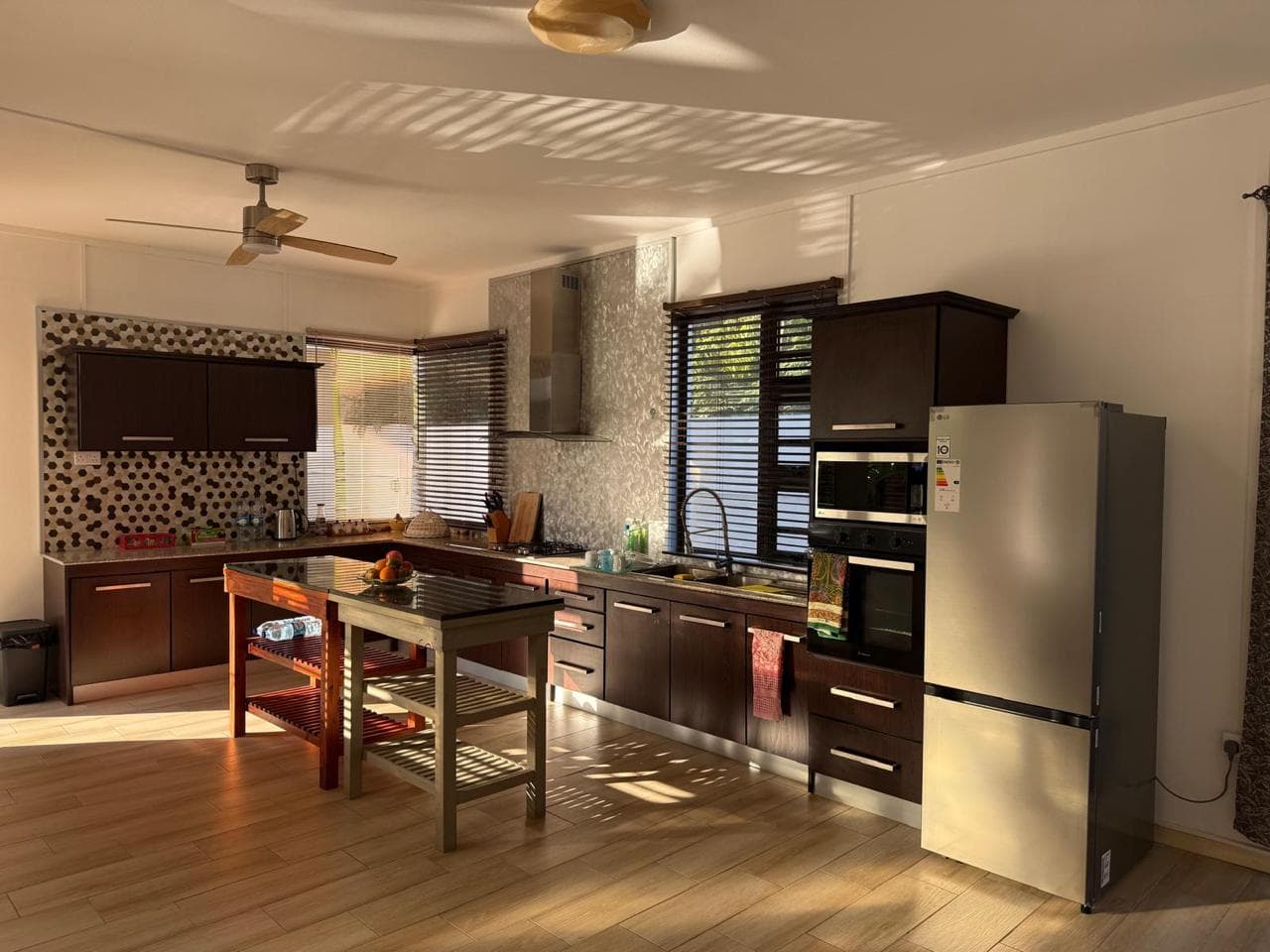
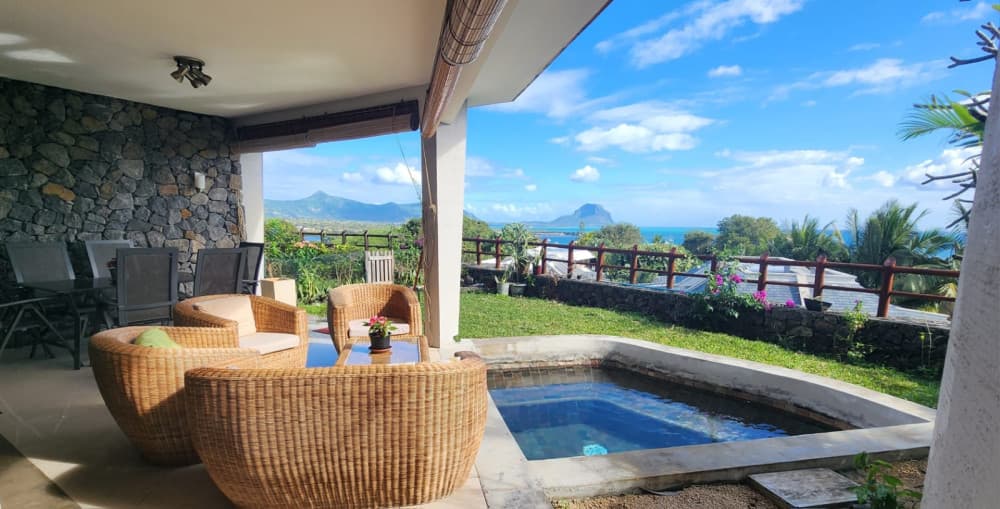
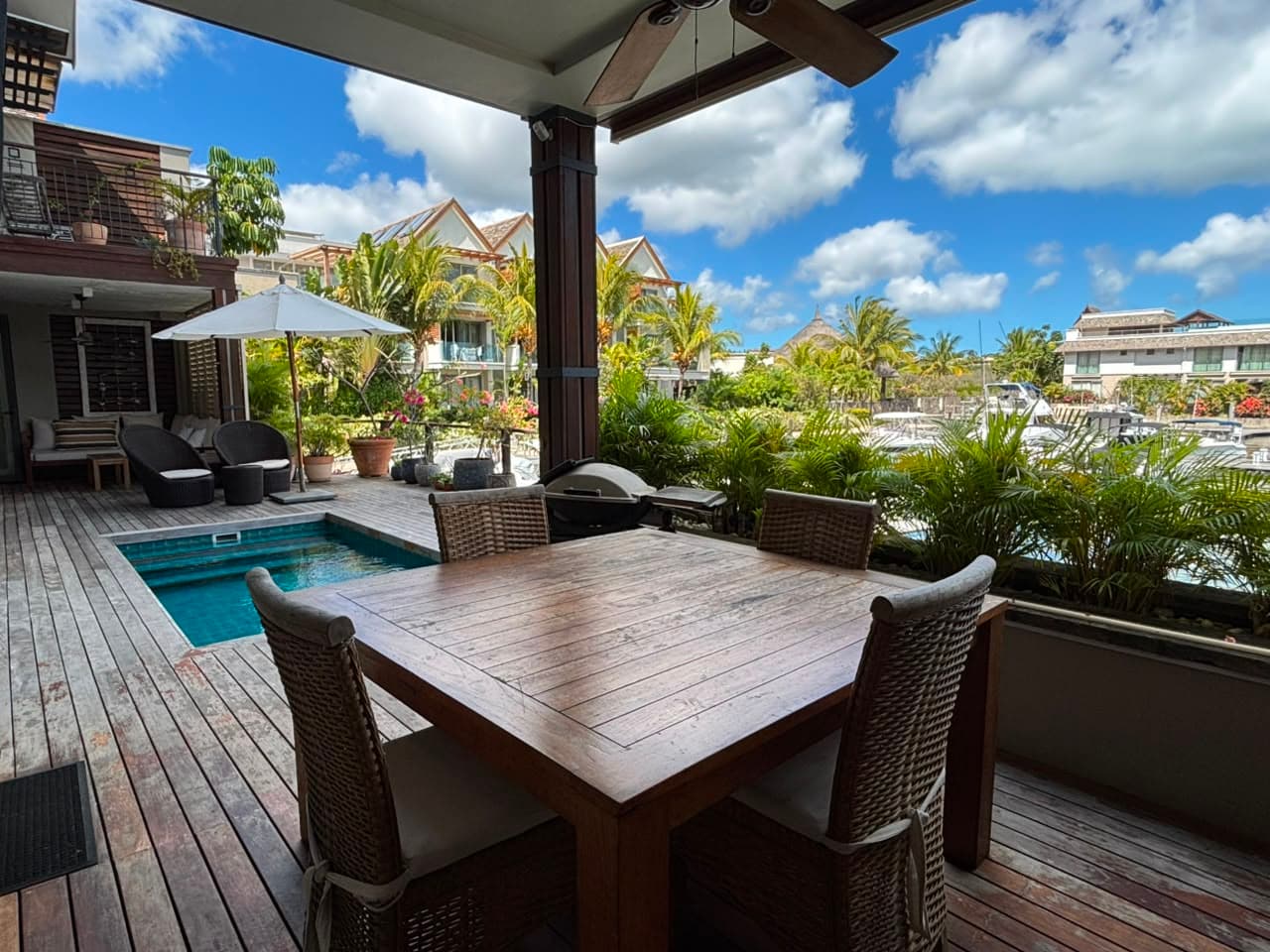
Ultimate Marina Lifestyle – Luxury Waterfront Residence, Private Mooring & Boat
44

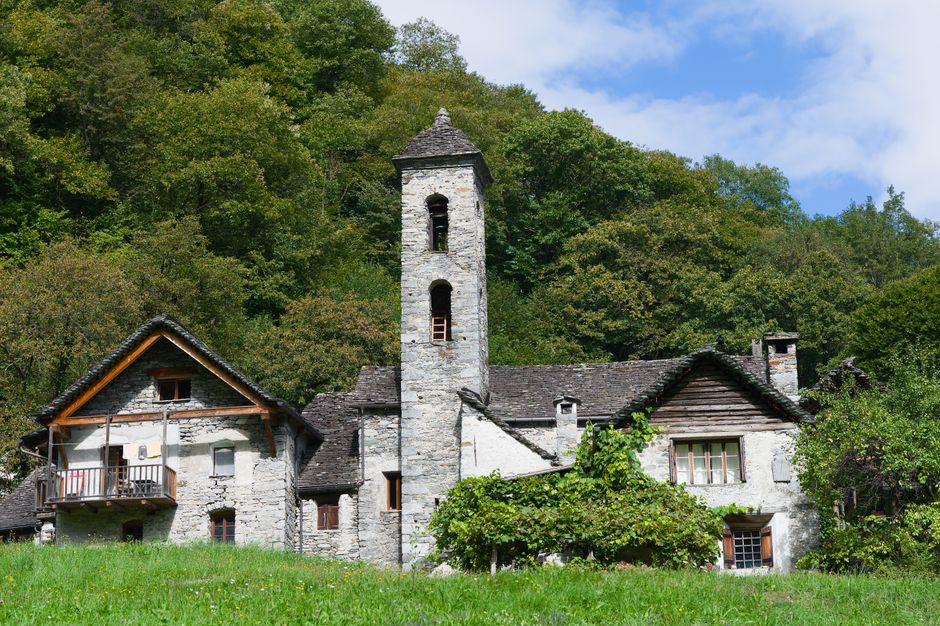
Houses and villas for sale in Belle Mare on Mauritius's east coast: the area, who can buy, which schemes apply, and what to check before signing.
Belle Mare, on the east coast of Mauritius in the Flacq district, is known for its long stretch of public beach, calm lagoon and a cluster of golf courses and resorts nearby. It has long attracted buyers looking for a quieter coastal setting than the busier northern towns, while still being within reach of shops, schools and the airport. This guide looks at the kind of houses on the market in Belle Mare, who is legally able to buy them, and the steps involved.
Belle Mare sits along a wide bay with a shallow lagoon, popular for swimming and water sports. The surrounding area mixes residential developments, golf estates and hotel properties, with a more relaxed pace than the north coast around Grand Baie or the west coast around Flic en Flac. Buyers drawn to Belle Mare are often looking for space, privacy and proximity to the beach rather than nightlife or dense commercial activity. Exact distances to the airport, nearby towns and amenities vary by specific property, so these should always be confirmed with the agent or notary handling the sale.
Houses for sale in Belle Mare range from standalone villas within gated residential developments to older freestanding houses in established neighbourhoods and resale units within long-running residential estates. Many of the newer villas are part of structured developments built under government-approved schemes, offering amenities such as shared security, landscaped grounds or golf course access. Older houses, particularly those not part of a scheme, can generally only be bought by Mauritian citizens. Plot sizes, build quality, number of bedrooms and finishes vary considerably from one property to another, so these details should be verified directly against each listing rather than assumed from the general area reputation.
Non-citizens cannot simply buy any house in Mauritius. Foreign buyers are restricted to specific routes, each requiring approval from the Economic Development Board (EDB):
Belle Mare includes developments falling under more than one of these categories, so it is essential to check which scheme a specific house belongs to before making an offer. A property that looks similar to its neighbour may sit under a different legal framework entirely.
Buyers purchasing through the PDS or Smart City Scheme at a price of USD 375,000 or more become eligible, along with their immediate family, for a residence permit for as long as the property is held. This is a residence permit, not permanent residency, and it lapses if the property is sold. Anyone considering a purchase in Belle Mare with this benefit in mind should confirm current eligibility criteria and procedure with the EDB or their notary, since administrative requirements can change.
Every property transaction in Mauritius, regardless of nationality or scheme, must go through a licensed Mauritian notary. The notary verifies title, drafts the deed of sale and registers the transaction. For foreign buyers, this sits alongside the EDB approval process, which confirms the buyer's eligibility under the relevant scheme. Typical steps include:
Costs, duties and typical timeframes vary by transaction and should be confirmed directly with the notary handling the sale. Since 1 August 2026, any estate agent assisting with the transaction must also be registered with the Real Estate Agent Authority (REAA) under the REAA Act 2020, so it is worth confirming an agent's registration status before engaging them. Our guide to the REAA explains this in more detail.
Beyond the scheme and legal status, buyers should look closely at:
These points vary property by property, so they should be confirmed with the seller, agent and notary rather than assumed from general market commentary. For a broader view of the purchase process, see our guide to buying property in Mauritius and our overview of the legal process.
Mauritius has no capital gains tax or inheritance tax, which is often cited as an attraction for property buyers. Personal income tax is progressive, with no tax up to MUR 500,000, 10 percent up to MUR 1,000,000, 20 percent up to MUR 12,000,000 and 35 percent above that threshold from 1 July 2026. Corporate tax stands at 15 percent. These rates apply to income generally and are not specific to property transactions, so anyone planning to rent out a house in Belle Mare should seek tailored advice on how rental income would be taxed in their situation.
Only if the house falls under an approved scheme such as the PDS, Smart City Scheme, or is a resale unit within an older IRS or RES development, or qualifies as an apartment in a G+2 building. Each case needs EDB approval, so the scheme status of any specific house must be confirmed before proceeding.
No. A PDS or Smart City purchase of USD 375,000 or more gives the buyer and immediate family a residence permit for as long as the property is held, not permanent residency. The permit is tied to continued ownership.
Prices vary significantly depending on the development, plot size, finishes and scheme type. There is no single reliable figure to quote, so current asking prices should be checked directly through current listings or confirmed with an agent.
Every property transaction in Mauritius must go through a licensed Mauritian notary, who verifies title and manages the deed of sale and registration. Non-citizen buyers also need EDB approval under the relevant scheme. If you are considering a purchase, our contact page can put you in touch with relevant professionals, and owners considering a sale can find guidance on listing a property.
Hand-picked
Riviere Noire · West

Baie du Cap · South
Tamarin · West

Baie du Cap · South
Beau Champ · East
Riviere Noire · West
Explore by region
Explore the site
Market updates, buying guidance and the best new listings, straight to your inbox.
Mauritius Real Estate · 14 Oct 2026
Everything you need to know about house rental in Mauritius: costs, locations, lease rules, and how to find the right property. Updated guide for…
Mauritius Real Estate · 13 Oct 2026
Where to find a business park in Mauritius, what leasing or buying costs, and how foreign companies set up. Covers Ebène, Grand Baie, Pailles and…
Mauritius Real Estate · 12 Oct 2026
A practical guide to business insurance in Mauritius for property owners, landlords, and investors. Covers key cover types, costs, and what to check…
Mauritius Real Estate · 10 Oct 2026
Everything you need to know about getting a skipper license in Mauritius, from exam requirements to costs, plus how it connects to waterfront living.
Mauritius Real Estate · 9 Oct 2026
Find bungalows for rent in Mauritius: coastal, urban, and waterfront options explained, with inspection tips and neighbourhood comparisons.
Mauritius Real Estate · 9 Oct 2026
Explore the business park in Mauritius Riviere Noire, commercial real estate options, waterfront property, and financing routes for foreign buyers.
Browse our current listings or speak to an agent.