FOR RENTExpat
Rs450K/mo
Riviere Noire · West
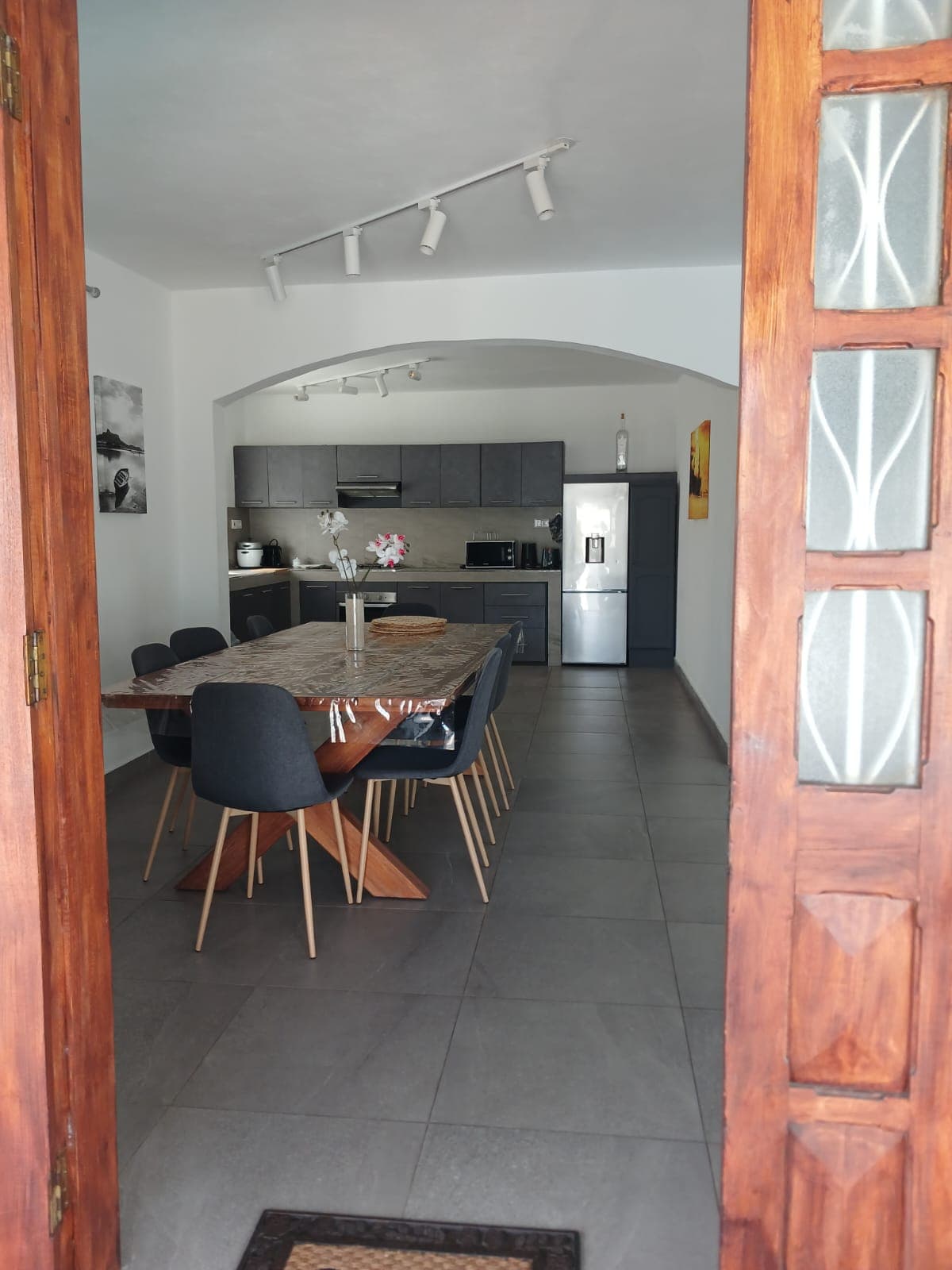
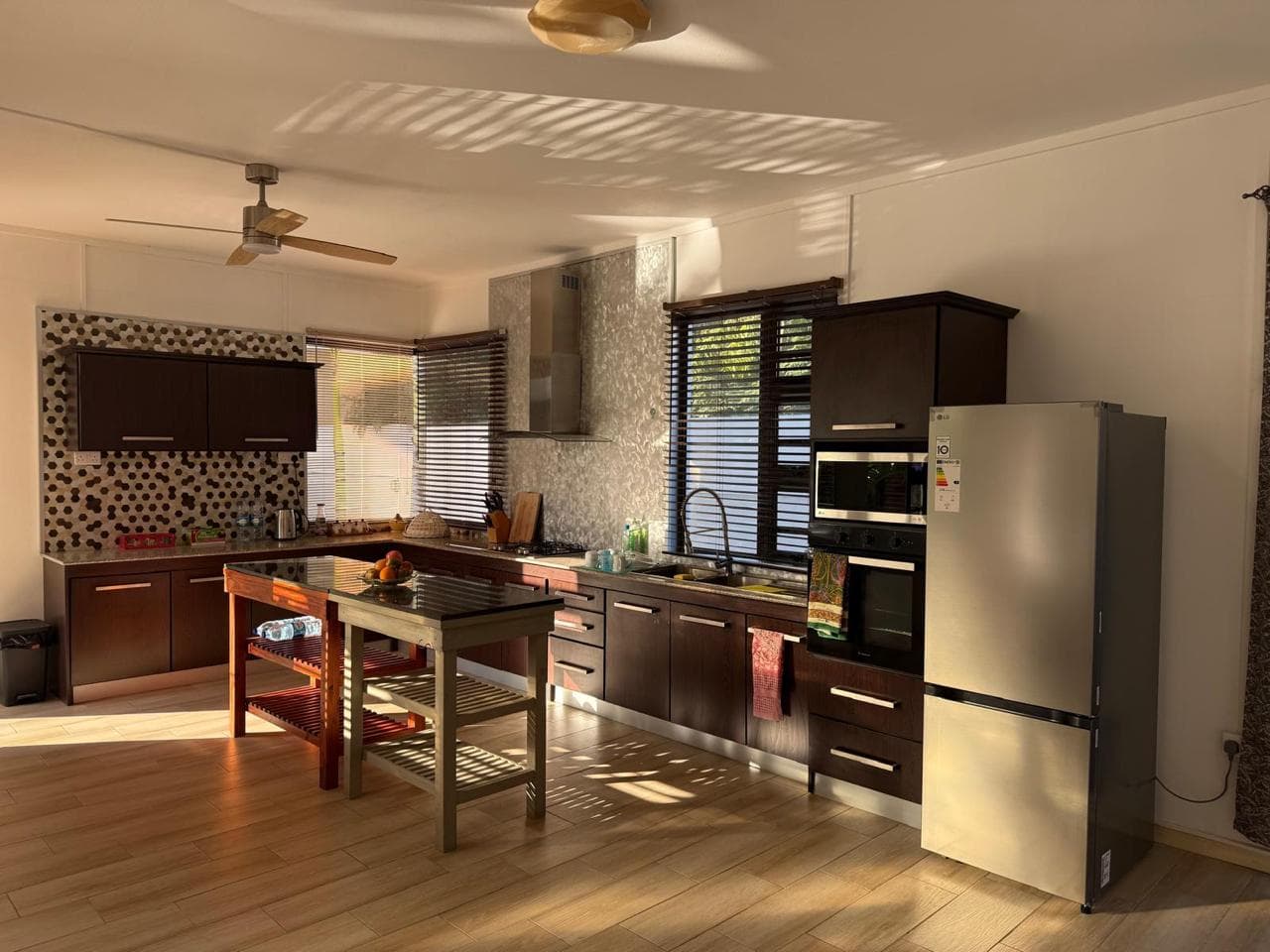
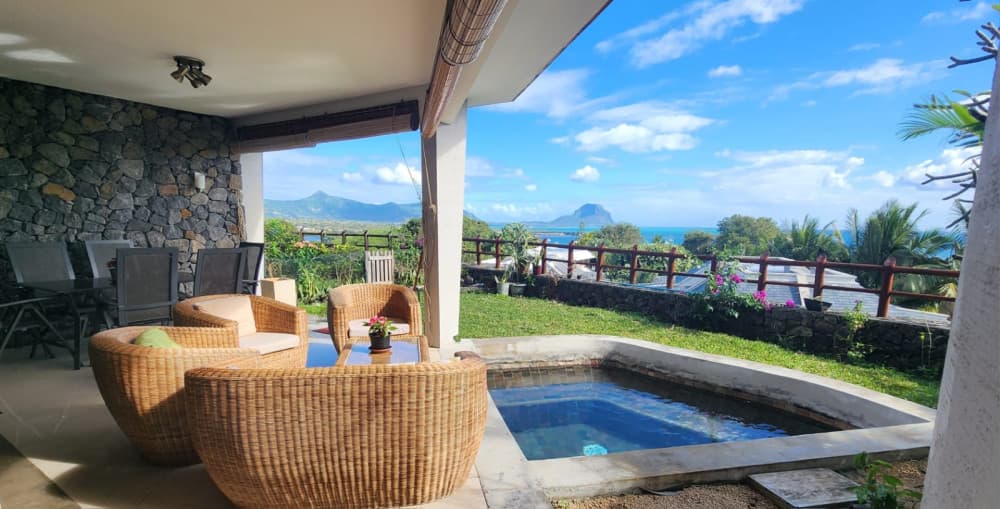
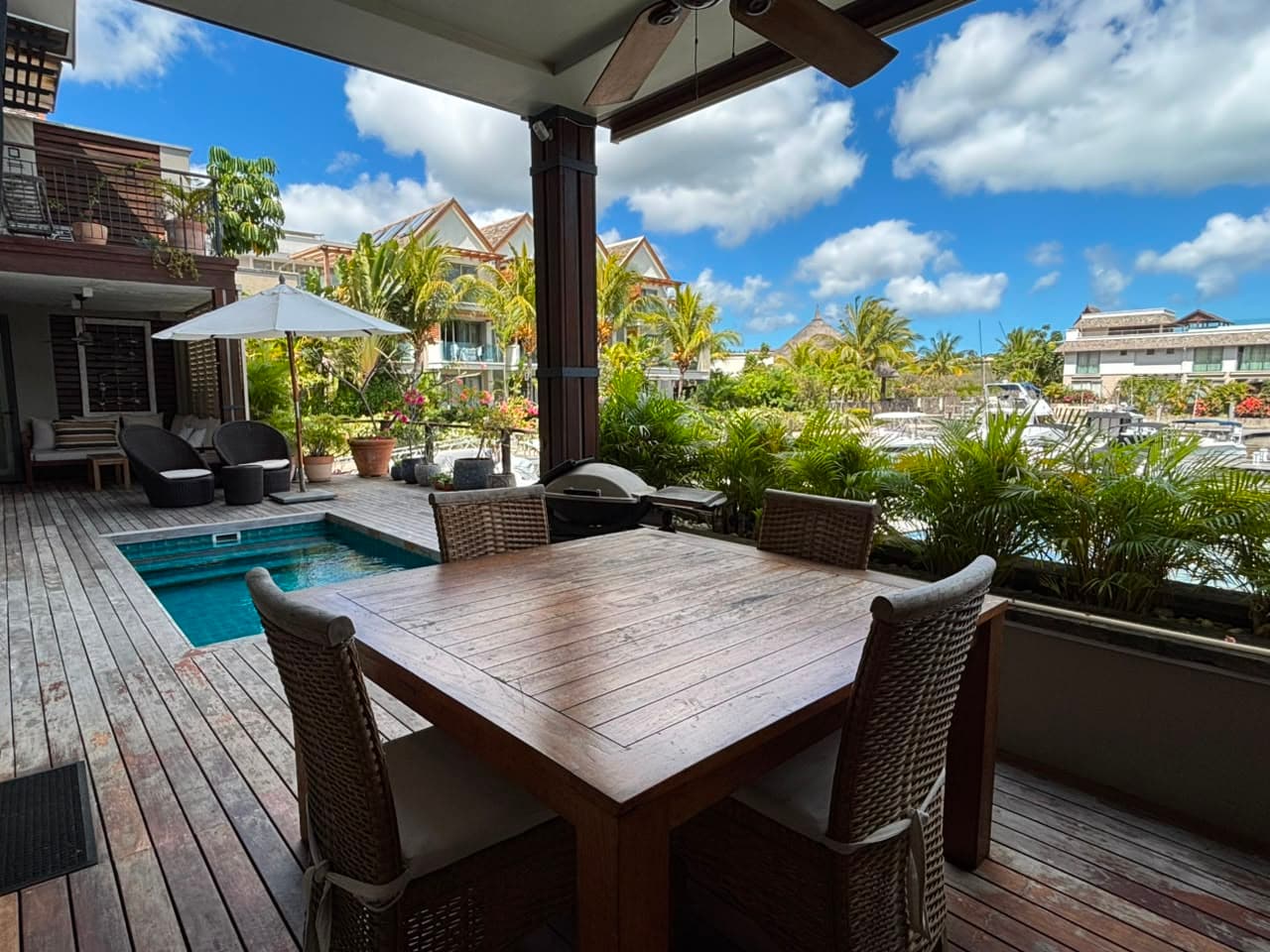
Ultimate Marina Lifestyle – Luxury Waterfront Residence, Private Mooring & Boat
44


Planning a house sale in Mauritius? Learn the legal process, costs, timelines, and how to find the right property with confidence.
A house sale in Mauritius follows a structured legal process governed by the Notarial Act and the Civil Code of Mauritius. Whether you are a foreign investor, a relocating professional, or a local buyer, understanding each stage, from initial offer to registered deed, removes uncertainty and helps you move at the right pace. This guide covers the full process, the costs involved, and how to use a property finder service effectively to locate the right home.
A house sale in Mauritius is a legally binding transfer of residential property ownership from a seller to a buyer, executed before a licensed notary and registered with the Conservator of Mortgages. The transaction is formalised in two stages: a preliminary agreement (known as a Contrat Préliminaire de Vente or Promised Sale Agreement) and a final Deed of Sale. Both documents carry legal weight and must be prepared by a Mauritian notary.
For foreign nationals, additional eligibility rules apply depending on the scheme under which the property is purchased, such as the Property Development Scheme (PDS) or the Smart City Scheme. Freehold purchases outside these schemes are generally restricted to Mauritian citizens and residents.
Most buyers begin with an online property finder to identify listings that match their budget, location preferences, and property type. A reliable property finder for Mauritius will display verified listings across residential categories, villas, apartments, townhouses, and filter by region, price, and scheme eligibility. This stage typically takes two to eight weeks depending on how clearly the buyer has defined their criteria.
Once a property is identified, the buyer submits a written offer to the seller or the seller's agent. In Mauritius, verbal agreements carry no legal standing. The offer should specify the purchase price, proposed payment structure, and any conditions precedent, such as obtaining a bank loan or government approval.
If the offer is accepted, both parties sign a Promised Sale Agreement before a notary. The buyer typically pays a deposit of 10% of the purchase price at this stage. This agreement binds both parties: if the buyer withdraws without legal cause, the deposit is forfeited; if the seller withdraws, they must return double the deposit amount.
Between the Promised Sale Agreement and the final deed, the notary conducts title searches, verifies that the property is free of encumbrances, and confirms that all municipal and regulatory clearances are in order. For foreign buyers purchasing under a government scheme, approval from the Economic Development Board (EDB) is also required during this period. This stage typically takes four to twelve weeks.
The Deed of Sale is signed before the notary by both parties. Ownership transfers legally at the moment of signature. The notary then registers the deed with the Conservator of Mortgages, making the transfer part of the public record. The buyer receives a certified copy of the registered deed.
Understanding the full cost of a house sale prevents surprises at the final stage. The following costs are standard:
Total buyer-side transaction costs generally fall between 6% and 8% of the purchase price when all duties, notary fees, and ancillary charges are included.
A property finder service aggregates listings from developers, private sellers, and estate agents into a single searchable platform. For buyers researching remotely, from the UK, Europe, or South Africa, this is typically the first point of contact with the Mauritius property market.
A well-structured property finder service for Mauritius will offer:
For buyers, reputable property finder platforms in Mauritius are free to use. The platform earns revenue from listing fees paid by agents and developers, not from buyers. If a platform charges buyers a search or registration fee, treat that as a red flag.
For agents and developers listing properties, fees vary by platform and listing tier. Basic listings may be free or low-cost; featured or premium placements carry higher monthly fees. Pricing structures are typically published transparently on the platform's agent-facing pages.
When evaluating which property finder to use, look for reviews that address three specific areas: accuracy of listing information, responsiveness of listed agents, and ease of filtering by buyer eligibility. Reviews that speak to the quality of after-search support, such as connecting buyers with notaries or mortgage advisers, indicate a more full-service platform.
Skipping the Promised Sale Agreement: Some buyers attempt to proceed directly to a Deed of Sale to save time. This removes the legal protections the preliminary agreement provides and is not recommended.
Relying on informal price estimates: Asking prices in Mauritius can differ significantly from final agreed prices, particularly in the luxury segment. Always request a formal valuation from a registered valuer before making an offer.
Underestimating the EDB approval timeline: Foreign buyers sometimes factor in only the notary's timeline and overlook the EDB approval process. Build in at least six to eight weeks for this step.
Choosing an agent without verifying credentials: In Mauritius, estate agents must be registered with the Estate Agents Authority (EAA). Verify registration before signing any mandate or paying any fee.
Mauritian banks offer mortgage products to both residents and non-residents, though lending criteria for foreign buyers are typically more stringent. Standard loan-to-value ratios for non-residents range from 60% to 70%, meaning buyers should expect to fund 30% to 40% of the purchase price from personal funds. Interest rates are variable and linked to the Bank of Mauritius repo rate.
Some developers operating within PDS and Smart City schemes offer in-house financing or deferred payment structures during the construction phase, a useful option for buyers purchasing off-plan.
A house sale in Mauritius is a well-regulated process with clear stages, published costs, and established legal protections for both buyers and sellers. Foreign buyers have access to the market through government-approved schemes, and the combination of a reliable property finder and an experienced notary makes the transaction manageable from abroad. Knowing what each step costs and how long it takes is the most effective way to plan a purchase with confidence.
Hand-picked
Riviere Noire · West

Baie du Cap · South

Tamarin · West
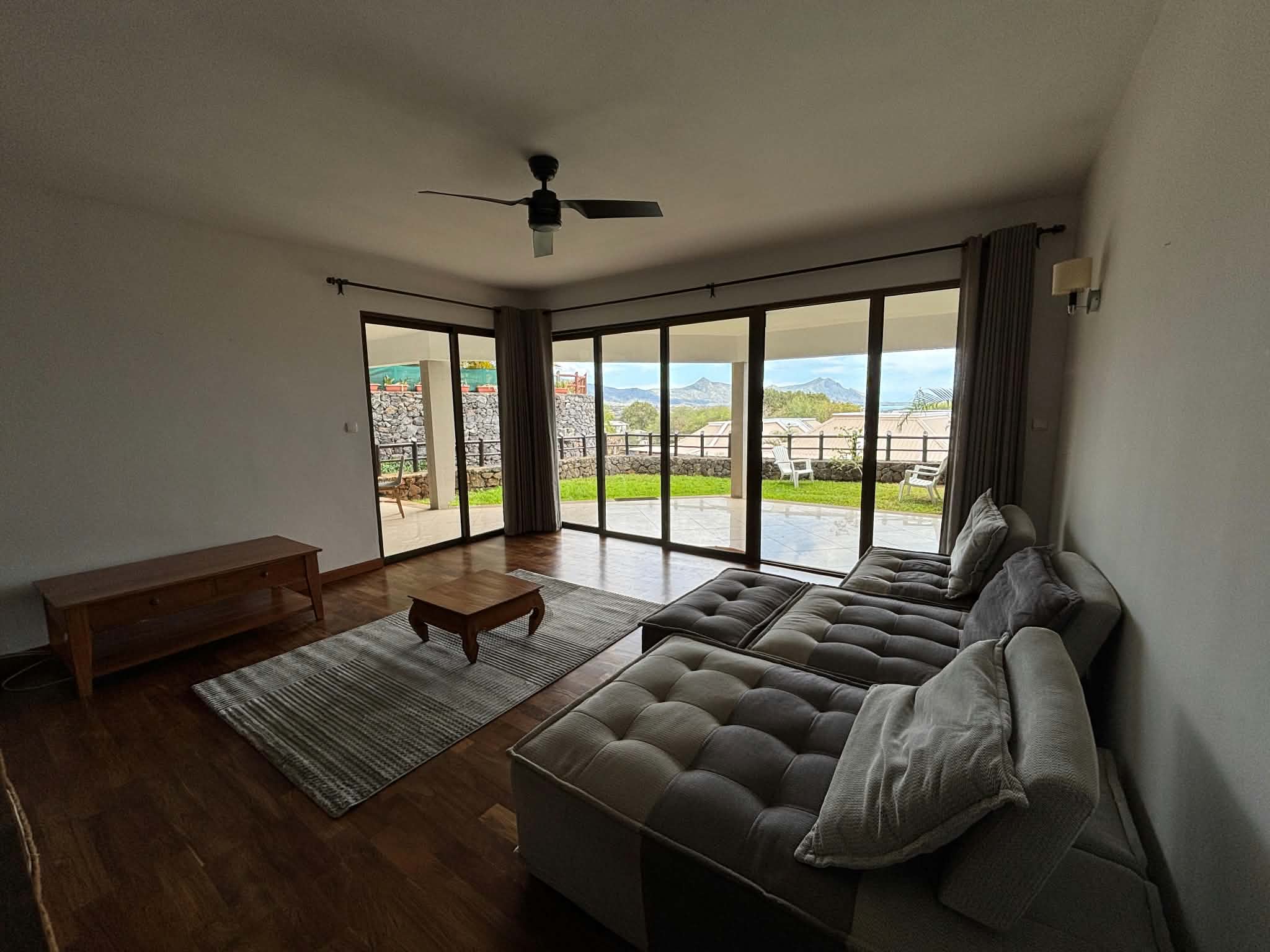
Tamarin · West


Baie du Cap · South
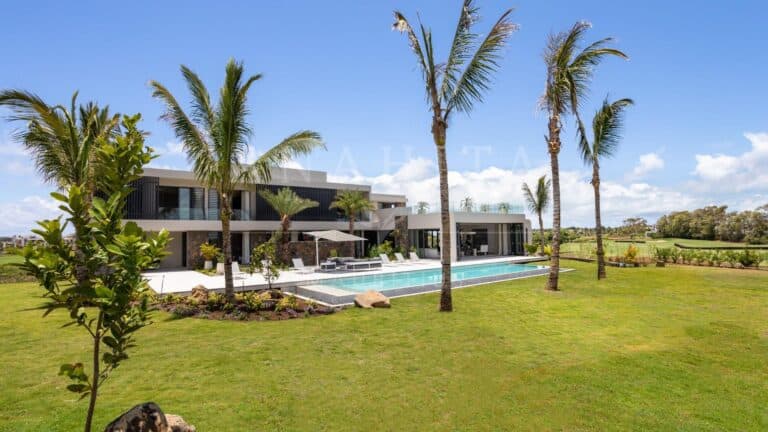
Beau Champ · East
Explore by region
Explore the site
Market updates, buying guidance and the best new listings, straight to your inbox.
Mauritius Real Estate · 15 Oct 2026
Seen our properties on PropertyCloud? How the listings match, what you get searching with us directly, and the essentials of buying in Mauritius.
Mauritius Real Estate · 14 Oct 2026
Everything you need to know about house rental in Mauritius: costs, locations, lease rules, and how to find the right property. Updated guide for…
Mauritius Real Estate · 13 Oct 2026
Where to find a business park in Mauritius, what leasing or buying costs, and how foreign companies set up. Covers Ebène, Grand Baie, Pailles and…
Mauritius Real Estate · 12 Oct 2026
A practical guide to business insurance in Mauritius for property owners, landlords, and investors. Covers key cover types, costs, and what to check…
Mauritius Real Estate · 10 Oct 2026
Everything you need to know about getting a skipper license in Mauritius, from exam requirements to costs, plus how it connects to waterfront living.
Mauritius Real Estate · 9 Oct 2026
Find bungalows for rent in Mauritius: coastal, urban, and waterfront options explained, with inspection tips and neighbourhood comparisons.
Browse our current listings or speak to an agent.