FOR SALEExpat
€1.0M
Baie du Cap · South
Bioclimatic Villa in Mauritius – 3-Bedroom Luxury Home with Private Pool
33

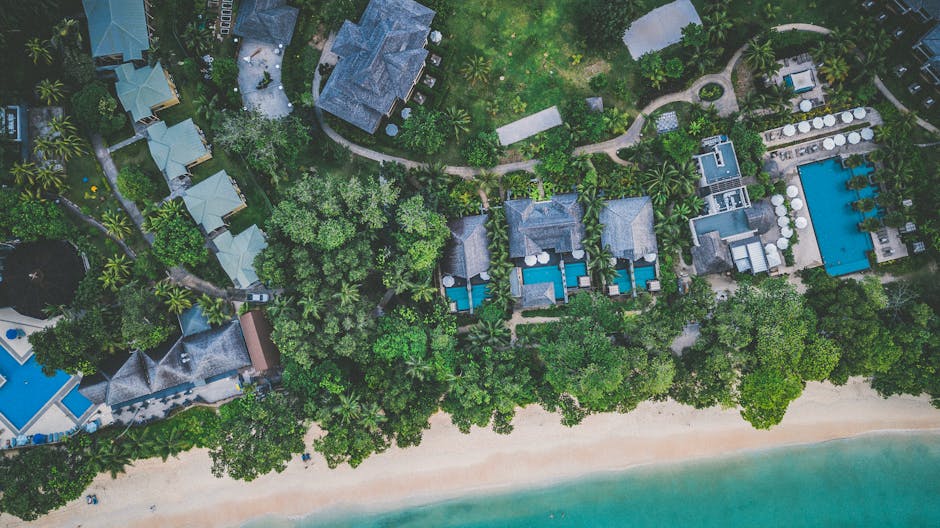
Immobili Maurice explained, how property search works in Mauritius, what the process costs, and what foreign buyers should know before they start.
Immobili Maurice is the French-language term used across Mauritius and the broader Francophone world to describe Mauritian real estate, literally, "property in Mauritius." Whether you encounter the phrase in a French-language listing portal, a notary's correspondence, or a conversation with a local agent, it refers to the same thing: residential and commercial property located on the island of Mauritius in the Indian Ocean.
For internationally mobile buyers, particularly those from France, Belgium, Switzerland, or Réunion, the term is the natural starting point for any property search. Understanding what sits behind it, including how the Mauritian property market is structured, what platforms exist to search listings, and what the buying process involves, is essential before committing to any purchase.
Mauritius does not have a single, government-run property register that is publicly searchable in real time. Instead, buyers typically find property through one of three routes:
Online platforms have become the most practical first step for buyers researching from abroad. A well-structured property finder for Mauritius allows you to filter by location, property type, price range, and scheme eligibility, saving significant time before you travel to view properties in person.
Not every listing site is equally reliable. When evaluating any property search service for Mauritius, check for:
Buyers researching immobili Maurice will quickly encounter questions about cost, not just the purchase price, but the transaction costs layered on top. Here is a clear breakdown of what to budget for.
For foreign nationals, the minimum investment threshold under the Property Development Scheme (PDS) is USD 375,000. IRS properties (an older scheme now largely superseded by PDS) carry similar thresholds. There is no minimum for properties purchased by Mauritian citizens or residents, but non-citizens are legally restricted from buying outside the approved foreign-ownership schemes.
| Cost Item | Typical Rate | |---|---| | Registration duty | 5% of purchase price | | Notary fees | 1–2% (negotiable, regulated) | | Title deed transcription fee | ~0.5% | | Agent commission | 2–3% (usually paid by seller) | | Land transfer tax | 5% (paid by seller) |
Buyers should budget approximately 6–8% of the purchase price in total transaction costs on top of the agreed price. This figure can vary slightly depending on the notary engaged and whether any negotiation on fees takes place.
Once purchased, owners of immobili Maurice should account for:
The Mauritian property purchase process is well-established and follows a clear sequence. Foreign buyers often find it reassuring that a notary, a qualified legal officer, is required by law to oversee every transaction.
Identify a property through an agent or listing platform. Once agreed on price, the agent prepares a written offer. At this stage, no money changes hands.
The notary drafts a preliminary agreement setting out the agreed price, conditions, and timeline. The buyer typically pays a deposit of 10% at this stage. This agreement is legally binding on both parties.
The notary conducts searches at the Conservatoire des Hypothèques (land registry) to confirm the seller's title, check for mortgages or encumbrances, and verify that the property is correctly registered. For PDS or IRS properties, the Economic Development Board (EDB) must also approve the foreign buyer's acquisition.
Once due diligence is complete and EDB approval granted, the notary prepares the final Deed of Sale. Both parties sign before the notary. The balance of the purchase price is paid, and the deed is registered at the Registrar-General's office.
Foreign buyers who purchase a qualifying property (PDS, IRS, RES, or Smart City) at or above the applicable threshold automatically qualify for a Mauritian residence permit. The permit is issued through the EDB and is valid for the duration of property ownership.
Buyers who have completed a property purchase in Mauritius consistently highlight a few common themes when describing their experience:
For buyers beginning their search from Europe or South Africa, a reliable online property platform is the most practical tool available before visiting the island. When comparing services, focus on the following:
Comprehensiveness of listings. A platform that aggregates from multiple agencies will give a more accurate picture of the market than one representing a single developer or agency.
Clarity on scheme eligibility. Foreign buyers need to know immediately whether a property is open to non-citizens. A good platform flags this at listing level.
Transparent pricing. Listings that show full asking prices, without requiring you to register or request a quote, save time and allow genuine comparison.
Responsive agent connections. The platform should connect you directly and promptly to the listing agent, not route enquiries through a slow central system.
Pricing for property search platforms in Mauritius varies. Some are free to buyers (revenue comes from agent subscriptions or developer advertising). Others may charge for premium listing access or valuation reports. Before paying for any service, confirm what is included and whether the agents featured are EAA-licensed.
Approaching immobili Maurice with a clear understanding of the legal framework, realistic cost expectations, and a methodical process makes the difference between a smooth acquisition and an unnecessarily complicated one.
Hand-picked
Baie du Cap · South

Riviere Noire · West

Tamarin · West

Riviere Noire · West

Beau Champ · East

Tamarin · West

Baie du Cap · South
Explore by region
Explore the site
Browse our current listings or speak to an agent.