FOR RENTExpat
Rs450K/mo
Riviere Noire · West
Ultimate Marina Lifestyle – Luxury Waterfront Residence, Private Mooring & Boat
44


Looking for industrial space in Mauritius? This guide covers zoning, costs, legal steps, and how to find the right property for your business needs.
Finding the right industrial space in Mauritius requires understanding a distinct set of rules that differ significantly from residential or commercial property purchases. Industrial properties, warehouses, light manufacturing units, logistics hubs, and storage facilities, are governed by specific zoning regulations, and foreign investors face additional legal requirements before they can acquire them. This guide sets out the key facts clearly so you can move forward with confidence.
Industrial space in Mauritius broadly covers any property designated for manufacturing, warehousing, logistics, processing, or related industrial activity. The main categories you will encounter are:
The Mauritius Board of Investment (BOI) and the Economic Development Board (EDB) oversee incentive schemes that can apply to businesses occupying qualifying industrial space, particularly those involved in export-oriented manufacturing or logistics.
Industrial land and buildings in Mauritius are concentrated in several designated zones. The main clusters are:
Proximity to the port or airport matters considerably for logistics-focused businesses. Properties in Freeport zones attract specific customs and tax treatment that can reduce operating costs meaningfully.
Foreign nationals and foreign-owned companies can acquire industrial property in Mauritius, but the process is more involved than for residential purchases. The key points are:
Engaging a qualified Mauritian notary and a property lawyer before signing any heads of terms is not optional, it is the practical foundation of any sound industrial property transaction.
The industrial property market in Mauritius is smaller and less publicly listed than the residential market. Several channels are worth using in parallel:
When using any property search platform, look for listings that clearly state the zoning classification, floor area in square metres, ceiling height (critical for warehousing), loading bay configuration, and whether the lease or sale is on freehold or leasehold land.
Pricing for industrial space in Mauritius varies considerably depending on location, specification, and tenure type.
Typical rental rates for industrial and warehouse space in the Port Louis corridor range from approximately MUR 80 to MUR 200 per square metre per month, depending on specification and location. Freeport-zoned facilities tend to command a premium given the customs advantages they offer.
Outright purchase of industrial buildings is less common than leasehold arrangements, but where freehold transactions occur, prices for established industrial units typically range from MUR 15,000 to MUR 35,000 per square metre, with significant variation based on age, condition, and infrastructure quality.
Buyers should budget for the following additional costs on any industrial property acquisition:
The process for acquiring industrial space follows the same broad legal framework as other property transactions in Mauritius, with some additional steps.
Conduct a physical inspection and verify the zoning classification with the local authority (municipality or district council). Confirm that the intended use is permitted under the current zoning.
Once a price or rental is agreed in principle, a heads of terms or letter of intent is signed. This is not legally binding in the same way as the Deed of Sale, but it establishes the commercial framework.
Your notary will conduct title searches and verify that there are no encumbrances, mortgages, or disputes attached to the property. For industrial sites, environmental due diligence is also advisable, particularly for sites with prior industrial use.
A preliminary agreement (equivalent to an exchange of contracts) is signed before a notary. A deposit, typically 10% of the purchase price, is paid at this stage.
If the transaction requires BOI, EDB, or Prime Minister's Office approval, this is pursued in parallel with or after the preliminary agreement.
The final Deed of Sale is executed before a notary and registered with the Registrar General. Legal title passes at registration.
Using a structured property search platform can reduce the time spent identifying suitable industrial listings. The most useful platforms allow you to filter by property type (industrial, warehouse, logistics), set a size range, specify location, and contact agents or landlords directly from the listing.
When evaluating any platform, consider the depth of industrial listings specifically, many general property portals focus on residential stock and carry only a handful of industrial options. A platform that covers the full spectrum of commercial and industrial property, with clear pricing transparency and direct agent contact, will save meaningful time in a market where industrial listings move quickly and are not always publicly advertised.
Hand-picked
Riviere Noire · West

Baie du Cap · South
Tamarin · West

Baie du Cap · South
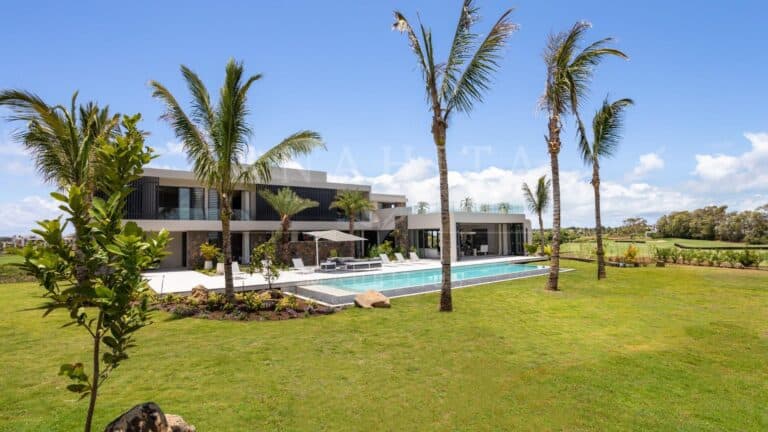
Beau Champ · East
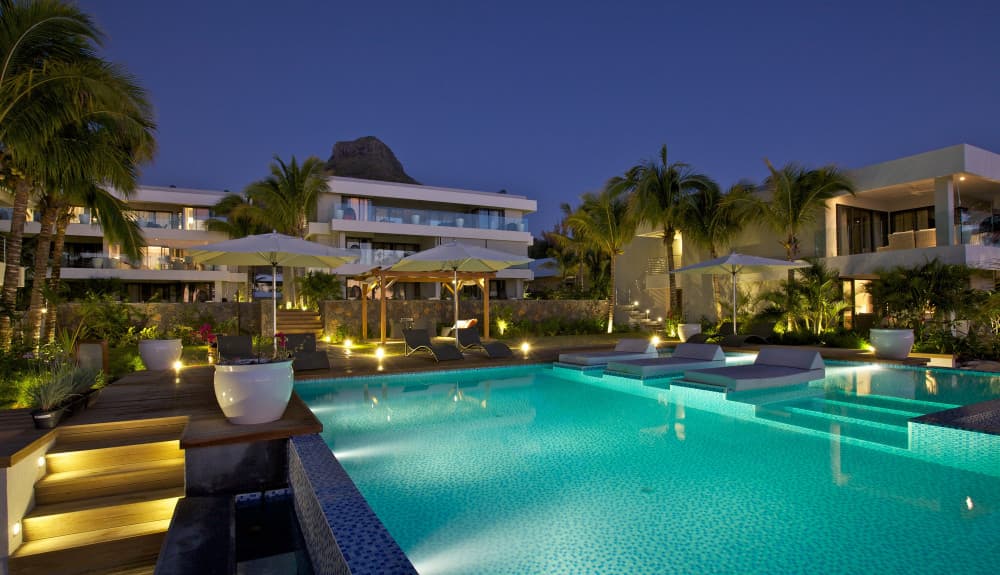
Riviere Noire · West
Explore by region
Explore the site
Market updates, buying guidance and the best new listings, straight to your inbox.
Mauritius Real Estate · 14 Oct 2026
Everything you need to know about house rental in Mauritius: costs, locations, lease rules, and how to find the right property. Updated guide for…
Mauritius Real Estate · 13 Oct 2026
Where to find a business park in Mauritius, what leasing or buying costs, and how foreign companies set up. Covers Ebène, Grand Baie, Pailles and…
Mauritius Real Estate · 12 Oct 2026
A practical guide to business insurance in Mauritius for property owners, landlords, and investors. Covers key cover types, costs, and what to check…
Mauritius Real Estate · 10 Oct 2026
Everything you need to know about getting a skipper license in Mauritius, from exam requirements to costs, plus how it connects to waterfront living.
Mauritius Real Estate · 9 Oct 2026
Find bungalows for rent in Mauritius: coastal, urban, and waterfront options explained, with inspection tips and neighbourhood comparisons.
Mauritius Real Estate · 9 Oct 2026
Explore the business park in Mauritius Riviere Noire, commercial real estate options, waterfront property, and financing routes for foreign buyers.
Browse our current listings or speak to an agent.