FOR RENTExpat
Rs450K/mo
Riviere Noire · West
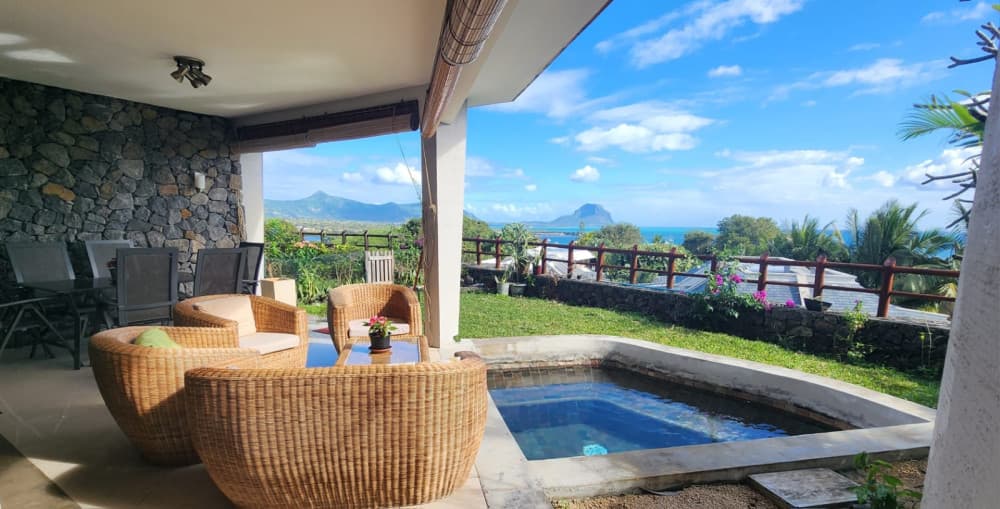
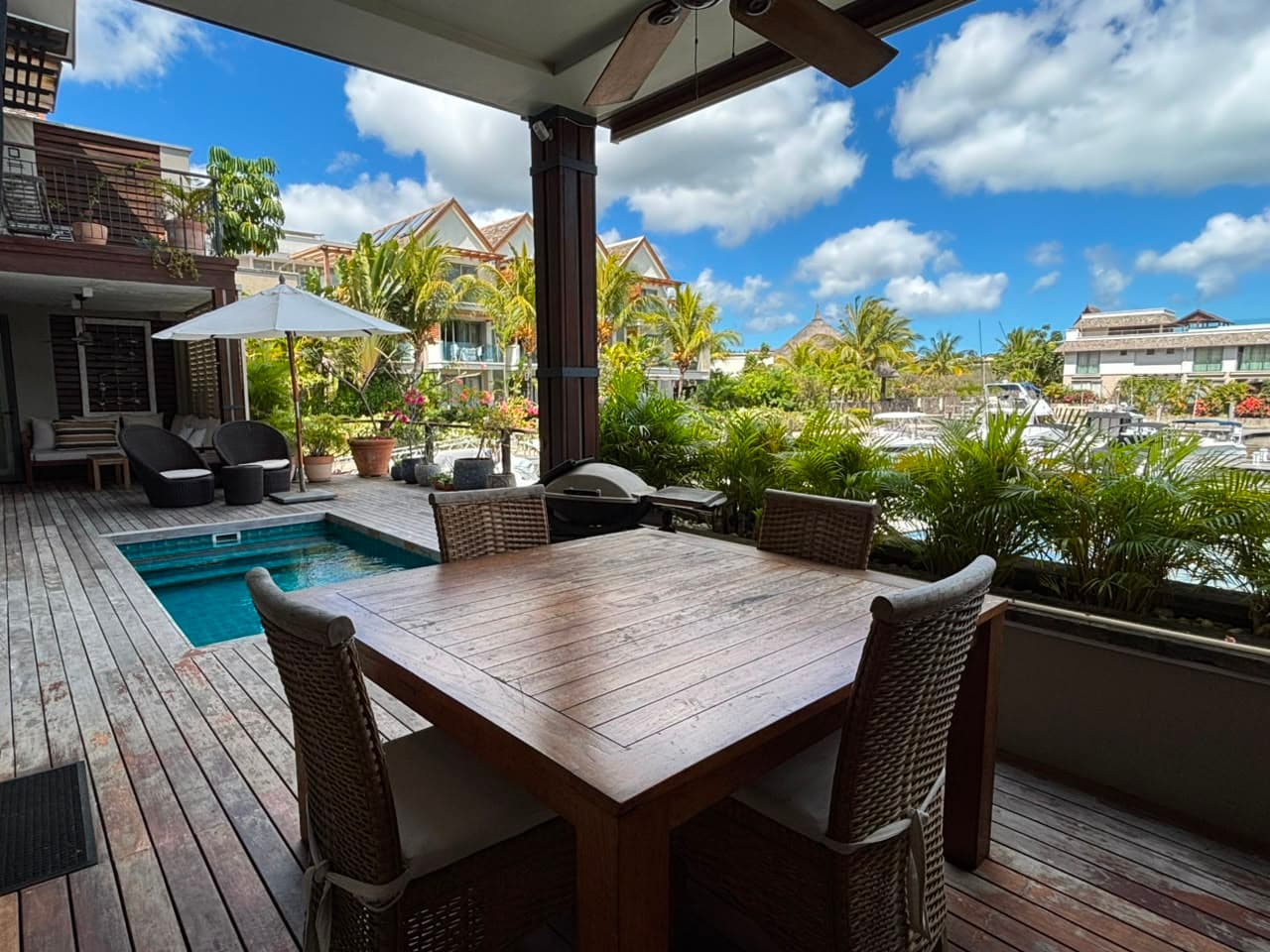
Ultimate Marina Lifestyle – Luxury Waterfront Residence, Private Mooring & Boat
44


Thinking of investing in Mauritius property? This plain-English guide covers legal frameworks, costs, and how to find the right property with confidence.
Investing in Mauritius property is a well-trodden path for international buyers, but it works differently from most other markets. The legal frameworks are specific, the eligible property types are defined by statute, and the process from search to signed deed follows a clear sequence. Understanding that sequence before you start saves time, reduces risk, and puts you in a stronger negotiating position.
This guide covers who can invest, which property types qualify, what the process looks like end to end, and how to use a dedicated property search platform to find the right listing efficiently.
Foreign nationals, including British, European, and South African buyers, can purchase residential property in Mauritius under specific government-approved schemes. Ownership outside these schemes is not permitted for non-citizens, so understanding the approved routes is the starting point for any serious investor.
The main frameworks are:
Each scheme has its own eligibility conditions, minimum investment thresholds, and residency implications. Purchasing under PDS or SCS with a value of USD 375,000 or more automatically qualifies the buyer, and dependants, for a residence permit.
Before searching listings, clarify your objectives. Are you buying for personal use, rental income, or long-term capital appreciation? Each goal points toward a different type of property, location, and scheme. A villa in a coastal PDS development suits a different investor profile than a Ground +2 apartment in a business district.
Using a dedicated Mauritius property search platform gives you access to verified listings across all approved schemes, filterable by location, price, scheme type, and property category. A good platform will display full property details, including scheme classification, land area, built area, and indicative price, so you can compare options without relying on incomplete agent brochures.
Property Finder Mauritius is one such platform. It aggregates listings from registered developers and agents across the island, covering villas, apartments, penthouses, and plots within approved investment frameworks. The service is designed for internationally mobile buyers who need accurate, structured information rather than marketing copy.
In Mauritius, property transactions are handled by a notary (notaire), not a solicitor. The notary is a state-appointed legal officer who verifies title, prepares the deed, and registers the transaction. Engaging a notary early, ideally before making an offer, means legal due diligence runs in parallel with your negotiation rather than after it.
Once a price is agreed, a preliminary agreement is signed between buyer and seller. This document sets out the agreed price, payment schedule, conditions precedent, and completion timeline. A deposit, typically 10%, is paid at this stage and held in escrow.
For certain property types, the Economic Development Board (EDB) must approve the transaction. Your notary will manage this application. Processing times vary but are typically four to eight weeks.
The final Deed of Sale is signed before the notary, with both parties present or represented by power of attorney. The balance of the purchase price is paid, and the deed is registered with the Registrar General. Ownership transfers at this point.
Buyers should account for the following costs in addition to the purchase price:
| Cost Item | Typical Amount | |---|---| | Registration duty | 5% of purchase price | | Notary fees | 1–2% of purchase price | | EDB application fee | Fixed government fee (varies by scheme) | | Agency commission | Typically paid by seller, confirm per transaction | | Annual property tax (IRS/RES) | USD 500 per year (where applicable) |
These figures are indicative. Your notary will provide a precise cost breakdown before you commit to a transaction.
A structured property search platform serves a different function from a general real estate agent. Rather than receiving curated shortlists shaped by agent incentives, you search the full available inventory yourself and filter by the criteria that matter to your brief.
When evaluating any platform for Mauritius property, look for:
Property Finder Mauritius covers all of these criteria. The platform is free to use for buyers. Listings are submitted by registered agents and developers, and each listing includes the scheme type, property specifications, and contact details. There is no subscription or registration fee for buyers searching the platform.
Mauritius has consistently attracted international buyers partly because of its political stability, its tax environment (no capital gains tax, no inheritance tax, no withholding tax on dividends), and its growing reputation as a regional business hub.
Rental yields in well-located PDS developments typically range from 4% to 6% gross per annum, depending on property type, management quality, and occupancy rates. Short-term holiday lets can generate higher gross yields but involve more active management.
Capital appreciation has been steady rather than speculative, driven by constrained supply within approved schemes and sustained demand from South African, French, and British buyers. The Mauritius Rupee's relative stability against major currencies adds a layer of predictability for foreign investors holding USD or EUR.
Buying outside an approved scheme. Foreign nationals cannot purchase freehold land or property outside the approved frameworks. Any transaction structured to circumvent this is legally void.
Skipping independent legal advice. The notary is a neutral state officer, not your advocate. Engaging independent legal counsel, particularly for large transactions or complex payment structures, is advisable.
Underestimating completion timelines. EDB approvals, mortgage processing (if applicable), and deed scheduling can extend a transaction to four to six months. Build this into your planning.
Relying solely on developer marketing materials. Independent research, including a site visit, a review of the development's management structure, and a check of the developer's track record, gives a more complete picture than a sales brochure.
Investing in Mauritius property is a structured, well-regulated process. The approved schemes define exactly which properties are available to foreign buyers, the notarial system provides legal certainty, and the tax environment is genuinely favourable by international standards. Using a comprehensive property search platform at the outset gives you full market visibility and lets you make comparisons on your own terms before engaging agents or developers directly.
Hand-picked
Riviere Noire · West

Baie du Cap · South

Tamarin · West

Baie du Cap · South
Beau Champ · East

Riviere Noire · West
Explore by region
Explore the site
Market updates, buying guidance and the best new listings, straight to your inbox.
Mauritius Real Estate · 14 Oct 2026
Everything you need to know about house rental in Mauritius: costs, locations, lease rules, and how to find the right property. Updated guide for…
Mauritius Real Estate · 13 Oct 2026
Where to find a business park in Mauritius, what leasing or buying costs, and how foreign companies set up. Covers Ebène, Grand Baie, Pailles and…
Mauritius Real Estate · 12 Oct 2026
A practical guide to business insurance in Mauritius for property owners, landlords, and investors. Covers key cover types, costs, and what to check…
Mauritius Real Estate · 10 Oct 2026
Everything you need to know about getting a skipper license in Mauritius, from exam requirements to costs, plus how it connects to waterfront living.
Mauritius Real Estate · 9 Oct 2026
Find bungalows for rent in Mauritius: coastal, urban, and waterfront options explained, with inspection tips and neighbourhood comparisons.
Mauritius Real Estate · 9 Oct 2026
Explore the business park in Mauritius Riviere Noire, commercial real estate options, waterfront property, and financing routes for foreign buyers.
Browse our current listings or speak to an agent.