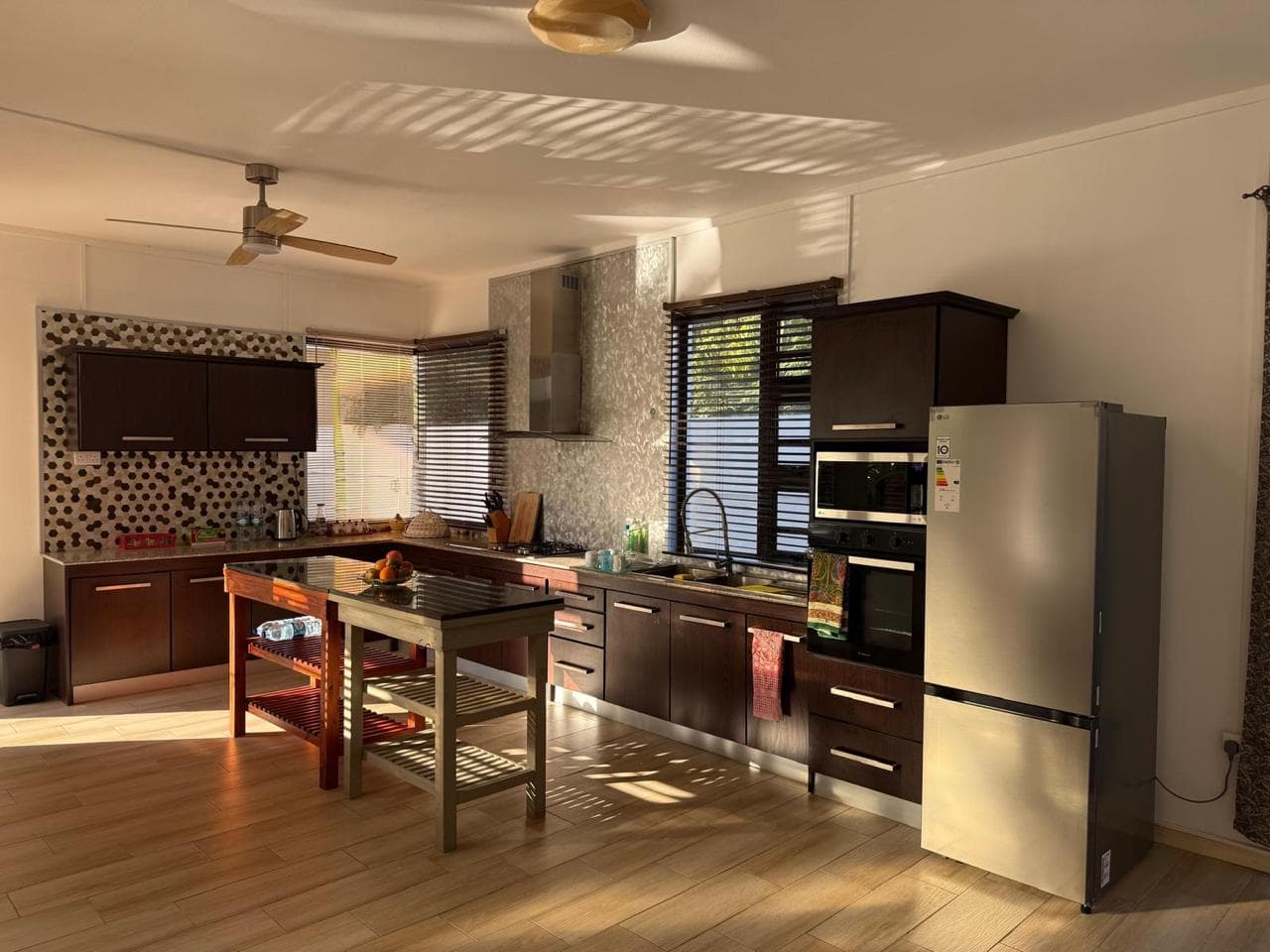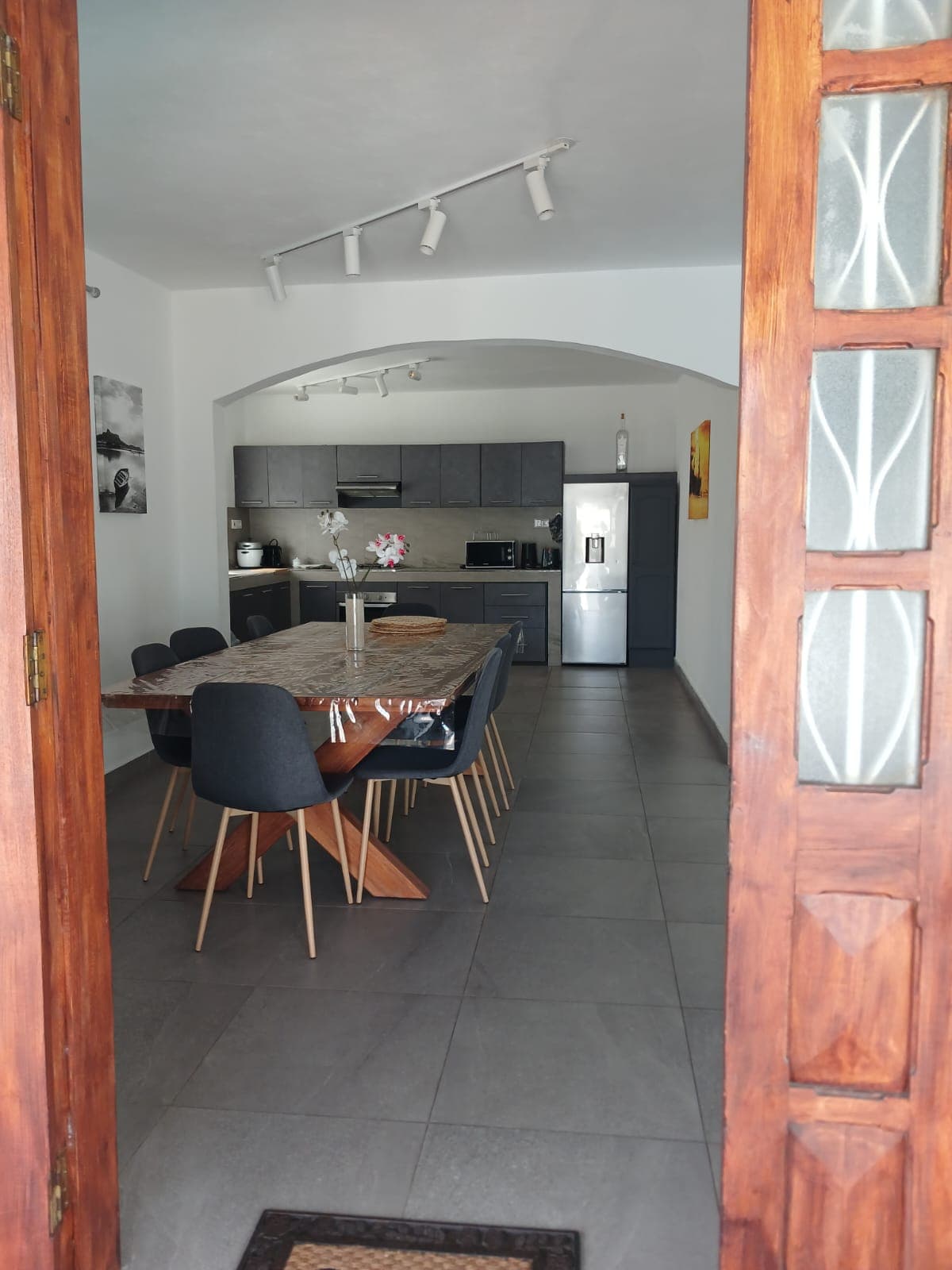
FOR RENTExpat
Rs65K/mo

Mauritius delivers gross rental yields of 4–7% and steady capital appreciation, backed by zero capital gains tax and a stable legal framework. Here's what investors need to know.
Mauritius consistently delivers gross rental yields of 4–7% depending on location and property type, with luxury beachfront villas in Grand Baie or Tamarin often sitting at the higher end. Capital appreciation has averaged 3–5% per year over the past decade, and crucially, Mauritius levies no capital gains tax and no inheritance tax — meaning more of your return stays in your pocket.
Grand Baie remains the island's most liquid rental market. Short-term holiday lets through platforms such as Airbnb regularly achieve occupancy rates above 70%, pushing gross yields toward 6–7% for well-managed villas and apartments. The established expat community also supports a robust long-term rental market at premium price points.
The west coast has undergone significant infrastructure investment, and areas like Tamarin and Black River attract both lifestyle buyers and rental investors. Yields here typically range from 5–6.5%, with strong demand from families and corporate relocatees seeking longer leases of 12–24 months.
Quieter and less developed, Grand Gaube and Roches Noires offer lower entry prices and emerging capital growth potential. Early-stage investors accepting slightly lower initial yields of 4–5% are positioning for above-average appreciation as infrastructure catches up.
Moka's smart-city developments appeal to professionals working in the financial services and tech sectors. Long-term rentals dominate, delivering stable yields of around 4.5–5.5% with minimal vacancy risk and lower management overhead than holiday lets.
Foreign nationals can purchase property in Mauritius through the Property Development Scheme (PDS), which replaced the former IRS and RES frameworks. A minimum purchase price of USD 375,000 qualifies the buyer — and their dependants — for Mauritian residency, a significant non-financial return that many investors factor into their decision. PDS properties are purpose-built within integrated resorts and often include managed rental pools, giving overseas investors a hands-off income stream with professional oversight.
Investors should budget for the following to calculate realistic net yields:
After accounting for these costs, net yields of 3.5–5% are achievable for well-located, well-managed properties — competitive with many European markets, and delivered in a politically stable, low-crime jurisdiction with a strong rule of law.
Post-pandemic tourism recovery has been robust, with Mauritius recording record visitor arrivals in 2023 and 2024. Demand from South African, French, and Indian buyers remains strong, supply of PDS-eligible land is finite, and the government continues to refine residency-by-investment pathways. These structural factors support both rental demand and long-term price growth. Waiting rarely rewards investors in a market with constrained supply and rising international interest.
Ready to explore investment opportunities in Mauritius? Contact the PropertyFinder Mauritius team via our contact page to arrange viewings or get personalised advice on maximising your returns. You can also browse our full range of available properties at property for sale in Mauritius and find the opportunity that fits your investment goals.
Hand-picked
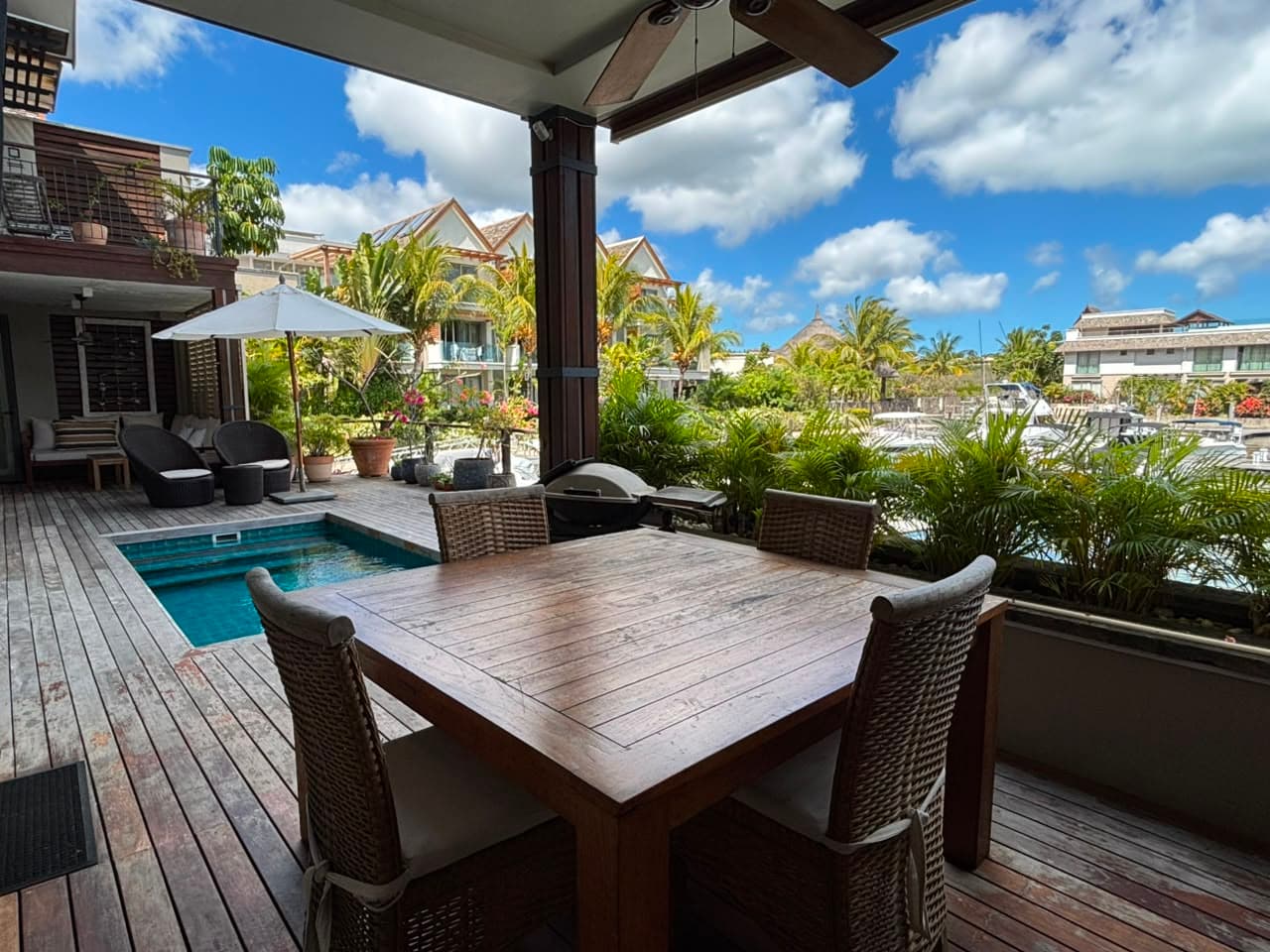
Riviere Noire · West

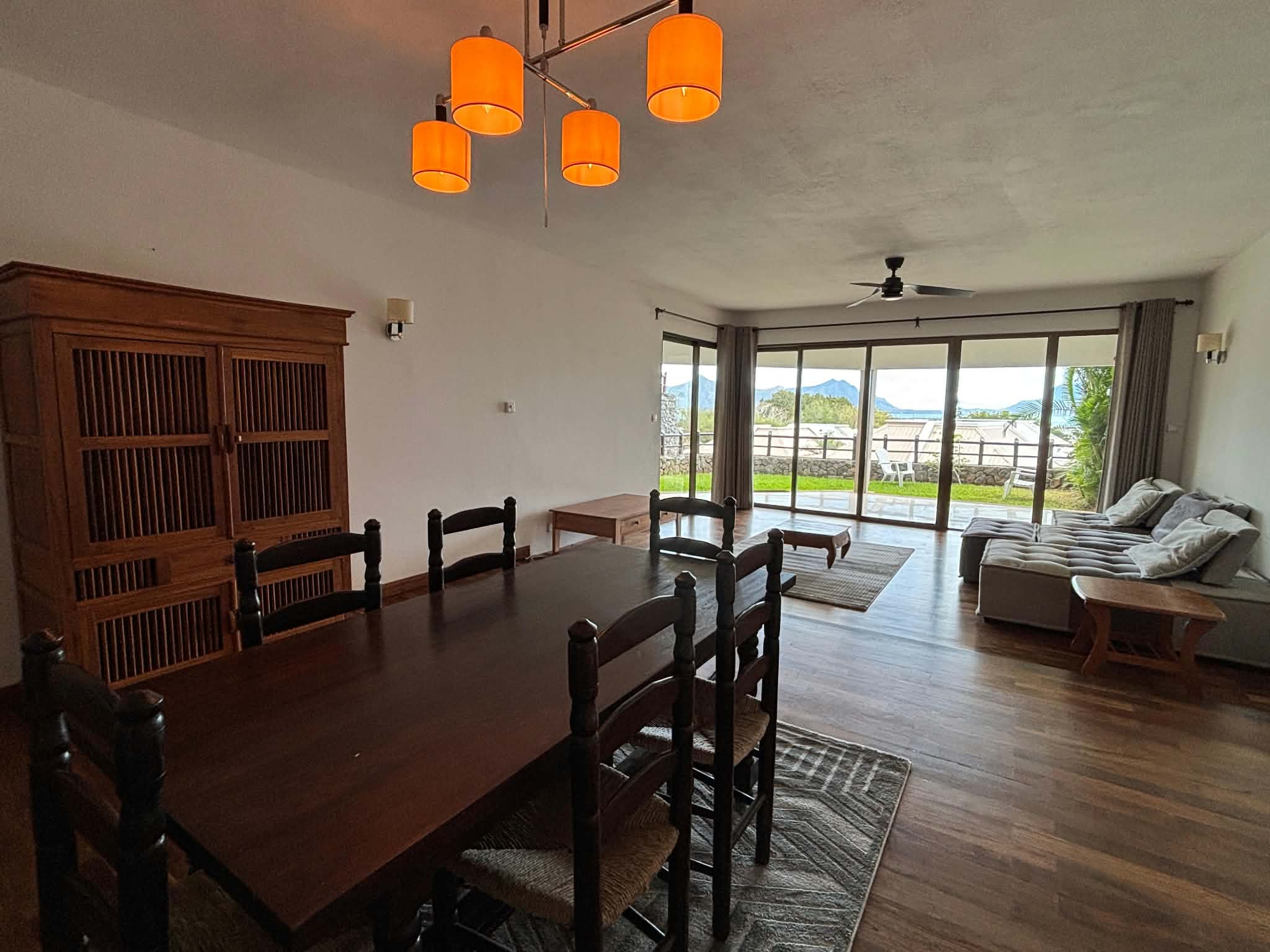
Tamarin · West

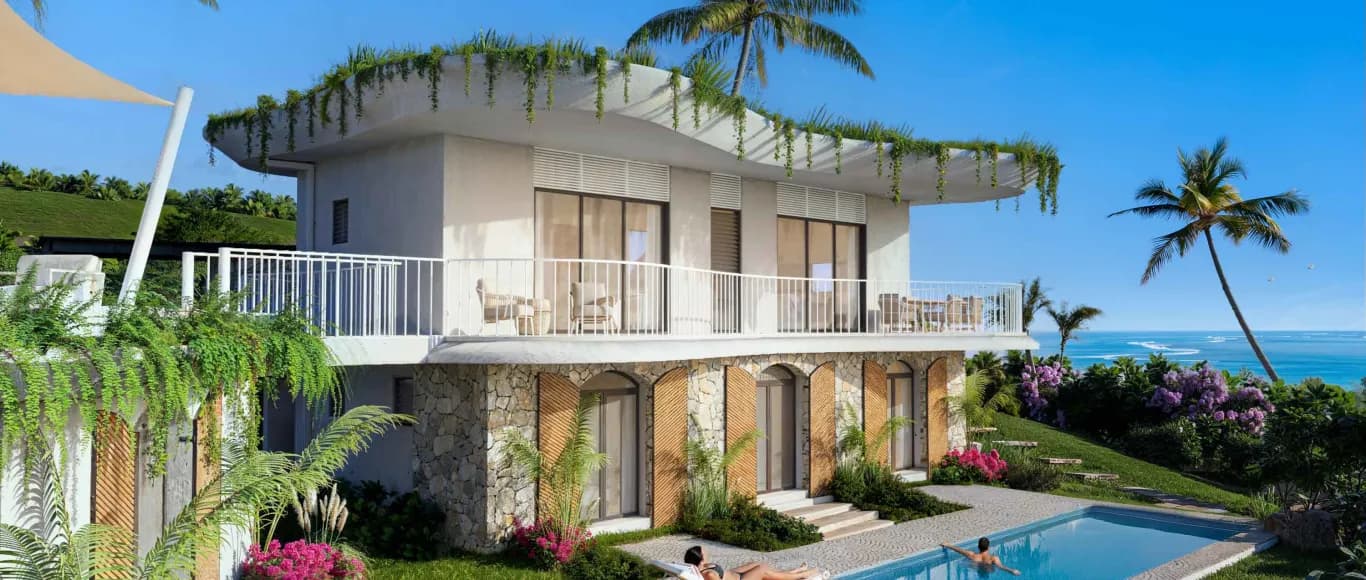
Baie du Cap · South
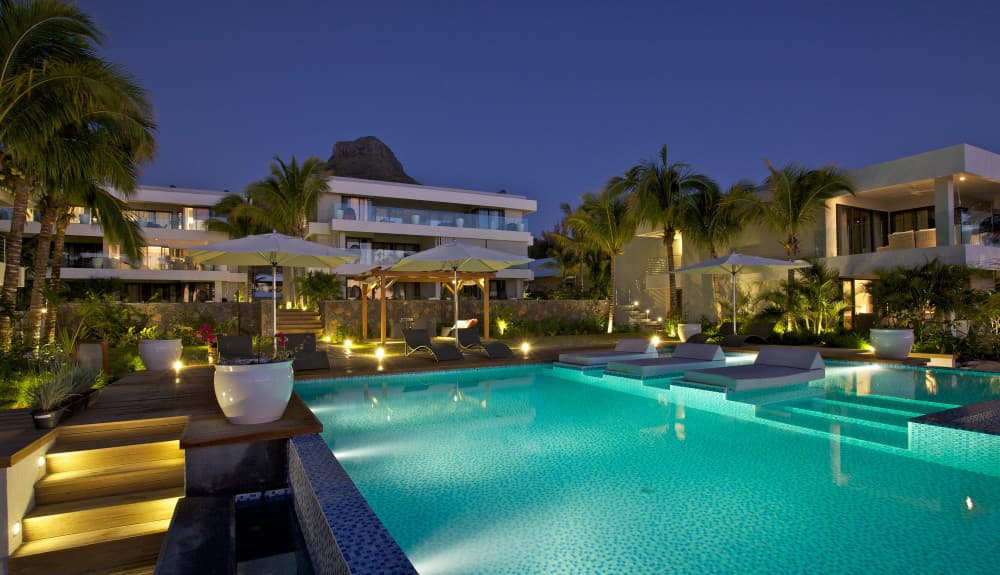
Riviere Noire · West

Tamarin · West
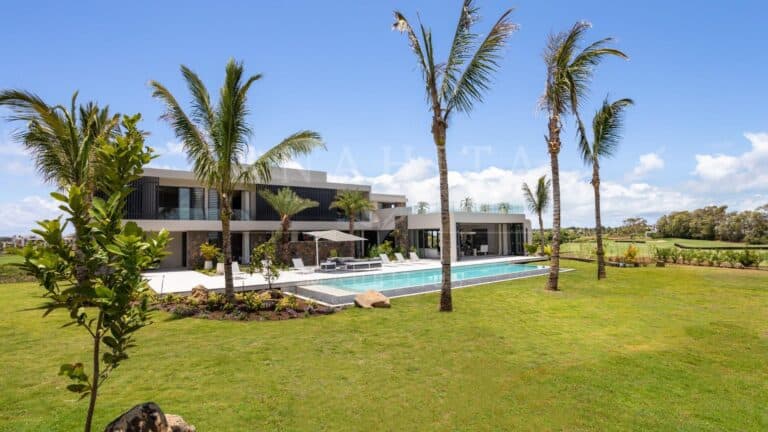
Beau Champ · East

Baie du Cap · South
Explore by region
Explore the site
Market updates, buying guidance and the best new listings, straight to your inbox.
Mauritius Property Guides · 24 Jul 2026
From Grand Baie boutiques to Port Louis commercial hubs, retail property in Mauritius offers strong footfall and growing consumer demand. Here's…
Mauritius Property Guides · 23 Jul 2026
Quatre Bornes is one of Mauritius's most sought-after towns for renters, offering a cool climate, excellent amenities, and strong transport links at…
Mauritius Property Guides · 23 Jul 2026
New property listings in Mauritius move fast. Learn where the freshest homes, villas and apartments appear first, what to expect on price, and how…
Mauritius Property Guides · 23 Jul 2026
A practical guide for owners who want to sell a Mauritius property quickly: pricing, paperwork, presentation and a smooth notary-led completion.
Mauritius Property Guides · 23 Jul 2026
Tamarin is one of Mauritius's most sought-after addresses, blending surf-beach lifestyle with strong investment fundamentals. Here is everything you…
Mauritius Property Guides · 23 Jul 2026
PropertyFinder Mauritius is the island's dedicated property portal, connecting buyers, investors and renters with verified listings across every…
Browse our current listings or speak to an agent.