FOR RENTExpat
Rs450K/mo
Riviere Noire · West
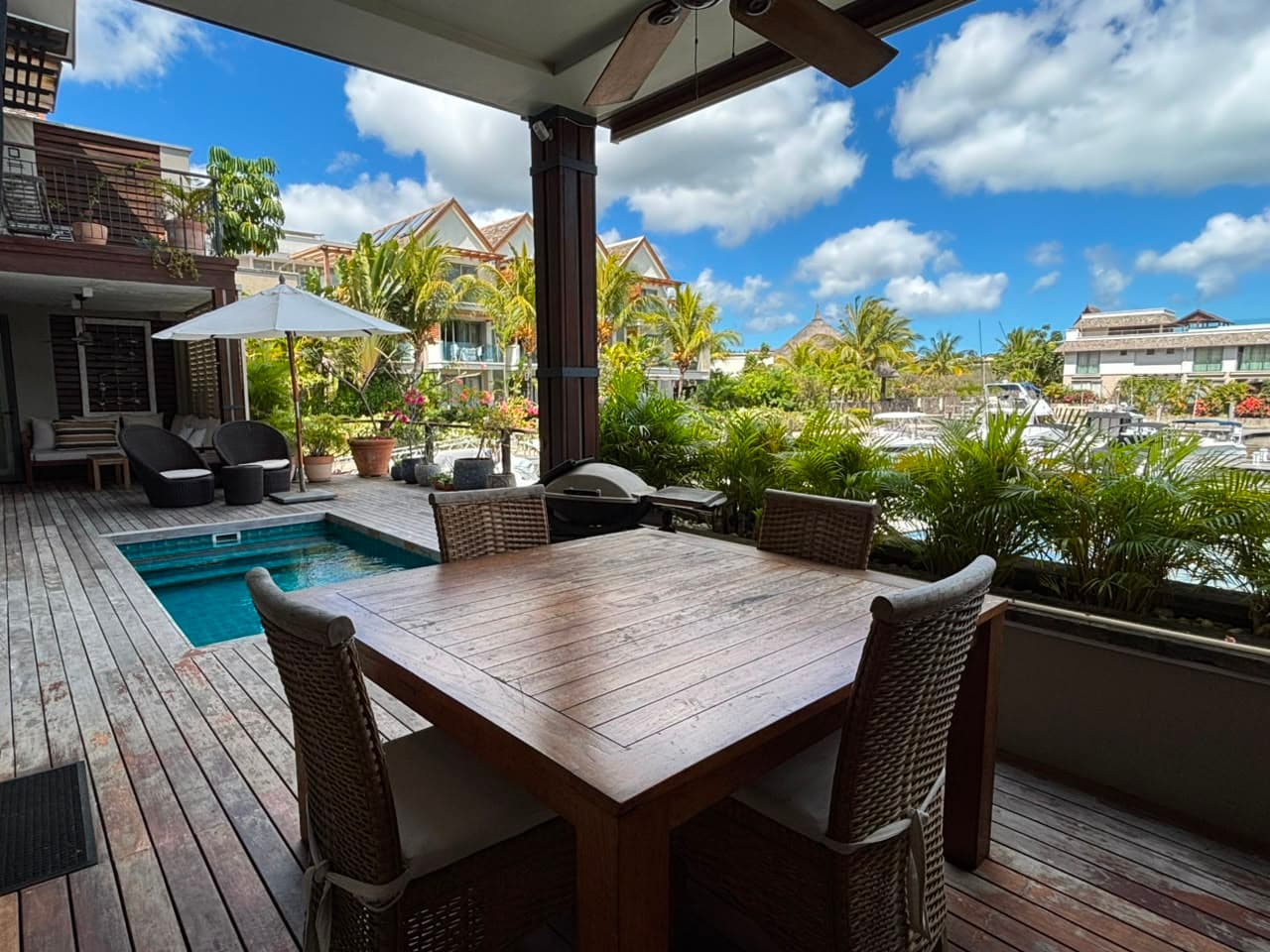
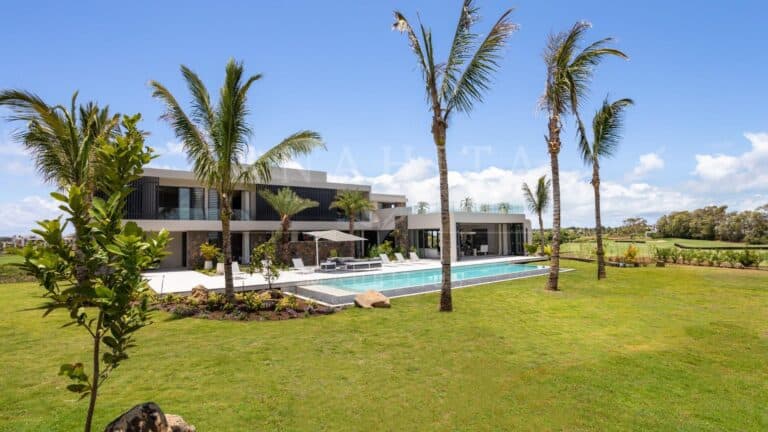
Ultimate Marina Lifestyle – Luxury Waterfront Residence, Private Mooring & Boat
44


A clear guide to the IRS Project in Mauritius, costs, process, eligibility, and what to expect as a foreign buyer. Plain-English facts, no jargon.
An IRS Project, short for Integrated Resort Scheme, is a category of residential development in Mauritius that allows non-citizens to purchase property and, in doing so, qualify for Mauritian residency. Introduced by the government to attract foreign direct investment, the IRS framework sets out specific rules on minimum purchase price, development standards, and the rights granted to buyers. If you are a foreign national considering property ownership in Mauritius, the IRS Project is one of the most established and legally straightforward routes available to you.
The scheme is regulated by the Economic Development Board (EDB) of Mauritius, which approves each project before any sales can be made to foreign buyers. This regulatory oversight gives buyers a meaningful layer of protection that is not always present in open-market transactions.
Any non-citizen of Mauritius, including British, European, South African, and other international nationals, can purchase property within an approved IRS Project. There is no requirement to be a resident before buying, and no restriction based on nationality.
Mauritian citizens and members of the diaspora can also purchase within IRS developments, though the residency benefit applies specifically to foreign nationals.
The minimum purchase price for an IRS property is USD 375,000 (or the equivalent in another currency at the prevailing exchange rate). This threshold was set to position IRS developments at the upper end of the residential market and to ensure the scheme attracts substantive investment.
Beyond the purchase price, buyers should budget for the following costs:
There is no stamp duty separate from registration duty in Mauritius, and there is no capital gains tax, which is a notable advantage for investors planning to resell in the future.
Understanding the process before you begin saves time and reduces the risk of costly missteps. Here is how a typical IRS purchase unfolds.
Your starting point is identifying a development that holds current EDB approval. Not all developments marketed as luxury or resort-style properties qualify as IRS Projects, approval must be confirmed before you proceed. A reputable property platform or licensed estate agent operating in Mauritius can verify this for you.
Once you have identified a unit, the developer will typically ask you to sign a reservation agreement and pay a reservation deposit, usually between 1% and 5% of the purchase price. This takes the unit off the market while due diligence and legal checks are completed.
Your notary will carry out title searches and verify that the land is free of encumbrances. This is also the stage at which you should review the management agreement, the syndic rules (equivalent to a homeowners' association framework), and any rental pool arrangements if the development offers them.
This is the binding pre-sale contract, signed before a notary. It sets out the full terms of the transaction, the completion date, and the consequences of default by either party. At this stage, a further deposit, typically 10–20% of the purchase price, is payable.
The buyer submits an application to the EDB for the residency permit that accompanies the IRS purchase. The EDB reviews the application and, once satisfied, issues the permit. Processing times are generally four to eight weeks, though they can vary.
The final step is the signing of the Deed of Sale before a Mauritian notary. The balance of the purchase price is paid at this point, registration duty is settled, and the notary registers the deed with the Conservator of Mortgages. At that point, you are the legal owner.
A foreign national who purchases an IRS property at or above the USD 375,000 threshold is entitled to apply for a Mauritian residence permit. This permit:
This residency benefit is one of the primary reasons internationally mobile buyers choose the IRS route over other property purchase options.
Mauritius operates several property investment schemes for foreign buyers. Understanding where the IRS sits relative to the others helps you make a well-informed decision.
| Scheme | Minimum Price | Residency Benefit | Key Characteristic | |---|---|---|---| | IRS | USD 375,000 | Yes | Large resort-style developments | | PDS (Property Development Scheme) | USD 375,000 | Yes | Replaced IRS/RES; broader scope | | Smart City Scheme | USD 375,000 | Yes | Mixed-use urban developments | | G+2 Scheme | USD 375,000 | Yes | Apartment buildings of three floors or more |
The IRS label is historically significant and still used by many developers whose projects were approved under the original framework. Newer approvals typically fall under the PDS or Smart City categories, though the buyer experience and legal process are broadly similar.
When using a property search platform to find IRS Projects in Mauritius, look for one that clearly identifies EDB-approved developments, provides verified pricing, and gives you direct access to licensed agents who can confirm current availability. A good platform will display the scheme type (IRS, PDS, Smart City) alongside each listing so you are not left guessing.
Pricing transparency matters. Reputable platforms show asking prices in USD or MUR with clear disclosure of what is and is not included, whether furniture packs, parking, or access to resort facilities are part of the purchase price.
Reviews and track record also count. A platform that has facilitated multiple IRS transactions will have agents familiar with the notarial process, the EDB application, and the common points of negotiation with developers.
The IRS Project framework gives foreign buyers a regulated, well-documented route to owning property in Mauritius and gaining residency rights. The minimum price of USD 375,000, combined with 5% registration duty and notary fees, means the total outlay requires careful financial planning, but the legal process itself is straightforward when you work with a qualified notary and a knowledgeable agent. Taking the time to verify EDB approval, understand the full cost structure, and review the management agreement before signing will put you in a strong position from the outset.
Hand-picked
Riviere Noire · West

Baie du Cap · South
Tamarin · West

Baie du Cap · South
Beau Champ · East

Riviere Noire · West
Explore by region
Explore the site
Market updates, buying guidance and the best new listings, straight to your inbox.
Mauritius Real Estate · 14 Oct 2026
Everything you need to know about house rental in Mauritius: costs, locations, lease rules, and how to find the right property. Updated guide for…
Mauritius Real Estate · 13 Oct 2026
Where to find a business park in Mauritius, what leasing or buying costs, and how foreign companies set up. Covers Ebène, Grand Baie, Pailles and…
Mauritius Real Estate · 12 Oct 2026
A practical guide to business insurance in Mauritius for property owners, landlords, and investors. Covers key cover types, costs, and what to check…
Mauritius Real Estate · 10 Oct 2026
Everything you need to know about getting a skipper license in Mauritius, from exam requirements to costs, plus how it connects to waterfront living.
Mauritius Real Estate · 9 Oct 2026
Find bungalows for rent in Mauritius: coastal, urban, and waterfront options explained, with inspection tips and neighbourhood comparisons.
Mauritius Real Estate · 9 Oct 2026
Explore the business park in Mauritius Riviere Noire, commercial real estate options, waterfront property, and financing routes for foreign buyers.
Browse our current listings or speak to an agent.