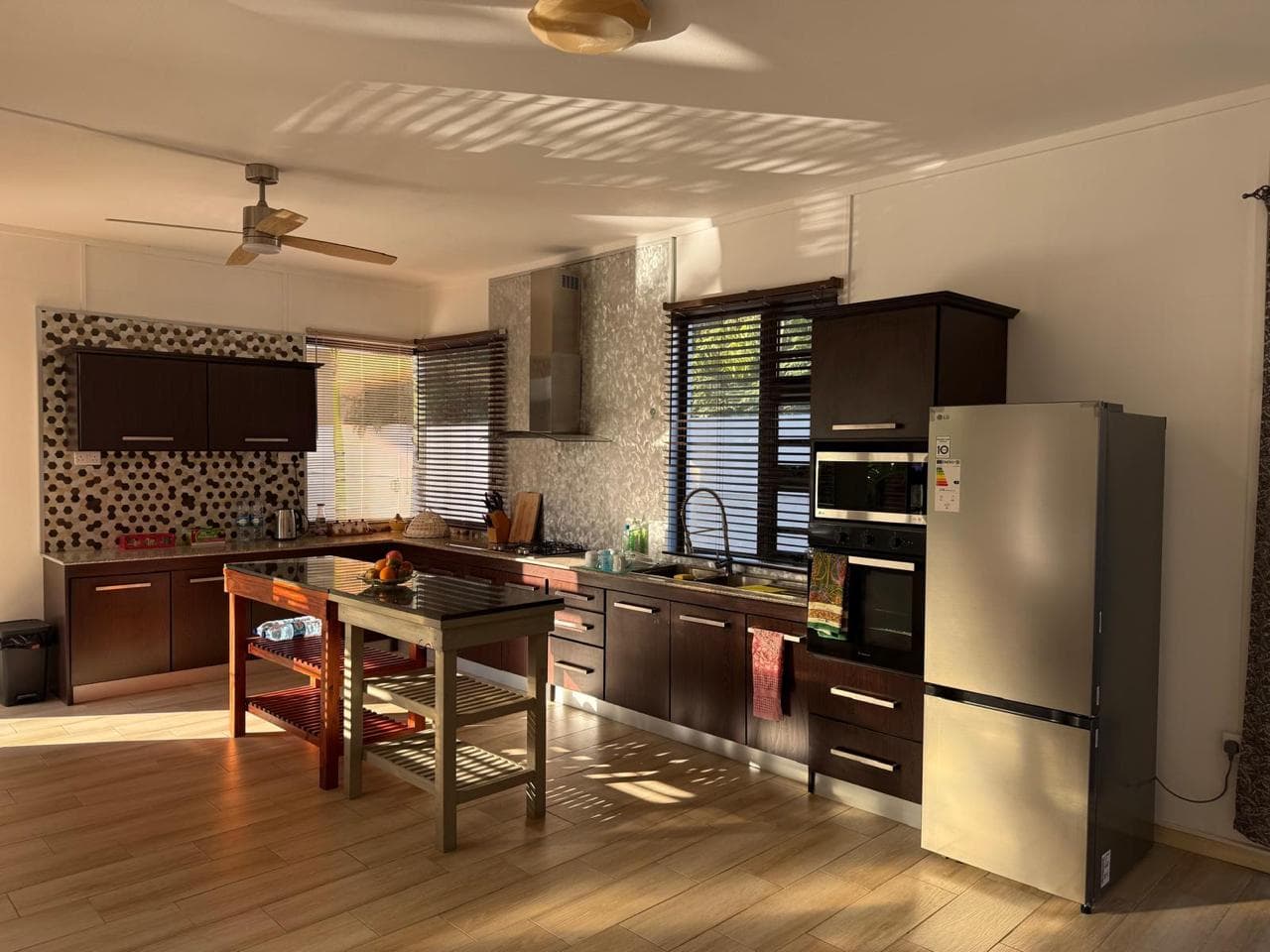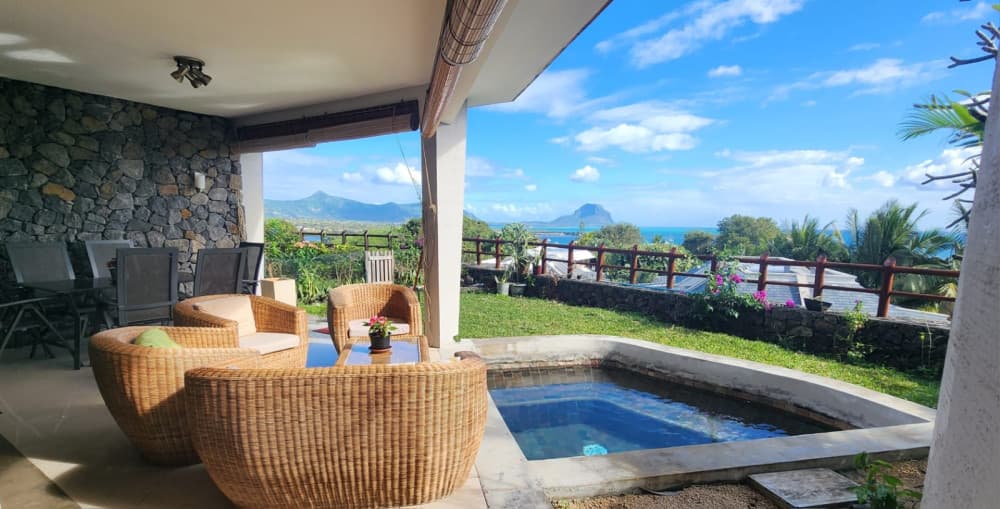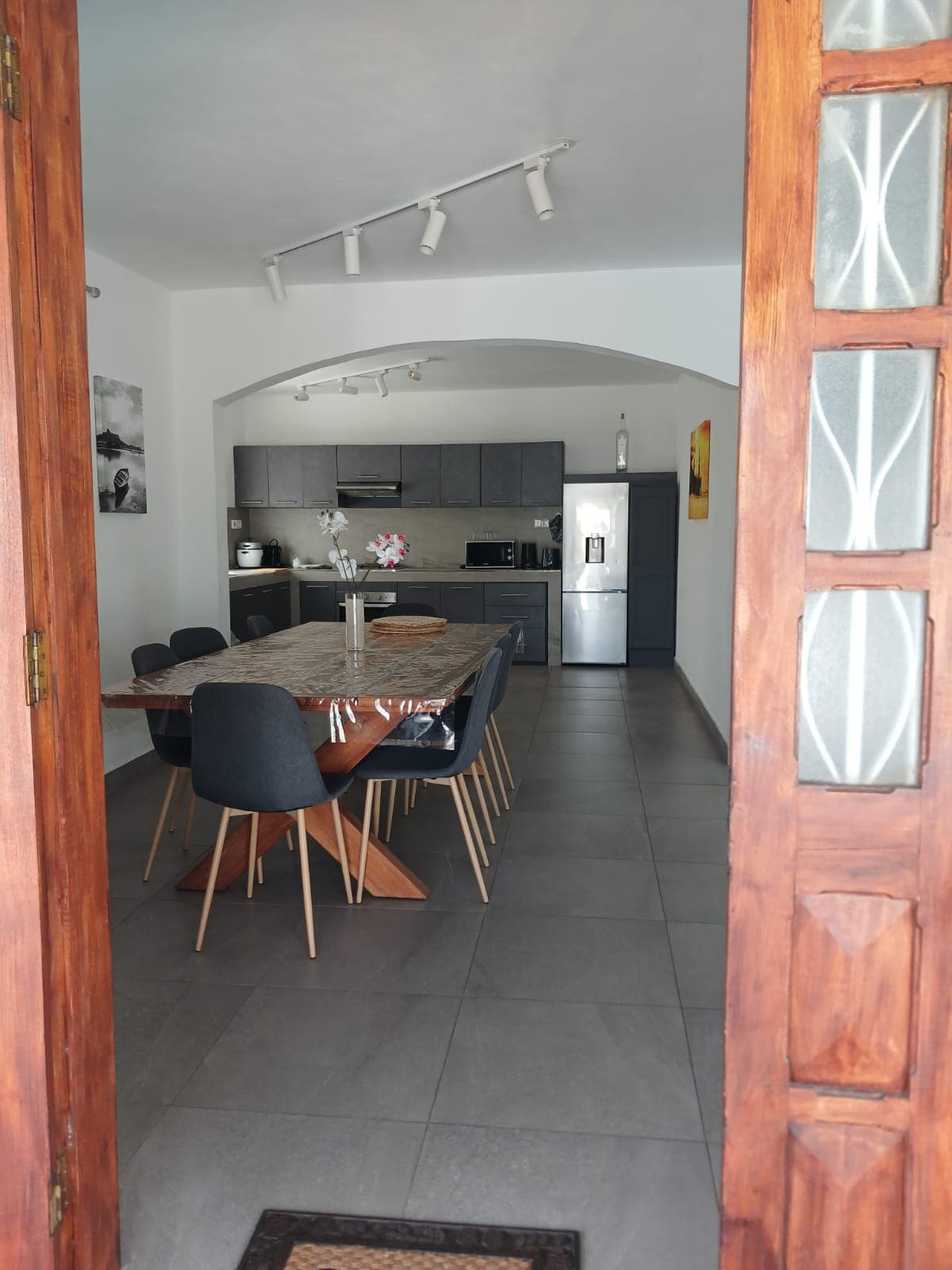
FOR RENTExpat
Rs65K/mo

Step-by-step guide to the legal process of buying property in Mauritius: eligibility, preliminary agreement, notary deed, duties and title registration for
The legal process of buying property in Mauritius follows a structured sequence: verify your eligibility under one of the approved foreign ownership schemes, sign a preliminary sale agreement, obtain government approval where required, and complete the transaction before a Mauritian notary. Each stage is governed by clear rules, and understanding them in advance removes the uncertainty that often slows international buyers down.
Mauritius does not allow foreigners to purchase land or property freely on the open market. Foreign nationals must buy through one of the government-approved frameworks. The main routes are:
Mauritians and foreign nationals who hold permanent residency may purchase more freely, though restrictions on agricultural land still apply to all buyers.
Before any legal commitment, carry out thorough due diligence. Confirm that the specific development or unit falls within a scheme that permits foreign ownership. Key checks at this stage include:
Different areas of the island carry different ownership dynamics. The west coast (Albion, Flic en Flac, Tamarin) and the north (Grand Baie, Pereybere) hold the largest concentration of PDS and Smart City developments open to foreign buyers. Port Louis is primarily a commercial hub; house rentals are common for relocating professionals, but residential sales to foreign nationals are less prevalent there than in coastal districts.
Once a property is chosen, the buyer and seller sign a Preliminary Sale Agreement (in French, Contrat Preliminaire de Vente, also called a Promise to Sell). This is a legally binding document under Mauritian law and sets the framework for the full transaction.
It typically includes:
A notary is not strictly required at this stage, but engaging one is strongly advisable. Mauritian notaries act as neutral officers of the law rather than advocates for either side, so both parties can use the same notary without a conflict of interest.
For new purchases under the PDS or Smart City Scheme, the developer will have already obtained EDB approval for the scheme itself. Individual buyers do not generally need separate EDB approval, but they must submit a formal notification to the EDB.
For resale properties under legacy IRS or RES schemes, the buyer must obtain Prime Minister's Office approval before the Deed of Sale can be executed. This process typically takes four to eight weeks and requires:
Your notary will coordinate this submission on your behalf and track the approval timeline.
Foreign buyers may finance a purchase through a local Mauritian bank or transfer funds from abroad. Mauritius imposes no exchange controls on capital brought in for property investment, making international transfers straightforward.
If using a local mortgage, the bank will conduct its own valuation and legal checks before issuing a mortgage offer. The mortgage must be registered before or simultaneously with the Deed of Sale.
All funds must be transferred in a foreign currency and converted through the Mauritian banking system to satisfy the foreign investment requirement under the relevant scheme. Keep records of these transfers: they are relevant if you later repatriate funds.
The final and most important legal step is the signing of the Deed of Sale (Acte de Vente) before a Mauritian notary. This is the instrument that transfers legal ownership from seller to buyer.
The notary will:
Registration duties and land transfer tax are payable at this stage (see the costs table below). Your notary will provide a precise breakdown before signing.
After signing, the notary submits the deed for registration at the Registrar-General's Department. Once registered, the buyer's name appears on the land register as the legal owner. This registered entry is the Mauritian title deed: it is the definitive proof of ownership.
The notary retains the original deed; the buyer receives a certified copy called an expédition. Keep this document securely: it is required for any future sale, mortgage, or inheritance process.
The entire process from signed preliminary agreement to registered title typically takes three to six months for a straightforward transaction, and slightly longer when Prime Minister's Office approval is required.
| Cost | Typical Rate | |---|---| | Notary fees | 1.0 to 1.5 percent of purchase price | | Registration duty (buyer) | 5 percent (PDS, Smart City, RES, G+2) | | Land transfer tax (seller pays) | 5 percent | | EDB notification fee | Fixed government fee (confirm with EDB) | | Mortgage registration (if applicable) | 0.5 percent of loan amount |
Key points on duties (Finance Act 2026, in force 13 August 2026):
Always confirm current rates with the Mauritius Revenue Authority (MRA) and the Economic Development Board (EDB) before exchanging contracts, as duties can change with each Finance Act.
Once registered as the legal owner, you can occupy, rent, or resell the property subject to the rules of the scheme under which it was purchased. Key ongoing considerations:
Professionals relocating to Mauritius often start with a rental in Port Louis or in coastal suburbs before committing to a purchase. This is a sensible approach: it allows time to understand the different districts, commute patterns, and lifestyle factors before choosing where to buy.
For those browsing listings from abroad, reputable local agencies can provide virtual tours, legal summaries, and developer documentation so that the early stages of due diligence can be completed before travelling to the island.
If you are also considering setting up a business, the EDB's Occupation Permit (Investor category) requires a minimum initial investment of USD 100,000. The Occupation Permit (Professional category) requires a minimum monthly salary of MUR 50,000. Both permits are valid for 10 years and are renewable. These are separate from the residence permit obtained through property ownership, and the right route depends on your specific circumstances.
Hand-picked
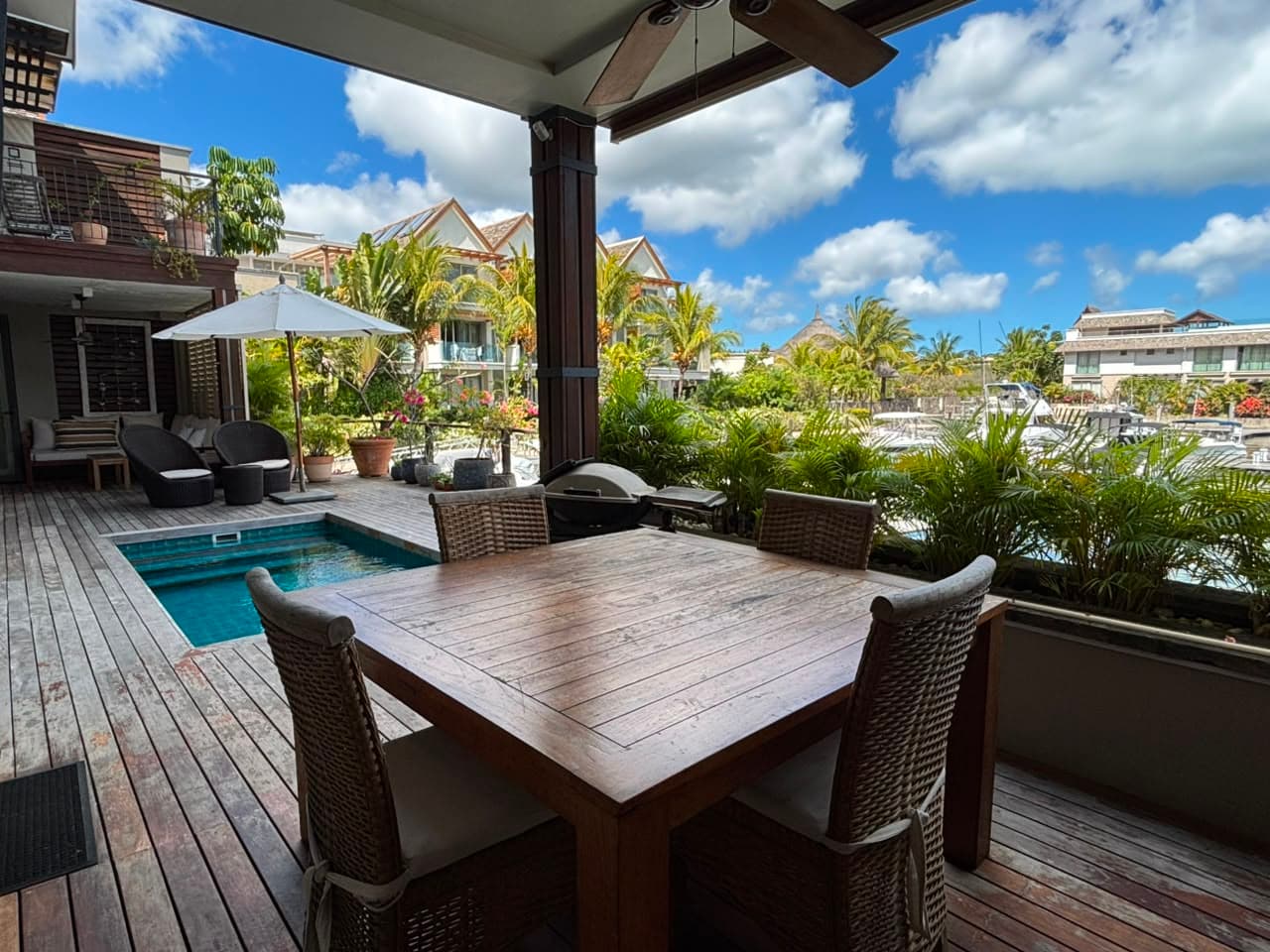
Riviere Noire · West

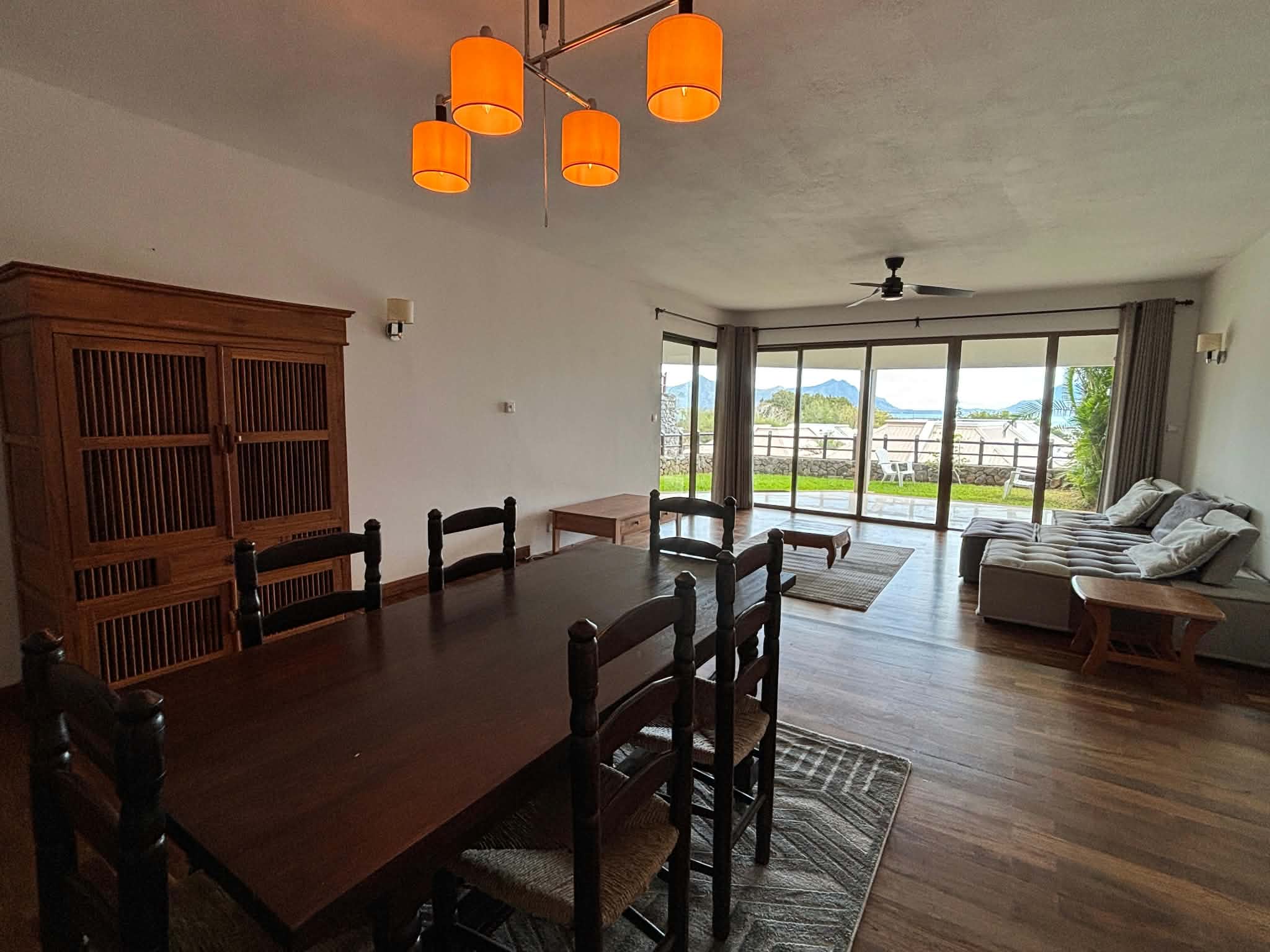
Tamarin · West

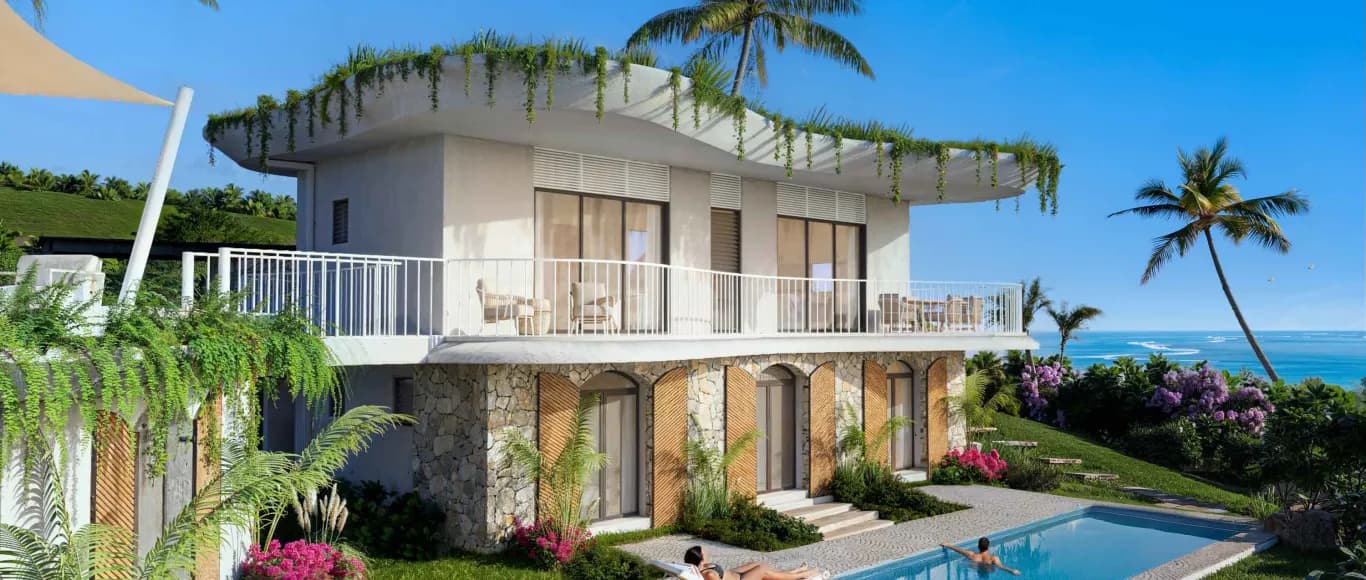
Baie du Cap · South

Tamarin · West
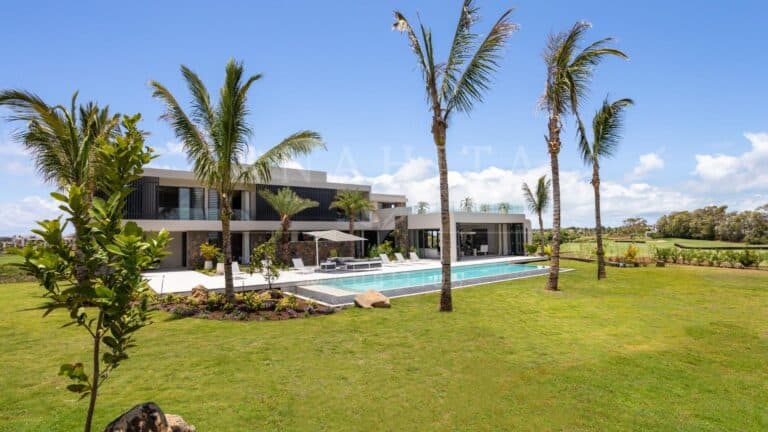
Beau Champ · East

Baie du Cap · South
Explore by region
Explore the site
Market updates, buying guidance and the best new listings, straight to your inbox.
Mauritius Real Estate · 20 Oct 2026
Browse holiday apartments in Mauritius for rent or sale. Discover top areas, what to budget, and how the buying process works for foreign nationals.
Mauritius Real Estate · 20 Oct 2026
Understand Mauritius land size, local measurement units like arpents and toises, and what they mean for buying residential or farm land in Mauritius.
Mauritius Real Estate · 20 Oct 2026
What is the Smart City Scheme in Mauritius, which projects exist, and how do foreign buyers qualify for residency? Clear answers and costs in one…
Mauritius Real Estate · 20 Oct 2026
Explore property in Flacq District, Mauritius: area guide, neighbourhoods, price ranges, apartments for rent, houses for sale, and buying tips for…
Mauritius Real Estate · 19 Oct 2026
Explore real estate in Port Louis, Mauritius. Find houses for sale, apartments to rent, and expert guidance on buying property in the capital.
Mauritius Real Estate · 19 Oct 2026
Discover suburban property in Mauritius: top neighbourhoods, property types, buying rules for foreigners, and how to find the best listings outside…
Browse our current listings or speak to an agent.