FOR RENTExpat
Rs450K/mo
Riviere Noire · West
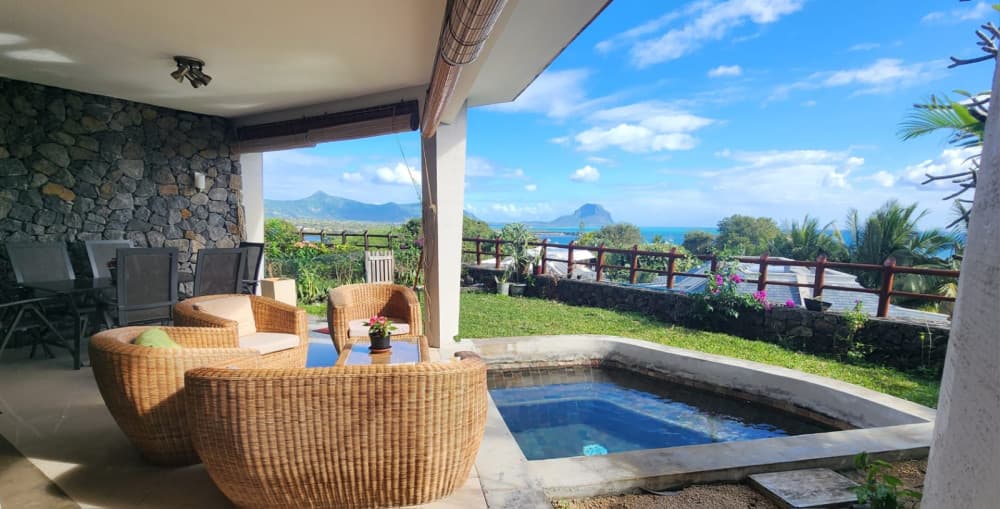
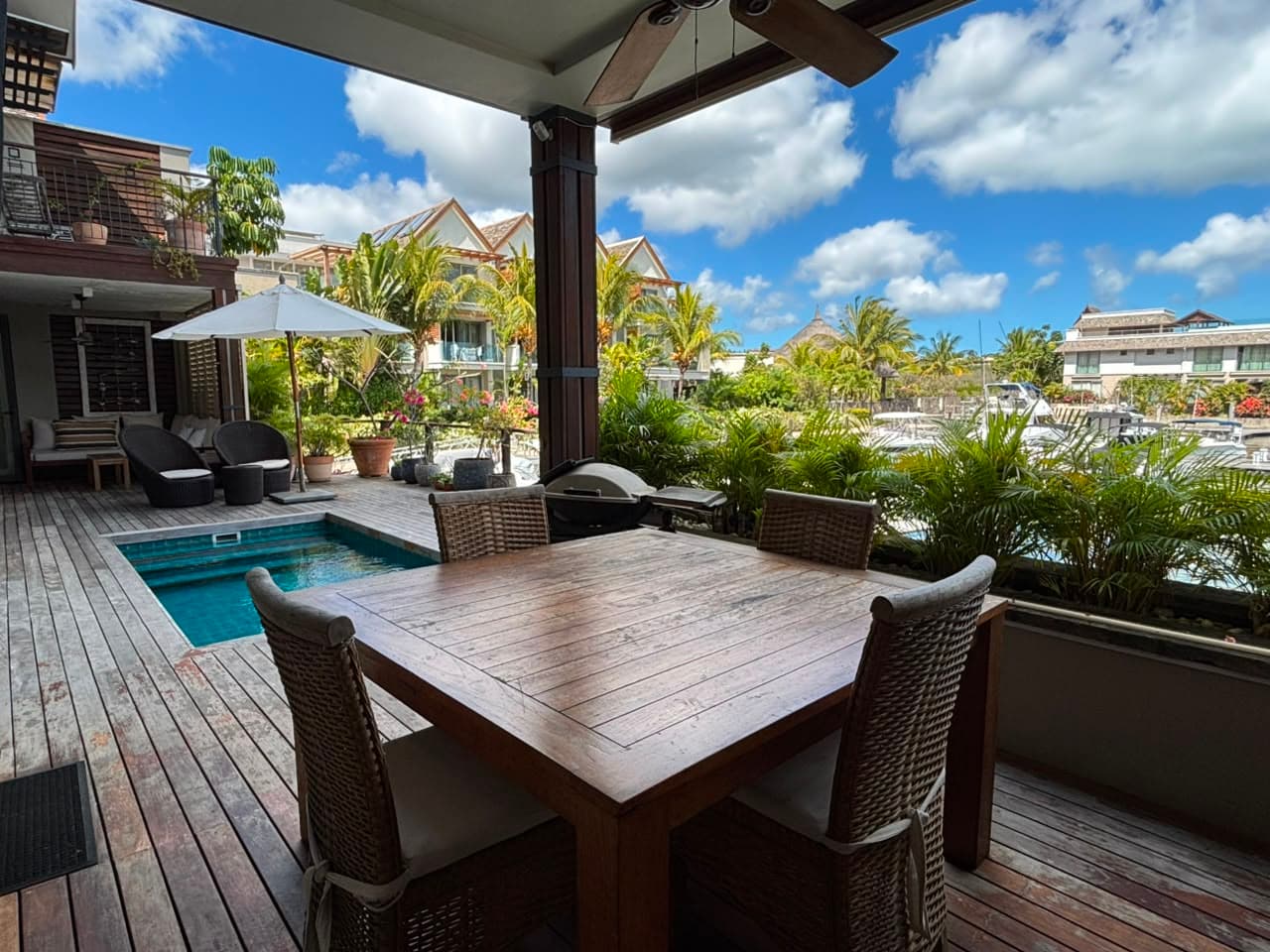
Ultimate Marina Lifestyle – Luxury Waterfront Residence, Private Mooring & Boat
44

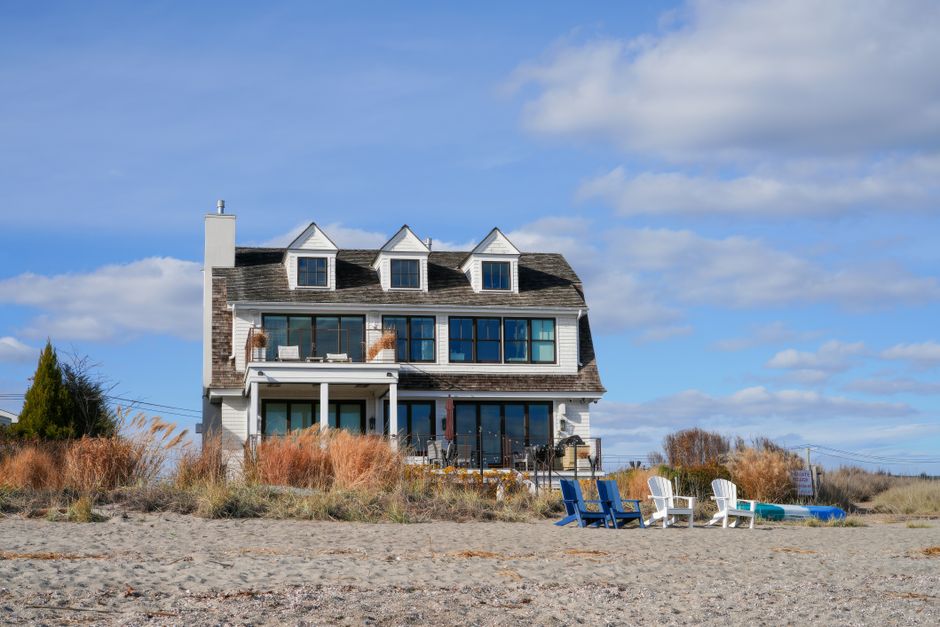
Thinking about living beachfront in Mauritius? This guide covers locations, costs, legal steps, and how to find the right property with confidence.
Living beachfront in Mauritius means waking up within direct reach of the Indian Ocean, not a short drive away, not a view across a road, but a property where the garden, terrace, or boundary meets the sand or the lagoon edge. For foreign buyers and relocating professionals, this is one of the most sought-after property types on the island, and it comes with a specific set of legal, financial, and practical considerations worth understanding before you start viewing.
Mauritius has roughly 330 kilometres of coastline, but genuinely beachfront residential property is finite. The combination of strict coastal development controls, high demand from international buyers, and a limited supply of freehold plots makes beachfront living a premium category in every sense, price, process, and due diligence required.
The stretch from Grand Baie through Pereybere and Cap Malheureux is the most established area for beachfront residential property. The lagoon is calm, the infrastructure is mature, and there is a well-developed expatriate community. Property here tends to be densely situated, meaning true beachfront plots are rare and prices reflect that scarcity.
Tamarin, Black River, and Flic en Flac offer a different character, more open, with longer beach stretches and a growing reputation among buyers who want space and a slightly quieter pace. The west coast catches the afternoon sun and is popular with families and remote workers. Development here is more varied, ranging from standalone villas to IRS and PDS resort-style schemes that qualify foreign buyers for residency.
Belle Mare and Palmar are known for their wide, white beaches and shallower lagoons. The east coast is less commercialised than the north, which appeals to buyers seeking privacy. Travel times to Port Louis are longer, so this coast suits those who are not commuting daily.
Bel Ombre and Le Morne offer dramatic scenery and a more secluded lifestyle. Beachfront property here is limited and tends to be held within large resort developments. It is worth noting that the south-west experiences stronger winds between June and September, which affects how outdoor spaces are used.
Foreign nationals cannot purchase any property in Mauritius without government approval, but the routes available are well-defined. Beachfront properties most commonly fall under one of the following schemes:
IRS (Integrated Resort Scheme), Large-scale resort developments where villas and apartments are sold to foreign buyers at a minimum price threshold. Ownership includes a residency permit for the buyer and their immediate family.
PDS (Property Development Scheme), The successor to IRS and RES, combining both under a single framework. PDS properties must meet specific criteria around community benefit and design standards.
Smart City Scheme, Mixed-use developments that include residential units available to foreign buyers, typically in areas with planned commercial and leisure infrastructure.
Outside these schemes, foreign buyers can purchase apartments in buildings of at least two floors above ground level, provided the unit price meets the regulatory minimum. Standalone beachfront villas on freehold land outside a scheme are generally not available to foreign nationals unless they fall within one of the approved frameworks.
The purchase process involves a Preliminary Sale Agreement (often called a contrat préliminaire), a due diligence period, government approval where required, and then the notarised Deed of Sale registered with the Registrar-General. A Mauritian notary handles the legal transfer, and both buyer and seller typically share notarial fees.
Pricing varies considerably depending on location, scheme type, finishes, and direct beach access. As a general orientation:
Buyers should budget for additional costs including registration duties (currently 5% for properties above the exemption threshold), notarial fees, and any property management or scheme fees applicable to resort developments.
Beachfront listings in Mauritius are spread across developer websites, local agency portals, and international property platforms. The challenge is that many listings use the word "beachfront" loosely, some properties described this way are actually beach-access or beach-view, with a road or public path between the property and the sand.
A reliable property search service for Mauritius will filter listings by verified proximity to the coast, scheme type, and foreign buyer eligibility. When evaluating any platform or agency, look for:
Property Finder Mauritius provides structured search tools designed specifically for the Mauritian market, with listings categorised by buyer eligibility, location, and property type. The platform is built to help internationally mobile buyers navigate a market where local knowledge matters significantly.
Coastal erosion and climate, Some beachfront plots in Mauritius are subject to coastal erosion management regulations. Before signing any agreement, confirm the property's position relative to the public domain maritime (the strip of land the state reserves along the coastline) and check whether any restrictions apply to construction or landscaping near the water's edge.
Cyclone resilience, Mauritius sits in a cyclone-prone zone. Well-built beachfront properties are constructed to withstand cyclone-force winds, but it is worth verifying the build standard, the age of the structure, and whether the property has a documented maintenance history.
Management and maintenance, Beachfront properties, particularly those in resort schemes, typically come with mandatory management arrangements. Understand what the annual fees cover, who manages the common areas and beach access, and what your obligations are as an owner if the property is rented out.
Residency and tax, Owning a qualifying property in Mauritius can support an application for a residence permit. Mauritius also has a territorial tax system, meaning income earned outside Mauritius is generally not taxed locally. These factors make beachfront ownership attractive to internationally mobile professionals, but you should take independent legal and tax advice specific to your own situation.
Living beachfront in Mauritius is achievable for foreign buyers, but it requires working with advisers who understand the local legal framework, the specific scheme rules, and the genuine coastal geography. Start with a clear brief, which coast, what budget, owner-occupied or rental investment, and what residency outcome you are looking for, and use that to filter your search before you book any viewings.
A structured, well-informed approach saves time and reduces the risk of being shown properties that look right on paper but do not meet your actual criteria once you are standing on site.
Hand-picked
Riviere Noire · West
Baie du Cap · South
Tamarin · West

Baie du Cap · South

Beau Champ · East

Riviere Noire · West
Explore by region
Explore the site
Market updates, buying guidance and the best new listings, straight to your inbox.
Mauritius Real Estate · 15 Oct 2026
Seen our properties on PropertyCloud? How the listings match, what you get searching with us directly, and the essentials of buying in Mauritius.
Mauritius Real Estate · 14 Oct 2026
Everything you need to know about house rental in Mauritius: costs, locations, lease rules, and how to find the right property. Updated guide for…
Mauritius Real Estate · 13 Oct 2026
Where to find a business park in Mauritius, what leasing or buying costs, and how foreign companies set up. Covers Ebène, Grand Baie, Pailles and…
Mauritius Real Estate · 12 Oct 2026
A practical guide to business insurance in Mauritius for property owners, landlords, and investors. Covers key cover types, costs, and what to check…
Mauritius Real Estate · 10 Oct 2026
Everything you need to know about getting a skipper license in Mauritius, from exam requirements to costs, plus how it connects to waterfront living.
Mauritius Real Estate · 9 Oct 2026
Find bungalows for rent in Mauritius: coastal, urban, and waterfront options explained, with inspection tips and neighbourhood comparisons.
Browse our current listings or speak to an agent.