FOR RENTExpat
Rs450K/mo
Riviere Noire · West
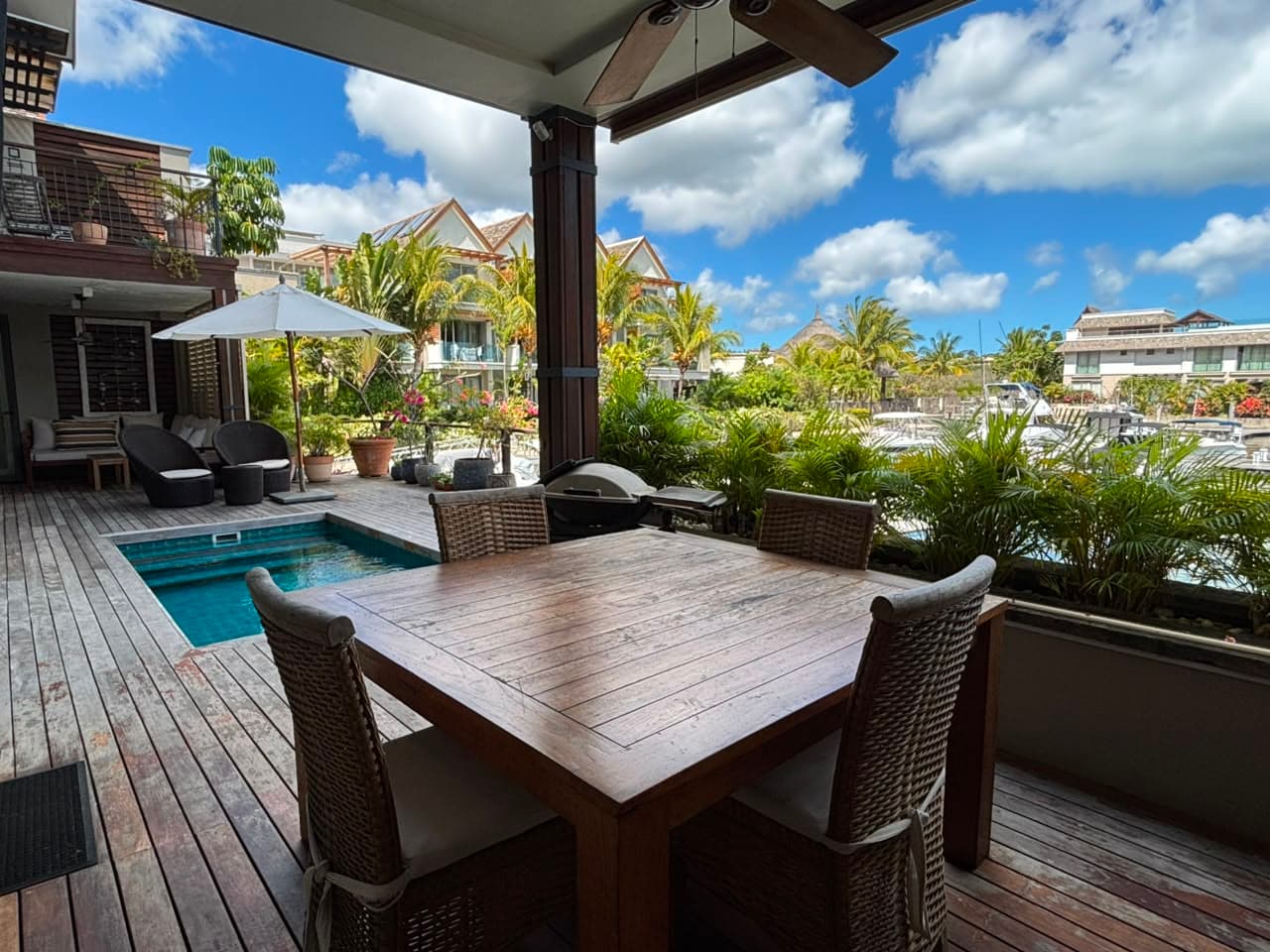
Ultimate Marina Lifestyle – Luxury Waterfront Residence, Private Mooring & Boat
44


From beachfront villas on the northern coast to panoramic hillside retreats and well-connected central residences, Mauritius offers a surprisingly diverse range of lifestyle choices for buyers and relocating expats. Understanding the real differences between seafront, seaview inland, an…
Choosing where to live in Mauritius is one of the most exciting — and consequential — decisions you will make as a buyer or relocating expat. The island may be compact, but it offers genuinely distinct lifestyle experiences depending on where you put down roots. Should you wake up to the sound of waves on your doorstep, enjoy panoramic ocean views from a hillside retreat, or embrace the energy of a well-connected central location? Each option comes with its own character, price point, and long-term investment logic. Here is an honest breakdown to help you decide.
There is a reason beachfront property in Mauritius commands a significant premium. Waking up to turquoise lagoons framed by casuarina trees, stepping onto your terrace to a sea breeze before breakfast — this is the lifestyle that draws buyers from London, Paris, and Geneva in the first place.
The most coveted seafront addresses cluster along the northern coast around Grand Baie, Pereybere, and Cap Malheureux, the west coast from Tamarin to La Balise Marina, and the quieter east coast stretching through Belle Mare and Trou d'Eau Douce. Each has its own personality: Grand Baie is cosmopolitan and social, Tamarin attracts surfers and a creative crowd, while Belle Mare offers pure seclusion and some of the island's finest beaches.
What you should know: Seafront real estate in Mauritius is increasingly scarce. Coastal development regulations mean that genuinely front-line properties — where the garden meets the sand — are a finite asset. For investors, this scarcity underpins strong capital appreciation and excellent rental yields, particularly through the luxury short-let market catering to high-net-worth tourists.
The trade-off? Humidity can be higher on the coast, cyclone exposure is a practical consideration (though well-built properties are engineered for this), and the most prestigious seafront villas sit at price points starting from €1 million and rising well beyond.
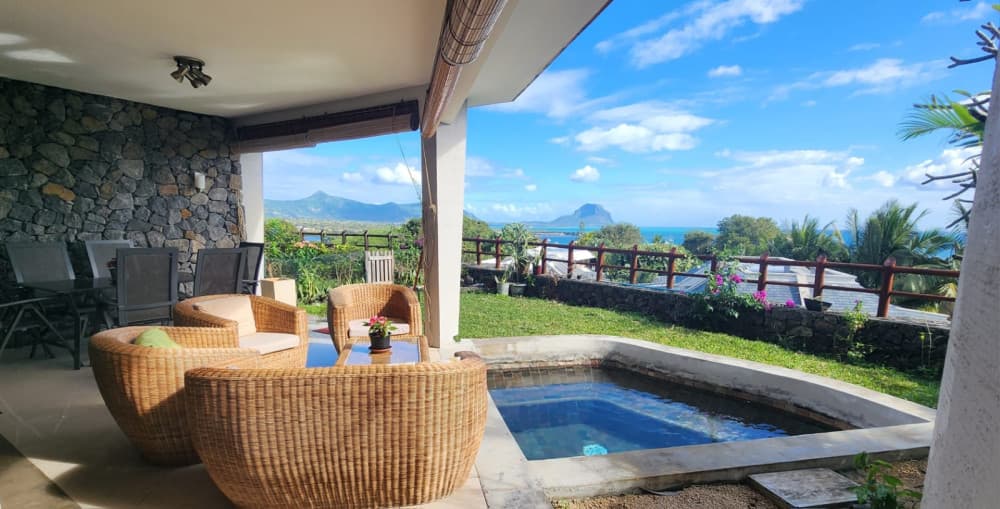
Some of Mauritius's most spectacular properties never touch the beach at all. Hillside and elevated inland properties — particularly in areas such as Tamarin Hills, Moka, Beau Plan, and the highlands above Rivière Noire — offer sweeping ocean panoramas that rival anything on the coast, often at considerably more accessible price points.
This is where the Mauritius property investment sweet spot increasingly sits for discerning buyers. A well-positioned villa or penthouse apartment in Tamarin Hills, for example, might offer uninterrupted views across the Black River lagoon while sitting 10 minutes from the beach, a supermarket, and an international school — and at 20–40% less than a comparable coastal property.
The climate inland is also worth noting. Elevated positions benefit from natural cooling breezes, lower humidity, and often a slightly greener, lusher environment. For families making a permanent relocation under Mauritius's Premium Visa or Property Development Scheme (PDS), the combination of space, views, and practical amenity access makes inland hillside living deeply compelling.
Mentioning central Mauritius to a lifestyle-focused buyer sometimes raises an eyebrow. Yet areas such as Moka, Ebène, and Floréal have undergone a quiet transformation over the past decade, and the case for central living has never been stronger.
Moka in particular has emerged as Mauritius's answer to a European new town done well. With Vivéa Business Park, the University of Mauritius, high-quality private schools, and the Bagatelle Mall all within easy reach, it attracts professional expats, diplomats, and families who want substance alongside style. Properties here — from contemporary townhouses to gated residences — are priced accessibly compared to coastal equivalents, and rental demand from the corporate sector is consistently strong.
The central plateau also provides the best connectivity. You are 20 minutes from the airport, equidistant from east and west coast beaches, and removed from the tourist seasonal rhythms that can make coastal towns feel quite different in July versus January.
The honest consideration: Central Mauritius does not offer the jaw-dropping scenery of a beachfront sunrise. If the emotional pull of ocean proximity is central to your vision of life here, this location requires compromise. But for buyers prioritising long-term liveability, yield, and practicality, it deserves serious attention.
The answer depends on three things: your lifestyle priorities, your investment horizon, and your budget. Seafront properties offer prestige, scarcity value, and the quintessential island experience — at a price. Seaview inland properties offer a compelling balance of views, space, and value. Central locations prioritise connectivity and yield for the pragmatic buyer.
Many experienced Mauritius investors actually hold across more than one category, recognising that each serves a different purpose within a broader property strategy.
Ready to explore your options? At PropertyFinder Mauritius, our team specialises in matching buyers and investors with properties that genuinely fit their lifestyle and financial goals — whether that is a seafront villa in Grand Baie, a hillside retreat above Tamarin, or a smart central residence in Moka. Browse our curated listings or speak directly with one of our advisors to start your Mauritius property journey today.
Hand-picked
Riviere Noire · West

Baie du Cap · South
Tamarin · West

Baie du Cap · South
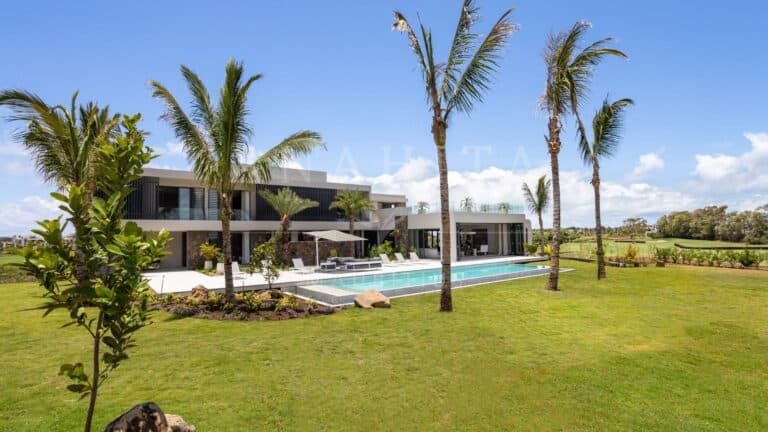
Beau Champ · East
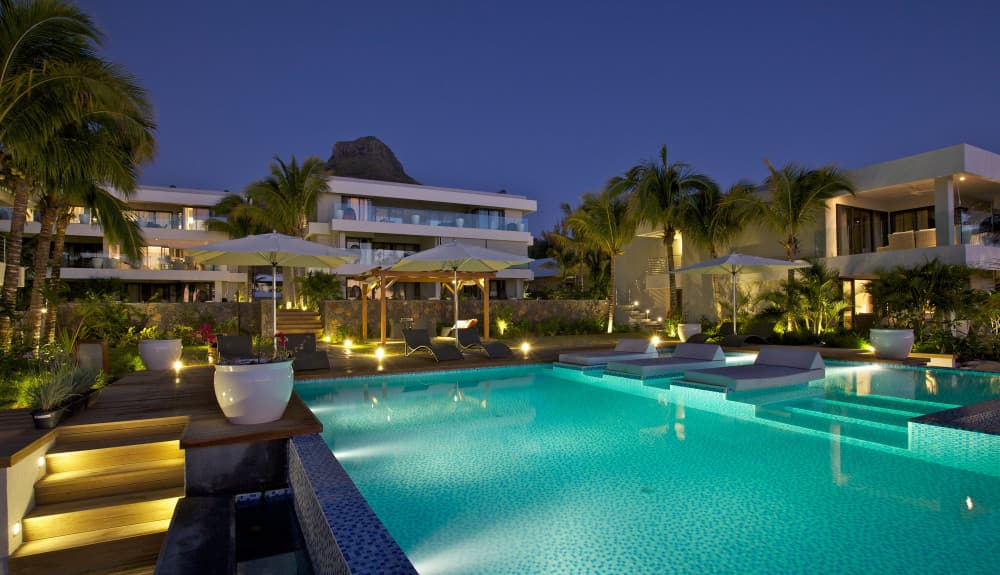
Riviere Noire · West
Explore by region
Explore the site
Market updates, buying guidance and the best new listings, straight to your inbox.
Mauritius Real Estate · 14 Oct 2026
Everything you need to know about house rental in Mauritius: costs, locations, lease rules, and how to find the right property. Updated guide for…
Mauritius Real Estate · 13 Oct 2026
Where to find a business park in Mauritius, what leasing or buying costs, and how foreign companies set up. Covers Ebène, Grand Baie, Pailles and…
Mauritius Real Estate · 12 Oct 2026
A practical guide to business insurance in Mauritius for property owners, landlords, and investors. Covers key cover types, costs, and what to check…
Mauritius Real Estate · 10 Oct 2026
Everything you need to know about getting a skipper license in Mauritius, from exam requirements to costs, plus how it connects to waterfront living.
Mauritius Real Estate · 9 Oct 2026
Find bungalows for rent in Mauritius: coastal, urban, and waterfront options explained, with inspection tips and neighbourhood comparisons.
Mauritius Real Estate · 9 Oct 2026
Explore the business park in Mauritius Riviere Noire, commercial real estate options, waterfront property, and financing routes for foreign buyers.
Browse our current listings or speak to an agent.