FOR RENTExpat
Rs450K/mo
Riviere Noire · West
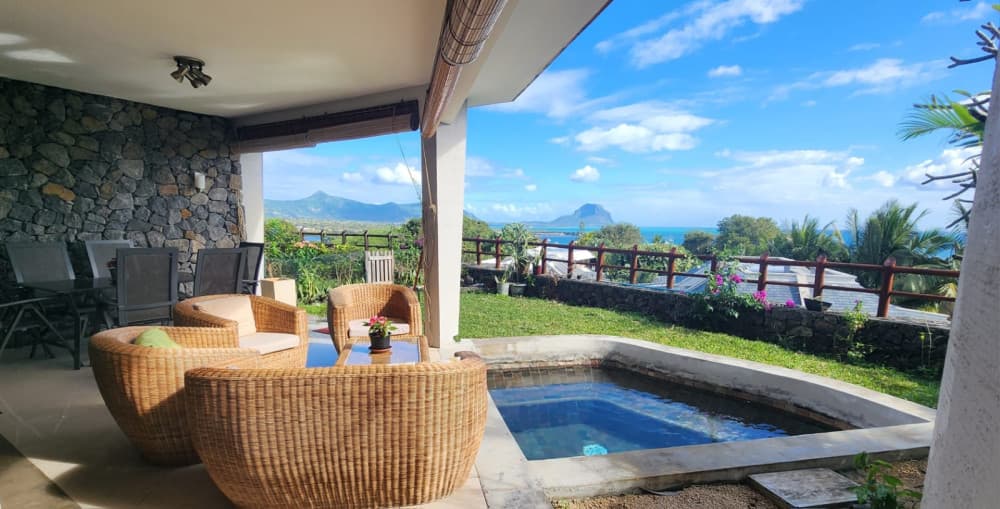
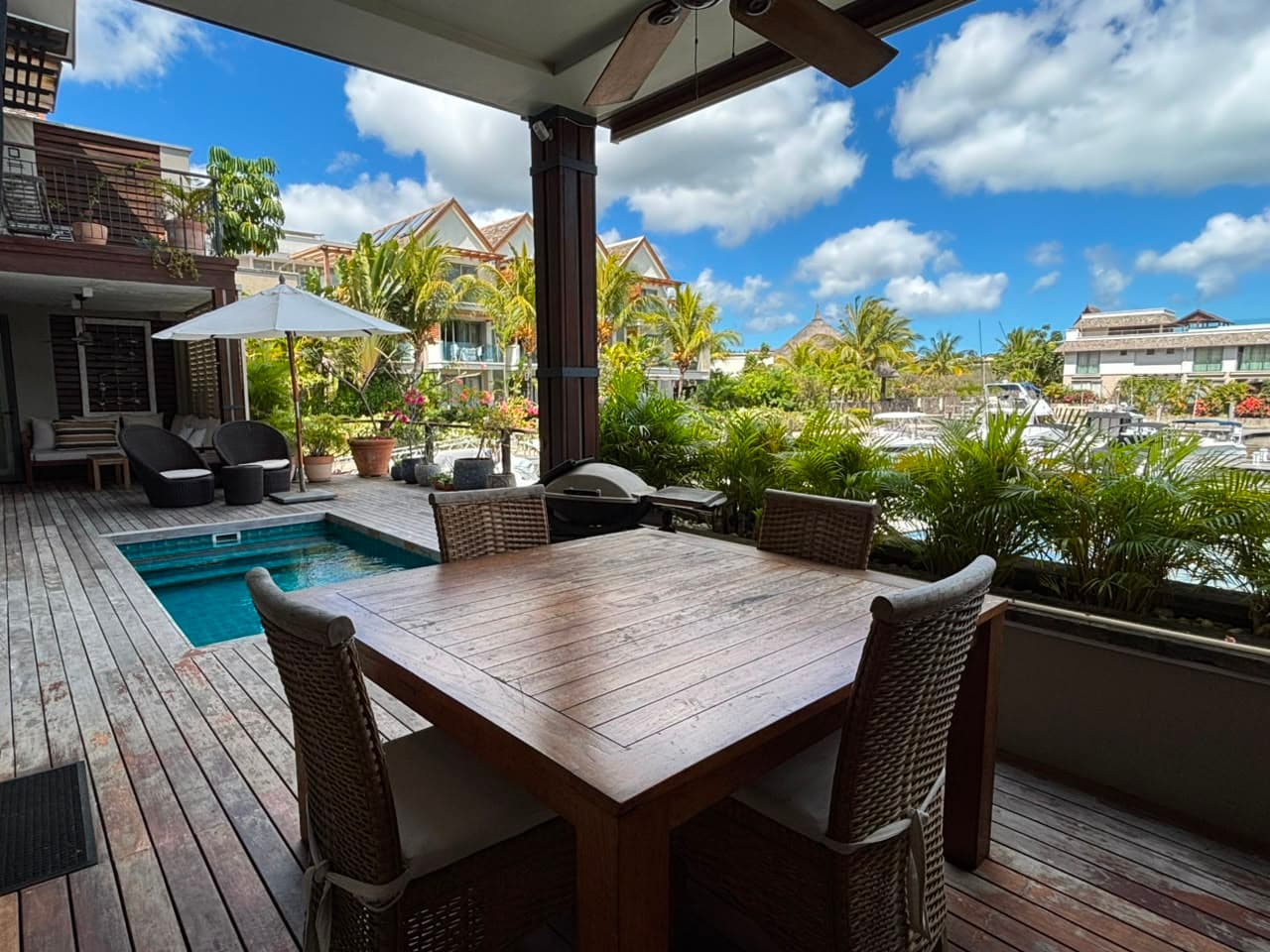
Ultimate Marina Lifestyle – Luxury Waterfront Residence, Private Mooring & Boat
44


Explore luxury coastal property in Mauritius, how to find listings, understand costs, navigate the buying process, and what to expect as a foreign buyer.
Luxury coastal property in Mauritius refers to high-value residential real estate situated along the island's coastline, typically villas, apartments, and penthouses with direct beach access, ocean views, or marina frontage. These properties are concentrated in areas such as Grand Baie, Tamarin, Bel Ombre, Trou d'Eau Douce, and the Black River coast. They are developed and sold under specific legal frameworks that allow foreign nationals to purchase freehold real estate, making Mauritius one of the few African or Indian Ocean destinations where international buyers hold full ownership rights.
For internationally mobile buyers, the appeal is straightforward: a stable legal system, a well-regulated property market, access to a Mauritius residence permit upon qualifying purchase, and a coastline that offers a genuinely high standard of living year-round.
The Mauritian coast is not uniform. Each stretch has a distinct character, price range, and buyer profile.
Grand Baie and the North attracts buyers who want proximity to restaurants, marinas, and social infrastructure. Apartment complexes and gated villa estates here tend to be well-managed and popular with European buyers who visit frequently.
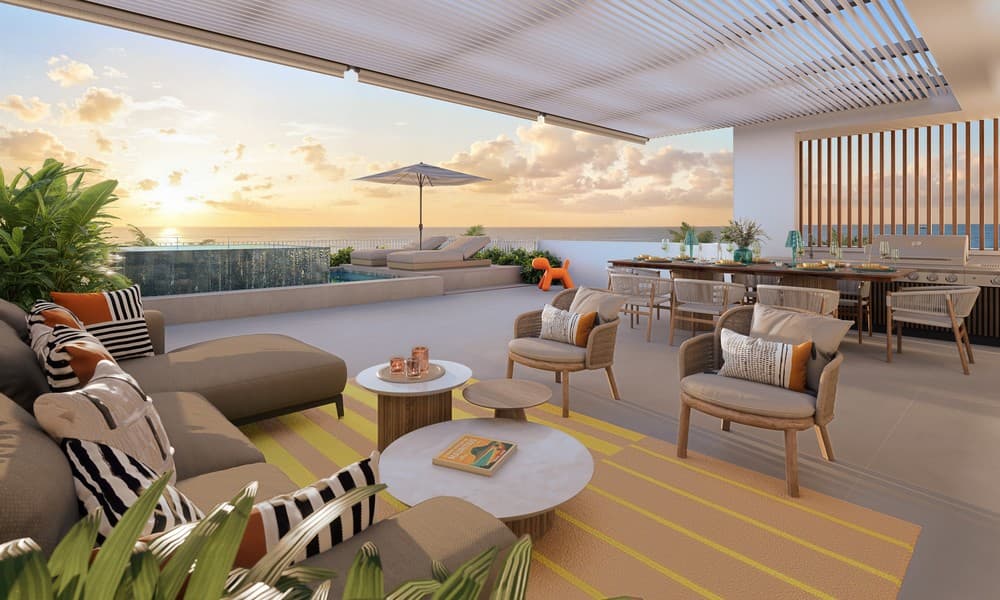
Tamarin and the West appeals to those seeking a quieter, more residential feel. It has grown significantly over the past decade, with a range of new developments offering contemporary architecture and sea views.
Bel Ombre and the South is associated with larger estate developments, often integrated with golf courses and beach clubs. Properties here tend to be larger and more private.
Trou d'Eau Douce and the East offers a more sheltered lagoon environment. It is particularly popular with buyers from South Africa and Réunion.
Prices across these coastal zones vary considerably. Entry-level luxury coastal apartments, typically one or two bedrooms in a managed development, start around USD 300,000 to USD 400,000. Standalone beachfront villas with private pools can reach USD 3 million or more. The mid-range, covering two- to four-bedroom villas or large apartments in established developments, generally falls between USD 600,000 and USD 1.5 million.
Foreign buyers in Mauritius purchase coastal property through one of several regulated schemes. The most commonly used are the Property Development Scheme (PDS) and the Smart City Scheme (SCS). Both allow non-citizens to buy freehold property and qualify for a residence permit when the purchase price meets the applicable threshold, currently set at USD 375,000 or its equivalent in another currency.
The buying process follows a clear sequence:
The full process from reservation to title transfer typically takes three to six months for a completed property, and longer for off-plan purchases depending on the construction timeline.
Buyers should account for costs beyond the listed purchase price. The standard cost structure for luxury coastal property in Mauritius includes:
For off-plan purchases, buyers should also budget for a snagging process and potential delays, both of which are standard in new-build transactions anywhere in the world.
A reliable property listing platform for Mauritius should do several things well. It should present verified listings with accurate pricing, clearly indicate whether a property is available under a foreign-buyer-eligible scheme, and provide enough detail, floor plans, location context, development specifications, for a buyer to make an informed shortlist before engaging an agent.
Property Finder Mauritius is a dedicated listing platform for the Mauritian market. It aggregates properties from registered agents and developers, covering both coastal and inland residential real estate. The platform is structured around the needs of foreign buyers: listings indicate the applicable purchase scheme, price in USD or EUR where relevant, and key details such as residency eligibility.
Using a platform of this kind reduces the time spent cross-referencing developer websites and agent portfolios. It also provides a consistent basis for comparing properties, same data fields, same price presentation, which matters when evaluating options across different coastal areas.
For buyers unfamiliar with Mauritius, the most valuable resource is a structured guide that explains not just what is available, but how the process works, what each cost item means, and what questions to ask at each stage.
A good buying guide for luxury coastal property in Mauritius should cover:
Property Finder Mauritius provides both a property search function and supporting editorial content covering these topics. The platform is free to use for buyers. Agent and developer listings are the commercial side of the service, costs to list are borne by the property side, not the buyer.
Buying luxury coastal property in Mauritius is a well-trodden path for international buyers, but it rewards careful preparation. A few points that experienced buyers consistently raise:
Verify scheme eligibility before falling in love with a property. Not every coastal development is approved under a foreign-buyer scheme. Some properties are available only to Mauritian citizens or permanent residents. Confirm this at the first enquiry stage.
Understand the management structure. Resort-style developments come with management companies that handle maintenance, rentals, and communal services. Review the management agreement and the track record of the operator before committing.
Factor in currency. Most luxury coastal properties are priced in USD or EUR. If you are buying with funds in GBP, ZAR, or another currency, exchange rate movement between reservation and completion can affect your effective cost meaningfully.
Visit before you sign. Photographs and virtual tours are useful for shortlisting, but a physical visit to the property, the development, and the surrounding area is essential before signing any binding agreement.
Use a local notary and, separately, an independent legal adviser. The notary in a Mauritian property transaction acts for the transaction, not exclusively for the buyer. An independent lawyer reviewing your interests adds a layer of protection that is worth the cost.
Luxury coastal property in Mauritius represents a mature, regulated market with a clear legal framework for foreign ownership. Buyers who take the time to understand the process, the costs, and the local market dynamics consistently report a straightforward experience, provided they approach it with the same rigour they would apply to any significant property purchase.
Hand-picked
Riviere Noire · West

Baie du Cap · South
Tamarin · West

Baie du Cap · South
Beau Champ · East

Riviere Noire · West
Explore by region
Explore the site
Market updates, buying guidance and the best new listings, straight to your inbox.
Mauritius Real Estate · 14 Oct 2026
Everything you need to know about house rental in Mauritius: costs, locations, lease rules, and how to find the right property. Updated guide for…
Mauritius Real Estate · 13 Oct 2026
Where to find a business park in Mauritius, what leasing or buying costs, and how foreign companies set up. Covers Ebène, Grand Baie, Pailles and…
Mauritius Real Estate · 12 Oct 2026
A practical guide to business insurance in Mauritius for property owners, landlords, and investors. Covers key cover types, costs, and what to check…
Mauritius Real Estate · 10 Oct 2026
Everything you need to know about getting a skipper license in Mauritius, from exam requirements to costs, plus how it connects to waterfront living.
Mauritius Real Estate · 9 Oct 2026
Find bungalows for rent in Mauritius: coastal, urban, and waterfront options explained, with inspection tips and neighbourhood comparisons.
Mauritius Real Estate · 9 Oct 2026
Explore the business park in Mauritius Riviere Noire, commercial real estate options, waterfront property, and financing routes for foreign buyers.
Browse our current listings or speak to an agent.