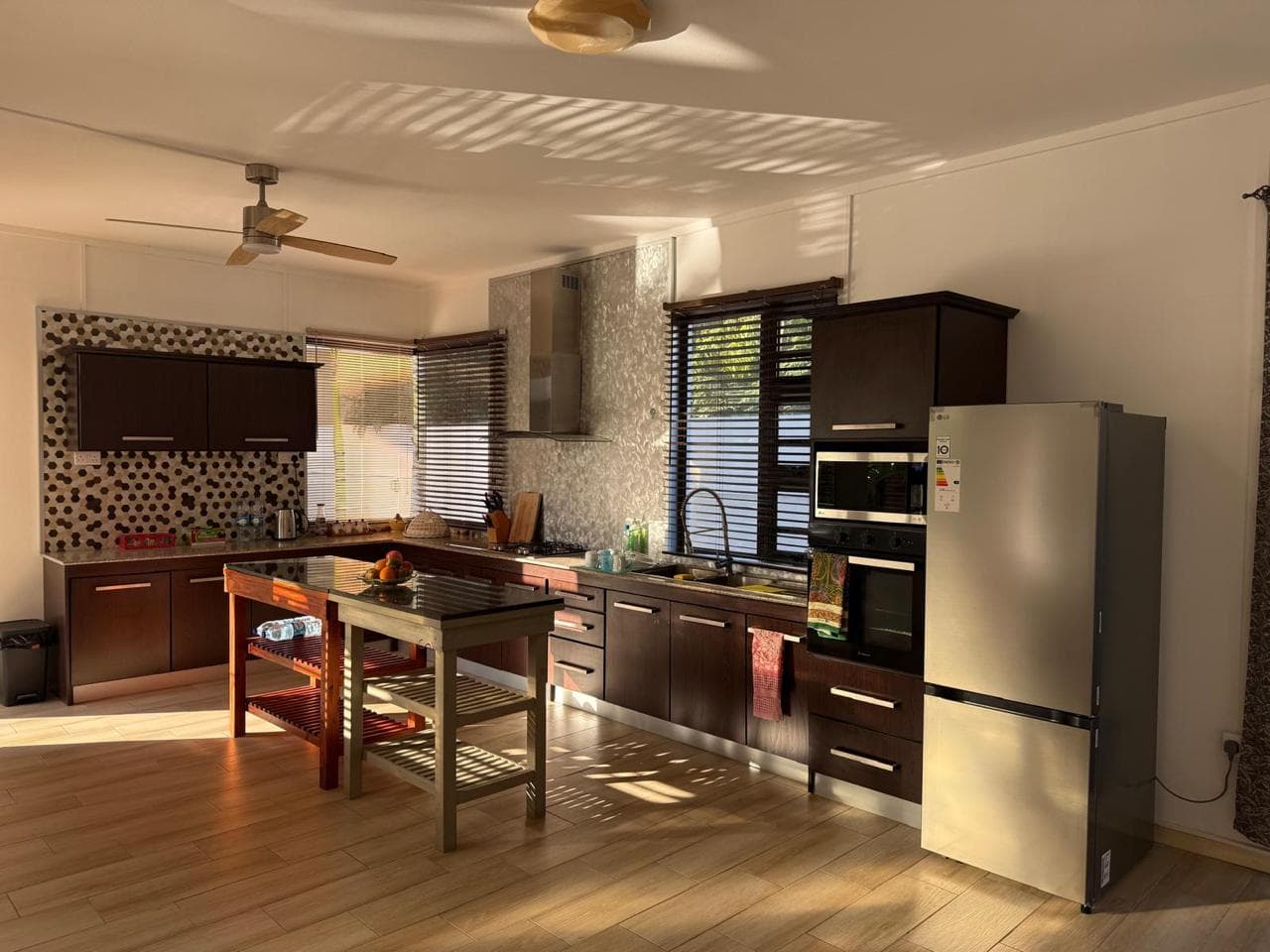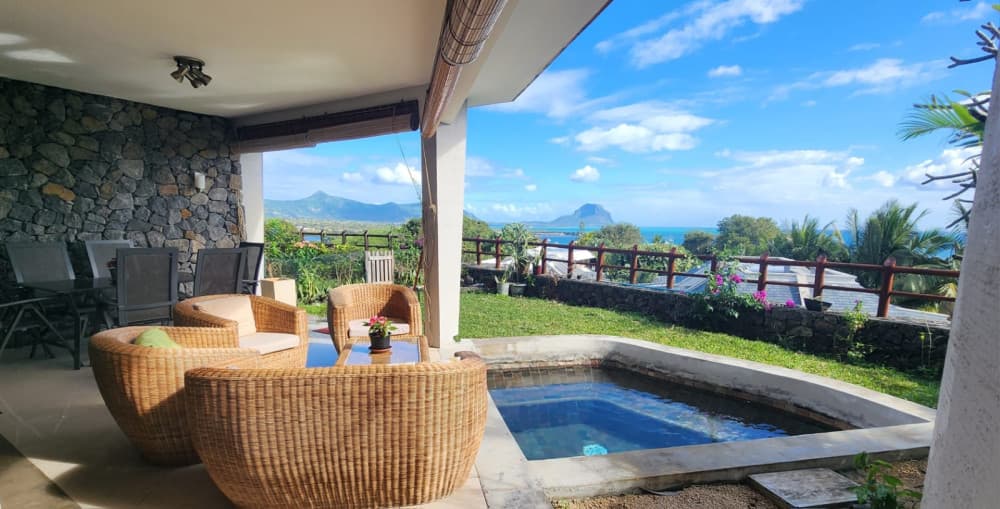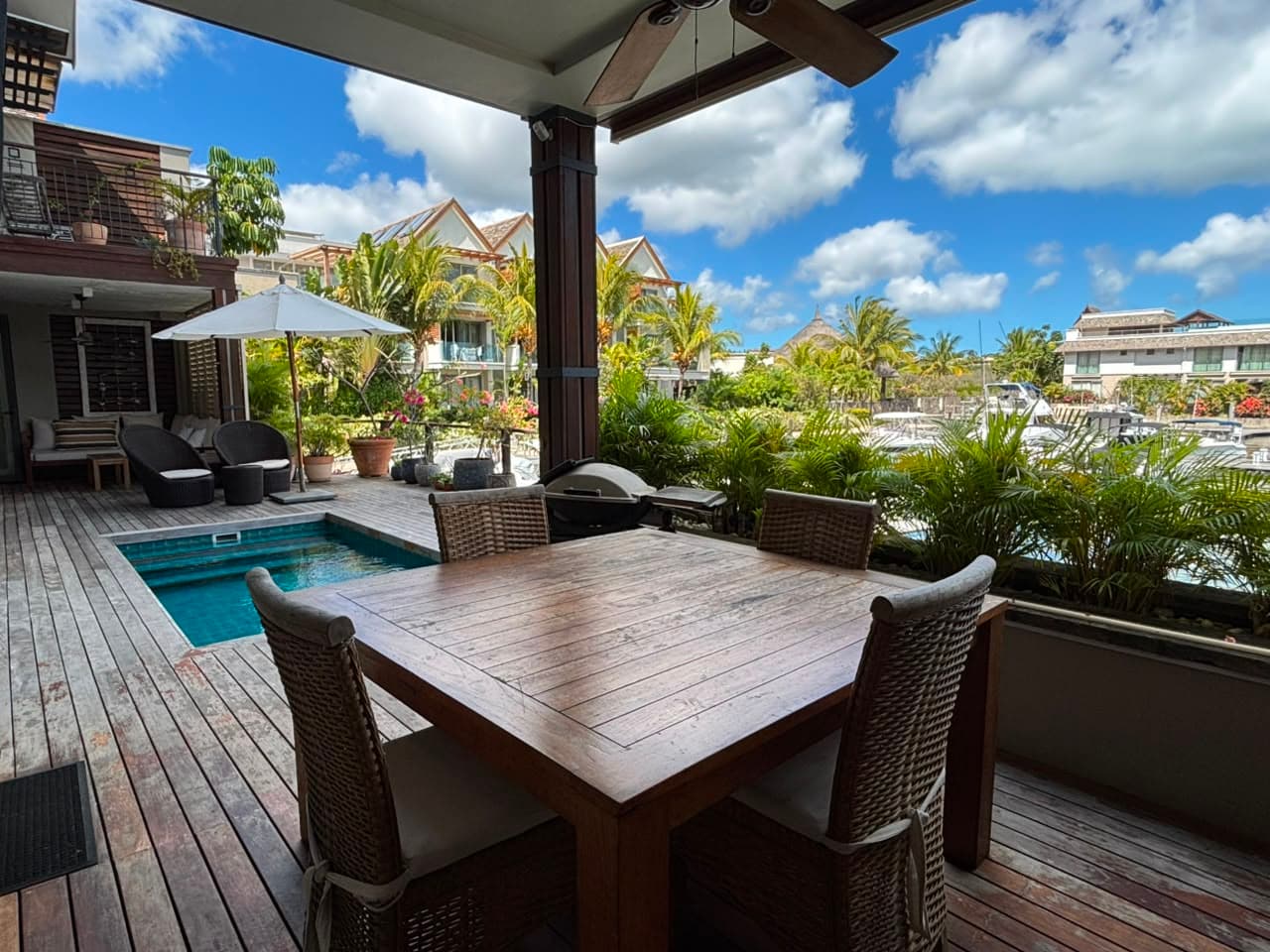
FOR RENTExpat
Rs450K/mo
Riviere Noire · West
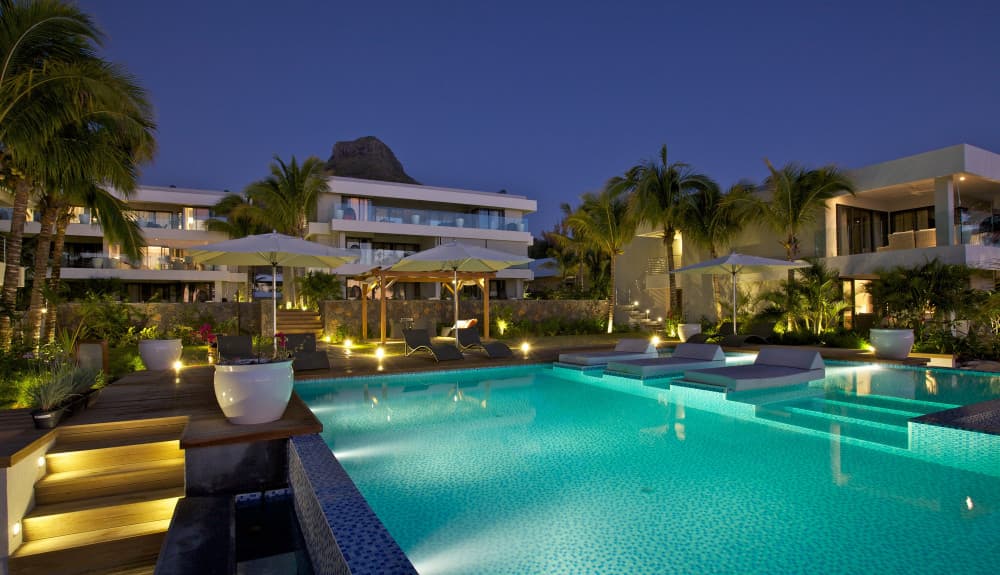
Ultimate Marina Lifestyle – Luxury Waterfront Residence, Private Mooring & Boat
44


The brilliantly coloured Mauritius day gecko is far more than a garden curiosity — as a native pollinator, seed disperser, and natural pest controller, it plays an essential role in the island's unique ecosystem. Discover how this remarkable reptile shapes the natural world that makes l…
If you've ever sat on a sun-drenched terrace in Mauritius and noticed a flash of vivid emerald darting across the wall, you've likely had your first encounter with one of the island's most charismatic residents — the Mauritius day gecko (Phelsuma cepediana). Far more than just a delightful garden visitor, these small reptiles play a surprisingly vital role in maintaining the health of the island's unique ecosystem. For those considering a move to or investment in Mauritius, understanding the natural world that comes with island life adds a richness to the experience that no brochure quite captures.
The Mauritius day gecko is endemic to the island, meaning it exists nowhere else on Earth in its natural state. Brilliantly coloured in shades of emerald green adorned with red and blue markings, it is arguably one of the most visually striking lizards in the world. Unlike many gecko species that are nocturnal, Phelsuma geckos are — as the name suggests — active during the day, making them a frequent and welcome sight for residents and visitors alike.
Several species of Phelsuma call Mauritius home, including the ornate day gecko (Phelsuma ornata), which is particularly common in coastal and garden environments, and the rarer Rodrigues day gecko (Phelsuma edwardnewtonii), now sadly extinct. This biodiversity loss is a sobering reminder of why conservation matters so deeply on small island ecosystems.
One of the most important — and often overlooked — ecological roles of the day gecko is that of pollinator. Unlike in temperate climates where bees dominate this function, Mauritius evolved with geckos and birds as key agents of pollination. As day geckos feed on the nectar of native flowers, pollen adheres to their snouts and is transferred between plants as they move through gardens and forests.
This relationship is particularly significant for several endemic Mauritian plant species that co-evolved with gecko pollinators over millions of years. Plants such as the Trochetia genus — including the national flower, the Trochetia boutoniana — have floral structures that are thought to be adapted to pollination by birds and reptiles rather than insects alone.
Beyond pollination, day geckos also act as seed dispersers. They consume ripe fruits and pass seeds through their digestive systems, depositing them in new locations and supporting forest regeneration. In a landscape where native forest cover has been dramatically reduced over centuries of human activity, this function is more critical than ever.
Day geckos are also effective insectivores, supplementing their fruity and nectar-rich diet with a variety of small insects and invertebrates. This makes them a natural form of pest control in both wild habitats and residential gardens. For homeowners in Mauritius, having geckos around is genuinely beneficial — they help keep mosquito and fly populations in check without the need for chemical intervention.
This is part of what makes garden-facing villas and properties surrounded by native landscaping so appealing to nature-conscious buyers. A property with mature trees, flowering shrubs, and natural stonework is not just aesthetically beautiful — it actively supports local wildlife, including these remarkable little reptiles.
Despite their resilience, Mauritius' day geckos face real threats. Habitat loss, the spread of invasive plant species, and introduced predators such as rats and cats have put pressure on gecko populations across the island. In response, organisations like the Mauritian Wildlife Foundation (MWF) have undertaken conservation programmes on offshore islets such as Île aux Aigrettes, where native species are being carefully reintroduced and protected in predator-free environments.
For expats and investors choosing where to live in Mauritius, proximity to protected natural areas and national parks — such as the Black River Gorges National Park in the southwest — is increasingly a desirable feature, not just for scenery, but for the chance to live alongside a functioning, biodiverse ecosystem.
One of the genuine privileges of life in Mauritius is the intimacy with nature that comes with it. Whether it's the call of the pink pigeon at dusk, the sight of a red-tailed tropicbird soaring above the coast, or a day gecko pausing on a sun-warmed garden wall, the island's wildlife is woven into daily life in a way that few other destinations can match. For British and European buyers used to urban or suburban living, this connection to the natural world is often cited as one of the most transformative aspects of relocating here.
Properties designed with open-plan living, wraparound terraces, and lush tropical gardens don't just offer a lifestyle upgrade — they offer a genuine communion with one of the world's most extraordinary island environments.
Ready to find your place in this remarkable island? PropertyFinder Mauritius connects discerning buyers and investors with the finest villas, apartments, and estates across the island. Explore our listings today and take the first step towards a life where luxury and nature exist in perfect harmony.
Hand-picked
Riviere Noire · West

Baie du Cap · South

Tamarin · West

Baie du Cap · South
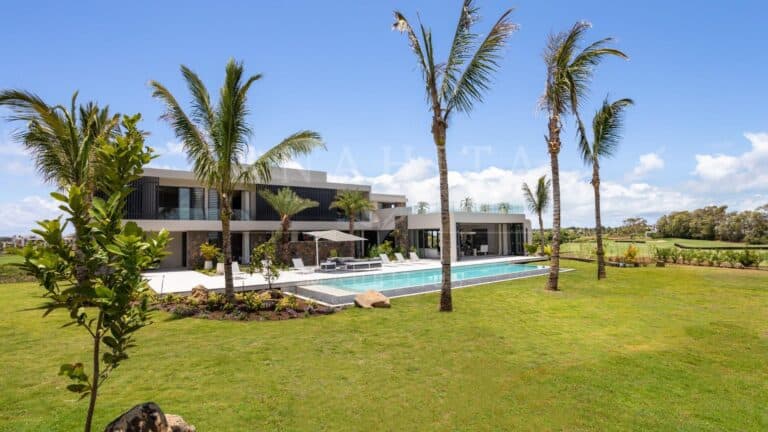
Beau Champ · East
Riviere Noire · West
Explore by region
Explore the site
Market updates, buying guidance and the best new listings, straight to your inbox.
About Mauritius · 28 Aug 2024
Mauritius is one of the safest islands in the Indian Ocean, but that doesn't stop savvy expats from seeking out martial arts and self-defense…
About Mauritius · 26 Aug 2024
Mauritius may be a small island, but its bookshops and online literary scene offer a surprisingly rich experience for expats and book lovers calling…
About Mauritius · 23 Aug 2024
From the UNESCO-listed heights of Le Morne Brabant to the vibrant streets of Grand Baie and the wild interior of Black River Gorges, Mauritius…
About Mauritius · 22 Aug 2024
The Mauritian Wildlife Foundation has spent four decades rescuing the island's rarest species and restoring its native ecosystems — and for those…
About Mauritius · 13 Aug 2024
Off the southwestern tip of Mauritius, an extraordinary optical illusion makes the Indian Ocean appear to cascade into an endless abyss — and a…
About Mauritius · 12 Aug 2024
Mauritius is one of the southern hemisphere's finest deep sea fishing destinations, offering world-class encounters with Blue Marlin, Yellowfin…
Browse our current listings or speak to an agent.