FOR RENTExpat
Rs450K/mo
Riviere Noire · West
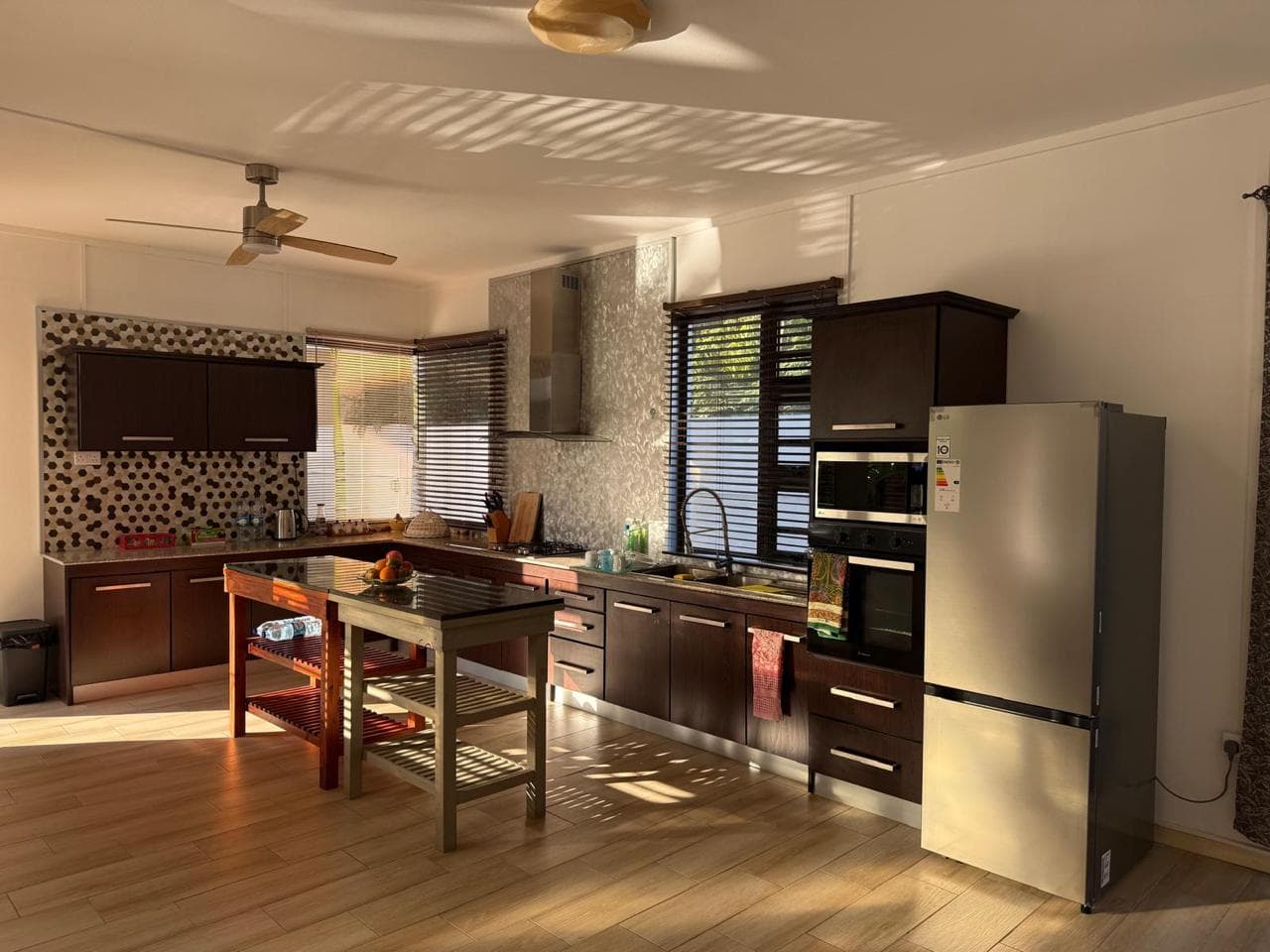
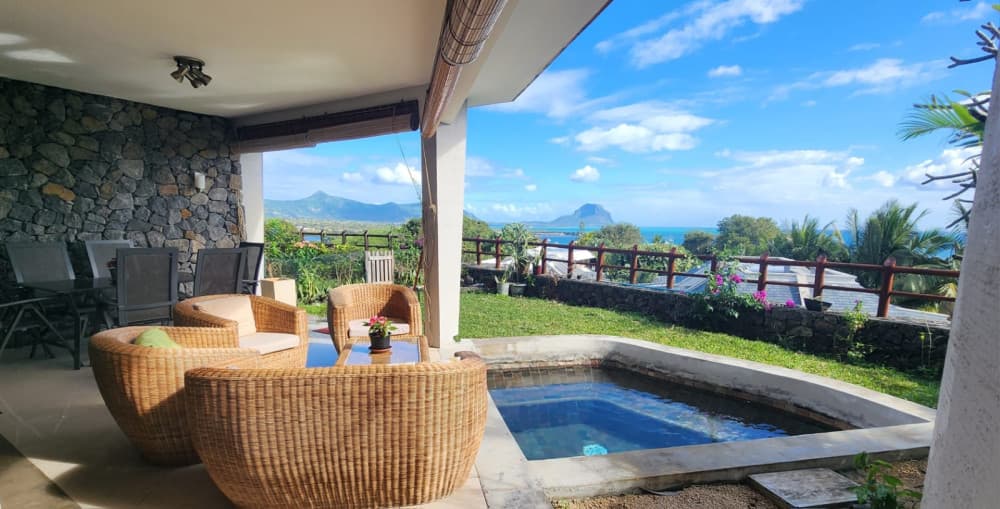
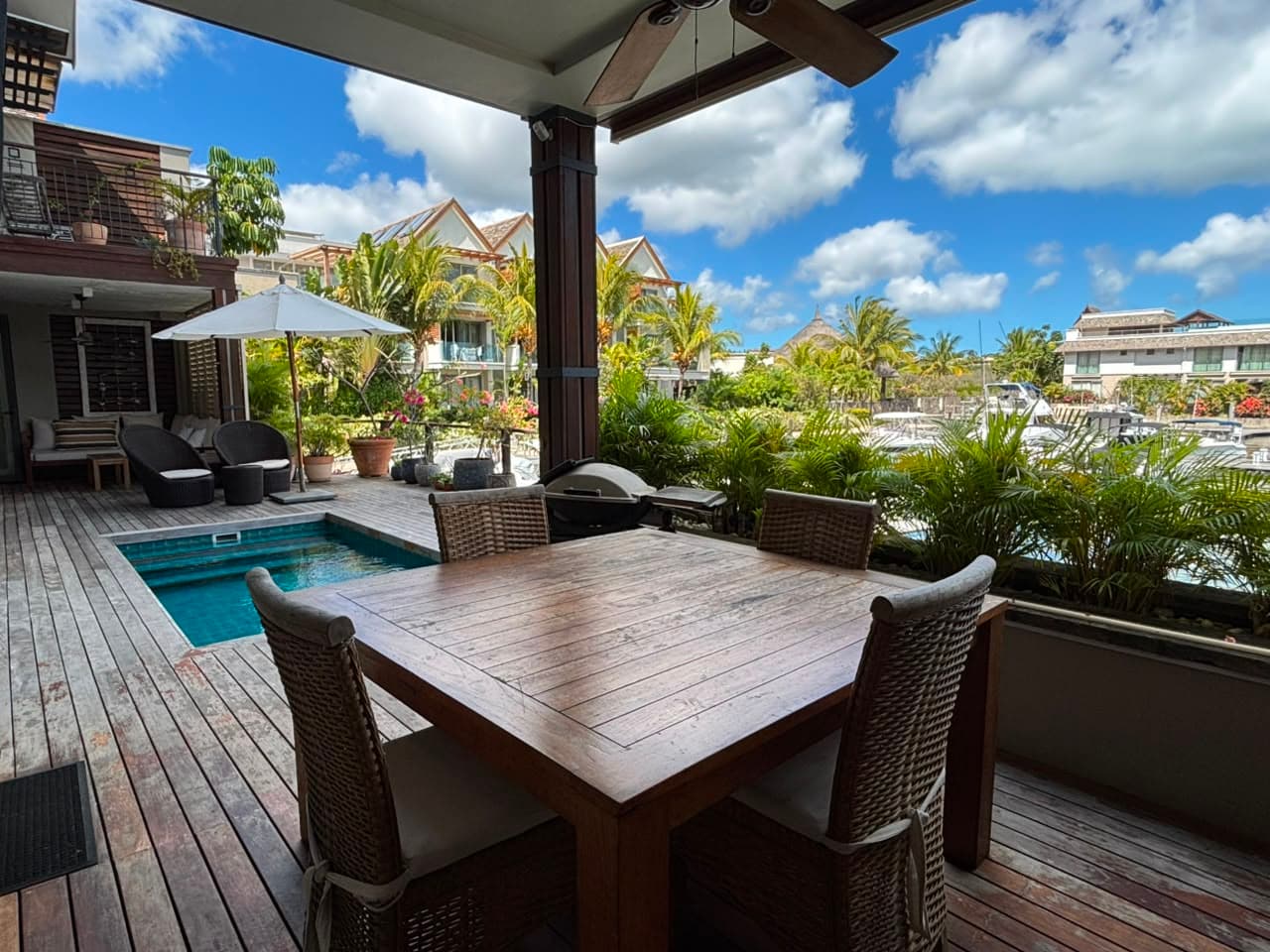
Ultimate Marina Lifestyle – Luxury Waterfront Residence, Private Mooring & Boat
44


As record heatwaves and political uncertainty reshape life across Europe, a growing number of British and European buyers are turning to Mauritius — drawn by its stable climate, welcoming residency schemes, and a luxury property market that offers exceptional value. Here's why the islan…
As Europe braces for another summer of record-breaking temperatures, political turbulence, and an increasingly strained cost of living, a growing number of British and European nationals are quietly making a calculated move — trading uncertainty for something far more stable, sun-drenched, and sophisticated. That destination is Mauritius.
Once considered an exotic holiday escape, Mauritius is rapidly repositioning itself in the minds of discerning Europeans as a permanent lifestyle upgrade and a genuinely compelling place to plant roots.
The numbers are difficult to ignore. In the summer of 2023, Southern Europe recorded temperatures exceeding 47°C, with wildfires devastating parts of Greece, Italy, and Portugal. The European Environment Agency has confirmed that heatwaves are becoming longer, more frequent, and more intense — a trend that shows no sign of reversing. Meanwhile, urban unrest, rising inflation, and housing market volatility across the UK, France, and Germany have left many high-net-worth individuals reassessing where — and how — they want to live.
For those with the means and the mobility, the question is no longer whether to look elsewhere, but where offers the right combination of safety, climate, infrastructure, and quality of life.
Mauritius sits in a climatic sweet spot. Located in the Indian Ocean roughly 2,000 kilometres off the southeastern coast of Africa, the island enjoys a tropical maritime climate that, crucially, is moderated by consistent trade winds. Summer temperatures typically hover between 25°C and 32°C — warm and sunny, but rarely oppressive. Winters, from June to September, are pleasantly mild at around 17°C to 24°C, making it genuinely year-round liveable in a way that few tropical destinations can claim.
Beyond weather, the island offers something Europeans increasingly value: stability. Mauritius consistently ranks as one of Africa's most politically stable and economically resilient nations. The World Bank routinely places it at or near the top of its African 'Ease of Doing Business' index. Violent crime rates are exceptionally low, the healthcare system is internationally regarded, and English is widely spoken alongside French and Creole — making the transition from the UK or mainland Europe remarkably seamless.
The Mauritian government has been deliberately strategic in welcoming foreign investment, particularly through its Property Development Scheme (PDS) and the Smart City Scheme — frameworks that allow non-citizens to purchase property and, critically, gain residency rights when investing above USD 375,000. For many European buyers, this is a defining factor: the ability to live, not just own.
Luxury developments across the island — from the villa-lined west coast around Tamarin and Black River to the sophisticated north in Grand Baie and the emerging prestige of the east coast near Belle Mare — offer world-class finishes, private beach access, and integrated resort amenities. Fractional ownership schemes and managed rental programmes also make entry more flexible for those not yet ready for full relocation.
Prices remain compelling compared to equivalent lifestyle properties in the South of France or the Algarve. A three-bedroom villa with ocean views and a private pool in a secure estate can be acquired for between USD 600,000 and USD 1.5 million — a figure that buys considerably less in Cannes or Cascais.
Beyond the investment case, there is the simple, powerful matter of daily life. Mauritius offers international schools accredited by British and French curricula, a thriving restaurant and arts scene, 18-hole championship golf courses, world-class diving and water sports, and a multicultural community that has long been welcoming of expatriates. The island's food culture alone — a remarkable fusion of Indian, Chinese, Creole, and French influences — is reason enough to linger.
For remote workers and entrepreneurs, the Premium Visa programme introduced in 2021 allows professionals to reside and work from Mauritius for up to one year, renewable — a direct response to the global shift in how and where people choose to work.
What we are witnessing is not a passing trend but a structural reorientation in how wealthy Europeans think about home. When your primary residence in London or Lyon no longer guarantees comfort, safety, or even reliable summers, the calculus changes. Mauritius offers what many parts of Europe are struggling to provide: predictability, beauty, and an exceptional standard of living at a price point that still makes financial sense.
The island is not without its considerations — distance from family, adapting to a new culture, navigating import costs. But for those who have made the move, the consensus is remarkably consistent: they wish they had done it sooner.
If you're considering Mauritius as your next chapter — whether as a primary residence, a second home, or a strategic investment — PropertyFinder Mauritius is your trusted starting point. Explore our curated listings of luxury villas, beachfront apartments, and resort residences, and connect with our team of specialist advisors who understand both the Mauritian market and the European mindset. Your move starts here.
Hand-picked
Riviere Noire · West

Baie du Cap · South
Tamarin · West

Baie du Cap · South
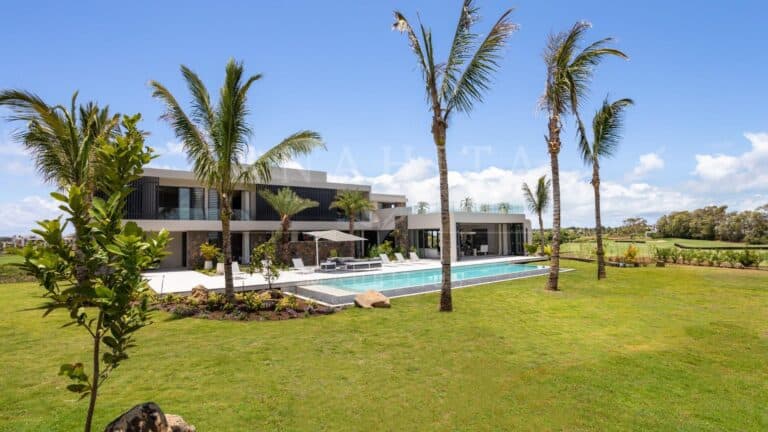
Beau Champ · East
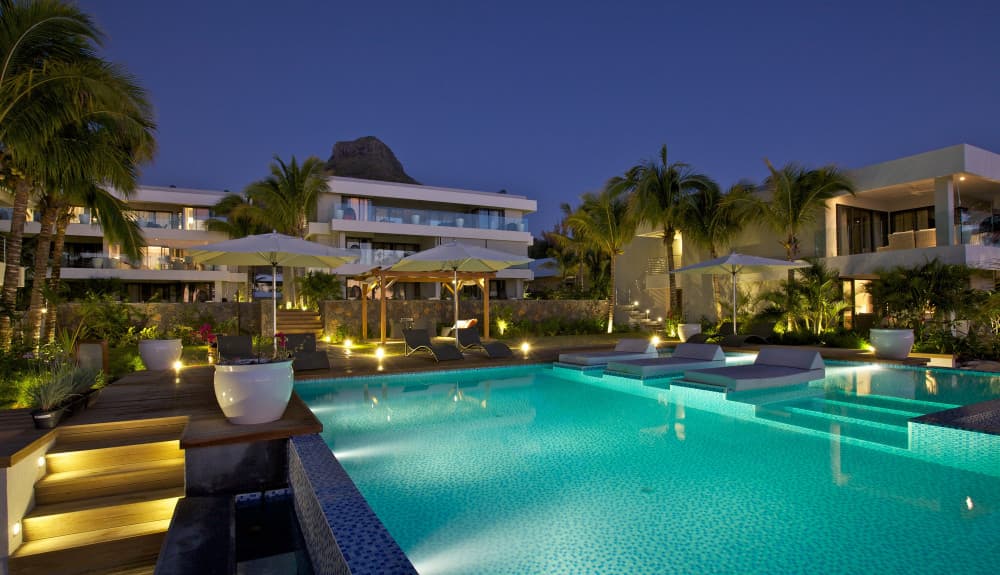
Riviere Noire · West
Explore by region
Explore the site
Market updates, buying guidance and the best new listings, straight to your inbox.
News · 4 Jul 2024
Moka Smart City has been honoured with a regional environmental award, recognising its pioneering approach to green infrastructure, biodiversity,…
News · 1 Mar 2024
Buying property in Mauritius involves far more than finding the right home — it requires a trusted network of legal, financial, and lifestyle…
News · 16 Jan 2023
Fuel prices in Mauritius are shaped by a complex layer of government levies, excise duties, and statutory contributions that go far beyond the raw…
Mauritius Real Estate · 14 Oct 2026
Everything you need to know about house rental in Mauritius: costs, locations, lease rules, and how to find the right property. Updated guide for…
Mauritius Real Estate · 13 Oct 2026
Where to find a business park in Mauritius, what leasing or buying costs, and how foreign companies set up. Covers Ebène, Grand Baie, Pailles and…
Mauritius Real Estate · 12 Oct 2026
A practical guide to business insurance in Mauritius for property owners, landlords, and investors. Covers key cover types, costs, and what to check…
Browse our current listings or speak to an agent.