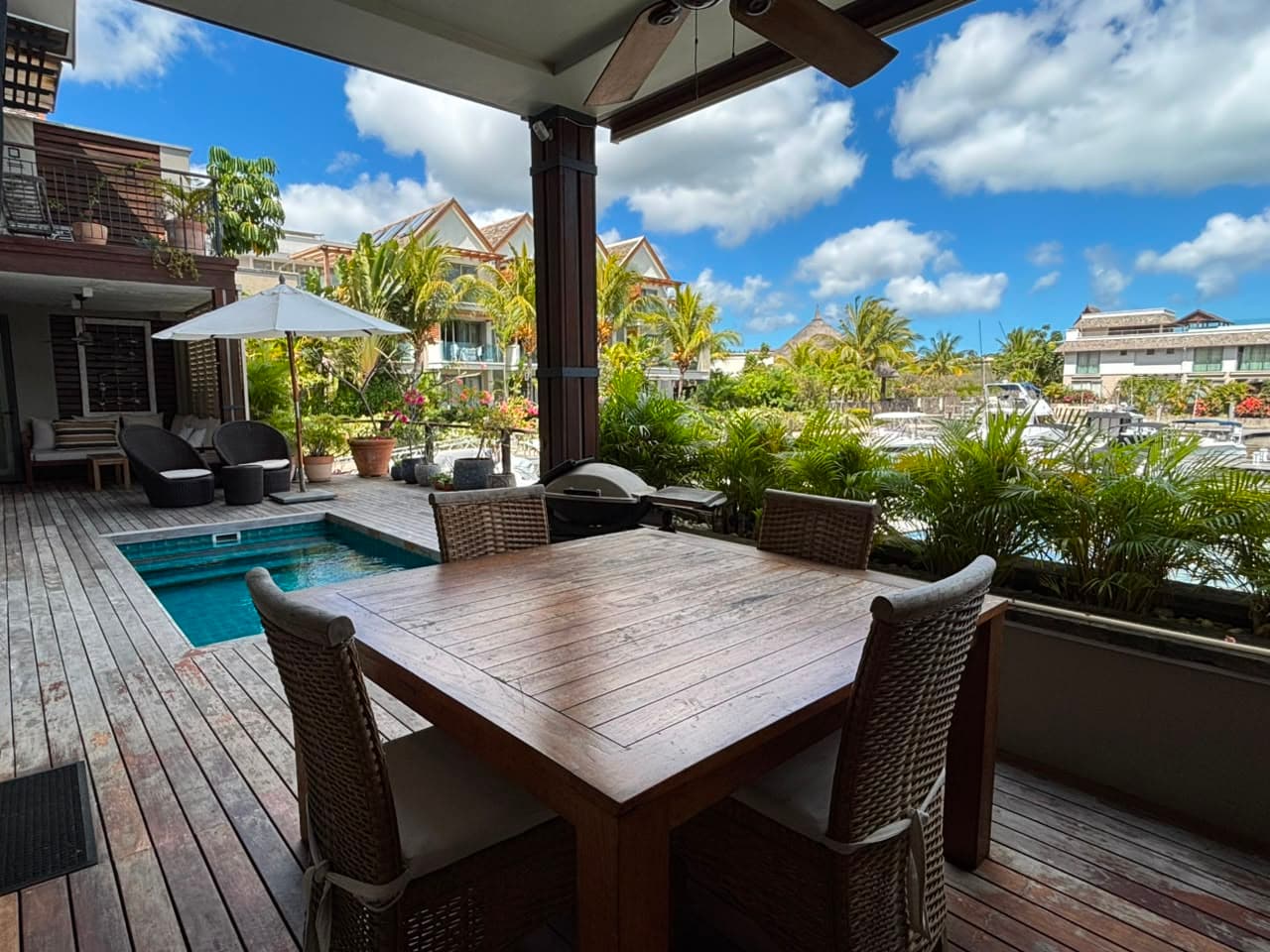
FOR RENTExpat
Rs450K/mo
Riviere Noire · West
Ultimate Marina Lifestyle – Luxury Waterfront Residence, Private Mooring & Boat
44

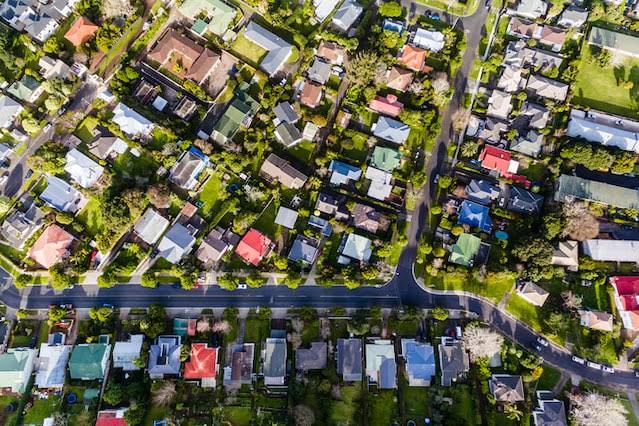
From beachfront villas in Grand Baie to hillside retreats in Tamarin, Mauritius homes offer something for every buyer. Here is everything you need to know before purchasing.
Mauritius homes combine tropical lifestyle, political stability, and a competitive tax environment, no capital gains tax, no inheritance tax, and personal income tax charged progressively from 0% to 35%, alongside a 15% corporate tax rate. Whether you are a local family upsizing or an international buyer seeking a second home with a residency pathway, the island delivers a rare mix of quality construction, stunning scenery, and reliable legal frameworks that protect both residents and foreign investors.
Location shapes everything from your daily commute to your resale value. Here is a quick breakdown of the island's key residential zones:
Yes — but within a defined framework. Foreign nationals cannot purchase freehold land outside approved schemes. The main routes are:
Mauritian citizens and residents face no such restrictions and can buy any property on the open market.
Beyond the purchase price, factor in these transaction costs:
Always engage a local notary (notaire) early. In Mauritius, the notary acts as a neutral legal officer who verifies title, drafts the deed, and registers the transfer — making the process transparent and well-regulated.
The market caters to a wide spectrum of buyers:
Demand from South African, French, and European buyers has remained strong through 2024 and into 2025, keeping prime stock tight. Construction costs have risen, which is pushing new-build prices upward. Resale properties in established areas represent solid value, while off-plan purchases in new PDS estates can offer early-bird pricing. The residency incentive tied to the USD 375,000 threshold continues to drive foreign interest, and there is no sign of that policy reversing.
In short, the fundamentals — limited land supply, a stable government, growing international demand, and lifestyle appeal — remain firmly in favour of buyers who act with clear criteria and good local advice.
The PropertyFinder Mauritius team knows the island's neighbourhoods, legal requirements, and current stock inside out. Contact us today to arrange a viewing or ask any question about the buying process — we are here to help at every step. In the meantime, explore our full range of houses for sale in Mauritius and find the property that fits your life.
Hand-picked
Riviere Noire · West

Tamarin · West


Baie du Cap · South

Riviere Noire · West

Tamarin · West

Beau Champ · East

Baie du Cap · South
Explore by region
Explore the site
Market updates, buying guidance and the best new listings, straight to your inbox.
Mauritius Property Guides · 24 Jul 2026
From Grand Baie boutiques to Port Louis commercial hubs, retail property in Mauritius offers strong footfall and growing consumer demand. Here's…
Mauritius Property Guides · 23 Jul 2026
Quatre Bornes is one of Mauritius's most sought-after towns for renters, offering a cool climate, excellent amenities, and strong transport links at…
Mauritius Property Guides · 23 Jul 2026
New property listings in Mauritius move fast. Learn where the freshest homes, villas and apartments appear first, what to expect on price, and how…
Mauritius Property Guides · 23 Jul 2026
A practical guide for owners who want to sell a Mauritius property quickly: pricing, paperwork, presentation and a smooth notary-led completion.
Mauritius Property Guides · 23 Jul 2026
Tamarin is one of Mauritius's most sought-after addresses, blending surf-beach lifestyle with strong investment fundamentals. Here is everything you…
Mauritius Property Guides · 23 Jul 2026
PropertyFinder Mauritius is the island's dedicated property portal, connecting buyers, investors and renters with verified listings across every…
Browse our current listings or speak to an agent.


