FOR RENTExpat
Rs450K/mo
Riviere Noire · West
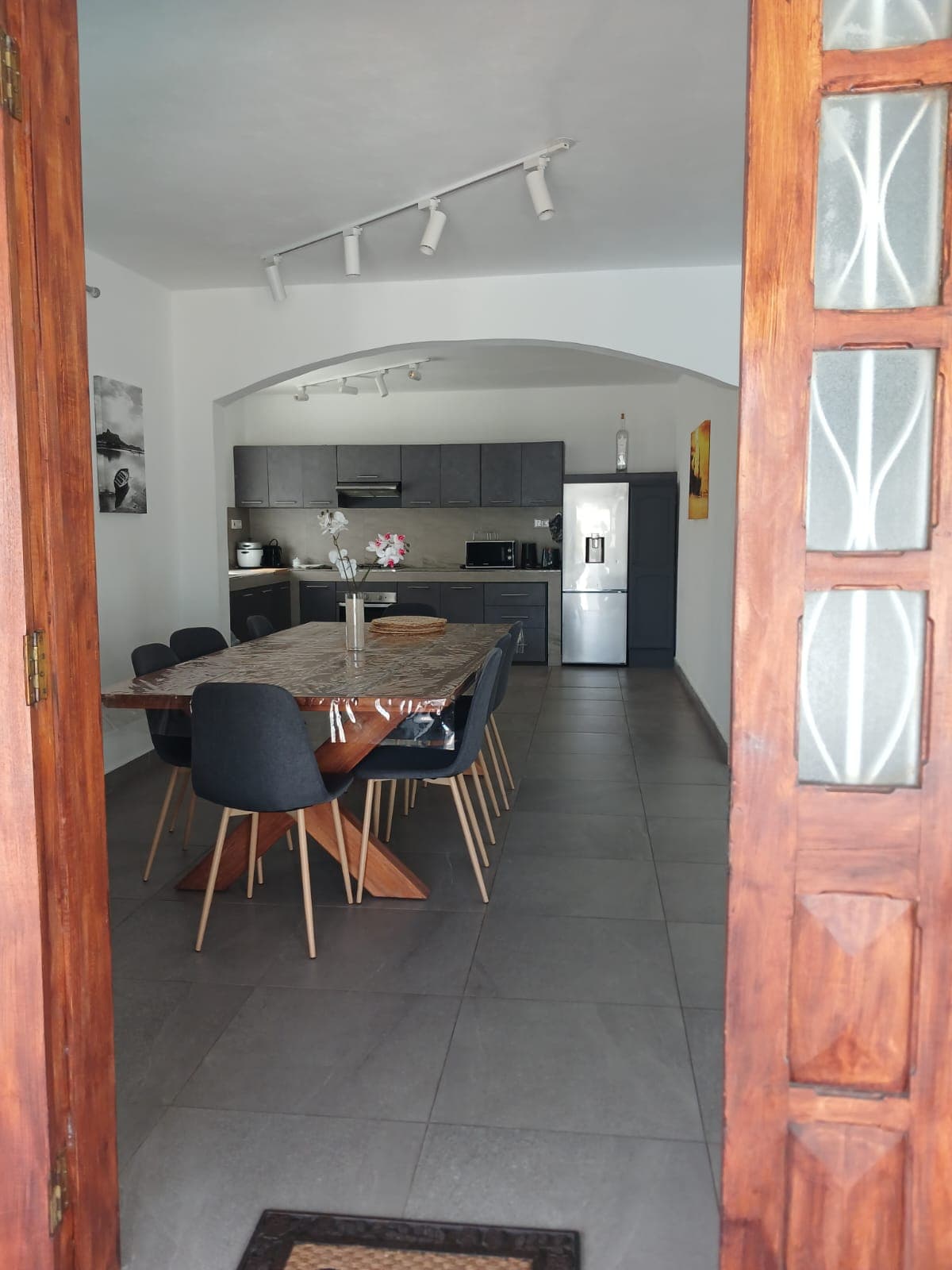
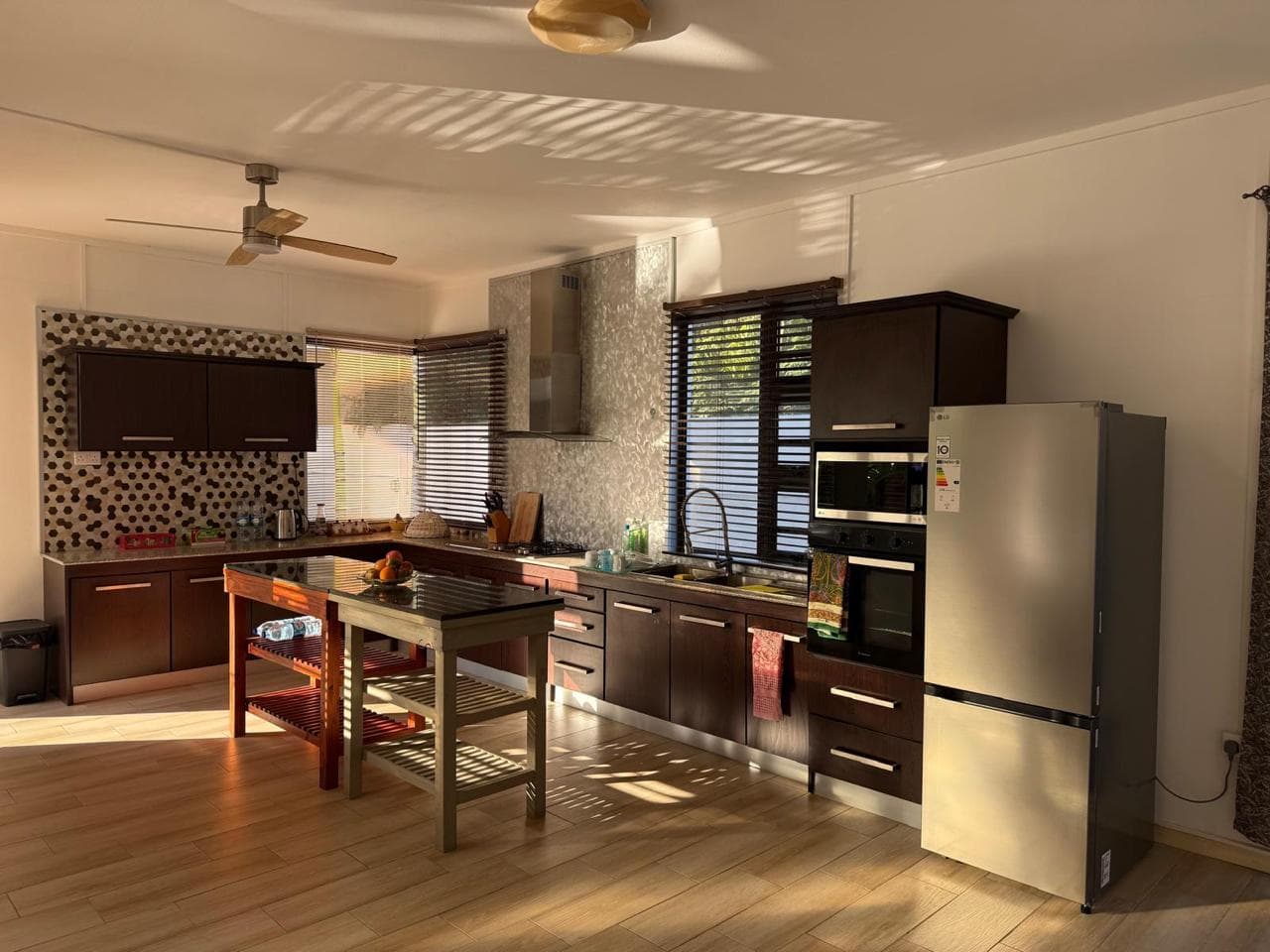
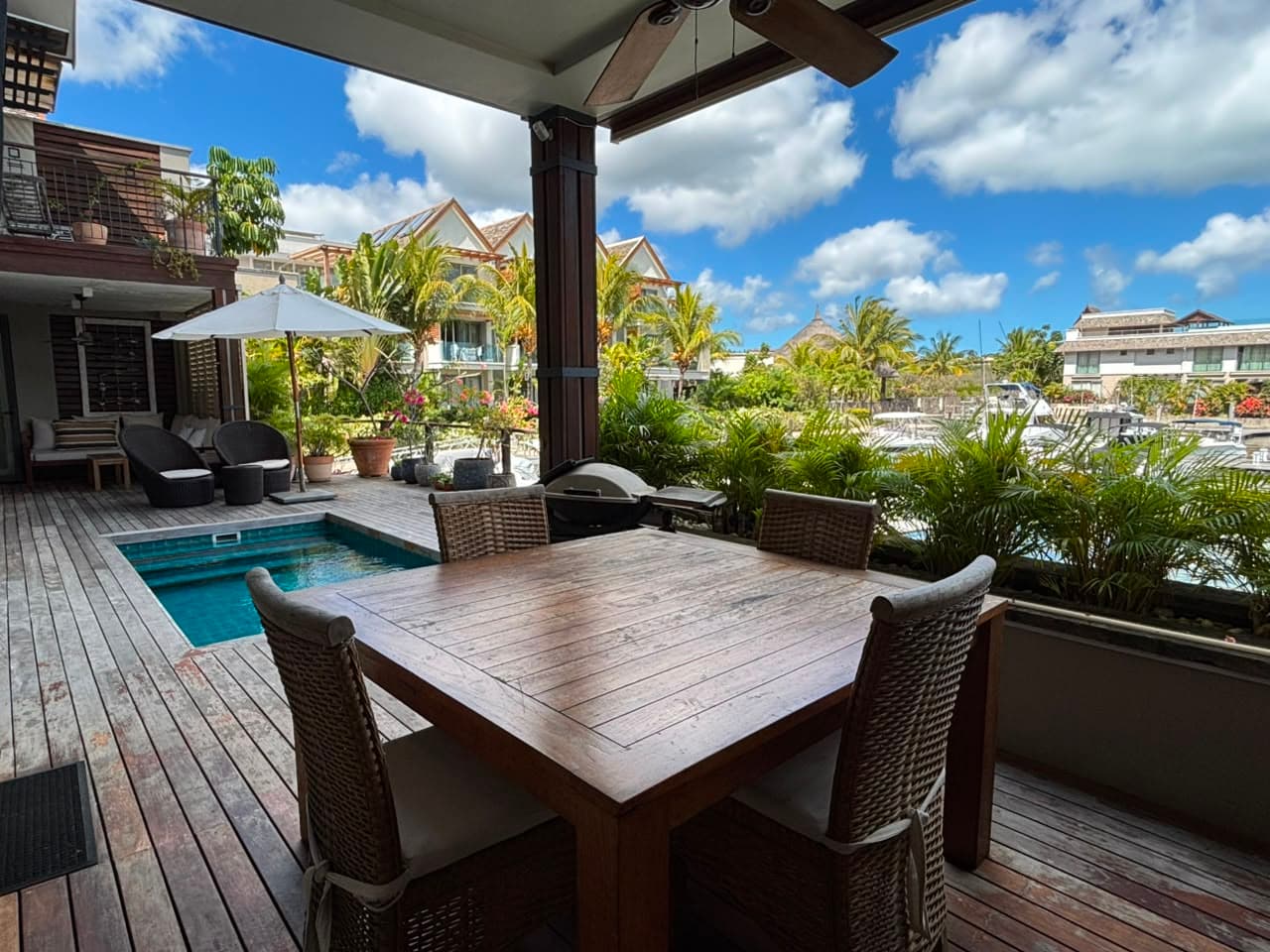
Ultimate Marina Lifestyle – Luxury Waterfront Residence, Private Mooring & Boat
44

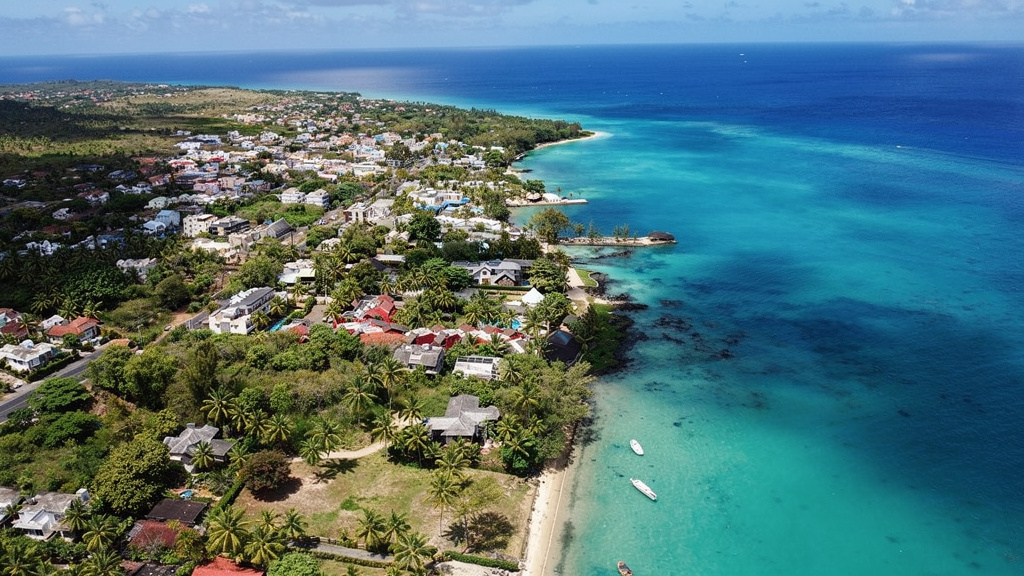
The Mauritius housing market remains one of the Indian Ocean's most resilient, with strong demand from foreign investors, rising prices in key coastal areas, and clear legal pathways for non-citizen ownership.
The Mauritius housing market remains one of the Indian Ocean's most resilient and internationally sought-after. Prices in prime coastal corridors have risen steadily, foreign buyer demand continues to outpace supply in certain segments, and the government's structured residency-linked investment schemes keep international capital flowing in. Whether you are a local buyer upgrading your family home or an overseas investor seeking a lifestyle asset, understanding the market's fundamentals is essential before you commit.
Location remains the single biggest driver of value in Mauritius. Three corridors dominate buyer interest:
Grand Baie and the North Coast — Consistently the most liquid market on the island. Apartments and villas regularly list between MUR 8 million and MUR 40 million depending on proximity to the lagoon. Rental yields of 5–7% attract buy-to-let investors.
Tamarin and the West Coast — A younger, lifestyle-driven market popular with surfers, remote workers, and South African buyers. Mid-range villas (MUR 12–25 million) are selling quickly, and new gated communities are under active development.
Beau Champ and the East Coast — Home to several flagship PDS resorts. Entry prices for PDS villas start around USD 375,000, the minimum required for foreign buyers to qualify for residency.
Yes — but within a defined legal framework. Non-citizens cannot purchase freehold land on the open market; instead, they must buy through one of the government-approved acquisition schemes:
PDS (Property Development Scheme) — The primary route. Integrated resort communities offering villas, apartments, and penthouses. A purchase of USD 375,000 or more automatically qualifies the buyer and their dependants for a Mauritian residence permit.
Smart City Scheme — Mixed-use urban developments blending residential, commercial, and innovation hubs. Foreign buyers enjoy the same residency benefit at the same USD 375,000 threshold.
G+2 Scheme — Allows foreigners to purchase apartments in buildings of ground floor plus at least two upper floors, priced from MUR 6 million. Residency is not automatically granted under this scheme.
All acquisitions by non-citizens require approval from the Economic Development Board (EDB) and registration with the Registrar-General. Working with a licensed notary is mandatory and protects both parties throughout the conveyancing process.
European buyers — particularly French, German, and South African nationals — continue to account for a large share of PDS transactions. The combination of a progressive personal income tax (0% to 35%), no inheritance tax, no capital gains tax, and a stable political environment makes Mauritius highly competitive against comparable destinations such as the Maldives or Seychelles.
Properties priced above USD 1 million have seen the sharpest appreciation. Branded residences tied to five-star hotel operators in areas like Bel Ombre and Anahita are attracting ultra-high-net-worth buyers who value hotel-managed rental programmes alongside personal use.
Post-pandemic supply-chain pressures pushed construction costs up significantly, and developers have been cautious about launching new phases. This supply constraint is supporting resale values across all segments, particularly for ready-to-occupy stock.
Mauritian nationals are increasingly active in the MUR 4–10 million apartment segment, fuelled by accessible mortgage financing from local banks at rates typically between 5.5% and 7.5% per annum. Areas like Ebène, Quatre Bornes, and Triolet are seeing healthy domestic demand.
Due diligence on title — Always verify land title through a notary before signing any preliminary agreement (contrat préliminaire de vente).
Currency risk — PDS properties are priced in USD; fluctuations against MUR, EUR, or ZAR affect the effective purchase price.
Management fees — Gated communities and PDS resorts carry annual levies ranging from MUR 50,000 to MUR 300,000+. Factor these into your total cost of ownership.
Rental restrictions — Some schemes limit short-term letting; confirm the rules before banking on Airbnb-style income.
With supply constrained, residency incentives intact, and global appetite for stable island-nation real estate growing, the fundamentals point toward continued price support in the short-to-medium term. Buyers who move decisively on well-priced resale stock — especially in the north and west — are best positioned to benefit.
Get in touch with PropertyFinder Mauritius to arrange a viewing, request a market appraisal, or ask any question about the buying process. Visit our contact page to speak with our team, and explore current opportunities on our property for sale in Mauritius listings page.
Hand-picked
Riviere Noire · West
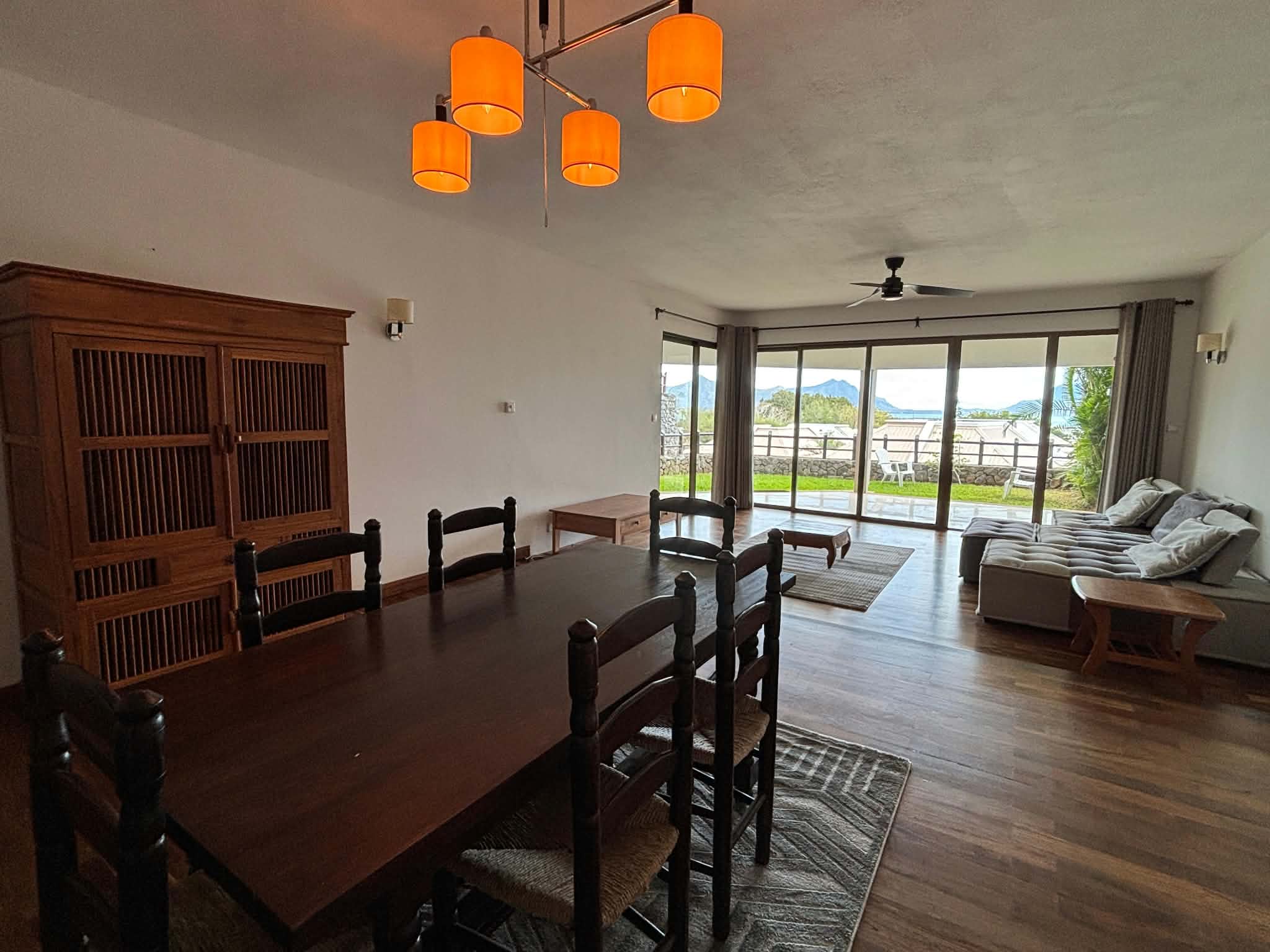
Tamarin · West

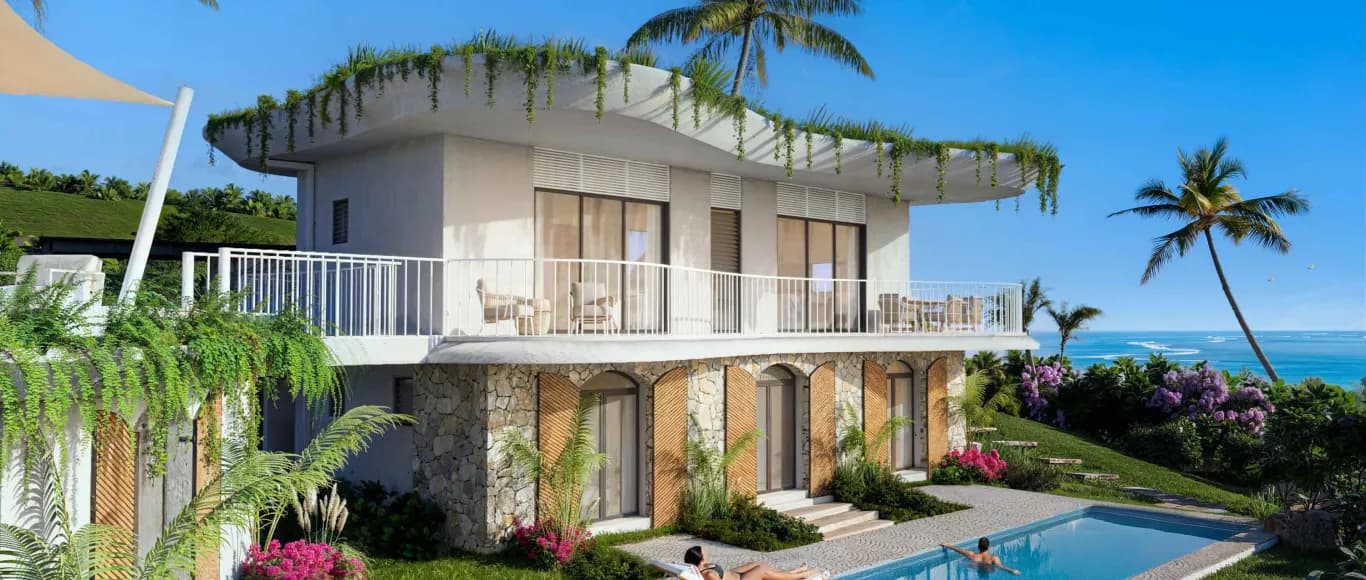
Baie du Cap · South
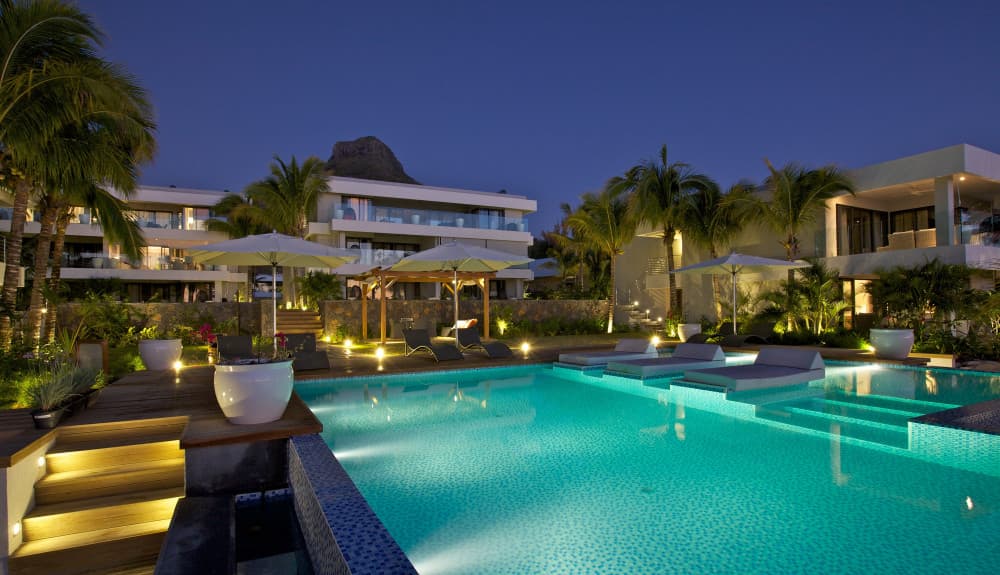
Riviere Noire · West
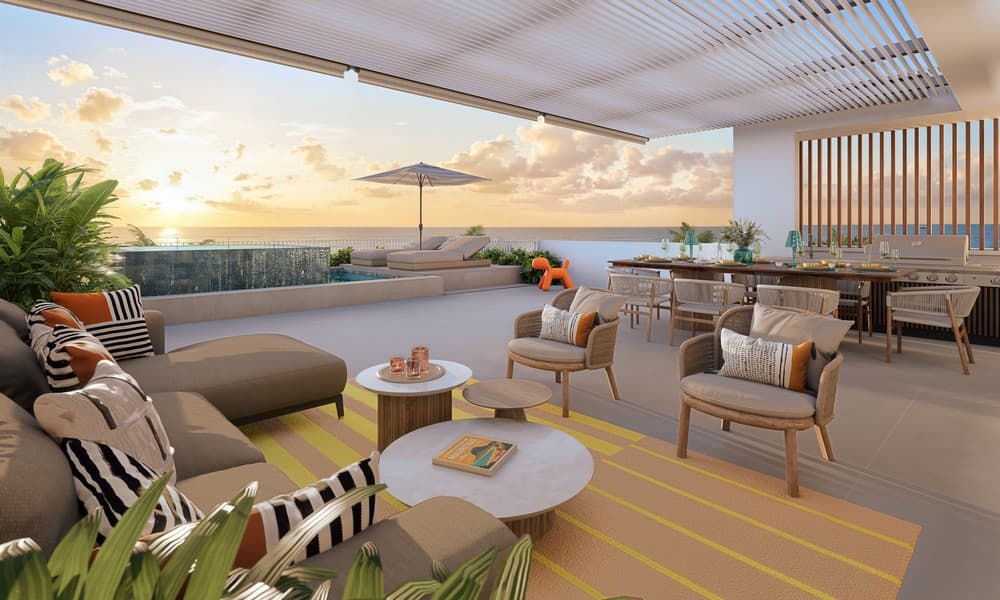
Tamarin · West
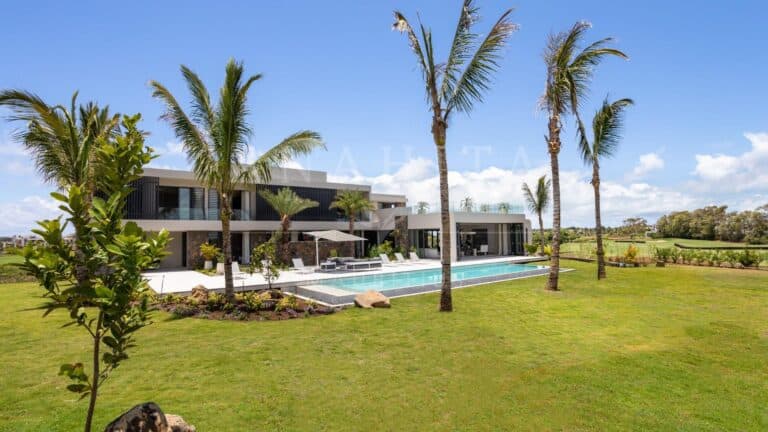
Beau Champ · East

Baie du Cap · South
Explore by region
Explore the site
Market updates, buying guidance and the best new listings, straight to your inbox.
Mauritius Property Guides · 24 Jul 2026
From Grand Baie boutiques to Port Louis commercial hubs, retail property in Mauritius offers strong footfall and growing consumer demand. Here's…
Mauritius Property Guides · 23 Jul 2026
Quatre Bornes is one of Mauritius's most sought-after towns for renters, offering a cool climate, excellent amenities, and strong transport links at…
Mauritius Property Guides · 23 Jul 2026
New property listings in Mauritius move fast. Learn where the freshest homes, villas and apartments appear first, what to expect on price, and how…
Mauritius Property Guides · 23 Jul 2026
A practical guide for owners who want to sell a Mauritius property quickly: pricing, paperwork, presentation and a smooth notary-led completion.
Mauritius Property Guides · 23 Jul 2026
Tamarin is one of Mauritius's most sought-after addresses, blending surf-beach lifestyle with strong investment fundamentals. Here is everything you…
Mauritius Property Guides · 23 Jul 2026
PropertyFinder Mauritius is the island's dedicated property portal, connecting buyers, investors and renters with verified listings across every…
Browse our current listings or speak to an agent.