FOR RENTExpat
Rs450K/mo
Riviere Noire · West
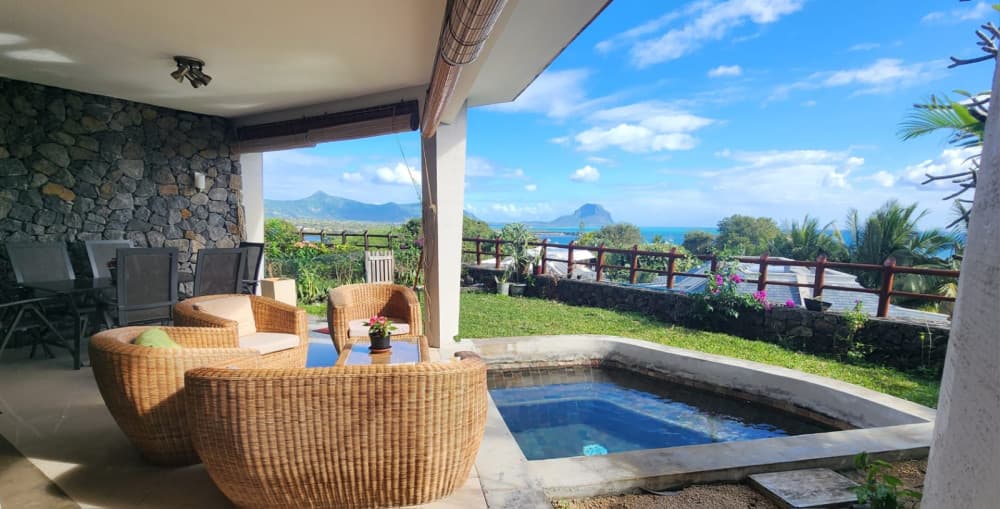
Ultimate Marina Lifestyle – Luxury Waterfront Residence, Private Mooring & Boat
44


Mauritius has developed one of Africa's most transparent and business-friendly labour markets, with modern employment laws, competitive tax rates, and a streamlined permit system that makes it an increasingly attractive destination for European professionals and investors. Understanding…
For British and European nationals considering a move to Mauritius — whether to work, invest, or put down roots — understanding the island's employment landscape is just as important as finding the right property. Mauritius has quietly built one of Africa's most sophisticated labour markets, underpinned by a transparent legal framework, a highly educated workforce, and business-friendly policies that continue to attract international companies and entrepreneurs alike.
Mauritius boasts a literacy rate exceeding 92%, and the country has invested heavily in tertiary education and vocational training over recent decades. The working population is well-versed in both English and French — the two dominant languages of business — making the island an exceptionally practical base for European professionals and executives.
The economy is no longer solely reliant on sugar and tourism. Today, financial services, ICT, business process outsourcing (BPO), and the blue economy are among the fastest-growing sectors. This diversification has created a dynamic, skilled labour pool that appeals to multinationals establishing regional headquarters, as well as entrepreneurs building lean, globally connected teams from a sun-drenched island office.
Employment in Mauritius is governed primarily by the Workers' Rights Act 2019, which replaced the earlier Employment Rights Act and significantly modernised the island's labour legislation. Key provisions include:
The Employment Relations Act complements this by governing collective bargaining, trade union rights, and dispute resolution. The Employment Relations Tribunal and the Industrial Court provide accessible avenues for resolving workplace disputes, adding a layer of legal security that many investors find reassuring.
For foreign nationals wishing to work in Mauritius, the Occupation Permit (OP) is the gateway. It combines a work permit and residence permit into a single document, valid for up to ten years, and is available under three categories:
The application process is handled through the Economic Development Board (EDB) and is widely regarded as efficient and straightforward by regional standards. Many expats who initially arrive on an Occupation Permit may later be able to apply for Permanent Residence, subject to conditions (check current eligibility with the EDB), or even Citizenship, available after a longer period of lawful residence.
It is worth noting that the Retired Non-Citizen Permit offers a separate pathway for those over 50 who wish to retire to Mauritius, requiring a minimum monthly transfer of USD 1,500 into a local bank account.
Beyond the legal mechanics, what makes Mauritius genuinely compelling for foreign professionals is the quality of life that accompanies a working life here. Low personal income tax rates — capped at 20% — mean that high earners retain significantly more of their salary than they would in the UK or much of Europe. There is no capital gains tax, no inheritance tax, and no wealth tax, making Mauritius not just a place to work, but a smart place to build long-term financial security.
For those establishing businesses or relocating with families, the ability to purchase property through schemes such as the Property Development Scheme (PDS) or the Smart City Scheme adds another compelling dimension. Owning a home in Mauritius — whether a beachside villa in Grand Baie or a contemporary apartment overlooking the Moka mountains — is increasingly intertwined with the expat professional story here.
Mauritius consistently ranks among the top African nations on the World Bank's Ease of Doing Business Index and the Ibrahim Index of African Governance. Its labour laws strike a balance between protecting workers and enabling employers to operate with confidence — a balance that has taken decades to refine, and one that continues to draw foreign direct investment year on year.
For those considering Mauritius not just as a holiday destination but as a genuine life and career move, the employment landscape is far more mature and investor-friendly than many expect.
Thinking about making Mauritius your home base? At PropertyFinder Mauritius, we connect British and European buyers with exceptional properties across the island — from IRS and PDS-approved villas to smart city residences. Explore our listings today and take the first step towards island living without compromise.
Hand-picked
Riviere Noire · West

Baie du Cap · South

Tamarin · West

Baie du Cap · South

Beau Champ · East

Riviere Noire · West
Explore by region
Explore the site
Market updates, buying guidance and the best new listings, straight to your inbox.
About Mauritius · 28 Aug 2024
Mauritius is one of the safest islands in the Indian Ocean, but that doesn't stop savvy expats from seeking out martial arts and self-defense…
About Mauritius · 26 Aug 2024
Mauritius may be a small island, but its bookshops and online literary scene offer a surprisingly rich experience for expats and book lovers calling…
About Mauritius · 23 Aug 2024
From the UNESCO-listed heights of Le Morne Brabant to the vibrant streets of Grand Baie and the wild interior of Black River Gorges, Mauritius…
About Mauritius · 22 Aug 2024
The Mauritian Wildlife Foundation has spent four decades rescuing the island's rarest species and restoring its native ecosystems — and for those…
About Mauritius · 21 Aug 2024
The brilliantly coloured Mauritius day gecko is far more than a garden curiosity — as a native pollinator, seed disperser, and natural pest…
About Mauritius · 13 Aug 2024
Off the southwestern tip of Mauritius, an extraordinary optical illusion makes the Indian Ocean appear to cascade into an endless abyss — and a…
Browse our current listings or speak to an agent.