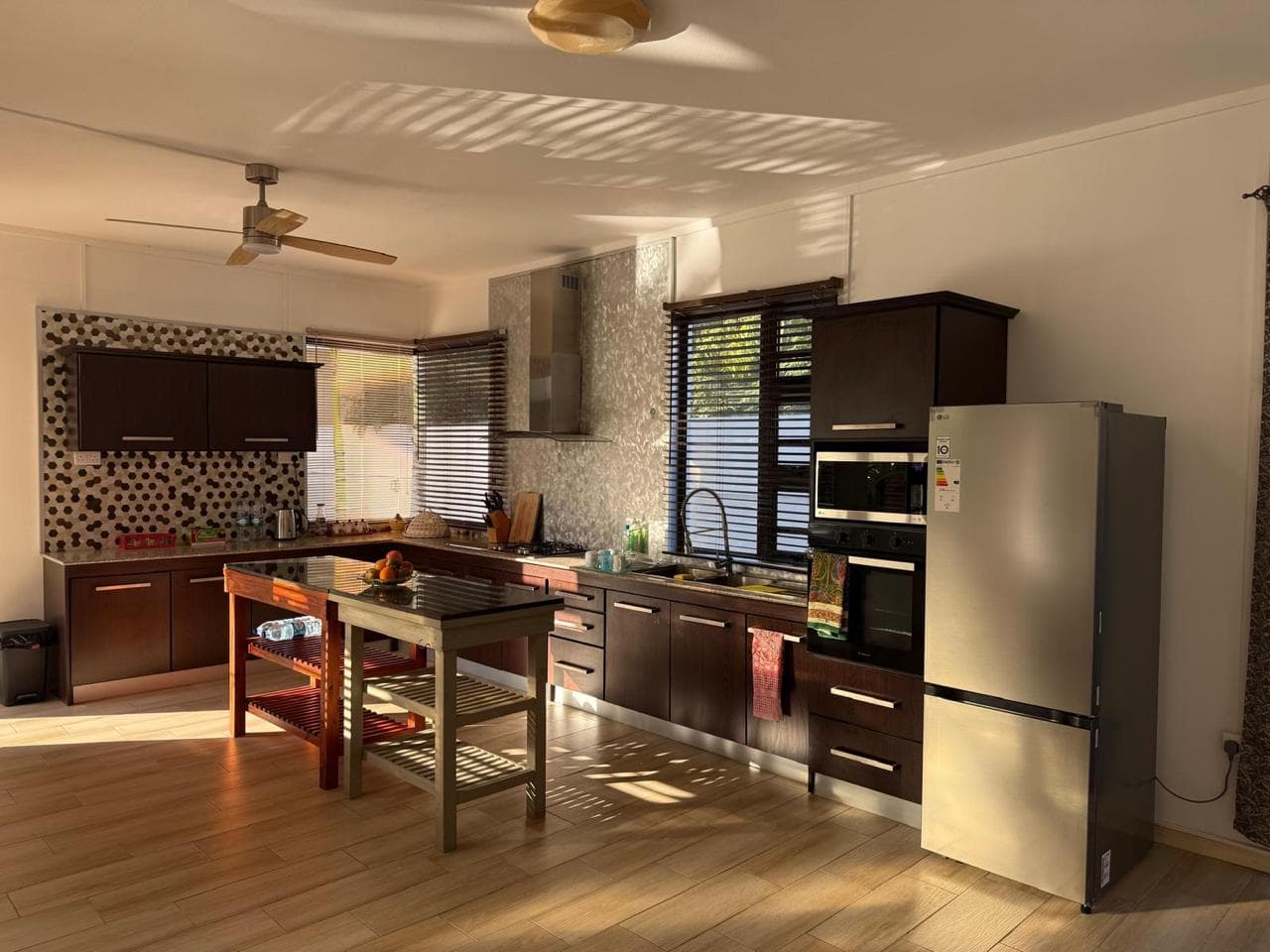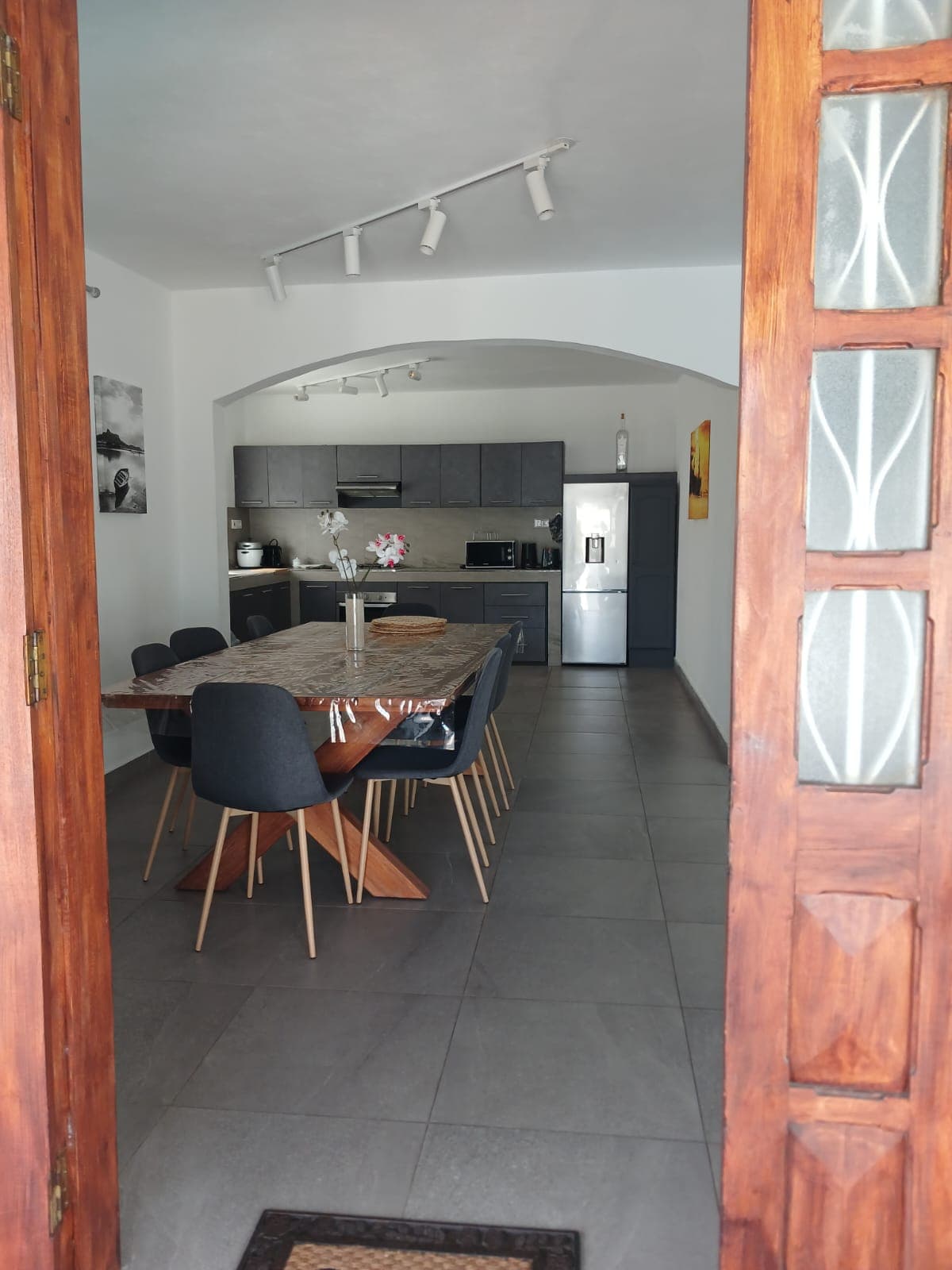
FOR RENTExpat
Rs65K/mo

Mauritius has a skilled, multilingual labour force governed by the Workers' Rights Act 2019. Whether you're relocating a business or buying property to live and work, here's what you need to know.
Mauritius has a well-regulated, multilingual labour force of approximately 580,000 workers, governed primarily by the Workers' Rights Act 2019. For foreign nationals buying property and relocating — or entrepreneurs setting up operations on the island — understanding the employment framework is essential before you commit. The legal environment is business-friendly, but it has clear rules you must follow.
The Mauritian workforce is notably diverse and educated. English and French are both widely spoken in professional settings, alongside Mauritian Creole. Key sectors driving employment include:
The unemployment rate hovers around 6–7%, and the government actively encourages foreign direct investment to plug skills gaps in high-tech and managerial roles.
The Workers' Rights Act (WRA) 2019 replaced the older Employment Rights Act and introduced stronger protections. If you employ staff in Mauritius, these are the headline obligations:
If you are buying property in Mauritius and intend to work — or if you plan to hire expatriate staff — the Occupation Permit (OP) system is the primary route. Managed by the Economic Development Board (EDB), it combines a work permit and residence permit in one document. There are three categories:
Occupation Permits are typically granted for up to three years and are renewable. Permit holders may later be able to apply for a Permanent Residence Permit, subject to conditions (check current eligibility with the EDB), separate from purchasing qualifying property under a PDS (Property Development Scheme) or Smart City project.
Purchasing property in Mauritius under an approved scheme — such as PDS, IRS, or Smart City — grants the buyer and their dependants residency rights, but not automatic work rights. To work legally, a separate Occupation Permit is still required unless you qualify under another category. That said, the combination of a PDS property purchase and an Investor Occupation Permit is a popular and well-trodden path for entrepreneurs relocating to the island.
Mauritius consistently ranks among Africa's top two most competitive economies in the World Bank's Ease of Doing Business index. Labour disputes are relatively rare, union activity is moderate, and the legal system — based on a hybrid of English common law and French civil law — provides a familiar framework for international investors. The EDB offers a single-window service to streamline permits, company registration, and compliance, making setup straightforward.
If you're planning to relocate, invest, or set up a business in Mauritius, the right property is the foundation of your plans. Contact our team at PropertyFinder Mauritius to arrange a viewing or get expert advice tailored to your situation. You can also explore our full range of homes and villas at property for sale in Mauritius and find the location that fits your lifestyle and business goals.
Hand-picked
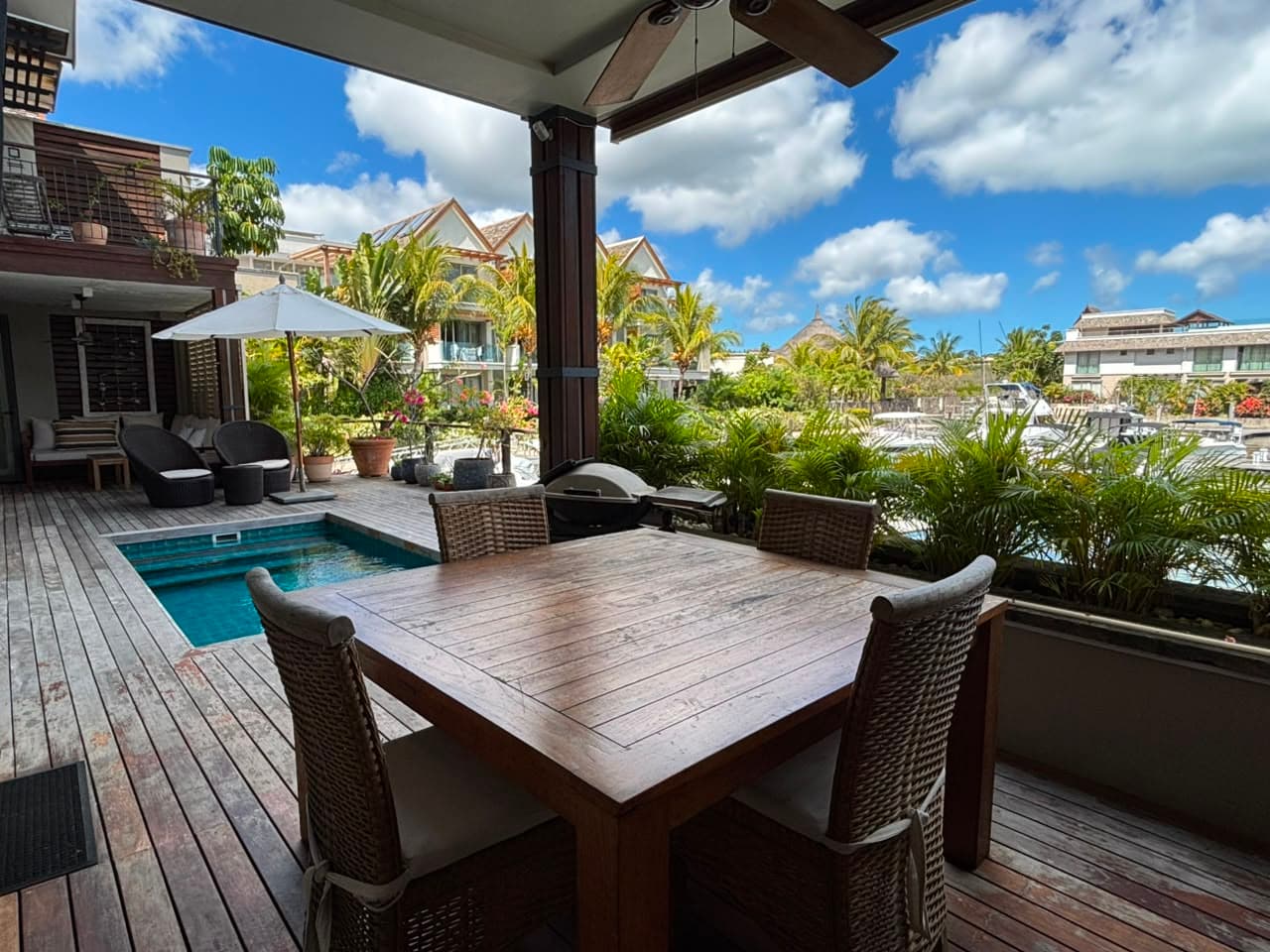
Riviere Noire · West

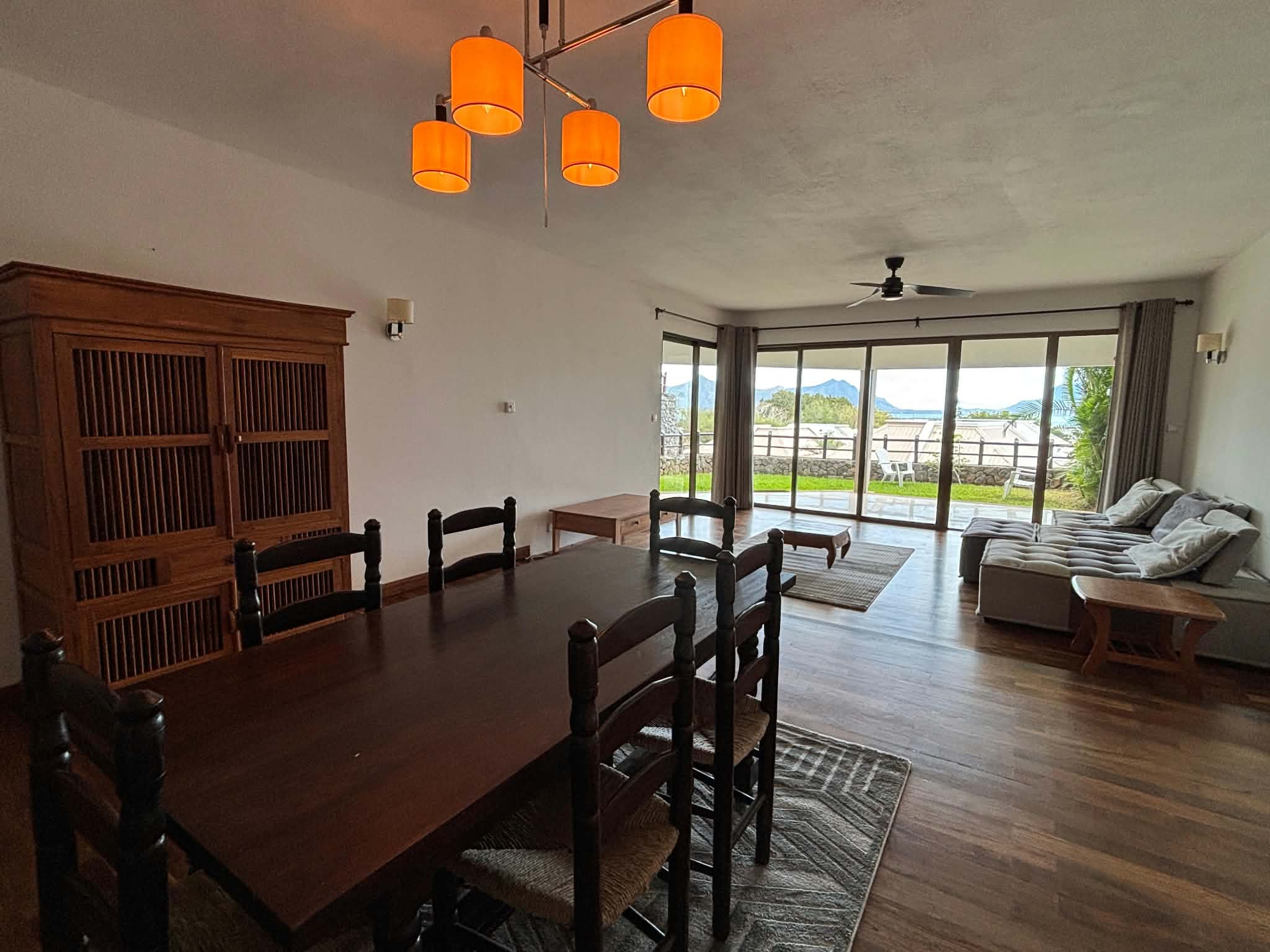
Tamarin · West


Baie du Cap · South

Riviere Noire · West

Tamarin · West
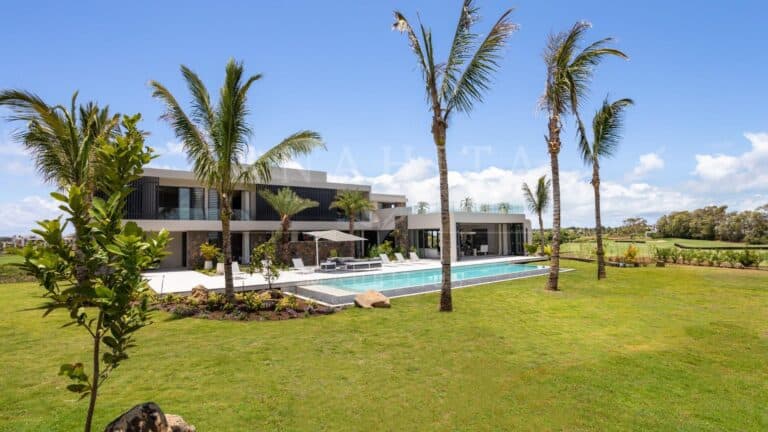
Beau Champ · East

Baie du Cap · South
Explore by region
Explore the site
Market updates, buying guidance and the best new listings, straight to your inbox.
Mauritius Property Guides · 24 Jul 2026
From Grand Baie boutiques to Port Louis commercial hubs, retail property in Mauritius offers strong footfall and growing consumer demand. Here's…
Mauritius Property Guides · 23 Jul 2026
Quatre Bornes is one of Mauritius's most sought-after towns for renters, offering a cool climate, excellent amenities, and strong transport links at…
Mauritius Property Guides · 23 Jul 2026
New property listings in Mauritius move fast. Learn where the freshest homes, villas and apartments appear first, what to expect on price, and how…
Mauritius Property Guides · 23 Jul 2026
A practical guide for owners who want to sell a Mauritius property quickly: pricing, paperwork, presentation and a smooth notary-led completion.
Mauritius Property Guides · 23 Jul 2026
Tamarin is one of Mauritius's most sought-after addresses, blending surf-beach lifestyle with strong investment fundamentals. Here is everything you…
Mauritius Property Guides · 23 Jul 2026
PropertyFinder Mauritius is the island's dedicated property portal, connecting buyers, investors and renters with verified listings across every…
Browse our current listings or speak to an agent.