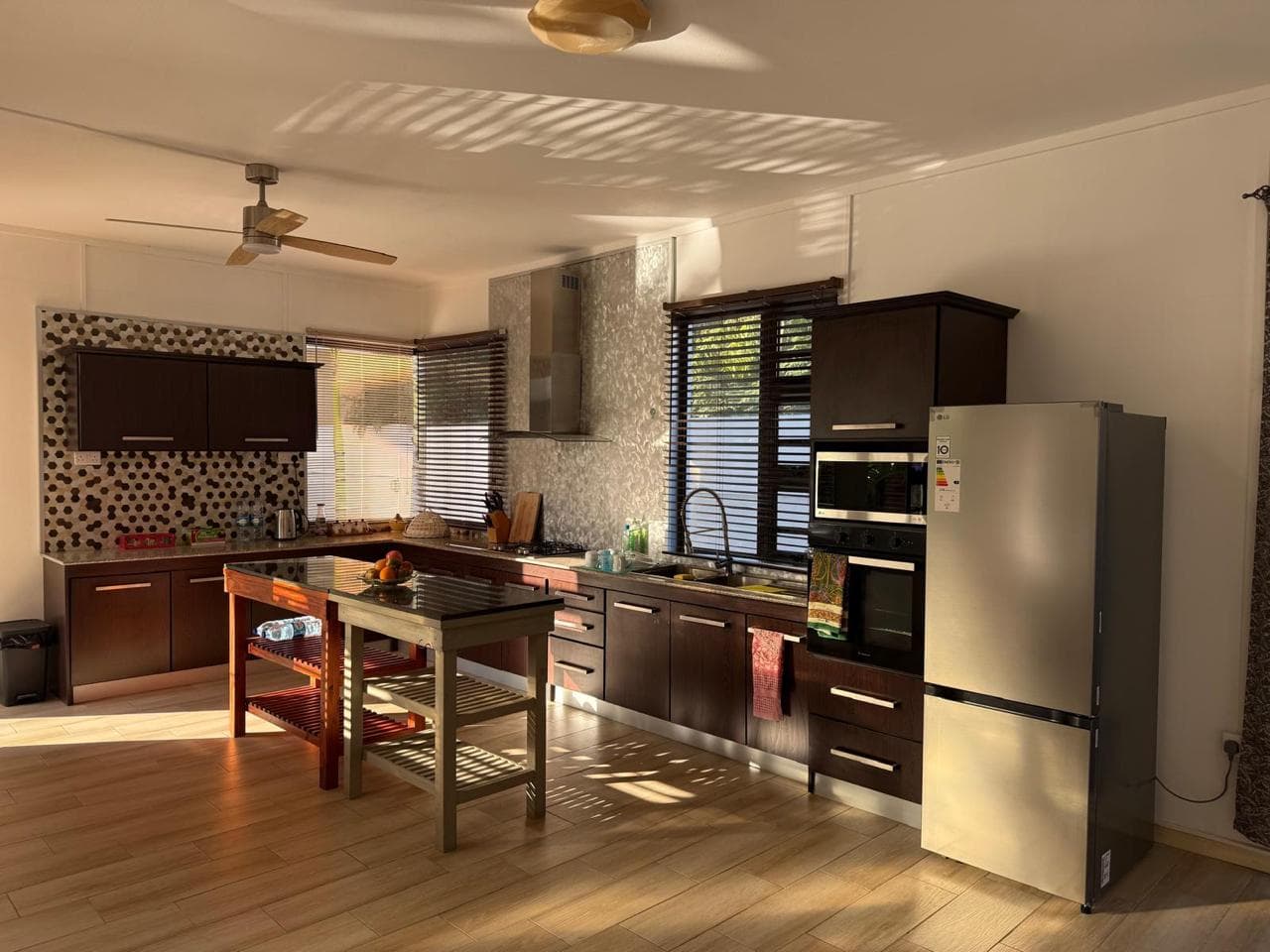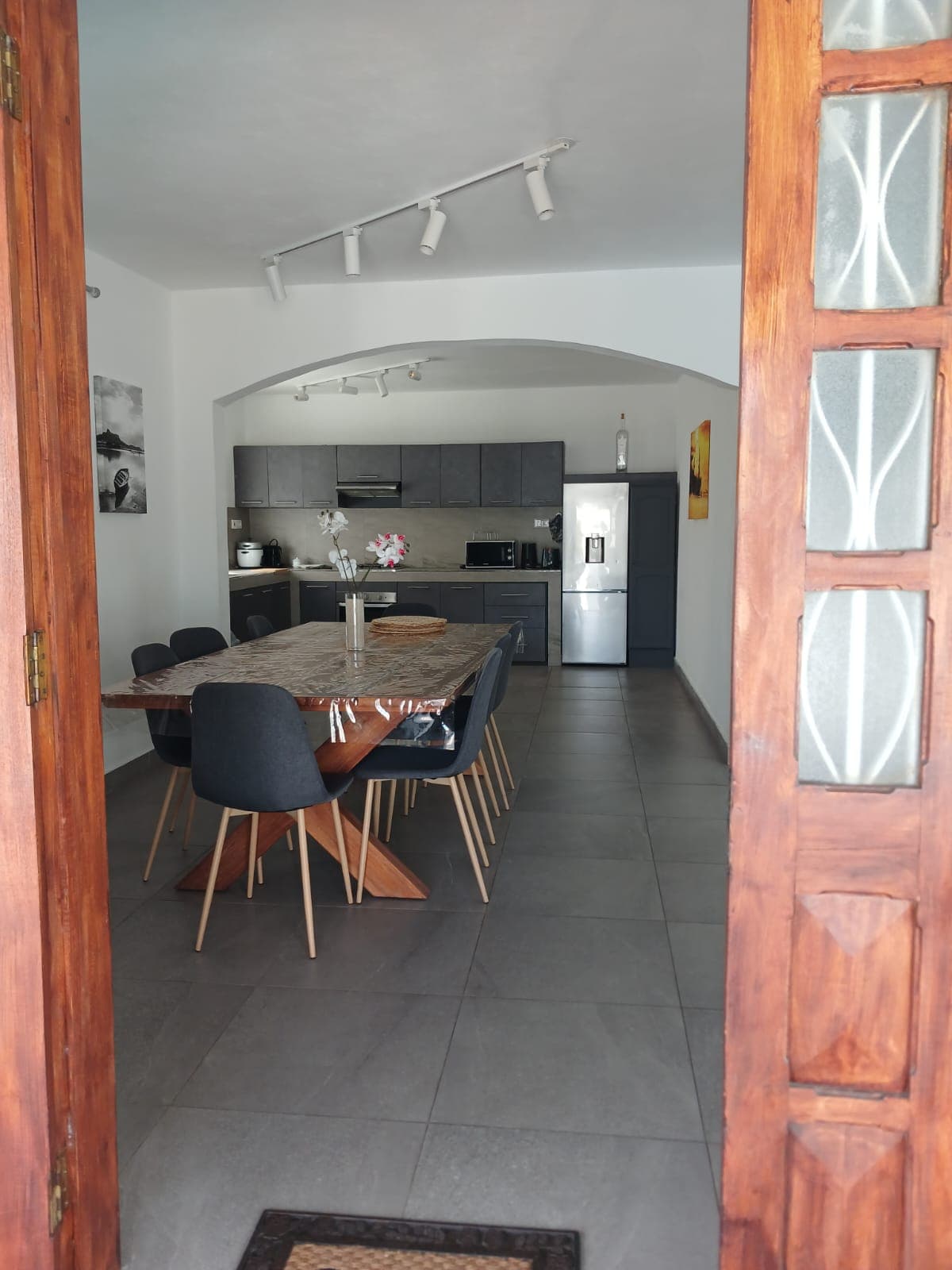
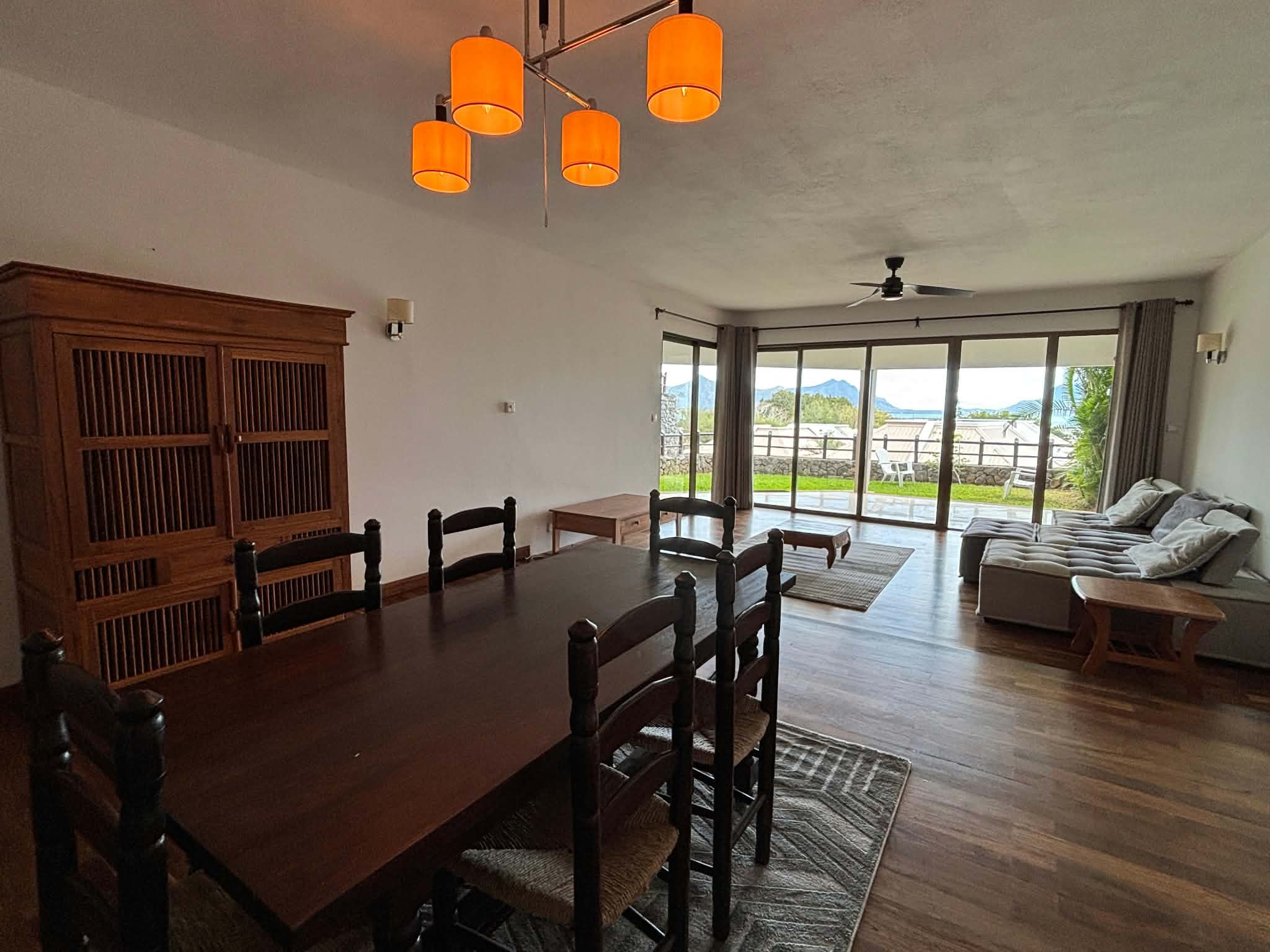
FOR RENTExpat
Rs65K/mo

Discover how Mauritius luxury property prices have evolved over the last decade and what experts project for the market ahead. Strategic insights for high-net-worth investors.
Mauritius has firmly established itself as one of Africa's most sought-after luxury real estate destinations, attracting high-net-worth individuals and international investors seeking stable, appreciating assets in a politically secure environment. Recent market data indicates that luxury property prices across the island have experienced steady appreciation, with premium villas in prime locations commanding valuations significantly above regional benchmarks.
According to industry analysts, the luxury segment—defined as properties valued above USD 1 million—has maintained resilience despite global economic headwinds. The confluence of favourable tax regimes, world-class infrastructure, and the island's status as a gateway to Africa and Asia has sustained investor confidence and rental yields averaging 4–6% annually for well-positioned villas.
Over the past ten years (2014–2024), Mauritius's luxury real estate sector has demonstrated a remarkable trajectory. The period began in 2014 with an average villa price of approximately USD 750,000 to USD 1.2 million in sought-after areas such as Black River, Tamarin, and the west coast corridor. By 2024, comparable properties appreciated to USD 1.5 million to USD 3.5 million, representing cumulative appreciation of 35–50% over the decade.
2014–2017: Steady entry-level growth driven by global recovery post-financial crisis and increasing awareness of Mauritius as a lifestyle and investment destination
2017–2020: Accelerated growth coinciding with enhanced residency schemes (IRS, RES) and increased African diaspora investment
2020–2022: Boom period fuelled by post-pandemic wealth migration and remote work trends; luxury villa prices surged 15–20% annually
2022–2024: Market stabilisation with modest 5–8% annual appreciation as global interest rates rose, yet demand remained strong due to limited inventory
Several structural factors continue to underpin Mauritius' luxury property values and justify forward projections of sustained growth:
The Mauritian government offers three pivotal schemes that directly stimulate luxury property demand:
Integrated Resort Scheme (IRS): Permits foreign investors to purchase villas (minimum USD 500,000) with a residence permit for themselves and immediate family. This scheme has been the single largest driver of luxury acquisitions, particularly from South Africa, Europe, and the Middle East.
Real Estate Scheme (RES): Enables non-citizens to acquire residential property (minimum USD 250,000) without a residence permit but with full ownership rights and rental capability. Popular among investors seeking rental yields without visa commitment.
Property Development Scheme (PDS): Attracts developers and investors to create mixed-use luxury communities, increasing total addressable market and encouraging villa purchases within curated developments.
These schemes have collectively generated sustained demand and institutional confidence in the sector, supporting price appreciation even during market slowdowns.
Mauritius maintains Africa's highest World Bank Governance Index ranking and consistently ranks in the top tier globally for political stability, rule of law, and ease of doing business. For HNW individuals diversifying geographic risk, this reliability is invaluable—often justifying premium valuations relative to comparable Caribbean or Mediterranean properties.
The island covers approximately 2,040 square kilometers, with strict environmental and heritage protections limiting new luxury development. This constraint naturally supports price appreciation as demand outpaces inventory, particularly in coveted western and southern coastal zones.
Real estate consultants and investment banks tracking the Mauritius market forecast 3–5% annual appreciation in the luxury segment through 2025–2027, with potential acceleration if global wealth flows persist. Several scenarios shape this outlook:
Assumes stable global investor sentiment, continued residency scheme uptake, and modest rental demand from tourism recovery. This scenario supports property valuations for buy-and-hold investors seeking yield plus capital appreciation.
Triggered by major geopolitical wealth migration, expanded tax incentives for foreign investment, or increased institutional real estate fund allocation to Mauritius. Evidence of this includes recent interest from Middle Eastern family offices and European investors seeking African exposure.
Reflects tightened global liquidity, reduced foreign investment appetite, or regulatory changes to residency schemes. Even in this scenario, well-located villas maintain long-term value due to supply constraints and local demographic demand.
Black River has emerged as the epicenter of Mauritius's ultra-luxury market, commanding the highest average villa prices and attracting the most discerning international buyers. This positioning reflects multiple advantages:
Scenic Appeal: Dramatic coastal landscapes, pristine beaches, and proximity to national parks create unrivaled lifestyle appeal for HNW families seeking privacy and natural beauty.
Exclusivity: Limited villa inventory—particularly beachfront and elevated properties—ensures ongoing price support and rental demand from ultra-premium hospitality clients.
Infrastructure and Services: High concentration of 5-star resorts, Michelin-standard dining, private clubs, and international schools create a self-reinforcing luxury ecosystem.
Investment Calibre: Properties in Black River and Tamarin have historically appreciated 40–60% over ten years, significantly outpacing island averages.
Current market data shows villa prices in premium Black River locations ranging from USD 2 million to USD 8 million+, with beachfront and golf course-adjacent properties commanding premium multiples. Rental yields for short-term hospitality use average 5–7%, while long-term leasing yields 3–4%.
For HNW individuals and international investors evaluating Mauritius luxury property, several strategic frameworks enhance decision-making:
Engaging with experienced advisors ensures optimal structuring—whether through IRS schemes, corporate entities, or trust mechanisms—to optimise tax efficiency and estate planning. Professional guidance mitigates regulatory complexity and maximises after-tax returns.
Given that most international purchases occur in USD or EUR, while rental income and appreciation may benefit from MUR strength, strategic currency management enhances returns. Local banking relationships and offshore financing options merit exploration.
Not all locations appreciate equally. Western coastal zones (Black River, Tamarin, Flic-en-Flac) consistently outperform eastern regions. Professional market analysis and property-specific due diligence are essential to capital preservation and growth.
For well-positioned villas in prime locations like Black River, realistic returns blend capital appreciation and rental yield. Conservative projections: 3–5% annual appreciation plus 4–6% gross rental yield (for short-term hospitality use) or 3–4% (for long-term residential leasing), totalling 7–11% annual returns. However, returns vary significantly by location, property condition, and market timing. Working with specialist advisors ensures alignment with your investment timeline and risk profile.
Yes. Both IRS and RES remain active and actively marketed by the Mauritian government as core pillars of foreign investment strategy. IRS offers a residence permit with villa ownership (USD 500,000 minimum), while RES enables property ownership without residency commitment (USD 250,000 minimum). Both schemes continue to drive acquisition activity, though regulatory refinements may occur. Consulting current legal advisors ensures compliance and optimal scheme selection for your circumstances.
Mauritius offers distinct advantages: superior political stability (Africa's highest governance index), no hurricane or seismic risk (unlike the Caribbean), lower crime and corruption than many Mediterranean alternatives, and favourable tax frameworks for foreign investors. Price appreciation has historically matched or exceeded comparable Caribbean properties, while rental yields often exceed Mediterranean markets. The trade-off: Mauritius attracts a smaller international buyer pool, potentially affecting liquidity. However, for 5–10+ year holding periods, Mauritius luxury property represents compelling value and wealth preservation.
Mauritius's luxury real estate market has demonstrated robust fundamentals over the past decade, with 35–50% cumulative appreciation and strong forward indicators supporting 3–5% annual growth through 2025–2027. Residency schemes, geopolitical stability, limited supply, and lifestyle appeal create durable demand drivers for HNW investors. Black River and the western corridor offer the most compelling risk-adjusted returns, with properties in these zones appreciating faster than island averages and commanding premium rental yields.
Whether your motivation is capital appreciation, rental income, lifestyle enhancement, or geographic diversification, Mauritius luxury property deserves serious consideration within a diversified HNW portfolio.
Ready to explore investment opportunities in Mauritius luxury real estate? Propertyfinder Limited specialises in connecting discerning international investors with exceptional properties in Black River and across Mauritius's most exclusive coastal zones. Our market expertise, residency scheme guidance, and boutique approach ensure you find not just a property—but the right investment for your goals.
Contact us today:
Email: karen@propertyfinder.mu
Phone: +230 460 4170
Website: propertyfinder.mu
The professionals for buying luxury homes in Mauritius.
While Black River has rightfully earned its reputation as Mauritius's premier luxury destination, the island's real estate landscape is evolving rapidly, with several emerging areas offering exceptional value and growth potential for discerning investors. Understanding these secondary markets is crucial for those seeking to diversify their Mauritian portfolio or capitalize on early-stage appreciation before these areas become mainstream luxury destinations.
Tamarin and Flic-en-Flac, located on Mauritius's west coast, represent a fascinating case study in market evolution. Historically overshadowed by Black River's glamorous reputation, these neighborhoods have undergone significant transformation over the past five years. Flic-en-Flac, with its stunning 3-kilometer stretch of golden beach and consistent azure waters, has attracted substantial foreign investment, particularly from European buyers seeking year-round sunshine and direct beach access.
Current market data indicates that luxury properties in Tamarin (particularly those offering sunset views over the Morne Mountain) are priced 30-35% lower than comparable properties in Black River, yet appreciation rates have matched or exceeded their western counterparts. Properties valued at €800,000 in 2020 now command €1.2-1.4 million, representing annual appreciation of 8-12%. This trend reflects growing recognition of Tamarin's superior positioning for sunset views, proximity to the Tamarin Bay lagoon, and emerging infrastructure development including boutique resorts and fine dining establishments.
For investors, Flic-en-Flac offers particular appeal due to its established tourism infrastructure, existing hospitality ecosystem, and family-friendly amenities. High-end villa rentals in this area generate average annual yields of 6-8%, with several properties achieving 10% returns during peak seasons. The area's rental market is significantly more mature than Black River's, providing immediate income generation potential—an important consideration for investors requiring cash flow.
The northern coast, particularly the Pamplemousses region, has emerged as an attractive alternative for luxury buyers prioritizing accessibility to Port Louis, the airport (only 25 minutes away), and established social infrastructure. This area experienced a 22% price increase between 2021-2024, driven primarily by international buyers from India, South Africa, and France seeking convenience without sacrificing luxury.
Properties in this region typically feature larger land plots (0.5-2 hectares) at lower per-square-meter costs than Black River equivalents. A modern 5-bedroom villa with sea views in Pamplemousses might cost €950,000-€1.3 million, whereas an identically-specified property in Black River would command €1.6-2.2 million. This pricing differential has attracted savvy investors who recognize that as infrastructure improves—including planned marina development and luxury shopping facilities—appreciation will accelerate significantly.
The rental yield profile in Pamplemousses differs from Black River. While Black River attracts ultra-high-net-worth individuals seeking exclusive retreats, Pamplemousses caters to professional expatriates and international families requiring furnished rental homes. Annual gross rental yields of 5-7% are achievable, with corporate tenants often signing multi-year agreements at stable rates.
Bel Ombre represents perhaps the most intriguing investment opportunity in contemporary Mauritian real estate. Historically a sugar plantation region, Bel Ombre underwent a dramatic transformation with the development of the Bel Ombre Estate—a carefully planned luxury residential community spanning 300 hectares. This development represents one of the largest luxury residential projects in Mauritius's history.
Current pricing in Bel Ombre (€900,000-€2 million for 4-5 bedroom villas) reflects early-stage market dynamics, with properties trading at approximately 25% discounts to comparable Black River offerings. However, the estate's master-planned nature—featuring 18-hole championship golf course, multiple restaurants, spa facilities, and private beach access—suggests significant future appreciation potential. Properties purchased in 2021-2022 at €700,000-€900,000 are now valued at €1.0-1.3 million, indicating annual appreciation of 12-15%.
The south coast location offers distinct advantages for specific investor profiles. Retirees appreciate the warmer, drier climate and established healthcare facilities. Investors with longer time horizons benefit from ground-floor positioning in what appears to be a genuine paradigm shift in where Mauritius's most prestigious luxury developments locate. Bel Ombre's comprehensive amenity infrastructure reduces investor risk compared to standalone villa purchases in less-developed areas, as property values benefit from collective community development.
The emergence of these secondary luxury markets creates opportunities for sophisticated entry strategies. Properties in Tamarin, Pamplemousses, and Bel Ombre remain at the inflection point of growth curves—the optimal entry window before widespread recognition drives prices toward Black River equivalents. Historical precedent suggests this window remains open for 18-36 months before market saturation increases competition and reduces appreciation potential.
Data-driven investors should prioritize areas with confirmed infrastructure development, anchor tenants (major hospitality or retail development), and measurable price appreciation exceeding 8% annually. All three regions discussed here meet these criteria, though specific property selection remains paramount.
---
Mauritius's reputation as a premier luxury real estate destination extends beyond physical beauty to legal and regulatory stability. However, foreign investors must navigate specific legal frameworks, acquisition processes, and due diligence requirements. Understanding these elements—often unfamiliar to international purchasers—is essential for protecting investment value and avoiding costly mistakes.
Mauritius maintains relatively liberal foreign ownership policies compared to competing island jurisdictions. Non-citizens and non-residents can generally purchase residential property without restriction, provided the property exceeds the minimum threshold value. As of 2024, this threshold is approximately €275,000 for residential properties in designated areas. Properties below this threshold require approval from the Prime Minister's Office, a process that typically extends timelines by 3-6 months.
For luxury properties—virtually all falling above minimum threshold requirements—foreign investors can proceed directly to acquisition without government approval. However, certain regulations apply:
Non-Mauritian nationals cannot own agricultural land or property designated as agricultural in local planning documents
Investment visas are available for property purchases exceeding €375,000, providing residency rights valued independently of property ownership
Freehold ownership is available for foreign buyers; leasehold arrangements (60-99 years) are alternative structures sometimes negotiated with Mauritian owners
Repatriation of capital is permitted under Mauritius's liberalized exchange control regime; no restrictions exist on converting rental income or capital gains to foreign currency and exporting funds
Professional tax advice from both Mauritian and home-country tax advisors is strongly recommended, as property ownership and rental income may create tax liabilities in multiple jurisdictions. Mauritius maintains tax treaties with most developed nations, designed to prevent double taxation, but individual circumstances vary significantly.
Mauritius operates a centralized land registration system, theoretically providing robust title protection. However, international investors frequently encounter title complexities unfamiliar in their home countries. Comprehensive due diligence should include:
Title search and verification through the Conservator of Immovable Property (CIP), confirming clear ownership chain and absence of encumbrances. This process typically requires 2-3 weeks and costs approximately €400-600.
Local government compliance confirmation, verifying that buildings conform to planning regulations, have proper construction permits, and meet environmental standards. Non-compliance can result in forced remediation costs or property seizure in extreme cases.
Structural and environmental surveys by independent professionals, evaluating coastal property for salt corrosion vulnerability, structural integrity, and potential climate-related risks (cyclone exposure, flooding, coastal erosion).
Rental and occupancy history verification for income-producing properties, ensuring claimed yields are supported by documented evidence rather than projections.
Utility and service availability confirmation, verifying water supply, electricity infrastructure, internet connectivity, and sewage treatment capacity—particularly important for remote properties.
Mortgage and financing due diligence if property will be financed, confirming lender requirements and any special conditions imposed by Mauritian banks.
Total due diligence costs typically range from €2,000-€5,000 depending on property complexity and investigation depth. These costs are essential investments; numerous cases document foreign investors who bypassed rigorous due diligence and subsequently discovered title issues, building code violations, or environmental restrictions that reduced property values by 20-40%.
The Mauritian property acquisition process follows specific legal procedures that differ substantially from procedures in most Western nations:
Phase 1: Offer and Acceptance (1-4 weeks)
The buyer submits a written offer through an agent or directly to the seller. Offers typically include a proposed purchase price, anticipated closing date, contingencies (financing, inspection), and proposed earnest money deposit (typically 10% of purchase price). Once both parties agree on terms, a binding preliminary contract (often called a "deal memo" or preliminary agreement) is executed. This agreement commits both parties; breach typically results in forfeiture of earnest money by the buyer or specific performance obligations for the seller.
Phase 2: Due Diligence and Financing (3-8 weeks)
The buyer conducts inspections, surveys, and title verification while arranging financing if required. The seller provides documentation including utility bills, tax records, building permits, and rental contracts. Banks typically require formal appraisals and detailed property inspections before committing to mortgage financing.
Phase 3: Notary Engagement and Final Preparations (2-4 weeks)
Both parties engage a notary public (a licensed legal professional equivalent to French notaries) who handles documentation, coordinates with relevant government agencies, and ensures regulatory compliance. The notary prepares the final deed, conducts final title verification, and calculates transfer taxes and registration fees.
Phase 4: Closing and Registration (1-2 weeks)
The closing meeting, conducted in the notary's office, involves both parties (or their representatives), signing final documentation and transferring funds. The notary then submits transfer documents to the Conservator of Immovable Property (CIP) for registration, which typically completes within 5-10 business days. Upon registration, the buyer becomes the legal owner with registered title.
Total timeline: 8-20 weeks from initial offer to registered ownership, with typical transactions completing in 12-16 weeks. Delays occasionally occur due to government processing backlogs, title complications, or financing delays.
Foreign buyers must budget for several costs beyond the purchase price:
Transfer tax: 5% of purchase price for residential property (applied to buyer). Non-resident status may affect tax treatment in certain circumstances.
Notary fees: Typically 2-2.5% of purchase price, covering legal documentation and registration services
CIP registration fees: €300-600 depending on property complexity
Agent commission: Usually 2-3% of purchase price, negotiable (typically paid by seller, but occasionally cost-shared)
Title insurance and survey: €1,500-€4,000 depending on property value and scope
Due diligence and legal review: €2,000-€5,000 for comprehensive services
Financing costs: If mortgage financing is utilized, banks typically charge 1-1.5% of loan amount as origination fees, plus appraisal costs (€800-€1,200)
Total acquisition costs typically range from 12-15% of the purchase price for well-documented properties or 15-20% for properties requiring extensive due diligence or title remediation. These costs are non-negotiable regulatory requirements and standard practice in the Mauritian market.
Foreign investors typically purchase in euros or US dollars, while property is registered and taxed in Mauritian rupees. Exchange rate fluctuations create significant financial considerations:
Between January 2020 and December 2023, the euro appreciated approximately 8% against the Mauritian rupee, providing a currency tailwind for European investors. However, the US dollar weakened 3% during the same period against the rupee. This illustrates the currency risk dimension: a property that appreciated 6% in rupee terms could have appreciated 14% for euro-denominated investors or 3% for dollar-denominated investors purely due to exchange movements.
Sophisticated investors employ various hedging strategies: some convert purchase funds at the moment of offer to lock exchange rates, others maintain currency diversity, and some invest in properties with rental income in foreign currencies (euros or US dollars) to create natural hedges. These strategies require professional financial and tax advice but can meaningfully impact overall investment returns.
Mauritius maintains an independent judiciary and well-developed legal framework, providing strong investor protections. Property disputes are resolved through the Supreme Court or specialized land courts, with established precedents and professional legal standards. Unlike some developing nations, Mauritius experiences minimal political risk and maintains stable property rights protections.
However, disputes in Mauritius can require 2-4 years for resolution and significant legal costs (€15,000-€50,000+). Most sophisticated investors mitigate this risk through comprehensive contracts, professional legal review before purchase, and clear documentation of all agreements. Alternative dispute resolution mechanisms (arbitration) are available and often preferred by international investors seeking faster resolution.
---
While investment fundamentals and price appreciation drive financial decision-making, Mauritius's appeal as a luxury real estate destination extends far beyond property value. The island's lifestyle offerings, world-class amenities, and unique cultural positioning create tangible value for owner-occupants and contribute meaningfully to long-term property appreciation by maintaining desirability among affluent international buyers.
Modern Mauritian luxury real estate increasingly clusters within master-planned communities offering comprehensive lifestyle infrastructure. These estates—including Bel Ombre, Tamarin Bay Estate, and Heritage Telfair—represent an evolution beyond traditional single-property ownership toward curated residential ecosystems designed to replicate lifestyle amenities typically found in metropolitan areas while maintaining island exclusivity.
These communities typically feature championship golf courses designed by international architects (Bel Ombre's golf course was designed by Ernie Els), spa and wellness facilities exceeding 2,500 square meters, fine dining restaurants operated by Michelin-trained chefs, marinas accommodating luxury yachts, and exclusive beach clubs. Membership in these facilities is often restricted to residents and approved guests, creating exclusivity and maintaining property values through scarcity and premium positioning.
Financial implications of this infrastructure are substantial. Properties in comprehensive estates command price premiums of 15-30% compared to isolated villas offering similar square footage and views. A 4-bedroom villa in Bel Ombre Estate might sell for €1.4 million, whereas an identically specified standalone property in nearby Grand Baie could sell for €1.05-€1.2 million. This premium reflects not merely the property itself but access to estate amenities, maintenance services, security infrastructure, and social positioning.
For owner-occupants, these premiums deliver meaningful value. Estate residents access world-class facilities without managing separate memberships or facility development. Security infrastructure is typically comprehensive—gated access, CCTV surveillance, professional security personnel, and integrated emergency services. Maintenance services (landscaping, pool servicing, and property management) are standardized and professional, eliminating common expatriate challenges in managing overseas property remotely.
Hand-picked
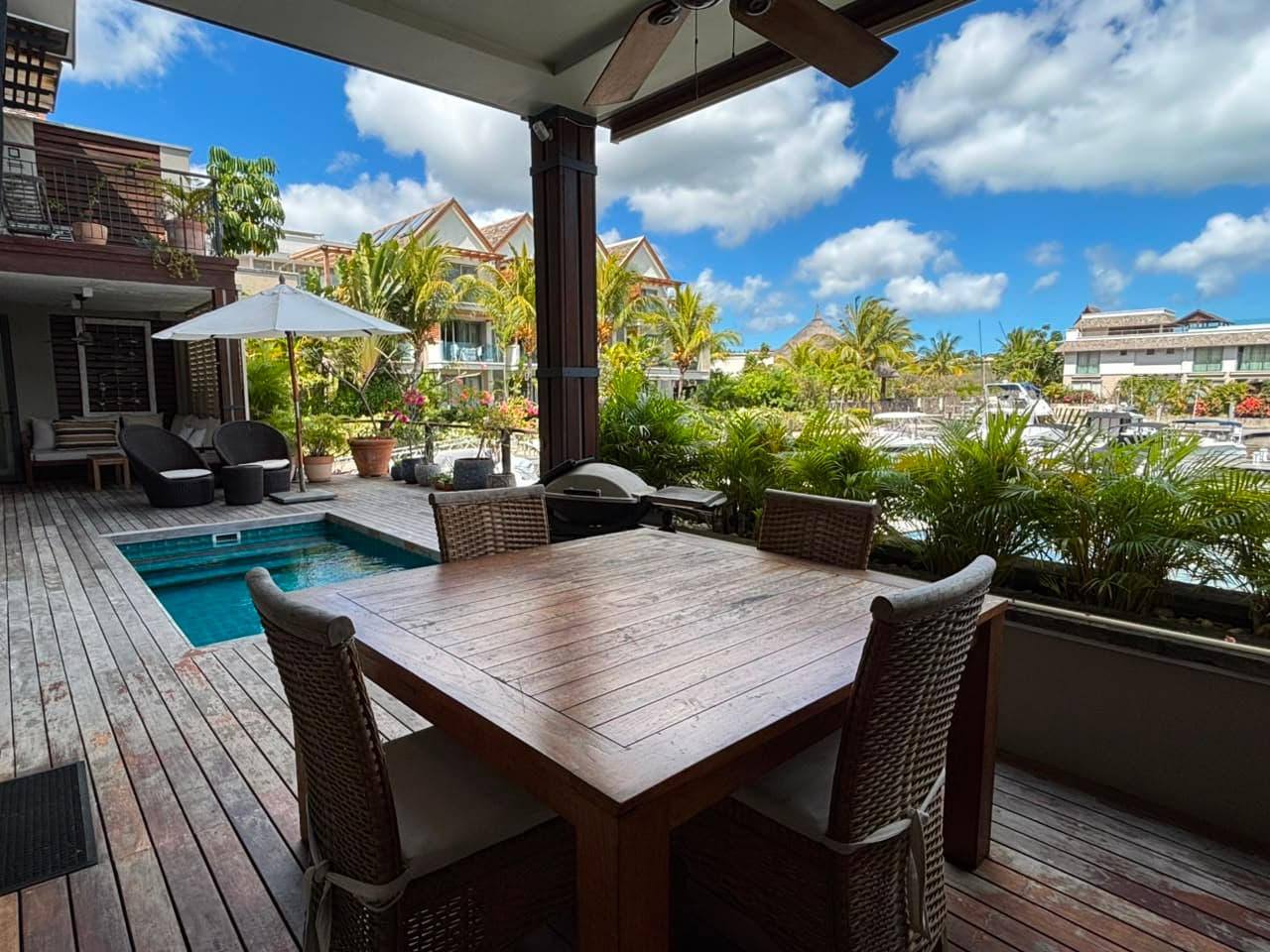
Riviere Noire · West

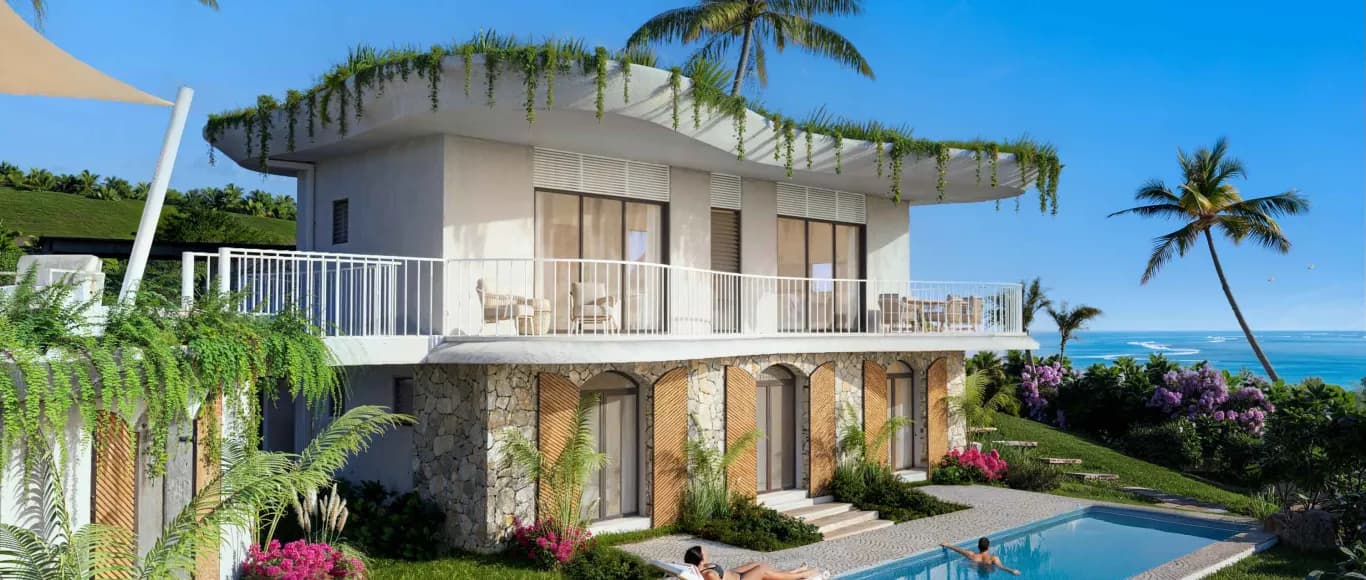
Tamarin · West

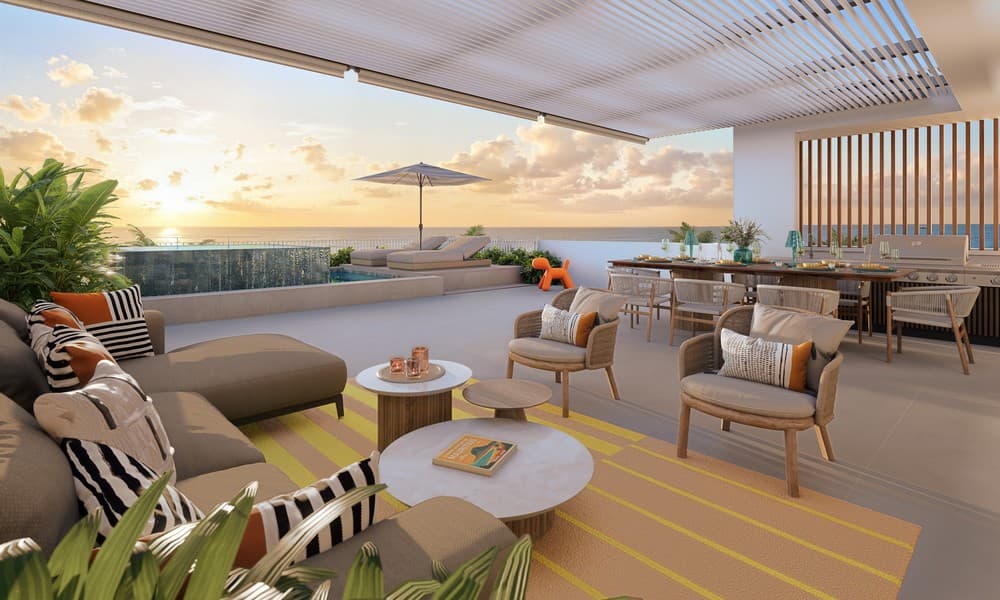
Baie du Cap · South
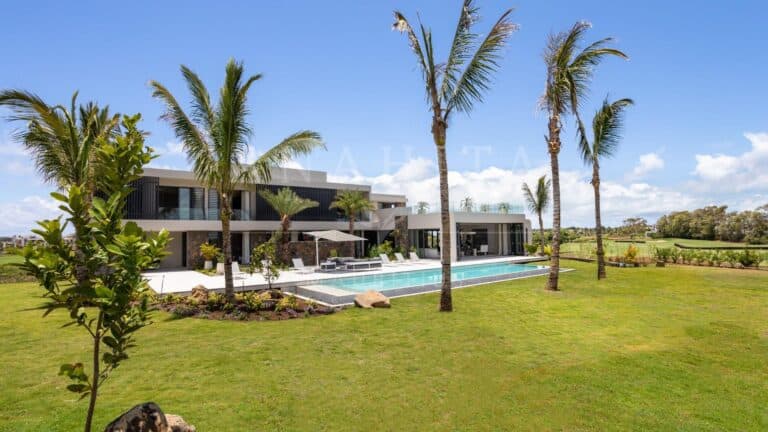
Tamarin · West
Beau Champ · East

Baie du Cap · South
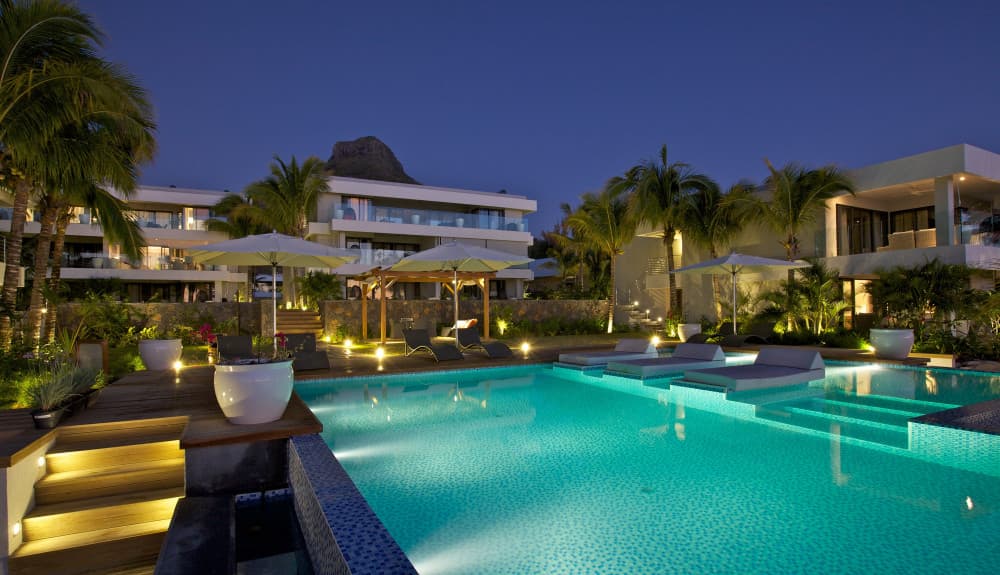
Riviere Noire · West
Explore by region
Explore the site
Market updates, buying guidance and the best new listings, straight to your inbox.
Market Report · 11 Jul 2026
Discover how Mauritius's luxury property market has evolved over the past decade, reshaping opportunities for HNW buyers and international…
Mauritius Real Estate · 22 Oct 2026
Browse apartments for sale and rent in Pereybere, Mauritius. Neighbourhood guide, buying tips, foreign ownership rules, and price expectations for…
Mauritius Real Estate · 22 Oct 2026
Discover which areas in Mauritius have the most affordable apartments to rent or buy, from Port Louis to Flacq, with practical tips for every budget.
Mauritius Real Estate · 22 Oct 2026
Everything you need to know about Plaine Magnien, Mauritius: location, lifestyle, amenities, property market and what it's like to live in this…
Mauritius Real Estate · 22 Oct 2026
Explore villa rental options in Mauritius by area, style, and budget. Understand the rental market, key locations, and what to expect before you sign.
Mauritius Real Estate · 21 Oct 2026
Discover Beaubassin, Mauritius: location, lifestyle, amenities, and property opportunities for buyers and renters in this quiet east-coast…
Browse our current listings or speak to an agent.