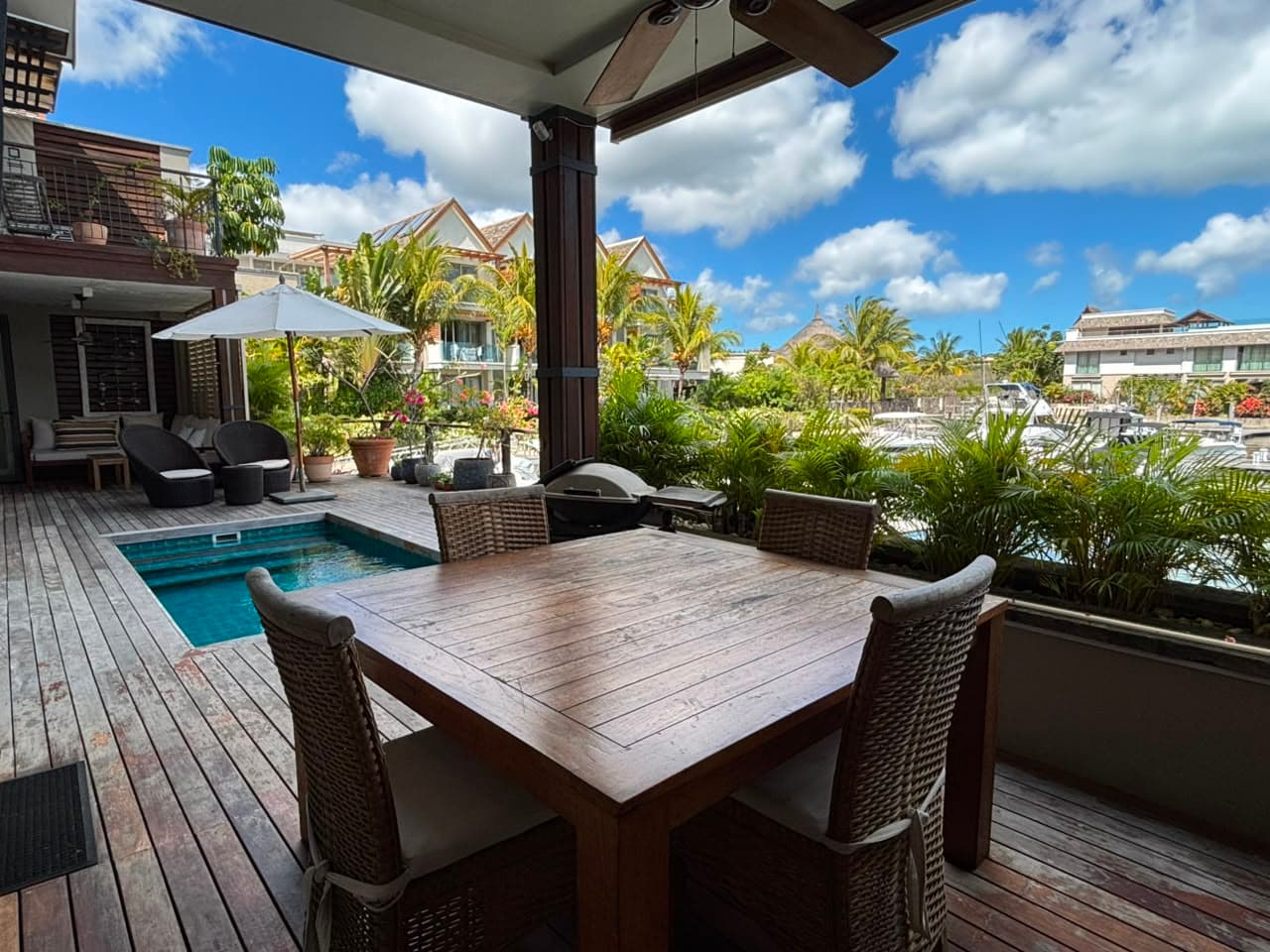
FOR RENTExpat
Rs450K/mo
Riviere Noire · West
Ultimate Marina Lifestyle – Luxury Waterfront Residence, Private Mooring & Boat
44

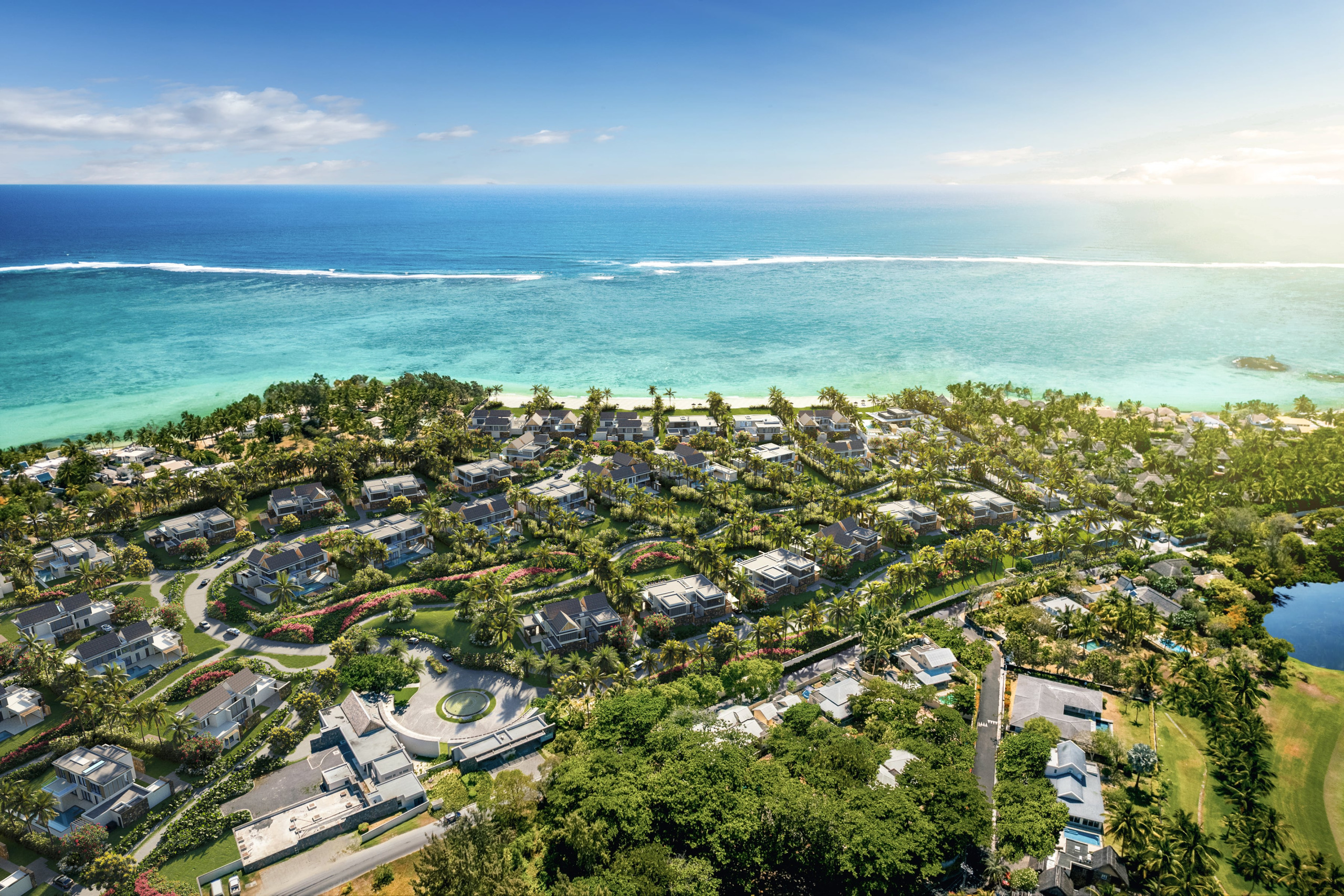
Discover how Mauritius's luxury property market has evolved over the past decade, reshaping opportunities for HNW buyers and international investors. Learn what's driving demand and reshaping the island's real estate landscape.
Over the past decade, Mauritius has firmly established itself as one of Africa's most coveted luxury property destinations. What was once a niche market has blossomed into a sophisticated, internationally recognised sector attracting high-net-worth individuals from across Europe, Asia, and the Middle East. Property values in prime coastal areas have appreciated by an average of 7–9% annually, with some flagship villa portfolios in Black River and Tamarin commanding year-on-year growth exceeding 12%.
This transformation reflects not merely fluctuating real estate prices, but a fundamental shift in buyer motivations, regulatory frameworks, and the island's positioning as a wealth-preservation and lifestyle destination. Today's Mauritius luxury market is characterized by discerning international clientele seeking more than a holiday home—they seek a diversified asset, a legacy investment, and a gateway to African opportunity.
The buyer profile has evolved dramatically. A decade ago, the majority of luxury purchasers were South African expatriates and British second-home seekers. Today's market is far more globally dispersed. French nationals remain strong participants, but we now see substantial demand from Russian, Chinese, Indian, and Emirati investors—each bringing distinct investment horizons and lifestyle expectations.
The age and lifecycle stage of buyers have also shifted. Previously, luxury villa acquisitions skewed toward retirees and semi-retired professionals. Now, we see a growing cohort of serial entrepreneurs and technology wealth creators in their 40s and 50s, seeking properties that serve simultaneously as primary residences, entertaining venues, and portfolio diversification assets.
Ten years ago, many buyers viewed Mauritius villas primarily as vacation retreats—places to enjoy Indian Ocean sunsets and world-class golf courses. This mindset has matured. Today's HNW buyers approach Mauritius property through a multi-lens framework:
This evolution reflects broader trends among ultra-high-net-worth individuals globally—a move away from speculative real estate toward curated, purposeful property ownership aligned with personal and financial objectives.
Perhaps no single factor has reshaped the Mauritius luxury market more than the clarification and expansion of residency and investment schemes. A decade ago, foreign buyers faced uncertainty regarding residency pathways and long-term property ownership rights. The landscape has transformed through three primary vehicles:
The Integrated Resort Scheme (IRS) permits foreign nationals to acquire property within designated resort zones—notably in Black River, Tamarin, and the south coast—without requiring local background or residency. Properties typically begin at €500,000 and offer elegant villas with resort-grade amenities, attracting buyers seeking security, managed environments, and guaranteed resale liquidity.
The Property Development Scheme (PDS) enables foreigners to purchase standalone luxury villas and apartments from pre-approved developers. With minimum investments typically ranging from €250,000 to €2 million+, PDS appeals to investors seeking freehold ownership in prime locations, coupled with a clear regulatory framework and investment certainty.
The Residence Programme (formerly RES) allows investors to secure residency status through property acquisition or financial commitments, facilitating long-term tax residency and personal mobility across the African continent.
These schemes have systematically de-risked foreign investment, transforming Mauritius from a destination governed by ad-hoc regulations into a jurisdiction with transparent, investor-friendly frameworks comparable to Monaco, the Cayman Islands, or Malta.
Price appreciation has not been uniform across Mauritius. The island's west coast—particularly Black River and Tamarin—has emerged as the clear luxury epicenter, with villa values appreciating substantially faster than the broader market. This concentration reflects several converging factors:
Black River and Tamarin offer dramatic mountain backdrops, protected anchorages for superyachts, and proximity to championship golf courses. Unlike the busier east coast (Grand Baie, Péreybère), these locations maintain exclusivity and tranquility while remaining connected to Mauritius's economic centre. Consequently, villa prices in Black River have climbed from an average of €2.5–3.5 million (2014) to €4.5–7+ million (2024) for premium beachfront and hillside properties.
Meanwhile, secondary and tertiary locations have seen more modest appreciation of 3–5% annually, creating a clear bifurcation between tier-one addresses and the broader market. This divergence rewards investors who acquire in prime locations early, but it also requires expert local knowledge to identify emerging micro-markets and justify price premiums to international buyers.
A significant shift in buyer preference has occurred. Ten years ago, beachfront dominance was absolute. Today, hillside and elevated properties command comparable or superior premiums, particularly in Black River. This reflects lifestyle changes—younger buyers now prioritize privacy, mountain views, cooling breezes, and protection from coastal storms over direct beach access. Many elite villas now feature infinity pools, spa facilities, and entertaining spaces that replicate beach-club experiences within private compounds.
One of the most significant market shifts has been the tightening of prime inventory. A decade ago, completing a portfolio of 10–15 luxury villas across Mauritius was feasible within a season. Today, sourcing five premier properties in Black River alone may take 18–24 months. This supply constraint reflects two factors: land scarcity and regulatory hurdles preventing rapid development.
Mauritius has strict environmental protections limiting coastal development. Combined with foreign ownership regulations, this creates genuine scarcity. The result is predictable—well-maintained, authentically luxurious properties appreciate steadily and attract serious, motivated buyers. Speculative or sub-standard listings stagnate, creating a market increasingly populated by quality properties and discerning purchasers.
Even during the COVID-19 pandemic and subsequent global volatility, Mauritius luxury property demonstrated remarkable resilience. While secondary markets experienced 5–10% corrections, prime Black River and Tamarin properties maintained values or continued appreciating—a testament to their safe-haven status among HNW individuals and their underlying scarcity.
This stability has attracted institutional interest. Family offices and alternative asset managers increasingly allocate capital to Mauritius property, viewing it as a stable, diversified holding within broader African and emerging-market strategies.
Mauritius's transformation over the past decade extends beyond property to island-wide infrastructure. Investment in airport facilities, road networks, healthcare, and hospitality has been substantial. The island now hosts world-class private clinics, international schools, and Michelin-starred dining venues—amenities now non-negotiable for HNW relocations.
Connectivity improvements—particularly increased direct flights from Europe and the Middle East—have reduced travel friction for part-time and visiting residents. Golf courses have expanded, with the championship Black River course and Tamarina Golf Club attracting international tournaments and elite memberships. This elevation of lifestyle infrastructure has broadened Mauritius's appeal beyond retirees to active, professionally engaged individuals seeking a balanced, enriched lifestyle.
Historical data suggests 6–8% annual appreciation for properties in prime locations (Black River, Tamarin) acquired at market-rate prices. However, returns should not be viewed solely through an IRR lens. Tax-efficient residency status, lifestyle utility, and portfolio diversification—often worth 2–4% in annual risk-adjusted value—are equally important. Properties acquired below market value or in emerging premium locations can appreciate 10%+ annually. We recommend a 7–10 year holding horizon to optimize returns while capturing both price appreciation and accumulated lifestyle benefit.
Mauritius imposes no capital gains tax on property sales, making it a tax-efficient jurisdiction for real estate transactions. However, foreign sellers may face modest transfer taxes and legal fees (typically 2–3% of transaction value). The IRS and PDS schemes offer additional certainty regarding ownership rights and resale pathways. We advise consulting a local tax advisor to optimize your specific situation, as individual residency status and your country of tax domicile may create additional considerations.
The luxury rental market has professionalized significantly. Premium villas in Black River and Tamarin now command €8,000–25,000+ per week during peak season (November–March), with year-round occupancy rates of 40–60% for well-managed properties. This rental income can offset carrying costs and improve overall returns. However, rental regulation and visa requirements for guests have become more stringent. Many HNW buyers now view rental income as a secondary benefit rather than a primary investment thesis, preferring personal use and occasional rentals. Professional property management is essential—we can connect you with vetted partners.
As we look forward, several trends will likely define the next decade. Sustainability-focused development, wealth migration from higher-tax jurisdictions, and Mauritius's positioning as a stable African gateway suggest continued robust demand. However, market maturation means that generic or poorly positioned properties will underperform, while exceptional villas in authentic locations—like Black River—will remain sought-after stores of value.
For HNW individuals and serious investors, Mauritius luxury property offers a compelling combination: authentic scarcity, regulatory clarity, tax efficiency, and lifestyle enrichment. But success requires expert guidance, market timing, and a clear investment thesis.
At Propertyfinder Limited, we specialise in positioning discerning clients within Mauritius's finest properties. Our decade of local expertise, international networks, and bespoke advisory services ensure that every transaction aligns with your wealth-building and lifestyle objectives.
If you are exploring Mauritius luxury property investment, let's connect. Contact Karen at karen@propertyfinder.mu or +230 460 4170 to arrange a confidential consultation. Visit propertyfinder.mu to explore our current portfolio.
Propertyfinder Limited: The professionals for buying luxury homes in Mauritius.
Hand-picked
Riviere Noire · West

Tamarin · West


Baie du Cap · South

Tamarin · West

Baie du Cap · South

Beau Champ · East
Explore by region
Explore the site
Market updates, buying guidance and the best new listings, straight to your inbox.
Market Report · 14 Jul 2026
Discover how Mauritius luxury property prices have evolved over the last decade and what experts project for the market ahead. Strategic insights…
Mauritius Real Estate · 19 Oct 2026
Explore real estate in Port Louis, Mauritius. Find houses for sale, apartments to rent, and expert guidance on buying property in the capital.
Mauritius Real Estate · 19 Oct 2026
Discover suburban property in Mauritius: top neighbourhoods, property types, buying rules for foreigners, and how to find the best listings outside…
Mauritius Real Estate · 19 Oct 2026
Everything foreign owners need to know about property management in Mauritius: services, costs, how to choose a manager, and what it means for your…
Mauritius Real Estate · 19 Oct 2026
Understand Mauritius's ethnic groups, languages and cultural mix before you relocate. A clear, factual guide for expats and international buyers.
Mauritius Real Estate · 19 Oct 2026
Explore beachfront houses in Mauritius. Learn where to find them, what they cost, how foreign buyers can purchase legally, and what to expect when…
Browse our current listings or speak to an agent.


