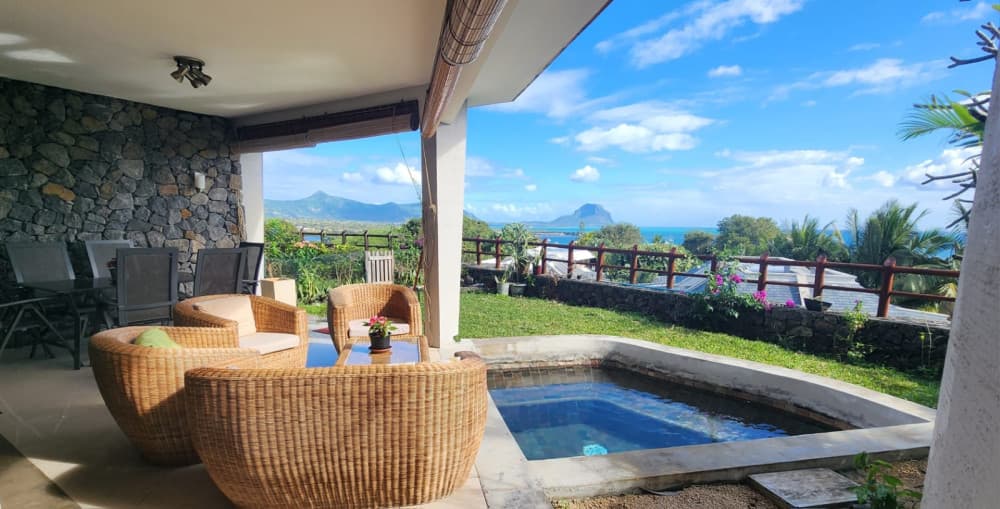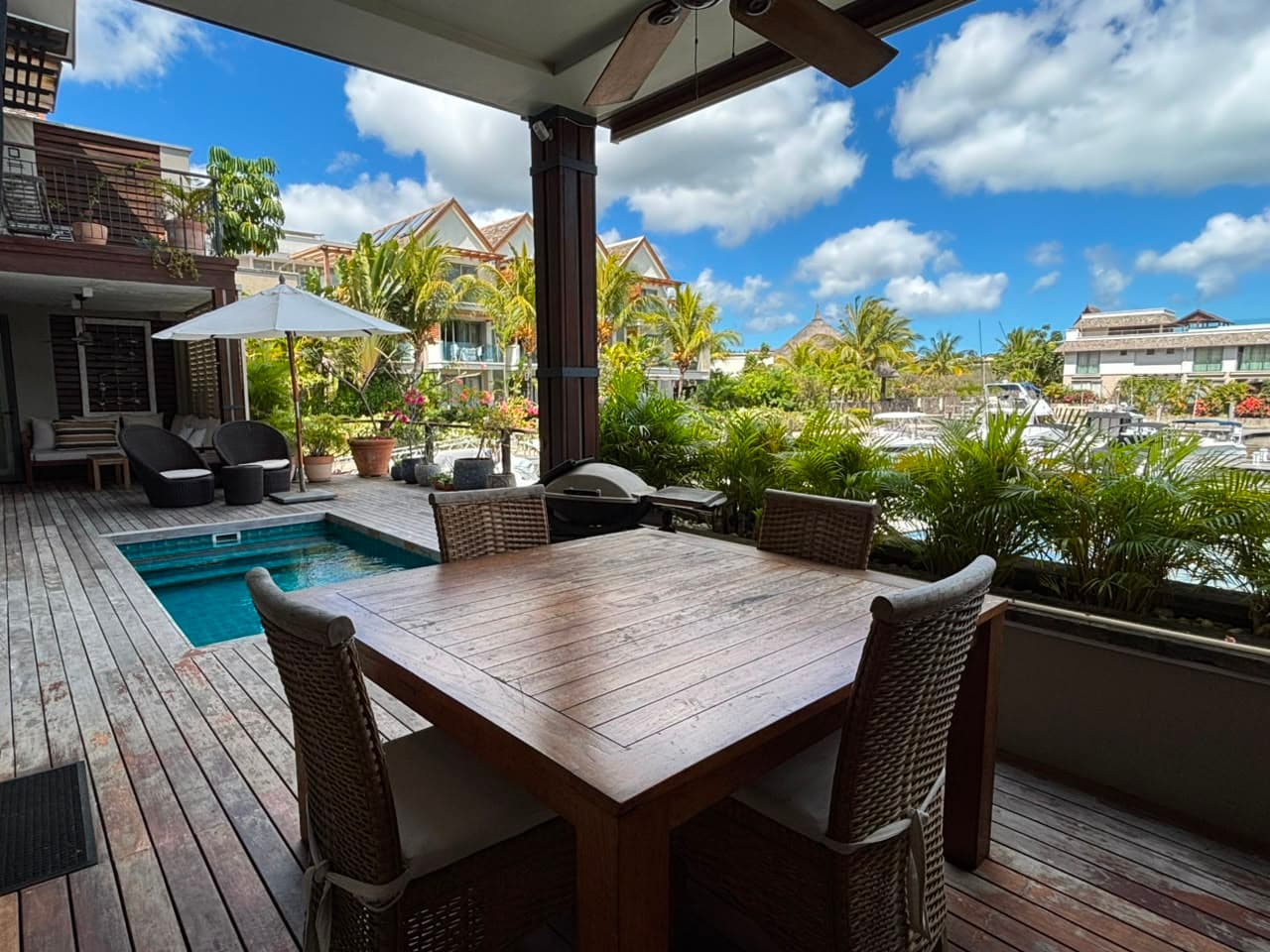
FOR RENTExpat
Rs450K/mo
Riviere Noire · West
Ultimate Marina Lifestyle – Luxury Waterfront Residence, Private Mooring & Boat
44


Mauritius offers one of Africa's most transparent and investor-friendly business environments, but making the most of its opportunities — from foreign property ownership schemes to double taxation treaties — requires knowing the rules of the game. This guide breaks down the key framewor…
Mauritius has long been one of the most compelling destinations in the world for foreign investors and expatriates — and for good reason. With its stable democracy, transparent legal framework, and a government that has consistently prioritised economic openness, the island offers a business environment that is genuinely rare in the African and Indian Ocean region. But like any market, it rewards those who arrive informed.
Mauritius consistently ranks among Africa's top performers in global business indices. The World Bank's Ease of Doing Business report has repeatedly placed the island in the top tier for the continent, reflecting its efficient company registration processes, robust intellectual property protections, and a judiciary grounded in both English common law and French civil law traditions — a combination that gives British and European investors a reassuring sense of legal familiarity.
The island's double taxation avoidance agreements (DTAAs) with over 45 countries, including the UK, France, Germany, and India, make it an extraordinarily attractive hub for holding companies, investment funds, and regional headquarters. For those considering property investment in Mauritius, these treaties also have direct implications for rental income and capital gains planning.
The Financial Services Commission (FSC) and the Bank of Mauritius provide credible regulatory oversight, and the country's financial sector — which includes global business companies, insurance, and fintech — is well-developed and internationally connected. Port Louis, the capital, punches well above its weight as a financial centre.
One of the most important things any prospective investor should understand is how foreign property ownership works in Mauritius. Historically restricted to Mauritian nationals, the property market was opened to foreigners through a series of government-approved schemes.
Today, non-citizens can purchase property through frameworks such as the Property Development Scheme (PDS), the Smart City Scheme, and the Ground+2 Scheme, which allow foreign buyers to own freehold property while also qualifying for a Mauritius Residence Permit when the investment meets the minimum threshold — currently set at USD 375,000.
These schemes are not merely administrative formalities. They represent a deliberate policy by the Mauritian government to attract high-net-worth individuals and their families, and the properties developed under them are typically premium villas, apartments, and beachfront residences developed to international standards.
No investment landscape is without its complexities, and intellectual honesty demands we address them.
Currency and repatriation risk is worth noting. While the Mauritian rupee is relatively stable and freely convertible, exchange rate fluctuations against the euro or pound can affect returns for foreign investors. Working with a reputable wealth management firm or forex specialist familiar with the Mauritius market is strongly advisable.
Due diligence on developers is essential. The booming property market has attracted a range of developers — some exceptional, others less so. Buyers should verify that any development is registered under the relevant scheme, approved by the Economic Development Board (EDB), and backed by a credible track record. Title searches and independent legal advice from a Mauritian notary or attorney are non-negotiable steps.
Regulatory changes are another consideration. Mauritius has, over the years, adjusted its global business and property ownership frameworks in response to international pressure — particularly from bodies like the OECD and FATF. While the government has managed these transitions competently, investors should remain alert to evolving rules around substance requirements and beneficial ownership reporting.
Finally, infrastructure and climate resilience deserve attention. Mauritius is a small island state exposed to cyclone risk, typically between November and April. Reputable developments are built to high engineering standards with this in mind, and property insurance specifically covering tropical weather events is both available and advisable.
Beyond the spreadsheets, it would be remiss not to acknowledge what makes Mauritius genuinely special. The quality of life — from world-class golf courses and marinas to international schools and private healthcare — is exceptional. The island's multicultural society is welcoming, English is widely spoken, and the pace of life offers a meaningful counterpoint to the pressures of European cities.
For British and European families making the move, the combination of a favourable tax environment (no capital gains tax, no inheritance tax, and a progressive income tax rate starting at 0% and rising to 35%), a sophisticated lifestyle, and physical beauty is a package that few destinations can match.
Navigating the Mauritius business and property landscape is entirely manageable with the right guidance — and the rewards for those who do it properly are substantial.
PropertyFinder Mauritius connects discerning buyers and investors with the island's finest properties, from beachfront villas to smart city apartments, with expert local knowledge at every step. Explore our listings today and let us help you find not just a property, but a new chapter.
Hand-picked
Riviere Noire · West

Baie du Cap · South

Tamarin · West

Baie du Cap · South
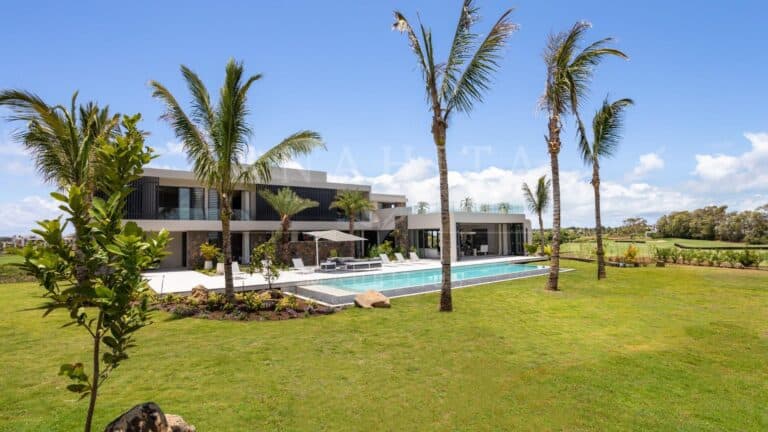
Beau Champ · East

Riviere Noire · West
Explore by region
Explore the site
Market updates, buying guidance and the best new listings, straight to your inbox.
About Mauritius · 28 Aug 2024
Mauritius is one of the safest islands in the Indian Ocean, but that doesn't stop savvy expats from seeking out martial arts and self-defense…
About Mauritius · 26 Aug 2024
Mauritius may be a small island, but its bookshops and online literary scene offer a surprisingly rich experience for expats and book lovers calling…
About Mauritius · 23 Aug 2024
From the UNESCO-listed heights of Le Morne Brabant to the vibrant streets of Grand Baie and the wild interior of Black River Gorges, Mauritius…
About Mauritius · 22 Aug 2024
The Mauritian Wildlife Foundation has spent four decades rescuing the island's rarest species and restoring its native ecosystems — and for those…
About Mauritius · 21 Aug 2024
The brilliantly coloured Mauritius day gecko is far more than a garden curiosity — as a native pollinator, seed disperser, and natural pest…
About Mauritius · 13 Aug 2024
Off the southwestern tip of Mauritius, an extraordinary optical illusion makes the Indian Ocean appear to cascade into an endless abyss — and a…
Browse our current listings or speak to an agent.