FOR SALEExpat
€1.0M
Baie du Cap · South
Bioclimatic Villa in Mauritius – 3-Bedroom Luxury Home with Private Pool
33

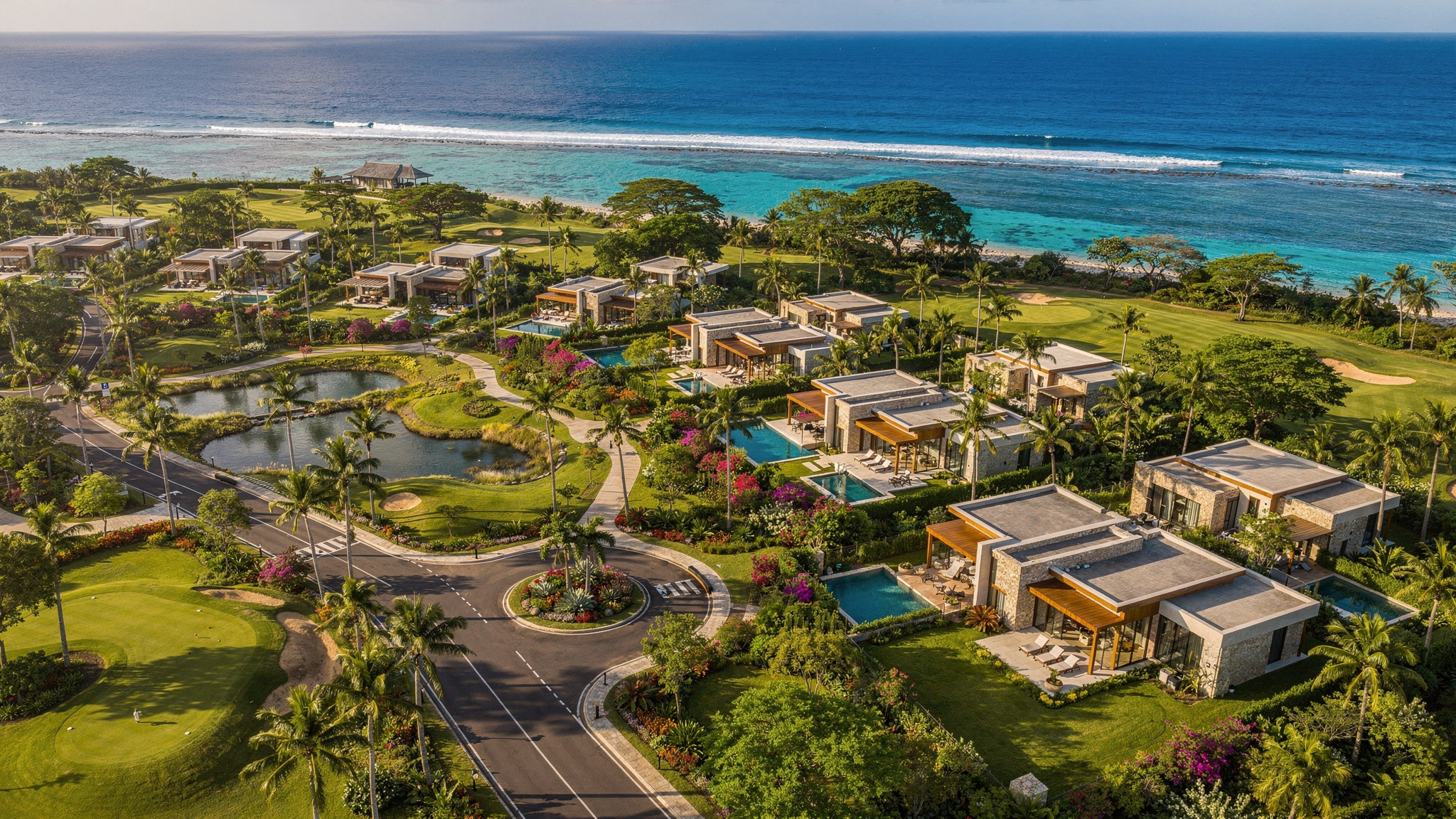
The Mauritius property market remains one of the Indian Ocean's strongest, offering foreign buyers legal ownership rights, residency incentives, and stable capital growth across sought-after coastal and urban locations.
The Mauritius property market is performing with quiet confidence. Demand from both local buyers and international investors — particularly from Europe, South Africa, and the Middle East — continues to outpace supply in prime coastal zones. Average prices for villas in the north and west of the island have risen steadily, with luxury properties in Grand Baie and Tamarin regularly transacting above USD 1 million, while more accessible apartments in Pereybère or Flic en Flac start from around USD 150,000. Rental yields in tourist-heavy areas typically range from 4% to 7% annually, making buy-to-let a genuinely attractive strategy.
Yes — and the legal framework is clearer than many buyers expect. Foreign nationals can purchase real estate in Mauritius through two main government-approved schemes:
Outside these schemes, foreigners cannot purchase freehold land or standalone villas — a restriction that keeps speculative land banking in check and protects the local market's integrity.
The north coast remains the most cosmopolitan corner of the island. Grand Baie offers a lively marina, international restaurants, and strong short-term rental demand, making it the top choice for investors targeting holiday-let income. Nearby Pereybère and Cap Malheureux appeal to buyers seeking a quieter pace without sacrificing accessibility.
The west coast — anchored by Tamarin and Black River — has transformed into a lifestyle hub popular with families and remote workers. Golf estates such as Tamarina and Avalon attract buyers who want space, greenery, and ocean views within a secure community. Prices here have appreciated sharply over the past three years.
Beau Plan Smart City near Pamplemousses is one of the most ambitious urban projects on the island, offering modern apartments and commercial space with strong infrastructure. The north-east corridor around Roches Noires is also gaining traction, with new PDS developments catering to buyers who want seclusion and value.
The capital and its satellite business district Ebène drive demand for long-term rental apartments from corporate tenants and expats. Yields here are consistent, and vacancy rates remain low thanks to the steady influx of professionals relocating for work.
Mauritius is deliberately tax-friendly for property investors. There is no capital gains tax, no inheritance tax, and no wealth tax. Registration duty for foreign buyers under approved schemes is 5% of the purchase price. Legal fees, notary costs, and agency commissions typically add a further 2%–3%. Annual property taxes are minimal compared to most European or African jurisdictions, making the total cost of ownership genuinely competitive.
The fundamentals are sound. Political stability, a robust legal system rooted in English and French law, a strong rupee pegged loosely to a basket of currencies, and growing air connectivity all support long-term confidence. The government's continued investment in infrastructure — including the Metro Express rail network and expanded airport capacity — is opening up new corridors for development. For buyers willing to hold for five years or more, Mauritius offers a rare combination of lifestyle return and financial return in a single asset.
Ready to explore your options? Contact our team at PropertyFinder Mauritius to arrange a viewing or ask any questions about buying in Mauritius. You can also browse our full range of current listings at property for sale in Mauritius and find the right home or investment for your goals.
Hand-picked
Baie du Cap · South

Tamarin · West

Riviere Noire · West

Beau Champ · East

Riviere Noire · West

Baie du Cap · South
Explore by region
Explore the site
Browse our current listings or speak to an agent.