FOR RENTExpat
Rs450K/mo
Riviere Noire · West
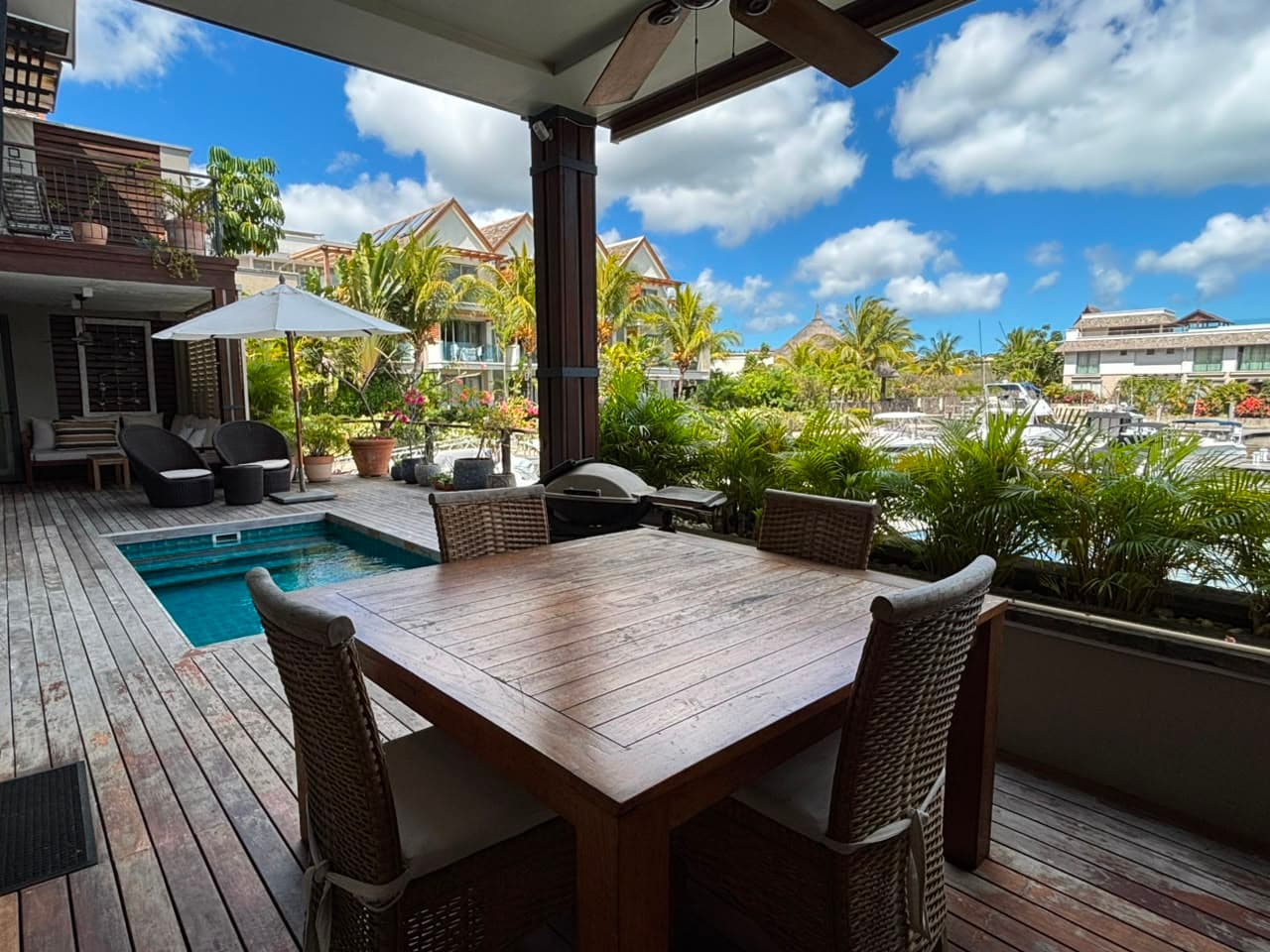
Ultimate Marina Lifestyle – Luxury Waterfront Residence, Private Mooring & Boat
44

A complete guide to Mauritius real estate: buying, renting, market trends, new construction, and the most affordable areas for flats and houses.
Mauritius real estate covers a broad spectrum of property types, price points, and legal frameworks, from luxury villas on the west coast to affordable apartments in the central highlands and commercial units in Port Louis. Whether you are a foreign investor evaluating purchase options, a relocating professional searching for a rental, or a landlord in Mauritius looking to understand your obligations, the market is well-structured and increasingly transparent. This guide gives you a factual, up-to-date picture of what the market looks like today and where it is heading.
Real estate trends in Mauritius over the past three years point to steady demand, particularly in the residential segment. Several patterns are worth noting:
Port Louis is the capital and commercial hub of Mauritius. Renting a house in Port Louis suits professionals working in finance, government, or the port sector. Typical monthly rents for a three-bedroom house in a central Port Louis neighbourhood range from MUR 35,000 to MUR 70,000, depending on condition, security, and parking. Properties closer to the waterfront or within gated compounds sit at the higher end. The rental market here is active year-round because demand is driven by employment rather than seasonality.
A townhouse in Mauritius offers a middle ground between a standalone villa and a flat: more space than an apartment, lower maintenance than a large garden property, and often located within a managed estate with shared security. Townhouse rentals are common in Tamarin, Riviere Noire, and Moka, with monthly rents typically ranging from MUR 40,000 to MUR 90,000 for a two or three-bedroom unit in a well-maintained estate. Many expatriate families prefer this format because it combines privacy with community infrastructure.
Flats for rent in Mauritius are the most accessible entry point for individuals and couples relocating for work. The widest selection of affordable flats sits in Quatre Bornes, Rose Hill, Curepipe, and the Ebene corridor. A one-bedroom flat in these areas typically rents for MUR 15,000 to MUR 28,000 per month. Two-bedroom flats in the same zones range from MUR 22,000 to MUR 45,000. Coastal locations such as Grand Baie, Flic en Flac, and Trou aux Biches command a premium, with comparable units often 30 to 50 percent more expensive.
For buyers and renters with a tighter budget, the following areas consistently offer lower price points without sacrificing urban amenities:
For buyers, apartment prices in these inland areas can start from MUR 2.5 million for a modest two-bedroom unit, compared to MUR 6 million or more for equivalent coastal stock.
New construction activity in Mauritius is concentrated in three categories:
Smart City developments such as Moka City, Cap Tamarin, and Bagatelle are large-scale, mixed-use projects approved under the Smart City Scheme. They include residential units (apartments, townhouses, and villas), office space, retail property, schools, and healthcare facilities within a single planned environment. Foreign nationals can purchase units within Smart Cities without a minimum investment threshold for residence permit purposes, though individual project rules vary.
PDS and IRS estates continue to be developed along the north and west coasts. These are gated residential communities with shared amenities, designed primarily for the premium buyer segment. New launches in 2024 and 2025 have focused on smaller villa plots and apartment clusters within larger PDS estates, reflecting demand for lower-maintenance ownership.
Local residential projects aimed at the domestic and mid-market expatriate segment are emerging in Moka, Ebene, and Pamplemousses. These typically offer two and three-bedroom apartments at prices accessible to locally employed professionals and are not subject to PDS or Smart City regulations.
Retail property in Mauritius is a distinct and growing segment. The main retail corridors are:
Commercial lease terms in Mauritius are typically three to five years, with rent reviews built into the contract. Foreign investors can own commercial property in Mauritius under certain conditions, though the legal framework differs from residential foreign ownership rules. Taking local legal advice before signing a commercial lease or purchase agreement is essential.
A landlord in Mauritius operates under the Landlord and Tenant Act, which governs residential leases. Key points for landlords to understand:
Foreign nationals who own property under PDS or Smart City schemes and rent it out should confirm whether their scheme approval permits short-term or long-term letting, as conditions vary by project.
Mauritius real estate offers genuine diversity: affordable inland apartments, coastal rentals, new mixed-use developments, commercial units, and internationally accessible investment schemes. Understanding which segment fits your goals, whether you are renting a flat in Quatre Bornes, purchasing a townhouse in Tamarin, or evaluating retail space in Bagatelle, starts with knowing the market's structure. The legal frameworks are clear and the market is well-documented. Taking time to research areas, price benchmarks, and applicable regulations before committing puts you in a strong negotiating position.
Yes. Foreign nationals can rent residential or commercial property in Mauritius without restriction. There are no permit requirements specifically for renting. A valid passport and a signed lease agreement are the standard requirements.
Curepipe, Rose Hill, Quatre Bornes, and Vacoas consistently offer the lowest rents for flats in Mauritius. One-bedroom flats in these areas typically start from MUR 15,000 per month.
Foreign buyers can purchase within PDS (Property Development Scheme) estates, Smart City developments, and certain IRS (Integrated Resort Scheme) projects. Smart City units have no minimum purchase price for residency purposes, while PDS purchases of USD 375,000 or more qualify the buyer for a Mauritian residence permit.
Yes. Rental income is taxable in Mauritius for both residents and non-residents. Non-resident landlords pay tax on Mauritius-sourced rental income at the applicable flat rate. Registration with the Mauritius Revenue Authority is required.
Commercial lease rates vary significantly by location. Prime retail space in Bagatelle or the Port Louis waterfront can reach MUR 150 to MUR 300 per square foot per month, while secondary locations in provincial towns are considerably lower. Lease terms are typically three to five years.
A townhouse in Mauritius is a multi-floor unit, often within a gated estate, with more living space and sometimes a small private garden. Flats are typically single-floor units in apartment buildings. Townhouses generally cost more to rent but offer greater privacy and are common in suburban and coastal areas.
A landlord in Mauritius must provide a habitable property, return the security deposit at the end of tenancy (minus legitimate deductions), follow legal eviction procedures, and declare rental income to the Mauritius Revenue Authority. Written lease agreements, while not always legally required, are strongly recommended.
Hand-picked
Riviere Noire · West

Baie du Cap · South
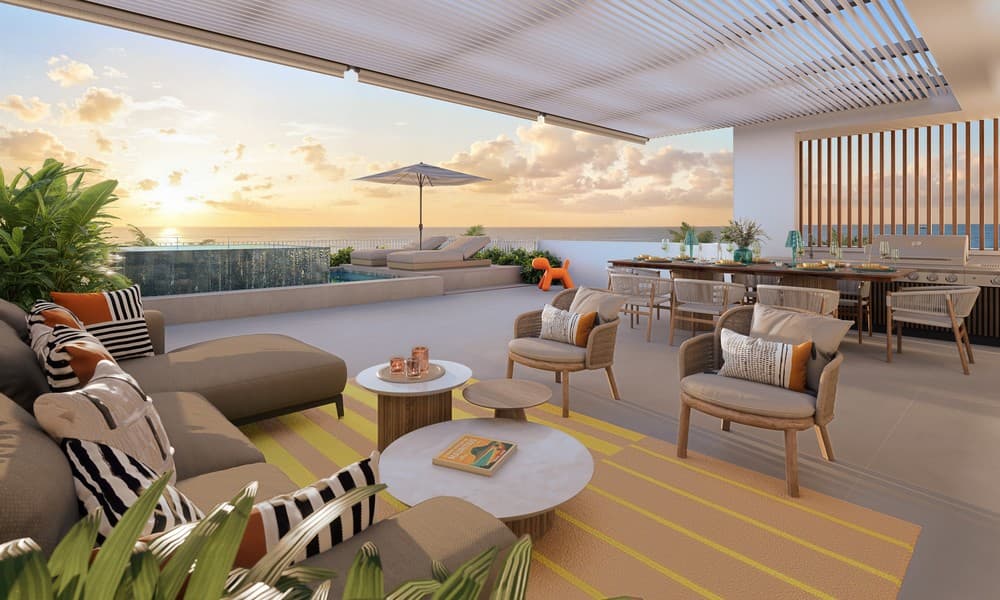
Tamarin · West

Baie du Cap · South
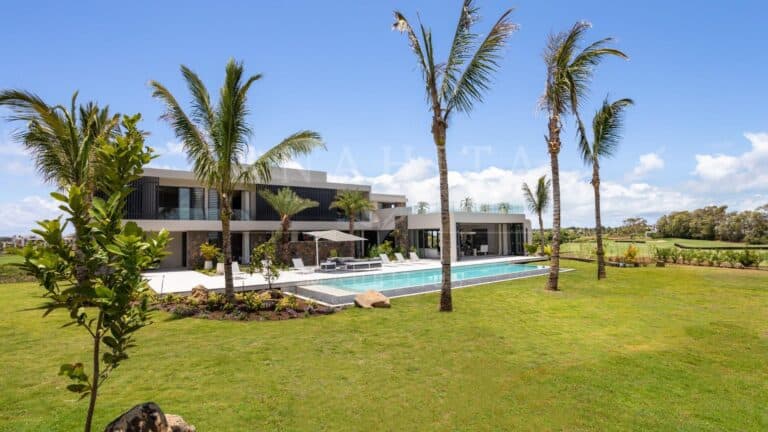
Beau Champ · East

Riviere Noire · West
Explore by region
Explore the site
Market updates, buying guidance and the best new listings, straight to your inbox.
Mauritius Real Estate · 14 Oct 2026
Everything you need to know about house rental in Mauritius: costs, locations, lease rules, and how to find the right property. Updated guide for…
Mauritius Real Estate · 13 Oct 2026
Where to find a business park in Mauritius, what leasing or buying costs, and how foreign companies set up. Covers Ebène, Grand Baie, Pailles and…
Mauritius Real Estate · 12 Oct 2026
A practical guide to business insurance in Mauritius for property owners, landlords, and investors. Covers key cover types, costs, and what to check…
Mauritius Real Estate · 10 Oct 2026
Everything you need to know about getting a skipper license in Mauritius, from exam requirements to costs, plus how it connects to waterfront living.
Mauritius Real Estate · 9 Oct 2026
Find bungalows for rent in Mauritius: coastal, urban, and waterfront options explained, with inspection tips and neighbourhood comparisons.
Mauritius Real Estate · 9 Oct 2026
Explore the business park in Mauritius Riviere Noire, commercial real estate options, waterfront property, and financing routes for foreign buyers.
Browse our current listings or speak to an agent.