FOR RENTExpat
Rs450K/mo
Riviere Noire · West
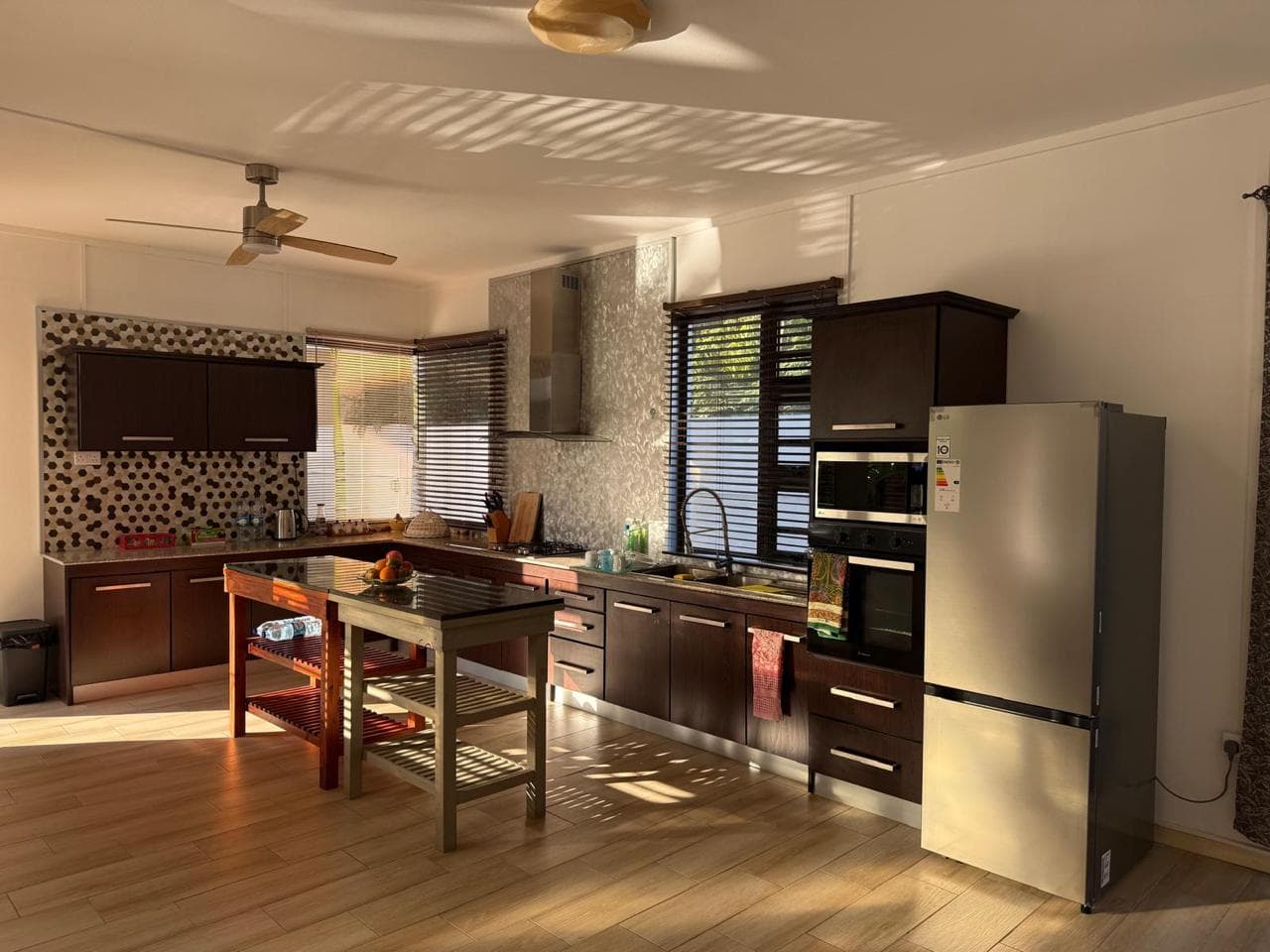
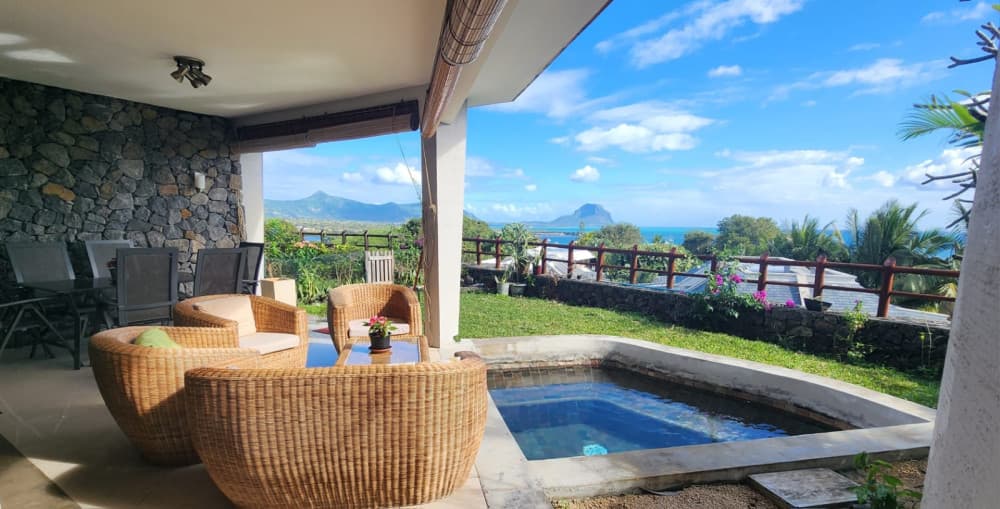
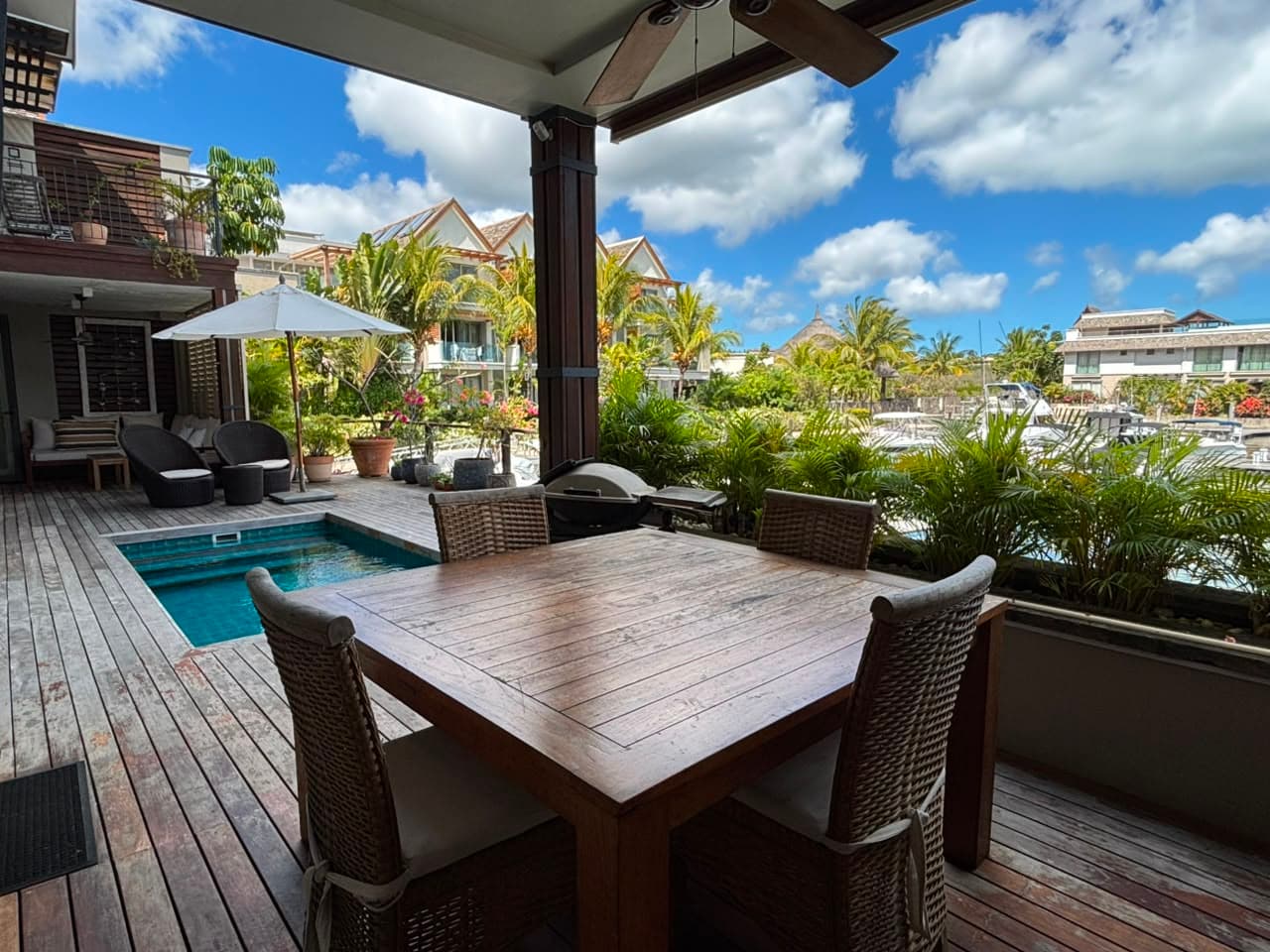
Ultimate Marina Lifestyle – Luxury Waterfront Residence, Private Mooring & Boat
44


Mauritius's stunning coral reefs, mangroves, and coastal ecosystems face real pressure during the South-West Indian Ocean cyclone season — but understanding nature's power here is part of what makes living and investing on the island such a richly informed choice. This article explores …
Mauritius is, by almost every measure, a paradise. Its turquoise lagoons, fringing coral reefs, and lush coastal forests have drawn travellers, nature lovers, and discerning property buyers from across Europe and beyond. But this island nation sits squarely within the South-West Indian Ocean cyclone belt, and every year — typically between November and April — the threat of tropical storms serves as a powerful reminder that nature here operates on its own terms.
Understanding the environmental impact of cyclones isn't simply an academic exercise. For those who live here, invest here, or are considering making Mauritius their home, it offers essential context about the island's ecology, its resilience, and the extraordinary natural systems that make coastal living so compelling.
The coral reefs encircling Mauritius are among the most biodiverse marine ecosystems in the Indian Ocean, supporting over 160 species of coral and more than 1,500 species of marine life. They are also among the most vulnerable to cyclone activity.
When a powerful cyclone passes over or near the island, the physical force of the storm generates wave surges that can snap coral branches, overturn massive coral heads, and scatter reef structures that have taken decades to form. Acropora corals — the branching, fast-growing species so vital to reef biodiversity — are particularly susceptible. Storm surges can also deposit sediment over living coral, blocking the sunlight essential for the symbiotic algae (zooxanthellae) that give coral its colour and energy.
Cyclone Freddy in early 2023, which tracked unusually close to Mauritius, offered a sobering case study. Marine biologists from the Albion Fisheries Research Centre reported measurable reef damage along parts of the west and south-west coastline — areas that happen to also be among the most sought-after for luxury villa development and waterfront living.
The impact of cyclones extends well beyond the reef line. Mangrove forests, which serve as critical nurseries for juvenile fish and act as natural coastal buffers, can be severely damaged by high winds and storm surge inundation. Mauritius has limited mangrove coverage — found primarily around Tamarin Bay, the Black River Estuary, and parts of the northern coastline — making each stand ecologically precious.
Seagrass meadows, which lie in the shallow lagoons and provide feeding grounds for species including the endangered green sea turtle (Chelonia mydas), are vulnerable to uprooting and sedimentation following storms. The recovery of these meadows can take years, disrupting the food chains that support the island's marine biodiversity.
Shorebirds nesting along the coast — including the endemic Mauritius kestrel and various seabird colonies on offshore islets — can also experience significant disruption to breeding cycles during severe storm seasons.
The encouraging reality is that Mauritius has invested seriously in understanding and protecting its marine environment. The Blue Bay Marine Park in the south-east, home to one of the finest coral ecosystems in the region, operates under a management framework designed to limit human pressures and give the reef the best possible chance of natural recovery after storm events.
Organisations such as the Reef Conservation NGO and the government's Fisheries and Marine Resources Authority conduct regular reef health assessments and run active coral restoration programmes — including coral gardening initiatives where fragments are cultivated in underwater nurseries before being transplanted onto damaged sections of reef.
For the coastal communities and property owners of Mauritius, these conservation efforts carry a deeply practical significance. Healthy reefs dissipate wave energy, protecting coastlines from erosion. Intact mangroves reduce flood risk. The very natural assets that make properties along the Grand Bay, Tamarin, or Le Morne coastlines so desirable are the same systems that require active stewardship.
For British and European buyers considering property in Mauritius, cyclone resilience is a factor worth examining thoughtfully — not as a deterrent, but as part of an informed decision. Modern construction standards on the island are specifically engineered to withstand Category 3 cyclones, and the cyclone warning system managed by the Mauritius Meteorological Services is highly sophisticated, giving residents ample time to prepare.
Many of the most prestigious coastal developments are situated in naturally sheltered bays or behind robust reef systems that significantly reduce wave exposure. Increasingly, environmentally conscious developers are incorporating sustainable landscaping — native coastal vegetation, permeable surfaces, and mangrove buffer zones — that contributes to both ecological health and property resilience.
Living in Mauritius means living in genuine relationship with a powerful natural environment. The same ocean that delivers those extraordinary sunsets and world-class snorkelling also generates the storms that periodically test the island's ecosystems. That tension is part of what makes this place extraordinary — and understanding it only deepens one's appreciation for the natural world here.
Thinking about making Mauritius your home or investment destination? At PropertyFinder Mauritius, we connect discerning buyers with the finest coastal and inland properties on the island, with expert guidance on location, lifestyle, and long-term value. Explore our listings today and take the first step towards island living done right.
Hand-picked
Riviere Noire · West

Baie du Cap · South
Tamarin · West

Baie du Cap · South
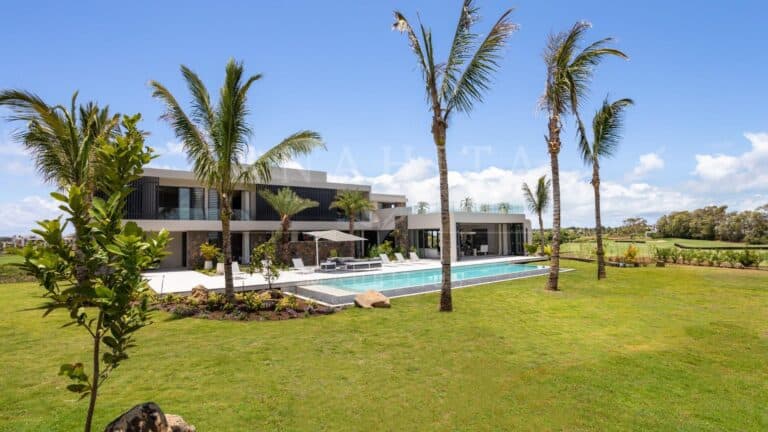
Beau Champ · East
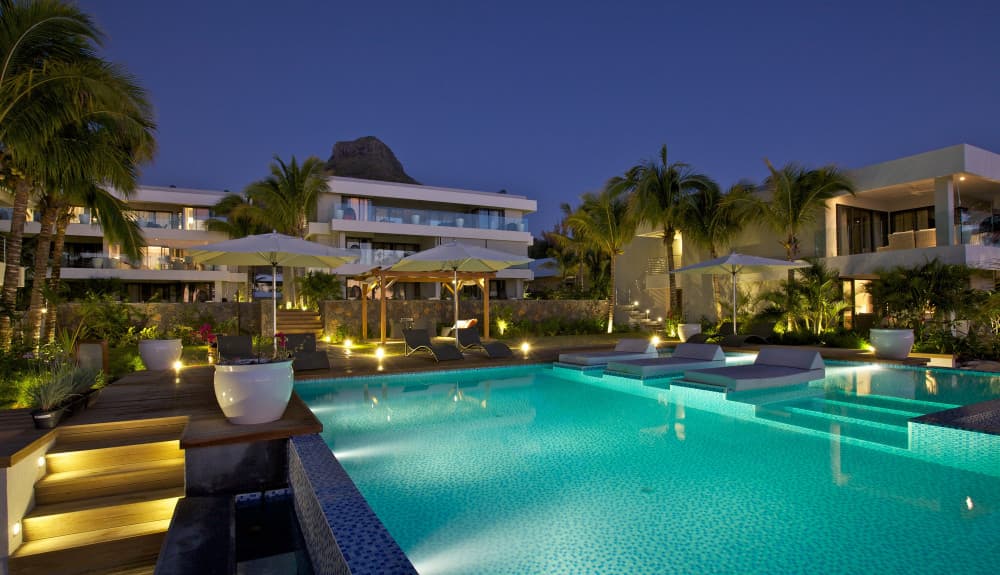
Riviere Noire · West
Explore by region
Explore the site
Market updates, buying guidance and the best new listings, straight to your inbox.
About Mauritius · 28 Aug 2024
Mauritius is one of the safest islands in the Indian Ocean, but that doesn't stop savvy expats from seeking out martial arts and self-defense…
About Mauritius · 26 Aug 2024
Mauritius may be a small island, but its bookshops and online literary scene offer a surprisingly rich experience for expats and book lovers calling…
About Mauritius · 23 Aug 2024
From the UNESCO-listed heights of Le Morne Brabant to the vibrant streets of Grand Baie and the wild interior of Black River Gorges, Mauritius…
About Mauritius · 22 Aug 2024
The Mauritian Wildlife Foundation has spent four decades rescuing the island's rarest species and restoring its native ecosystems — and for those…
About Mauritius · 21 Aug 2024
The brilliantly coloured Mauritius day gecko is far more than a garden curiosity — as a native pollinator, seed disperser, and natural pest…
About Mauritius · 13 Aug 2024
Off the southwestern tip of Mauritius, an extraordinary optical illusion makes the Indian Ocean appear to cascade into an endless abyss — and a…
Browse our current listings or speak to an agent.