FOR RENTExpat
Rs450K/mo
Riviere Noire · West
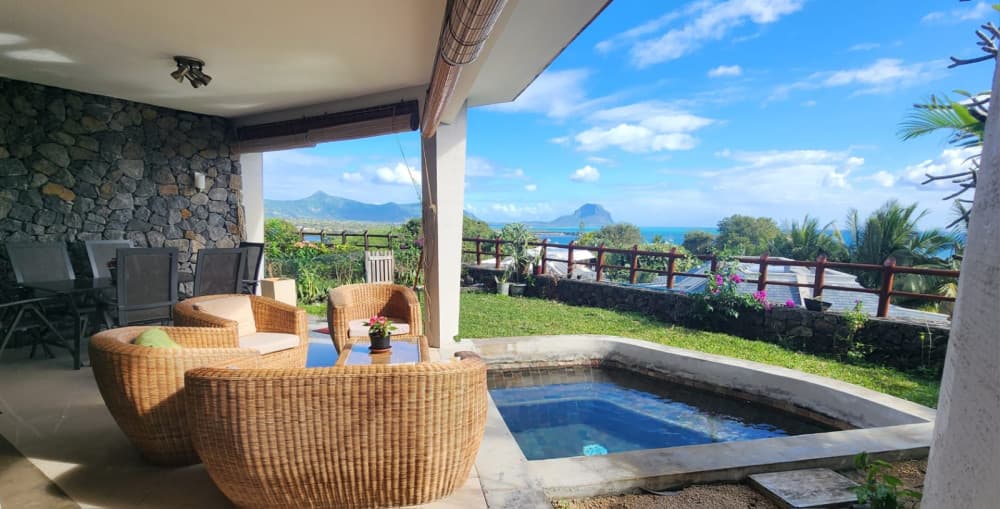
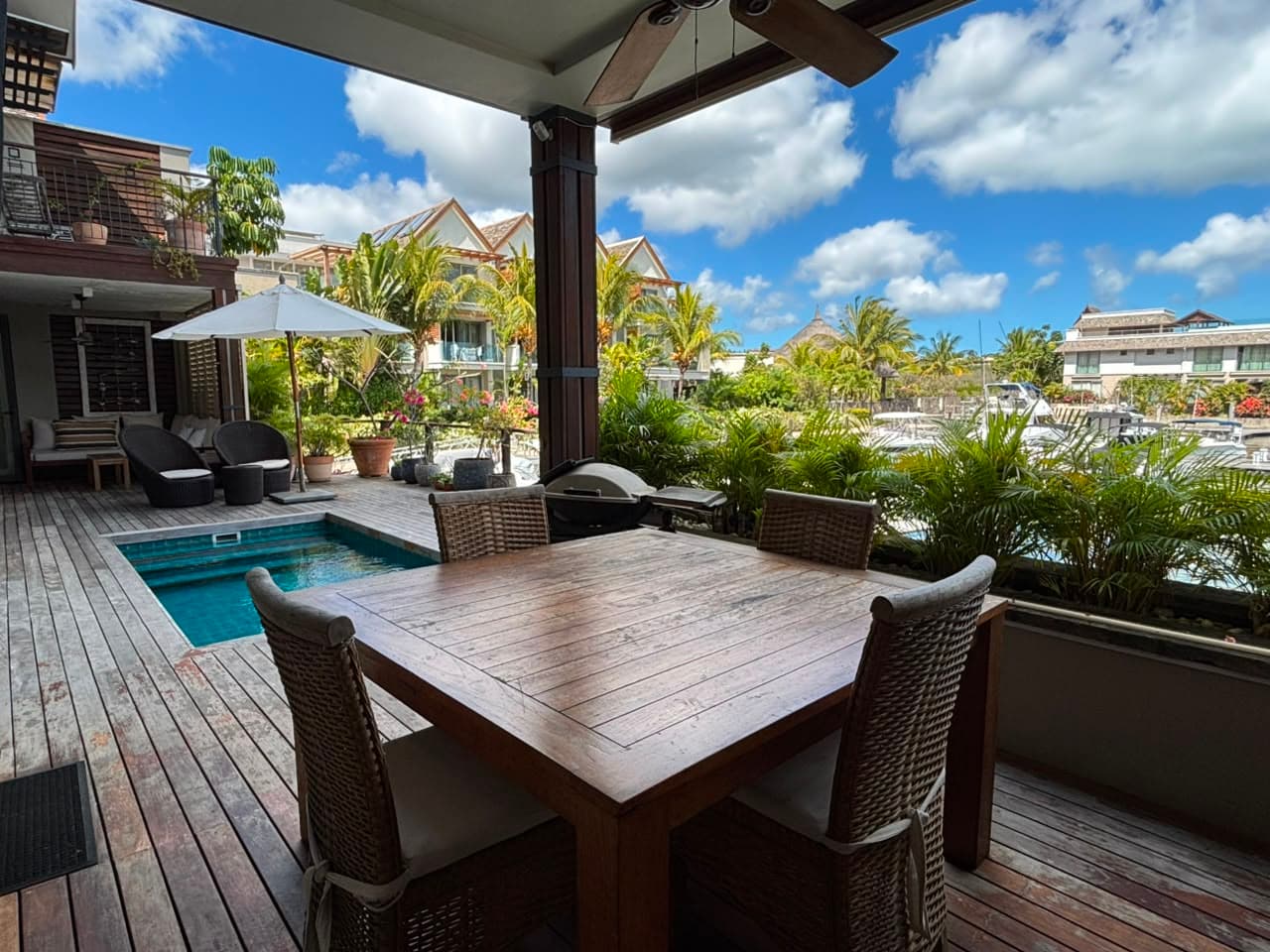
Ultimate Marina Lifestyle – Luxury Waterfront Residence, Private Mooring & Boat
44


Cyclone season in Mauritius runs from November to May, but with one of the Indian Ocean's most reliable warning systems and a strong culture of cyclone-resistant construction, the island is far better prepared than most. Here's everything expats and property investors need to know to st…
For those dreaming of a life in Mauritius — whether as a permanent resident, a second-home owner, or a long-term investor — the island's natural beauty is undeniable. But like any tropical paradise, Mauritius comes with its own set of seasonal rhythms, and understanding cyclone season is an essential part of living or investing here wisely.
Far from being a reason to hesitate, knowing the facts about cyclones in Mauritius actually reinforces confidence in the island. The country has a well-established warning system, a resilient housing culture, and decades of experience managing these natural events with impressive efficiency.
Cyclone season in Mauritius runs from November to May, with the peak risk period falling between January and March. During these months, tropical storms can develop in the South-West Indian Ocean and occasionally make their way towards the island. However, it's worth keeping perspective: a cyclone making direct landfall on Mauritius is a relatively rare event. The island experiences far more near-misses and peripheral effects — strong winds, heavy rainfall, and choppy seas — than it does direct strikes.
On average, Mauritius is significantly affected by a cyclone only once every few years. The last truly destructive cyclone to make direct landfall was Cyclone Hollanda in 1994, though storms such as Cyclone Berguitta (2018) and Cyclone Freddy (2023) brought sustained heavy rain and wind gusts that disrupted daily life for short periods.
One of the most reassuring aspects of cyclone preparedness in Mauritius is the Mauritius Meteorological Services (MMS) warning system. It operates on a four-class alert structure:
This system is broadcast regularly on Radio Plus, Radio One, and MBC TV, and alerts are pushed via social media and mobile networks. For expats and property owners, downloading the MeteoMaurice app is highly recommended — it provides real-time updates directly from the national meteorological service.
For those considering property investment in Mauritius, this is particularly relevant. The island's building codes have evolved significantly over decades of cyclone experience. Modern residential developments — especially the Integrated Resort Schemes (IRS), Property Development Schemes (PDS), and Smart City projects that attract foreign buyers — are constructed to rigorous cyclone-resistant standards.
Think reinforced concrete structures, impact-resistant windows, and robust roofing systems designed to withstand winds well above typical cyclone speeds. Reputable developers in Mauritius invest heavily in structural resilience, which is one reason why high-end properties on the island hold their value so well.
If you're purchasing an older villa or a resale property, it's advisable to commission a structural survey and check that roofing, shutters, and drainage systems are in good condition ahead of the November start of season.
Whether you're a full-time resident or visiting your holiday home, a little preparation goes a long way:
It's important not to overstate the disruption. For most residents, cyclone season passes with little more than a handful of rainy weekends and the occasional school closure. The island bounces back quickly — within hours of an all-clear, beaches are swept, roads are cleared, and the Mauritian joie de vivre reasserts itself with characteristic resilience.
For expats and international property owners, cyclone season is simply one of the rhythms of island life — something to be understood and respected, not feared. The rewards of living in Mauritius — the climate, the community, the ocean, the lifestyle — remain exceptional year-round.
Thinking about making Mauritius your home or investment base? PropertyFinder Mauritius connects discerning buyers with the island's finest properties, from cyclone-resilient villas on the west coast to contemporary apartments in thriving Smart Cities. Browse our curated listings or speak with our expert team today.
Hand-picked
Riviere Noire · West
Baie du Cap · South

Tamarin · West
Baie du Cap · South

Beau Champ · East

Riviere Noire · West
Explore by region
Explore the site
Market updates, buying guidance and the best new listings, straight to your inbox.
About Mauritius · 28 Aug 2024
Mauritius is one of the safest islands in the Indian Ocean, but that doesn't stop savvy expats from seeking out martial arts and self-defense…
About Mauritius · 26 Aug 2024
Mauritius may be a small island, but its bookshops and online literary scene offer a surprisingly rich experience for expats and book lovers calling…
About Mauritius · 23 Aug 2024
From the UNESCO-listed heights of Le Morne Brabant to the vibrant streets of Grand Baie and the wild interior of Black River Gorges, Mauritius…
About Mauritius · 22 Aug 2024
The Mauritian Wildlife Foundation has spent four decades rescuing the island's rarest species and restoring its native ecosystems — and for those…
About Mauritius · 21 Aug 2024
The brilliantly coloured Mauritius day gecko is far more than a garden curiosity — as a native pollinator, seed disperser, and natural pest…
About Mauritius · 13 Aug 2024
Off the southwestern tip of Mauritius, an extraordinary optical illusion makes the Indian Ocean appear to cascade into an endless abyss — and a…
Browse our current listings or speak to an agent.