FOR RENTExpat
Rs450K/mo
Riviere Noire · West
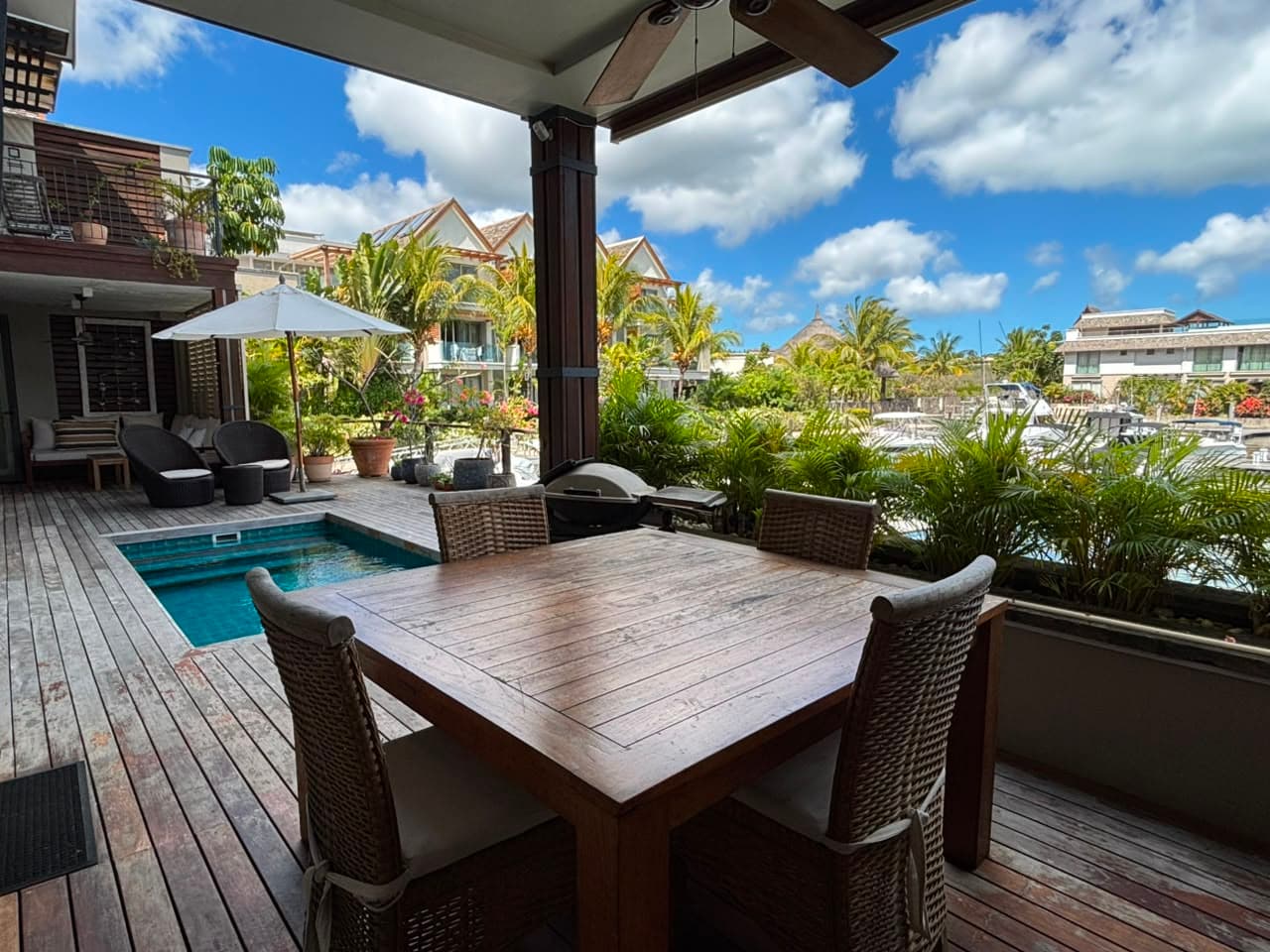
Ultimate Marina Lifestyle – Luxury Waterfront Residence, Private Mooring & Boat
44


Mauritius has become one of the most accessible and rewarding destinations for South African expats and investors, offering clear residency pathways and a direct link between property ownership and the right to reside. Understanding the legal framework — from occupation permits to prope…
For South Africans, Mauritius has long held a particular appeal — close enough to feel familiar, yet different enough to feel like a genuine fresh start. The warm climate, world-class golf courses, pristine beaches, and increasingly sophisticated financial ecosystem make it one of Africa's most compelling relocation destinations. But before you begin scouting beachfront villas or hillside estates, understanding the legal framework is essential. The good news? Mauritius has made it remarkably straightforward for South Africans to live, work, and invest on the island — provided you follow the right channels.
South African passport holders benefit from visa-free entry into Mauritius for stays of up to 90 days. This makes initial property scouting trips and lifestyle exploration extremely convenient. However, if you intend to reside on the island long-term — whether for retirement, remote work, or business — you'll need to secure the appropriate permit before your tourist allowance expires.
Launched in 2020 and extended due to strong demand, the Premium Visa is particularly relevant for South Africans who work remotely or run location-independent businesses. It allows holders to live in Mauritius for up to one year (renewable) without requiring a formal work permit. Applicants must demonstrate proof of employment or business activity outside Mauritius, along with evidence of sufficient financial means. There is no minimum income threshold prescribed by law, but immigration officers typically look for stability and credibility in your financial documentation.
For those seeking longer-term residency, Mauritius offers several structured pathways:
The Occupation Permit (OP) is the primary route for those wishing to work or invest in Mauritius. It combines a work permit and residence permit into one document and is available under three categories:
The Retirement Non-Citizen Permit is another popular option for South Africans aged 50 and above. It requires a minimum monthly transfer of USD 1,500 into a Mauritian bank account, making it accessible for those with pensions, investment income, or offshore savings.
One of the most attractive aspects of relocating to Mauritius is that property investment and residency are directly linked. Under the Property Development Scheme (PDS), non-citizens — including South Africans — can purchase residential property and simultaneously qualify for a residence permit, provided the purchase price meets or exceeds USD 375,000.
This creates a compelling dual incentive: you acquire a tangible, appreciating asset in one of the Indian Ocean's most desirable markets, while securing your right to live on the island. Properties within PDS developments are typically high-end, offering resort-style amenities, managed services, and stunning locations across Grand Baie, Tamarin, Bel Ombre, and the Black River coast.
For South Africans specifically, South African Reserve Bank (SARB) regulations and the rules of the Financial Surveillance Department remain relevant even after relocating. South African residents are subject to annual foreign capital allowances — currently R1 million as a single discretionary allowance and R10 million as a foreign investment allowance (requiring tax clearance). Those who formally emigrate and change their financial emigration status will have different considerations altogether.
It is strongly advisable to work with a South African tax advisor and a Mauritian legal practitioner simultaneously to ensure compliance on both ends. Double taxation agreements between South Africa and Mauritius do exist, which can significantly reduce your overall tax burden — but professional guidance is non-negotiable.
Navigating Mauritian immigration and property law is far smoother when you engage qualified local support. A notary (notaire) is legally required for all property transactions in Mauritius, and working with an experienced immigration consultant can prevent costly delays or rejections. Several firms in Port Louis and Grand Baie specialise in South African clients specifically and understand the cross-border nuances involved.
Mauritius offers South Africans a rare combination of legal accessibility, lifestyle quality, and genuine investment opportunity — but the path there requires careful planning and the right advice.
At PropertyFinder Mauritius, we connect discerning buyers with premium properties across the island and work alongside trusted legal and immigration partners to make your transition as seamless as possible. Browse our curated listings today and let us help you find not just a property, but your place in paradise.
Hand-picked
Riviere Noire · West

Baie du Cap · South

Tamarin · West

Baie du Cap · South
Beau Champ · East

Riviere Noire · West
Explore by region
Explore the site
Market updates, buying guidance and the best new listings, straight to your inbox.
Expats Support Services · 9 Oct 2025
Expats Support Services · 8 Oct 2025
With UK living costs continuing to rise in 2025, Mauritius offers British expats and investors a compelling financial alternative, from dramatically…
Expats Support Services · 8 Oct 2025
With record numbers of Brits leaving the UK in 2025 amid rising taxes and declining quality of life, Mauritius has emerged as the destination of…
Expats Support Services · 18 Jul 2024
Opening a bank account in Mauritius is an essential step for any expat relocating to the island or investing in property, but the process comes with…
Expats Support Services · 18 Jul 2024
Relocating to Mauritius with a pet is entirely possible, but it demands careful planning, strict documentation, and months of preparation. This…
Expats Support Services · 8 Feb 2023
South Africa is one of the closest and most convenient gateways to Mauritius, and with the right planning, a scouting trip for property investment…
Browse our current listings or speak to an agent.


